
In an increasingly digital world, mobile payment applications have become indispensable tools for managing personal finances. Among these, Cash App stands out as a pervasive platform, offering a comprehensive suite of services that extend far beyond simple peer-to-peer (P2P) money transfers. Understanding “how Cash App works” is not merely about identifying its features; it’s about delving into the technological architecture, user experience design, and security protocols that underpin its operations, enabling millions to manage their money with unprecedented ease and speed. This exploration will dissect the application’s core mechanics, revealing the sophisticated engineering behind its seemingly simple interface and robust capabilities, firmly placing our analysis within the technological realm.

The Foundational Mechanics of Peer-to-Peer Payments
At its heart, Cash App revolutionized the way individuals send and receive money, transforming complex bank transfers into instant, intuitive digital transactions. This P2P functionality is the bedrock upon which its broader ecosystem is built, leveraging modern software design and secure data transmission.
Setting Up Your Account: The Onboarding Process
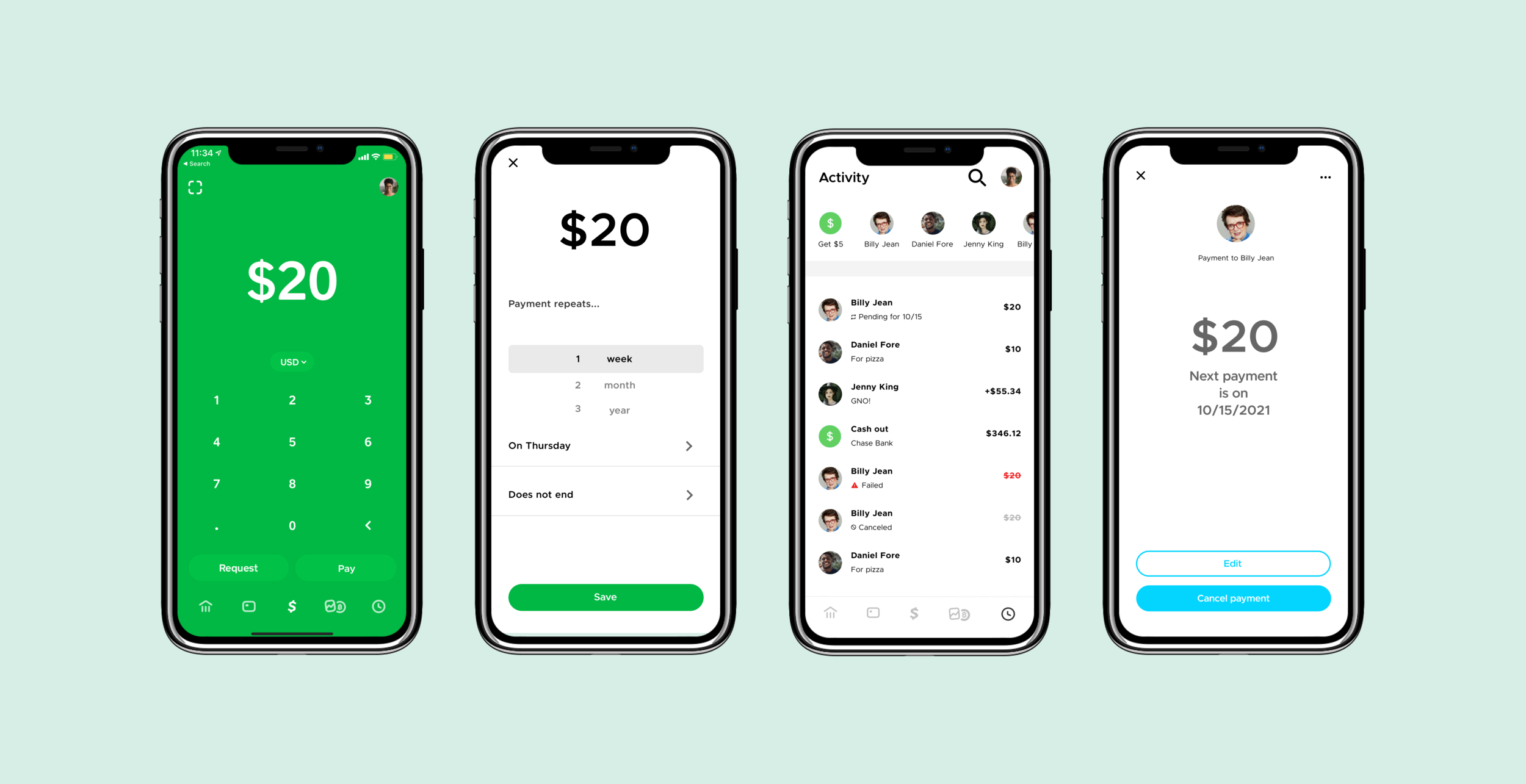
The initial interaction with Cash App sets the stage for its ease of use. The onboarding process is meticulously designed for minimal friction, prioritizing rapid user acquisition while adhering to regulatory requirements. Upon downloading the application, users are prompted to link a bank account or debit card. This linkage is critical as it establishes the primary funding source for transactions and the destination for received funds. Technologically, this involves a secure API integration with various financial institutions, typically facilitated by third-party aggregators that encrypt and transmit banking credentials. Users input their details, and the system performs a verification process, often involving micro-deposits or instant authentication methods, to confirm ownership and establish a trusted link. This initial setup also involves creating a unique identifier, known as a “$Cashtag,” which simplifies future transactions by providing a memorable handle instead of requiring sensitive banking information for each transfer. The $Cashtag is a public alias that maps to a user’s private account, a clever abstraction that enhances both convenience and privacy in the P2P context.
Sending and Receiving Funds: Instant Digital Transfers
Once an account is active, the core P2P mechanism comes into play. When a user initiates a payment, they specify the recipient (via $Cashtag, phone number, or email) and the amount. Behind the scenes, Cash App processes this request by debiting the sender’s linked bank account or Cash App balance and crediting the recipient’s Cash App balance. The immediacy of these transfers is a key technological achievement, relying on rapid communication protocols and real-time ledger updates. Unlike traditional bank transfers that might take days to clear, Cash App utilizes its internal ledger system to instantly reflect changes, with the actual movement of funds between banks often happening later through batch processing via the ACH (Automated Clearing House) network for standard transfers, or faster payment rails for immediate availability. For funds already within the Cash App ecosystem (i.e., in a user’s Cash App balance), the transfer is purely an internal database update, making it virtually instantaneous. This system requires robust server infrastructure and sophisticated data synchronization mechanisms to ensure accuracy and prevent discrepancies across millions of concurrent transactions.
Linking Banks and Debit Cards: Bridging Traditional Finance
The seamless integration with traditional banking infrastructure is a testament to Cash App’s technological prowess. When a user links a debit card, they are essentially providing Cash App with a conduit to their bank account through existing payment networks (Visa, Mastercard, etc.). This allows for instant debits for payments and instant cash-outs to the linked debit card (though often with a small fee for the latter, reflecting the cost of using faster payment rails). For standard deposits from Cash App to a bank account, the platform typically utilizes the ACH network. This network is a batch processing system that clears transactions over several business days. Cash App abstracts this complexity, presenting a simple “Cash Out” option that handles the underlying interbank communication. The secure storage and transmission of sensitive financial data, like card numbers and bank account details, are paramount here, relying on advanced encryption standards (e.g., AES-256) and compliance with Payment Card Industry Data Security Standard (PCI DSS) protocols. The system is designed to minimize direct exposure of user financial information, often tokenizing card data to prevent its storage in plaintext, adding an extra layer of security.
Beyond P2P: Banking and Spending Features
Cash App has evolved beyond simple money transfers, incorporating features that mimic traditional banking services and enhance spending capabilities, all within its mobile-first design philosophy.
The Cash Card: A Physical Extension of Your Digital Wallet
The Cash Card is a customizable, free debit card directly linked to a user’s Cash App balance. Technologically, it functions like any standard Visa debit card, issued in partnership with Sutton Bank. When a user makes a purchase, the Cash Card transmits transaction data through the Visa network to Cash App’s processing system. Cash App then verifies the available balance and authorizes the transaction in real-time. This requires a robust backend system capable of instant balance checks and transaction processing across a global payment network. The card itself incorporates EMV chip technology for enhanced security against fraud, encrypting transaction data at the point of sale. The ability for users to pause or reactivate their Cash Card instantly within the app is a powerful security feature, leveraging direct API calls to the card issuer to modify the card’s active status, giving users unparalleled control over their spending and mitigating risks associated with lost or stolen cards.
Direct Deposit: Streamlining Income Management
One of Cash App’s significant strides into traditional banking territory is its direct deposit feature. By providing users with an account number and routing number (affiliated with its partner bank, Sutton Bank), Cash App enables employers or government agencies to deposit paychecks or benefits directly into a user’s Cash App balance. This functionality transforms Cash App into a primary banking alternative for many, particularly those underserved by traditional financial institutions. The technological implementation involves Cash App acting as a receiving bank for ACH credits. Upon receiving the ACH file, Cash App’s system processes these credits, allocates them to the respective user accounts, and updates balances. This requires sophisticated automated reconciliation systems to match incoming funds to the correct user accounts and a robust internal ledger to ensure all transactions are accurately recorded and immediately reflected in the user’s balance, providing instant access to their funds upon deposit.
Boosts: Geo-Fencing and Loyalty Program Integration
“Boosts” are an innovative feature of the Cash Card, offering instant discounts at selected merchants. From a technological perspective, Boosts represent a sophisticated integration of location-based services, merchant partnerships, and real-time transaction processing. When a user activates a Boost within the app, Cash App flags their Cash Card for that specific merchant discount. Upon a purchase at a qualifying merchant, the transaction data, including merchant ID and location (if applicable), is transmitted through the Visa network. Cash App’s system intercepts this transaction, identifies the active Boost, and applies the discount instantly at the point of sale. This real-time application of discounts requires a highly efficient decision-making engine and robust database management to keep track of active Boosts, eligible merchants, and user selections. Furthermore, some Boosts may leverage geo-fencing technology, using the device’s location services to notify users of nearby eligible discounts, enhancing the user experience through context-aware recommendations.
Expanding Your Financial Horizons: Investing within the App
Cash App has extended its utility into the investment realm, democratizing access to stock and Bitcoin trading through an intuitive, mobile-first interface. This integration highlights its evolution from a payment app to a comprehensive financial platform.
Demystifying Stock Investing: Fractional Shares and User Interface
Cash App’s approach to stock investing significantly lowers the barrier to entry by enabling users to buy fractional shares. This means users can invest as little as $1, purchasing a small percentage of a high-priced stock, rather than needing to afford a full share. Technologically, this is accomplished through a process where Cash App, via its brokerage partner (Cash App Investing LLC), aggregates users’ fractional share orders. It then purchases full shares in the market and allocates portions of these shares to individual users’ accounts based on their investment amounts. This backend complexity is entirely abstracted from the user, who simply sees their investment in dollars and the corresponding fraction of a share. The user interface (UI) is designed for simplicity, showing real-time market data (often delayed by a few minutes, as is standard practice for free services) and intuitive buy/sell buttons. The backend systems manage order execution, portfolio tracking, and regulatory compliance, ensuring that all trades are properly cleared and settled.
Navigating Bitcoin Transactions: Digital Currency Integration
The inclusion of Bitcoin buying and selling capabilities was a pioneering move for a mainstream payment app. Cash App provides a straightforward gateway for users to enter the cryptocurrency market. When a user buys Bitcoin, Cash App acts as an intermediary, purchasing the specified amount from a liquidity provider and crediting it to the user’s in-app Bitcoin balance. Conversely, when selling, Cash App liquidates the Bitcoin and credits the user’s Cash App balance. This process involves complex interactions with cryptocurrency exchanges and wallets. Cash App manages the underlying private keys and blockchain transactions on behalf of the user, simplifying the often-intimidating technical aspects of crypto ownership. Users can also send and receive Bitcoin to and from external wallets, leveraging the Bitcoin network’s inherent P2P capabilities. This requires Cash App to generate and manage Bitcoin addresses for users and execute transactions on the blockchain, involving robust cryptographic operations and network synchronization. Security for these digital assets is paramount, utilizing cold storage solutions (offline storage) for a significant portion of user funds to protect against cyber theft, while maintaining a hot wallet (online storage) for immediate transaction liquidity.
Understanding the Underlying Technology for Investment Portfolios
The technology powering Cash App’s investment features is a sophisticated blend of financial technology (FinTech) and distributed systems. It requires robust data infrastructure to handle real-time market data feeds, execute trades, manage user portfolios, and maintain compliance with financial regulations (like KYC/AML – Know Your Customer/Anti-Money Laundering). The platform aggregates market data from various exchanges, processes user orders, and interfaces with brokerage services and cryptocurrency exchanges via secure APIs. Database management systems efficiently store vast amounts of transaction history, user holdings, and market data. Furthermore, sophisticated algorithms are employed for risk management, fraud detection in trades, and ensuring the accurate calculation of gains and losses. The entire investment infrastructure is designed for high availability and low latency, crucial for supporting instant trading decisions and reflecting accurate portfolio values.
Fortifying Your Finances: Security and Support Architecture
The integrity and security of a financial application like Cash App are paramount. Its operational framework integrates multi-layered security protocols and accessible support systems to protect user data and funds.
Data Encryption and Fraud Prevention Technologies
Cash App employs industry-standard encryption protocols to protect sensitive user data both in transit and at rest. All communications between the user’s device and Cash App’s servers are secured with TLS (Transport Layer Security) encryption, preventing eavesdropping and tampering. Data stored on Cash App’s servers, including financial information and personal identifiers, is protected with strong encryption algorithms (e.g., AES-256). Beyond encryption, Cash App utilizes advanced fraud detection systems powered by machine learning and artificial intelligence. These systems continuously analyze transaction patterns, user behavior, and device characteristics to identify and flag suspicious activities in real-time. Anomalous transactions, such as unusually large transfers or transfers to unknown recipients, can trigger automatic holds or require additional verification steps, minimizing the risk of unauthorized access or fraudulent disbursements.
Multi-Factor Authentication: Safeguarding Access
To further secure user accounts, Cash App implements multi-factor authentication (MFA). While password-based login is standard, users are encouraged to enable additional verification methods, such as PINs, Touch ID, Face ID, or SMS codes. When MFA is enabled, accessing the account or initiating certain sensitive transactions (e.g., sending large sums, changing banking details) requires not only the primary password but also verification through a secondary factor. This significantly enhances security, as even if a password is compromised, an unauthorized individual would still need access to the user’s physical device or biometric data to gain entry. The underlying technology involves secure token generation and validation, ensuring that only authenticated users can perform critical actions.
Customer Support and Dispute Resolution Mechanisms
Even with robust security, issues can arise. Cash App provides various customer support channels, including in-app chat, phone support, and email. The technological infrastructure supporting these channels includes sophisticated CRM (Customer Relationship Management) systems that allow support agents to securely access relevant user information (with appropriate permissions and anonymization) to address inquiries efficiently. For dispute resolution, such as unauthorized transactions or issues with goods/services purchased via Cash Card, Cash App has established clear procedures. These procedures often involve an investigation process that leverages transaction logs, communication records, and, if necessary, coordination with partner banks and payment networks. The goal is to provide a transparent and fair resolution process, often guided by consumer protection laws and network rules, ensuring that users have recourse when problems occur.
The Future Trajectory: Innovation and Ecosystem Expansion
Cash App’s continuous evolution is driven by a commitment to expanding its feature set and improving user experience, leveraging technological advancements to maintain its competitive edge.
API Integrations and Third-Party Services
The future of Cash App will likely see further expansion through robust API integrations with third-party services. This could include deeper integrations with e-commerce platforms for seamless checkout experiences, utility bill payment services, or even partnerships with financial planning tools. By opening up its platform through well-documented and secure APIs, Cash App can foster a broader ecosystem of services that enhance its core offerings, allowing users to manage more aspects of their financial lives within or through the app. This approach leverages the power of interconnected digital services, creating a more comprehensive and sticky user experience.
Evolving User Experience and Feature Rollouts
Cash App’s development roadmap is heavily influenced by user feedback and emerging market trends. Expect continuous improvements in its user interface, making complex financial actions even more intuitive. Future feature rollouts might include advanced budgeting tools, integration with cryptocurrency staking or lending services, or even personalized financial advice powered by AI. The underlying technology will need to remain agile, supporting rapid deployment of new features, scalable infrastructure to handle increasing user loads, and advanced analytics to understand user behavior and tailor services. The focus will be on leveraging data-driven insights to refine the app’s functionality and deliver a truly personalized financial management experience, further solidifying its position as a leading FinTech innovator.
aViewFromTheCave is a participant in the Amazon Services LLC Associates Program, an affiliate advertising program designed to provide a means for sites to earn advertising fees by advertising and linking to Amazon.com. Amazon, the Amazon logo, AmazonSupply, and the AmazonSupply logo are trademarks of Amazon.com, Inc. or its affiliates. As an Amazon Associate we earn affiliate commissions from qualifying purchases.