
Selling a car is more than just a transaction; it’s a significant financial event that, when handled strategically, can significantly impact your personal balance sheet. In today’s dynamic market, where information asymmetry can erode value and a sluggish process can lead to missed opportunities, mastering the art of a swift and profitable car sale is crucial. This guide delves into the financial strategies and shrewd operational tactics necessary to divest your vehicle efficiently, ensuring you maximize your return and minimize the time your capital remains tied up. From meticulous preparation to shrewd negotiation and secure transaction finalization, every step is framed through a lens of financial optimization, designed to empower you to sell your car faster and for a better price.
Strategic Preparation: Maximizing Your Asset’s Value
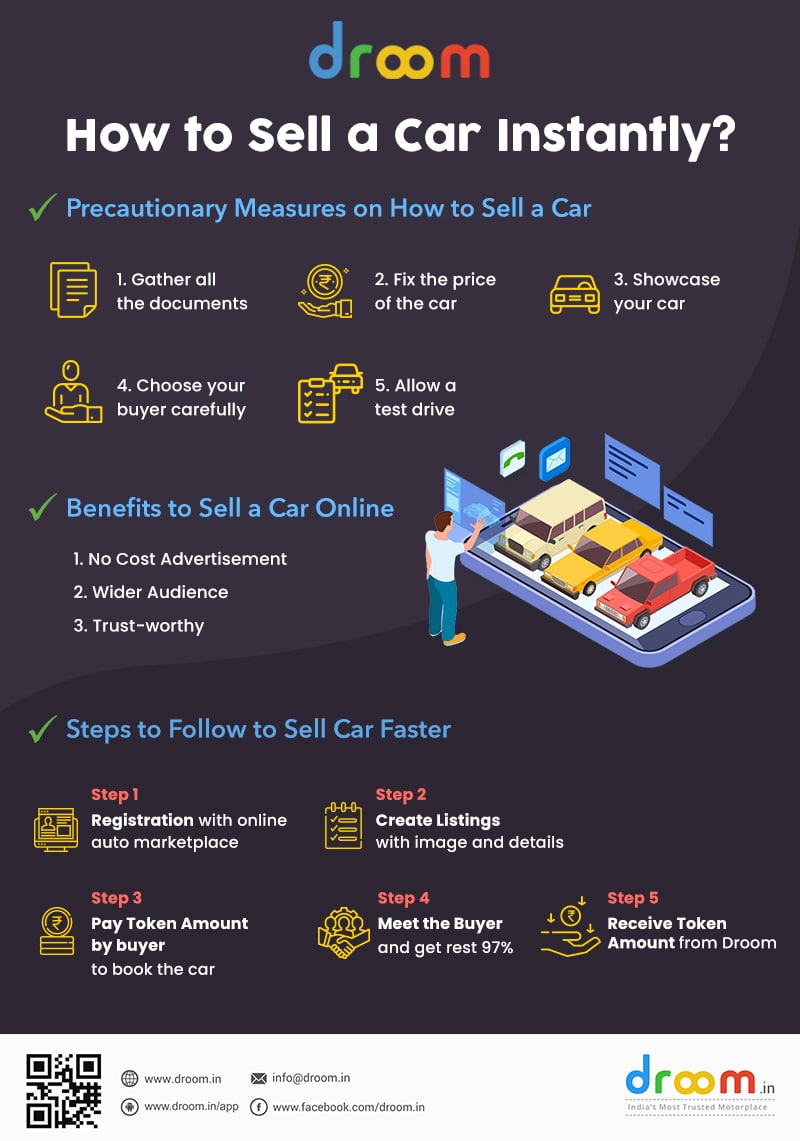
Before even contemplating a sale, consider your vehicle as an asset requiring strategic enhancement to command its highest possible market value. Just as a real estate investor stages a home, a car seller must present their asset in its best light to justify a premium price and attract serious buyers quickly. Every investment made at this stage should be viewed as an expenditure with a high potential return on investment (ROI).
The Investment of Detailing: A High ROI Strategy
A professionally detailed car communicates meticulous care, signaling to potential buyers that the vehicle has been well-maintained beyond its surface. While a DIY clean might save a few dollars upfront, the psychological impact of a sparkling interior, spotless exterior, and gleaming wheels is invaluable. This isn’t merely about aesthetics; it’s about perceived value. A pristine vehicle often justifies a higher asking price and can expedite the sale process by creating an immediate, positive impression. Buyers are often willing to pay more for a car that looks and feels new, reducing their mental calculation of necessary post-purchase expenses. Consider the cost of detailing as a small investment that can yield several hundreds, if not thousands, of dollars in added perceived value and faster capital recovery.
Addressing Minor Repairs: Preventing Price Erosion
Ignoring minor mechanical or cosmetic issues can be a costly mistake. A potential buyer, upon discovering a faulty brake light, a worn tire, or a squeaky belt, will not only mentally deduct the repair cost but often inflate it significantly in their own estimation, using it as a strong negotiation point to drive down your asking price. Worse, these seemingly minor flaws can erode trust and deter a sale entirely. Prioritize small, inexpensive fixes that directly impact safety, appearance, or basic functionality. Replacing a wiper blade, topping up fluids, fixing a chipped windshield, or even replacing a cracked headlight cover can preempt significant price chip-downs. The goal is to eliminate easy excuses for buyers to devalue your asset, thereby protecting your profit margin and ensuring a smoother transaction. An upfront investment in these small repairs is a defensive financial strategy, safeguarding your equity.
Gathering Essential Documentation: Accelerating the Sale Process
From a financial and logistical standpoint, having all necessary documentation readily accessible is paramount. This includes the car’s title, service records, owner’s manual, inspection reports, and any warranty information. Buyers are often wary of transactions where essential paperwork is missing or delayed, as it can signal potential underlying issues or future legal complications. Presenting a comprehensive folder of records not only builds trust but also demonstrates transparency and professionalism. Service records, in particular, can validate your car’s maintenance history, substantiating its value and providing tangible proof of care. By having these documents organized and ready, you prevent delays, eliminate uncertainty, and project an image of a reliable seller, all of which contribute to a faster and more secure financial transaction. It signals that you are prepared for a swift, legitimate transfer of ownership and funds.
Optimizing Your Price: Data-Driven Valuation for a Swift Sale
Pricing your vehicle correctly is the most critical financial decision in the selling process. An inflated price will deter buyers and prolong the sale, while an undervaluation means leaving money on the table. The sweet spot lies in a data-driven valuation that reflects market realities while aligning with your financial objectives for a fast sale.
Leveraging Online Valuation Tools for Market Accuracy
In the digital age, a wealth of data exists to inform precise car valuations. Websites like Kelley Blue Book (KBB), Edmunds, NADAguides, and AutoTrader offer sophisticated valuation tools that consider your car’s make, model, year, mileage, condition, and even your geographic location. These tools provide a range of values—trade-in, private party, and dealer retail—offering a robust starting point for your asking price. The key is to input details accurately and objectively assess your car’s condition. Using multiple tools can provide a balanced perspective, allowing you to triangulate a fair market price that appeals to buyers while reflecting your car’s true financial worth. This data-driven approach minimizes guesswork, maximizing your chances of a quick sale at a financially sound price.
Analyzing Competitor Pricing: Finding Your Sweet Spot
Beyond general valuation tools, granular market analysis is essential. Spend time researching similar cars currently for sale in your local area on platforms like Craigslist, Facebook Marketplace, and dedicated auto sales sites. Pay close attention to vehicles with comparable mileage, features, and condition. This competitive analysis helps you understand what the market will bear. If your car is priced significantly higher than similar models, expect it to sit unsold. If it’s too low, you’re sacrificing potential profit. Look for cars that have recently sold to understand real transaction prices, not just asking prices. Identifying the “sweet spot” means pricing your car attractively enough to stand out among competitors but high enough to achieve your desired financial outcome. This often involves positioning your price just below slightly higher-priced comparable vehicles to entice buyers seeking value.
Understanding Depreciation and Its Impact
Depreciation is the silent killer of automotive wealth. A clear understanding of your car’s depreciation curve is vital for making informed pricing decisions, especially when aiming for a fast sale. Cars depreciate most rapidly in their first few years, and specific models hold their value better than others. Factor in how long you’ve owned the car and its mileage relative to its age. If you’re selling a vehicle that’s entering a period of accelerated depreciation, a swift sale becomes even more financially imperative to preserve residual value. Conversely, if your car is a model known for strong resale value, you might have more leeway to command a premium. This financial awareness helps you set a realistic floor for your price, preventing you from selling below a point where you incur excessive loss relative to your initial investment.
Marketing for Monetary Advantage: Reaching Buyers Who Pay More
Effective marketing isn’t just about visibility; it’s about strategically attracting the right buyers—those who recognize value and are prepared to pay a fair price, quickly. This requires crafting compelling narratives and utilizing channels that reach serious, financially capable prospects.
Crafting Compelling Listings: Emphasizing Value Propositions
Your online listing is your primary sales pitch. Beyond basic facts, it must highlight your car’s unique selling propositions and translate them into financial benefits for the buyer. Did you invest in premium tires? Mention their longevity and safety. Is it fuel-efficient? Quantify the potential savings. Has it had all its scheduled maintenance? Emphasize its reliability and reduced future repair costs. Describe features in a way that resonates with a buyer’s desire for quality, economy, or peace of mind. Use clear, concise language, and structure your listing for readability. A well-written description that emphasizes the tangible and intangible value of your car helps justify your asking price and differentiates your vehicle from others, attracting buyers who are looking for a sound investment, not just the cheapest option.
Strategic Photography: Showcasing Investment-Worthy Features
High-quality photography is non-negotiable for a fast and profitable sale. Think of your photos as visual proof of your car’s value. Take clear, well-lit photos from multiple angles, highlighting both the exterior and interior. Focus on showcasing desirable features like alloy wheels, infotainment systems, leather seats, and sunroofs. Crucially, photograph the odometer to verify mileage and any recent upgrades or repairs (e.g., new tires, clean engine bay). Avoid blurry, dark, or poorly composed shots. A single poor photo can undermine the credibility of your entire listing, leading potential buyers to scroll past. Consider cleaning your car specifically for the photoshoot. High-quality images project professionalism and transparency, conveying that your car is well-cared-for and worth its asking price, thereby reducing buyer skepticism and accelerating interest.
Choosing High-Traffic Sales Platforms: Expanding Your Reach
The platform you choose to list your car on significantly impacts how quickly it sells and the price you can command. Diversifying your listing strategy across multiple high-traffic platforms can broaden your exposure to a wider pool of financially qualified buyers. Consider:
- Online Auto Marketplaces: Websites like AutoTrader, Cars.com, and eBay Motors offer vast reach and often attract serious buyers specifically looking for vehicles. While some may charge listing fees, the investment often pays off in increased visibility and faster sales.
- Social Media Marketplaces: Facebook Marketplace and local car selling groups can be highly effective, especially for private sales. They leverage community networks and often incur no listing fees, making them a cost-effective option.
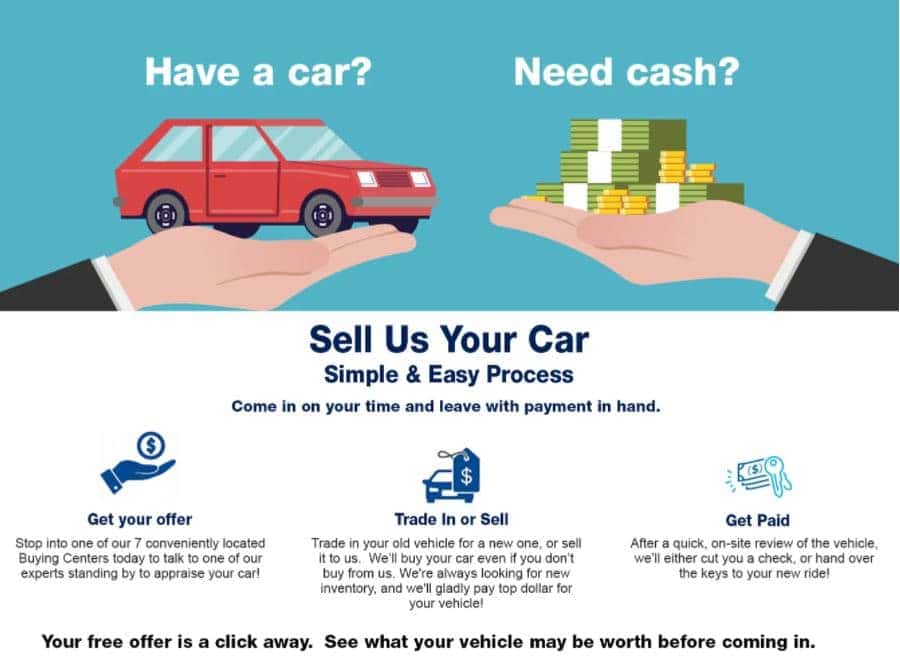
- Dealer Consignment/Trade-in: While generally offering a lower financial return, these options provide unparalleled speed and convenience. For sellers prioritizing speed over maximum profit, they can be viable.
The strategic selection of platforms ensures your car is seen by the most motivated buyers, increasing the likelihood of a rapid sale at a favorable price.
Mastering the Negotiation: Securing Your Financial Outcome
Negotiation is a delicate dance between seller and buyer, where financial acumen can significantly impact your final profit. Approaching it with confidence and a clear financial strategy is key to securing your desired outcome swiftly.
Setting Your Financial Floor: Knowing When to Hold or Fold
Before entering any negotiation, establish your absolute minimum acceptable selling price—your financial floor. This isn’t your asking price, but the lowest figure you’re willing to accept to ensure a financially acceptable outcome. This floor should cover any outstanding loans, your perceived residual value, and ideally, leave some profit or capital for your next endeavor. Armed with this number, you can negotiate confidently, knowing when to politely decline an offer that’s too low and when to engage further. Sticking to your financial floor prevents emotional selling and ensures you don’t compromise your financial goals under pressure. It’s a crucial anchor in the negotiation process, protecting your bottom line.
Highlighting Value Over Price: Justifying Your Ask
When a buyer inevitably attempts to negotiate down, redirect the conversation from mere price to the intrinsic value of your vehicle. Instead of solely defending your asking price, reiterate the car’s strong points: the recent detailing, the meticulous maintenance records, the new tires, the low mileage, or unique features that add value. Frame these as investments you’ve made that translate into tangible benefits for the buyer—reduced immediate expenses, reliability, and peace of mind. By focusing on value, you justify your asking price and make it harder for the buyer to argue purely on cost. This shifts the perception from an expense to an investment, often encouraging buyers to meet you closer to your desired price.
The Art of the Counter-Offer: Maximizing Your Profit Margin
Rarely will a buyer accept your initial asking price without attempting to negotiate. The counter-offer is your opportunity to demonstrate flexibility while still maximizing your profit. Avoid immediate acceptance of the first offer, especially if it’s significantly below your asking price but above your financial floor. Instead, respond with a thoughtful counter-offer that’s strategically higher than the buyer’s offer but lower than your original asking price. This signals your willingness to negotiate while defending your profit margin. Be prepared to explain your counter-offer by reiterating the car’s value. A well-executed counter-offer can close the gap quickly, leading to a faster agreement that satisfies both parties financially. Patience and a clear understanding of your financial limits are paramount in this stage.
Streamlining the Transaction: Ensuring a Secure and Rapid Financial Transfer
The final stage of selling your car involves completing the transaction securely and efficiently. This protects your financial interests and ensures a legally compliant transfer of ownership, critical for a clean break from your asset.
Secure Payment Methods: Protecting Your Financial Interest
When it comes to receiving payment, prioritizing security is paramount to protect your financial assets. Avoid cash payments, especially for significant sums, due to safety concerns and potential counterfeiting. Personal checks are also risky, as they can bounce. The most secure methods include a certified bank check (verified funds from a bank), a cashier’s check (drawn on the bank’s own funds), or a direct wire transfer. For maximum peace of mind and speed, consider meeting at your bank to facilitate the transfer, allowing the teller to verify the funds. Never release the car or its title until you have confirmation that the funds have cleared and are securely in your account. A secure payment process safeguards your profit and ensures the transaction is financially irreversible.
Navigating the Paperwork: Expediting Title Transfer
The swift and accurate transfer of the car’s title is legally required and financially prudent. You must sign over the title to the new owner, often in the presence of a notary, depending on your state’s regulations. Ensure all necessary fields are completed accurately, including the sale date and price. Many states also require a bill of sale, which serves as a financial record of the transaction for both parties and for tax purposes. This document should detail the car’s VIN, mileage, sale price, and the names and signatures of both buyer and seller. Failing to properly transfer the title can lead to legal complications, liability for future incidents involving the car, or even financial penalties. A smooth, well-documented transfer protects you from these post-sale liabilities, concluding the financial relationship with the vehicle definitively.

Finalizing the Deal: Legal and Financial Compliance
Beyond the title, there are other crucial steps to finalize the deal quickly and compliantly. In many jurisdictions, you must notify your Department of Motor Vehicles (DMV) or equivalent agency that you’ve sold the vehicle. This removes your liability for any future parking tickets, tolls, or accidents associated with the car. Remove your license plates if required, or follow state guidelines for their transfer or surrender. Crucially, inform your insurance company immediately that you’ve sold the vehicle to cancel your policy or transfer it to a new car. This prevents you from paying for insurance on a car you no longer own, ensuring a clean financial break. A diligent approach to these final legal and financial steps ensures a truly rapid and financially secure conclusion to your car sale, allowing you to move forward with your recovered capital.
Selling a car effectively and profitably is a testament to strategic thinking and meticulous execution. By viewing each stage through a financial lens—from preparing your asset for optimal value, to pricing it shrewdly, marketing it effectively, negotiating confidently, and finalizing securely—you not only accelerate the sale but also maximize your financial return. This systematic approach ensures that your car sale isn’t just a transaction, but a successful financial endeavor.
aViewFromTheCave is a participant in the Amazon Services LLC Associates Program, an affiliate advertising program designed to provide a means for sites to earn advertising fees by advertising and linking to Amazon.com. Amazon, the Amazon logo, AmazonSupply, and the AmazonSupply logo are trademarks of Amazon.com, Inc. or its affiliates. As an Amazon Associate we earn affiliate commissions from qualifying purchases.