
The decision to purchase a car is a significant financial milestone for many individuals and families. It’s an investment that extends far beyond the initial sticker price, encompassing a myriad of ongoing costs, financing considerations, and strategic choices that can profoundly impact one’s personal financial health. The question, “Where do I buy a car?” is fundamentally a financial one, requiring a comprehensive understanding of various acquisition avenues, their associated costs, and the most prudent financial strategies to employ. This article delves into the financial intricacies of car buying, equipping you with the knowledge to make an informed, budget-conscious decision.

Understanding Your Financial Capacity Before You Shop
Before you even begin to browse models or visit dealerships, the most crucial step is to gain a crystal-clear understanding of your financial capacity. This isn’t just about what you can afford for a monthly payment; it’s about the holistic financial impact of car ownership on your budget and long-term financial goals.
Calculating the True Cost of Car Ownership
Many prospective car buyers make the mistake of focusing solely on the purchase price or the monthly loan payment. However, the true cost of car ownership extends significantly beyond these figures. It’s a sum that includes a range of expenses, many of which are recurring:
- Insurance: Premiums vary widely based on the vehicle type, your driving history, location, and chosen coverage. This can be a substantial monthly or annual expense.
- Maintenance and Repairs: All cars, new or used, require routine maintenance (oil changes, tire rotations, brake checks) and will inevitably need repairs over their lifespan. Budgeting for these unforeseen costs is critical.
- Fuel: Your daily commute, weekend trips, and the car’s fuel efficiency will dictate a significant ongoing expense.
- Registration and Taxes: Annual registration fees and potentially sales tax (which can be substantial) are mandatory costs associated with vehicle ownership.
- Depreciation: While not an out-of-pocket expense, depreciation is the single largest cost of car ownership. It’s the loss in value of your car over time. Understanding this helps in assessing the long-term financial viability of your purchase.
- Parking Fees/Tolls: Depending on your location and commute, these can add up.
A comprehensive financial assessment requires factoring in all these elements. Utilize online calculators that help estimate the total cost of ownership for specific makes and models, providing a more realistic picture than just the purchase price.
Establishing a Realistic Budget: The 20/4/10 Rule and Beyond
Once you understand the true cost, you can set a realistic budget. A widely cited guideline for car financing is the 20/4/10 rule:
- 20% Down Payment: Aim to put down at least 20% of the car’s purchase price. A larger down payment reduces the amount you need to borrow, lowers your monthly payments, and helps you avoid being “upside down” (owing more than the car is worth) early in the loan term due to depreciation.
- 4-Year Loan Term: Keep your car loan term to a maximum of four years (48 months). Longer loan terms, while offering lower monthly payments, result in paying significantly more interest over the life of the loan. For example, a 72-month loan can add thousands of dollars in interest compared to a 48-month loan, and you’ll be making payments long after the car’s initial appeal has worn off.
- 10% of Gross Income: Your total monthly car expenses (loan payment, insurance, fuel, maintenance savings) should not exceed 10% of your gross monthly income. This ensures your car doesn’t become a financial burden, leaving room for other essential expenses and savings.
Beyond this rule, consider your emergency fund. Depleting your emergency savings for a down payment is generally not advisable, as it leaves you vulnerable to unexpected financial setbacks. Assess how a car purchase fits into your broader financial plan, including retirement savings, debt repayment, and other investment goals.
Exploring Avenues for Acquisition: Weighing Financial Implications
The “where” of buying a car presents several distinct avenues, each with its own financial advantages and disadvantages. Understanding these differences is key to optimizing your investment.
Traditional Dealerships: Pros, Cons, and Negotiation Strategies
Traditional brick-and-mortar dealerships remain a popular choice, offering convenience, a wide selection, and the ability to test-drive multiple vehicles. Financially, they present a complex landscape:
- Pros: Dealers can simplify financing by offering in-house loans or connecting you with various lenders. They often accept trade-ins, streamlining the selling of your old vehicle. New cars come with manufacturer warranties, reducing immediate repair risks.
- Cons: Prices at dealerships are often negotiable, which can be a double-edged sword. If you’re not a skilled negotiator, you might pay more than necessary. Sales tactics can pressure buyers into unnecessary add-ons like extended warranties or protection packages that may not offer good value. Dealership financing, while convenient, might not always be the most competitive rate available if you haven’t secured pre-approval elsewhere.
- Negotiation Strategy: Always negotiate the “out-the-door” price (including all fees and taxes) rather than just the vehicle’s price. Secure loan pre-approval from your bank or credit union before visiting, giving you leverage and a benchmark for the dealer’s finance offers. Be prepared to walk away if the deal isn’t right.
Online Car Retailers: Convenience, Transparency, and Potential Savings
The digital age has revolutionized car buying, with online platforms offering a streamlined, often transparent, process.
- Pros: Websites like Carvana, Vroom, and local dealership online portals offer fixed pricing, eliminating the stress of negotiation. They provide extensive vehicle details, often with 360-degree views and detailed inspection reports. Home delivery and generous return policies (e.g., 7-day money-back guarantees) add convenience and reduce buyer’s remorse risk. Financial pre-qualification is typically integrated into the online experience, simplifying the loan process.
- Cons: The inability to test-drive a specific vehicle before purchase is a significant drawback for some. While return policies exist, the hassle of returning a car isn’t negligible. Delivery fees can sometimes add to the cost, and you might miss out on the personal negotiation opportunities that could yield a better deal at a traditional dealership.
- Financial Consideration: Evaluate their financing rates carefully against external options. While prices are fixed, ensure the total cost, including any delivery fees or administrative charges, remains competitive.
Private Sellers: Maximizing Savings While Minimizing Risk
Buying directly from a private seller can often yield the lowest purchase price, as you’re cutting out the dealership’s overhead and profit margins.
- Pros: Significant potential for cost savings. Less sales pressure, allowing for a more relaxed decision-making process. You can often learn more about the car’s history and maintenance directly from the previous owner.
- Cons: Higher risk profile. Private sales usually mean “as-is” transactions, with no warranties or recourse if issues arise after purchase. Financing must be arranged independently, as private sellers cannot offer loans. Verification of vehicle history (via services like CarFax or AutoCheck) and a pre-purchase inspection by an independent mechanic are absolutely critical expenses to mitigate risk. Payment security is also a concern, requiring careful handling of large sums.
- Financial Safeguards: Always insist on a professional pre-purchase inspection. Use secure payment methods like cashier’s checks or direct bank transfers handled at a financial institution. Verify the seller’s identity and the vehicle title to prevent fraud.
The New vs. Used Dilemma: Depreciation and Long-Term Value
This is one of the most critical financial decisions in car buying.
- New Cars: Offer the latest technology, full warranties, and customization options. However, they suffer immediate and significant depreciation the moment they’re driven off the lot. This rapid loss in value means you’re effectively paying a premium for that “new car smell.”
- Used Cars: Generally offer much better value from a depreciation standpoint. A car that’s 2-3 years old has already absorbed the steepest depreciation curve, meaning you can often get a well-maintained vehicle for significantly less than its original price. While warranties might be shorter or require purchasing, the financial savings on the initial purchase can be substantial.
- Financial Impact: From a purely financial perspective, a well-researched, reliable used car often represents a more prudent investment. The lower purchase price typically translates to lower insurance premiums and a smaller loan amount, reducing interest paid over time.
Financing Your Purchase: Strategic Choices for Your Wallet
How you finance your car purchase can be as important as where you buy it. Each option carries distinct financial implications.

Decoding Car Loans: Interest Rates, Terms, and Credit Scores
The vast majority of car purchases involve a loan. Understanding the mechanics is vital.
- Interest Rates (APR): This is the cost of borrowing money, expressed as an annual percentage rate. Even a small difference in APR can translate to thousands of dollars over the loan term. Your credit score is the primary determinant of the interest rate you qualify for.
- Loan Term: As discussed, shorter terms mean higher monthly payments but significantly less interest paid overall. Long terms (5-7 years) should generally be avoided to prevent being upside down on your loan.
- Credit Scores: A strong credit score (generally 700+) will unlock the lowest interest rates. Before applying for a loan, check your credit report for errors and take steps to improve your score if necessary.
- Pre-Approval: Always get pre-approved for a loan from a bank or credit union before visiting a dealership. This arms you with a benchmark interest rate and allows you to focus on negotiating the car’s price, rather than being swayed by dealer financing offers that may not be optimal.
The Lease Option: Financial Flexibility vs. Ownership Equity
Leasing is often misunderstood. It’s essentially a long-term rental agreement, and it suits a specific financial profile.
- Pros: Lower monthly payments compared to buying, allowing you to drive a more expensive car for less per month. You get to drive a new car every few years, always under warranty. Maintenance costs are often minimal during the lease term.
- Cons: You never own the asset and build no equity. Mileage restrictions can incur hefty fees if exceeded. Excessive wear and tear can also lead to charges at lease end. Lease agreements often require an initial down payment and various fees.
- Financial Consideration: Leasing is a financial tool for those who prioritize lower monthly payments and constant access to new vehicles, without the desire for long-term ownership. For those seeking to build equity or minimize overall long-term costs, purchasing is typically more financially sound. Calculate the total cost of a lease (down payment + all monthly payments + end-of-lease fees) versus the cost of ownership over a similar period.
Paying with Cash: The Power of No Interest, But Opportunity Cost
Paying cash eliminates interest payments entirely, making it the cheapest way to acquire a vehicle over its lifespan.
- Pros: No interest paid, no monthly payments, immediate ownership, and potentially better negotiation power.
- Cons: Ties up a significant amount of capital that could otherwise be invested or used for other financial goals. Depleting an emergency fund to pay cash for a car is generally ill-advised.
- Financial Consideration: If you have ample savings, a fully funded emergency fund, and no high-interest debt, paying cash can be an excellent financial move. However, evaluate the opportunity cost: could that cash generate a higher return elsewhere (e.g., investments) than the interest you’d save on a low-interest car loan? For many, a balanced approach involving a substantial down payment and a low-interest loan is a sensible compromise.
Beyond the Purchase Price: Managing Ongoing Automotive Expenses
The financial journey of car ownership doesn’t end when you drive off the lot. A responsible financial plan must account for the continuous outlays.
Insurance: A Non-Negotiable Financial Commitment
Car insurance is legally required in most places and is a critical financial safeguard.
- Factors Affecting Premiums: Your age, driving record, location, the car’s make and model, and your chosen coverage levels all impact premiums.
- Types of Coverage: Understand the difference between liability, collision, comprehensive, and other optional coverages. Balance adequate protection with affordability.
- Financial Tip: Get insurance quotes before you finalize your car purchase. The same car model can have vastly different insurance costs depending on various factors, which can significantly alter your total cost of ownership.
Maintenance and Repairs: Budgeting for the Unforeseen
Regular maintenance extends your car’s life and prevents more costly repairs down the line.
- Scheduled Services: Follow the manufacturer’s recommended maintenance schedule. Budget a monthly amount for oil changes, tire rotations, and other routine services.
- Emergency Repairs: Even well-maintained cars can break down. Establish a separate savings fund specifically for unexpected car repairs.
- Extended Warranties: Carefully evaluate extended warranty offers. While they provide peace of mind, they can be expensive and often duplicate existing manufacturer warranties or offer limited coverage. Compare their cost against your estimated repair savings and the reliability of the specific vehicle.
Fuel and Depreciation: Continuous Outlays and Asset Value Erosion
These two elements represent the ongoing and often overlooked financial drains of car ownership.
- Fuel Efficiency: Choose a car that matches your driving needs and budget for fuel. A slightly cheaper car with poor fuel economy can cost you more in the long run than a more efficient, slightly more expensive model.
- Depreciation Management: While you can’t stop depreciation, you can mitigate its impact. Consider cars known for holding their value better (e.g., certain Japanese brands). Keep your car in good condition and maintain a detailed service history to maximize resale value.
Leveraging Financial Tools for an Informed Decision
In today’s interconnected world, a plethora of financial tools are available to empower car buyers.
Online Calculators and Comparison Sites
From loan payment calculators that adjust for interest rates and terms, to total cost of ownership estimators, these tools are indispensable for budgeting and comparing options. Utilize sites that compare insurance quotes, vehicle values (like Kelley Blue Book or Edmunds), and even provide historical pricing data for used cars.
Pre-Approval for Financing: Strengthening Your Bargaining Position
Getting pre-approved for a car loan from a credit union or bank before stepping into a dealership is perhaps the single most powerful financial move a car buyer can make. It transforms you from a potential borrower into a cash buyer in the eyes of the salesperson, giving you leverage to negotiate the vehicle price without simultaneously negotiating the loan terms.
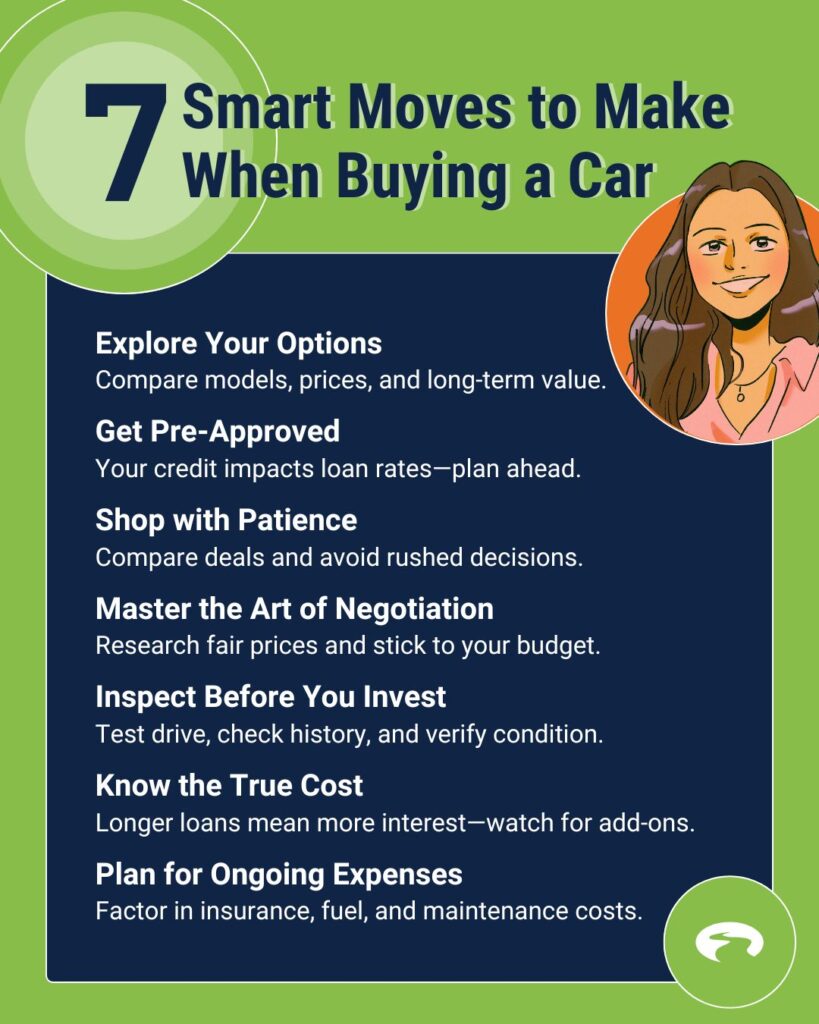
Professional Financial Advice
For a significant purchase like a car, especially if it impacts your broader financial strategy, consulting a financial advisor can be invaluable. They can help you integrate the car purchase into your overall budget, investment portfolio, and debt management plan, ensuring it aligns with your long-term financial goals.
By approaching car buying with a disciplined financial mindset, meticulously calculating costs, exploring all avenues, and leveraging available financial tools, you can transform the often-stressful process into a confident, value-driven investment in your mobility.
aViewFromTheCave is a participant in the Amazon Services LLC Associates Program, an affiliate advertising program designed to provide a means for sites to earn advertising fees by advertising and linking to Amazon.com. Amazon, the Amazon logo, AmazonSupply, and the AmazonSupply logo are trademarks of Amazon.com, Inc. or its affiliates. As an Amazon Associate we earn affiliate commissions from qualifying purchases.