
In today’s dynamic economic landscape, the pursuit of a reliable vehicle often leads savvy consumers to the thriving used car market. Far from being a compromise, opting for a pre-owned vehicle can be a strategically sound financial decision, offering significant cost savings and better value retention compared to buying new. For anyone asking “where can I find used cars,” the answer isn’t just about locations, but about understanding the financial implications of each avenue and equipping oneself with the knowledge to make an economically advantageous purchase. This guide delves into the various channels for acquiring a used car, all through the lens of personal finance, investment, and strategic budgeting.

The Financial Advantage of Pre-Owned Vehicles
The decision to buy a used car is fundamentally a financial one, driven by the desire to maximize value and minimize depreciation. Understanding the economic principles at play can empower buyers to make smarter choices.
Understanding Depreciation and Value Retention
The most compelling financial argument for buying a used car lies in the concept of depreciation. New cars famously lose a significant portion of their value the moment they’re driven off the lot – often 20-30% in the first year alone, and up to 50% or more within five years. This “new car smell” comes at a steep financial premium. By purchasing a used car, you effectively bypass this steepest curve of depreciation, allowing someone else to absorb that initial, hefty loss.
Instead, you acquire a vehicle that has already settled into a more gradual depreciation rate. This means your asset retains a greater percentage of its value over your ownership period, offering better long-term financial stability. For budget-conscious buyers, this translates directly into more car for your money, or the same car at a significantly lower entry price. It frees up capital that might otherwise be tied up in a rapidly devaluing asset, allowing for better allocation towards other financial goals or necessary expenses like insurance and maintenance.
Budgeting for a Used Car: Beyond the Sticker Price
While the lower purchase price is undeniably attractive, a truly savvy financial decision requires looking beyond the advertised cost. A comprehensive budget for a used car must encompass a range of associated expenses to prevent financial surprises down the road.
Firstly, insurance premiums for used cars are often lower than for new cars, reflecting the lower replacement cost for the insurer. However, rates vary wildly based on make, model, age, driver history, and coverage type. Obtaining insurance quotes before committing to a purchase is a critical step in assessing the true cost of ownership.
Secondly, registration and title fees are unavoidable government charges that can add hundreds of dollars to your initial outlay. These are typically based on the vehicle’s value or age and vary by state. Similarly, annual property taxes on vehicles exist in some jurisdictions and should be factored into your ongoing budget.
Thirdly, and perhaps most importantly for used cars, is the budget for maintenance and potential repairs. While a well-maintained used car can be incredibly reliable, it will inevitably require more upkeep than a brand-new vehicle. Setting aside a contingency fund specifically for unforeseen repairs, or opting for a vehicle known for its reliability, is a prudent financial strategy. This foresight can prevent major repair bills from derailing your personal finances.
Finally, consider financing costs. If you’re not paying cash, the interest rate on your car loan will significantly impact the total amount you pay. Lower purchase prices typically lead to lower loan amounts, which can mean reduced interest payments over the life of the loan, further enhancing the financial appeal of a used vehicle.
Key Avenues for Economical Used Car Acquisition
The landscape for finding used cars is vast and varied, each avenue presenting its own set of financial opportunities and potential pitfalls. Understanding these distinct environments is crucial for optimizing your search from a monetary perspective.
Online Marketplaces and Aggregators: A Digital Treasure Hunt
The internet has revolutionized the used car market, offering unparalleled access to a vast inventory. Websites like Autotrader, CarGurus, Edmunds, and Cars.com act as aggregators, compiling listings from both dealerships and private sellers across a wide geographic area. These platforms are invaluable for price comparison, allowing buyers to quickly identify market trends for specific makes and models. The ability to filter by price, mileage, year, and features helps narrow down choices to those that align with your budget.
Beyond the major aggregators, local online marketplaces such as Craigslist and Facebook Marketplace offer direct access to private sellers, often at more competitive prices due to the absence of dealership overheads. This direct-to-consumer model can result in significant savings, but it also demands a higher degree of due diligence. Buyers must be prepared to vet sellers, arrange private viewings, and be vigilant against potential scams. The financial incentive here is clear: cutting out the middleman typically means a lower purchase price, but the onus is entirely on the buyer to ensure the car’s condition and the legitimacy of the sale.
Dealerships: Balancing Convenience with Cost
Dealerships remain a popular choice for used car purchases, offering a different financial proposition. Franchise dealerships (e.g., Toyota, Ford) often sell used vehicles of their own brand, some of which are “Certified Pre-Owned” (CPO). CPO programs involve rigorous inspections and often come with extended warranties, offering peace of mind that can reduce future repair costs. While CPO vehicles typically carry a higher price tag than their non-CPO counterparts, the added assurance and potential for reduced long-term maintenance expenses can be a worthwhile financial trade-off for some buyers.
Independent used car dealerships offer a broader selection of makes and models, often at more competitive prices than franchise dealers for comparable vehicles. Their financial model relies on volume and quick turnover, which can sometimes lead to more aggressive pricing. However, the level of inspection and warranty coverage can vary significantly, necessitating careful review of any offered guarantees.
The financial advantage of dealerships lies in their ability to offer financing, trade-in options, and often a degree of buyer protection. However, these conveniences typically come at a premium over private sales, reflecting the overheads of running a business, including sales commissions and facility costs. Savvy buyers will use online market research to gauge fair pricing before engaging with a dealership, ensuring they negotiate from a position of strength.
Private Sellers: Unlocking Potential Savings (and Risks)
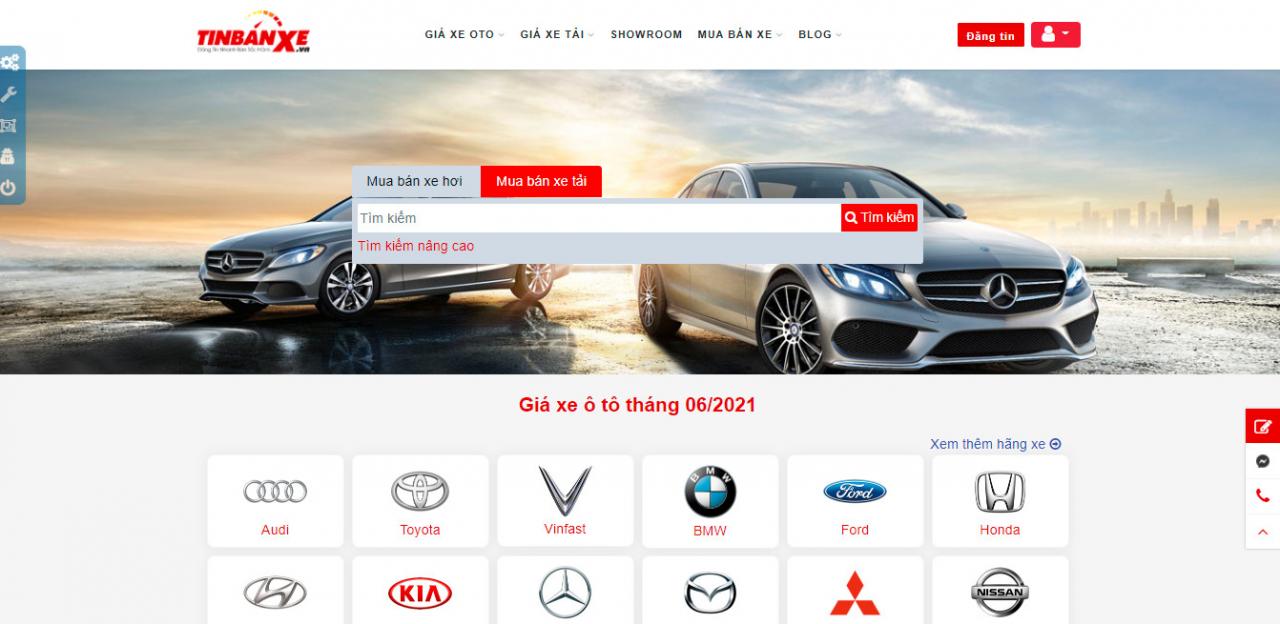
Purchasing directly from a private seller is often the most cost-effective route, offering the greatest potential for savings. Without a dealership’s profit margin to account for, private sellers can often afford to list their vehicles at lower prices. This direct interaction also opens the door for more flexible negotiation, potentially allowing buyers to secure a deal significantly below market value, especially if the seller is motivated for a quick sale.
However, the financial risks associated with private sales are also higher. There’s typically no warranty, “as-is” sales are common, and buyers have limited recourse if issues arise post-purchase. This places a premium on a thorough pre-purchase inspection by an independent mechanic – a critical investment that can save thousands in future repair costs. Financially, a private sale demands greater upfront due diligence but offers the highest potential for immediate savings. It’s a game of risk versus reward, where informed buyers can reap substantial benefits.
Auctions and Repossessions: High Risk, High Reward Opportunities
For the truly financially adventurous, auto auctions (public, dealer-only, or online) and repossession sales can present opportunities for deeply discounted vehicles. These venues often sell cars quickly and with minimal preparation, which translates to lower prices. Government auctions, impound auctions, and bank repossessions frequently list vehicles significantly below retail value.
However, these are high-risk environments. Vehicles are often sold “as-is, where-is” with little to no opportunity for detailed inspection or even a test drive. The financial rewards can be substantial for those who possess mechanical knowledge or who are willing to take on significant risk. This approach is best suited for experienced buyers, mechanics, or those with a robust contingency fund for immediate repairs. For the average consumer, the potential for acquiring a “money pit” can outweigh the initial savings, making it a niche strategy primarily for those with a high tolerance for financial uncertainty.
Smart Financial Strategies for Your Used Car Purchase
Once you’ve identified potential vehicles and selling venues, adopting smart financial strategies throughout the purchasing process is paramount to securing the best deal and protecting your investment.
Pre-Purchase Inspections: An Investment That Pays Off
This cannot be overstressed: a pre-purchase inspection (PPI) by an independent, trusted mechanic is one of the smartest financial investments you can make when buying a used car. For a relatively small fee (typically $100-$200), a mechanic can uncover hidden mechanical issues, signs of past accidents, or deferred maintenance that could easily cost thousands of dollars to repair down the line. A PPI can save you from buying a lemon, or, at minimum, provide leverage for negotiating a lower price to cover identified repair needs. Viewing the PPI as a critical risk management tool, rather than an optional expense, is key to safeguarding your financial well-being.
Financing Options: Securing the Best Rates
Unless you’re paying cash, the way you finance your used car purchase will significantly impact its total cost. Don’t settle for the first loan offer. Shop around for the best interest rates from various lenders:
- Banks and Credit Unions: These are often excellent sources for competitive rates. Credit unions, in particular, are member-owned and frequently offer lower rates and more flexible terms than traditional banks. Get pre-approved before you start car shopping, as this gives you a firm budget and negotiation power with sellers.
- Dealership Financing: While convenient, dealership financing might not always offer the lowest rates. However, they sometimes have special promotions or relationships with various lenders, so it’s worth comparing their offers against your pre-approved loan.
- Online Lenders: A growing number of online platforms specialize in auto loans and can provide quick quotes and competitive rates.
Focus on securing the lowest interest rate and a loan term that aligns with your financial comfort level. A shorter loan term means higher monthly payments but less interest paid overall, saving you money in the long run.
Negotiation Tactics: Maximizing Your Savings
Negotiation is a critical skill for maximizing your savings, whether dealing with a private seller or a dealership.
- Research Market Value: Arm yourself with knowledge. Use sites like Kelley Blue Book (KBB), Edmunds, and NADAguides to determine the fair market value for the specific make, model, year, and mileage of the car you’re interested in. Knowing what similar cars are selling for provides a strong basis for your offer.
- Know Your Walk-Away Price: Before you even start negotiating, decide on the absolute maximum you are willing to pay, and stick to it. This prevents emotional overspending.
- Leverage Information from the PPI: If a pre-purchase inspection reveals minor issues, use these as bargaining chips to justify a lower offer.
- Don’t Be Afraid to Walk Away: If a seller isn’t meeting your price or seems unwilling to negotiate fairly, be prepared to walk away. There are always other cars, and your financial discipline is more important than any single deal.
Understanding Warranties and Service Contracts
When buying a used car, you may be offered an extended warranty or a service contract. From a financial perspective, it’s crucial to understand their value proposition.
- Factory Warranties: Some used cars are still under their original manufacturer’s warranty, which transfers to the new owner. This offers excellent financial protection.
- Certified Pre-Owned (CPO) Warranties: As discussed, CPO vehicles come with extended warranties backed by the manufacturer, offering significant peace of mind but at a higher price point.
- Third-Party Extended Warranties/Service Contracts: These are essentially insurance policies against future repairs. They come at an additional cost and need careful scrutiny. Read the fine print: What exactly is covered? What is excluded? What are the deductibles? How is the claim process handled? For some, the peace of mind is worth the cost, particularly for less reliable brands or models known for expensive repairs. For others, the money might be better saved in an emergency fund to cover potential repairs, avoiding the profit margin built into the warranty itself. Evaluate if the cost of the warranty aligns with the potential financial risk of uncovered repairs for that specific vehicle.
Post-Purchase Financial Planning
Your financial journey with a used car doesn’t end after the purchase. Ongoing financial planning ensures your vehicle remains a valuable asset and not a drain on your resources.
Budgeting for Ongoing Ownership Costs
Beyond the initial purchase, responsible car ownership requires budgeting for recurring expenses:
- Fuel: This can be a significant variable cost. Research the average miles per gallon (MPG) of potential vehicles and factor in your typical driving habits to estimate monthly fuel costs.
- Insurance: Revisit your insurance policy annually to ensure you’re getting the best rates and that your coverage still meets your needs as the car ages.
- Maintenance: Regular oil changes, tire rotations, brake inspections, and other preventative maintenance are crucial for extending your car’s lifespan and preventing more costly repairs down the line. Budget for these routine services.
- Emergency Fund for Repairs: Even with a pre-purchase inspection and smart choices, used cars will eventually require repairs. Maintaining a dedicated emergency fund for vehicle repairs is a non-negotiable aspect of financially sound used car ownership.

Resale Value: Protecting Your Investment
While used cars depreciate slower than new ones, they still depreciate. Taking steps to protect your car’s resale value can lead to a better return when you eventually sell it.
- Maintain Detailed Service Records: A well-documented history of maintenance and repairs adds significant value. It assures future buyers that the car has been properly cared for.
- Keep it Clean: Regular cleaning, both interior and exterior, and addressing minor cosmetic issues (dents, scratches) can significantly improve the car’s appeal and perceived value.
- Avoid Excessive Modifications: While personalizing your car can be fun, highly customized vehicles often appeal to a narrower audience and may not recoup the investment in modifications at resale.
Finding a used car is more than just locating a vehicle; it’s a strategic financial endeavor. By understanding the dynamics of depreciation, meticulously budgeting, leveraging diverse acquisition channels, and implementing smart financial strategies throughout the purchase and ownership process, buyers can secure a reliable vehicle that serves their needs without compromising their financial goals. The used car market is a treasure trove for the financially astute, offering excellent value and the opportunity for truly savvy savings.
aViewFromTheCave is a participant in the Amazon Services LLC Associates Program, an affiliate advertising program designed to provide a means for sites to earn advertising fees by advertising and linking to Amazon.com. Amazon, the Amazon logo, AmazonSupply, and the AmazonSupply logo are trademarks of Amazon.com, Inc. or its affiliates. As an Amazon Associate we earn affiliate commissions from qualifying purchases.