
In the realm of personal finance, understanding the recurring costs associated with owning a vehicle is paramount. Among these, the enigmatic “tune-up” often stands out as a source of confusion and potential financial strain if not properly understood. For many, Jiffy Lube represents a convenient and accessible option for routine car care. However, deciphering “how much a tune-up costs” at such an establishment requires a nuanced look at what constitutes a modern tune-up, Jiffy Lube’s specific service offerings, and how these factors impact your wallet. This article delves into the financial intricacies of vehicle maintenance at Jiffy Lube, providing a clear perspective for the financially savvy car owner.
Understanding the Financial Landscape of Vehicle Tune-Ups
Vehicle maintenance, at its heart, is an ongoing investment. While it represents an immediate expenditure, neglecting it often leads to significantly higher costs down the line in the form of major repairs or premature vehicle replacement. A “tune-up” is a prime example of this financial foresight.
The ‘Why’ Behind the Expense: Investment vs. Cost
For the astute financial planner, viewing a tune-up not merely as a cost but as a crucial investment is key. Regular maintenance, including what was traditionally called a tune-up, plays a pivotal role in preventing unforeseen and often expensive breakdowns. By ensuring components like spark plugs, filters, and fuel systems are functioning optimally, you actively mitigate the risk of engine damage, catalytic converter failure, or other major mechanical issues that could easily run into thousands of dollars.
Beyond preventing catastrophic failures, a well-maintained vehicle also offers tangible financial benefits. Optimal engine performance directly translates to better fuel efficiency. Over the lifespan of a vehicle, even a slight improvement in miles per gallon can accrue substantial savings in fuel costs. Furthermore, a consistently maintained vehicle retains a higher resale value, offering a better return on your initial investment when it’s time to upgrade. From a financial perspective, consistent, proactive maintenance is arguably the most cost-effective approach to vehicle ownership.
What Exactly Constitutes a “Tune-Up” (and Why It Matters for Your Wallet)
The term “tune-up” itself has evolved considerably, and understanding this evolution is critical for managing your finances when seeking vehicle service. Decades ago, a tune-up involved a comprehensive adjustment of mechanical components, including carburetor adjustments, distributor timing, and spark plug gapping. Modern vehicles, with their sophisticated electronic control units (ECUs) and advanced sensors, have largely automated these adjustments.
Today, a “tune-up” is less about manual adjustments and more about preventative maintenance and diagnostic checks. It typically encompasses:
- Spark Plug Replacement: Crucial for efficient combustion and fuel economy.
- Air Filter and Fuel Filter Replacement: Ensuring clean air and fuel delivery, impacting engine performance and longevity.
- PCV (Positive Crankcase Ventilation) Valve Inspection/Replacement: Prevents sludge buildup and maintains emissions efficiency.
- Fuel System Cleaning: Removing deposits that can impede fuel delivery and performance.
- Comprehensive Diagnostics: Checking for engine error codes and sensor readings.
The lack of a standardized definition means that what one service center calls a “tune-up” might differ from another, leading to varying price points. Jiffy Lube, for instance, focuses on individual preventative maintenance services rather than bundling them under a singular “tune-up” label. This distinction is crucial for your budgeting, as you might pay for specific services that collectively form what you perceive as a tune-up, rather than a single, all-encompassing charge.
Jiffy Lube’s Tune-Up Offerings: A Deep Dive into Pricing and Value
Jiffy Lube is renowned for its convenience and speed, primarily focusing on routine maintenance. When considering “tune-up” costs, it’s essential to look at their service menu, which often provides these services à la carte or in specific packages.
Decoding Jiffy Lube’s Service Packages and Associated Costs
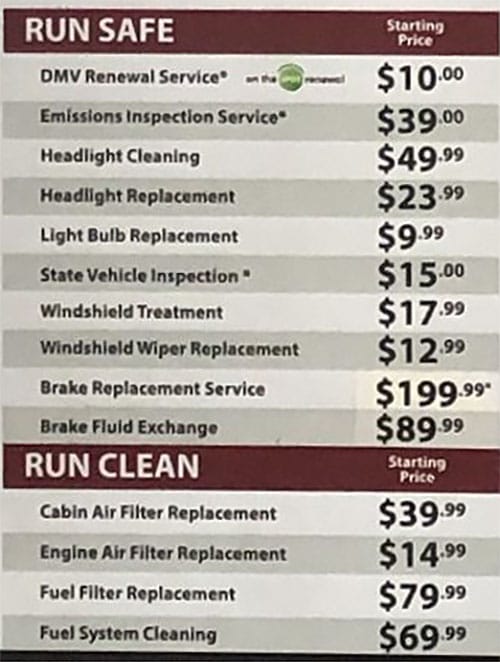
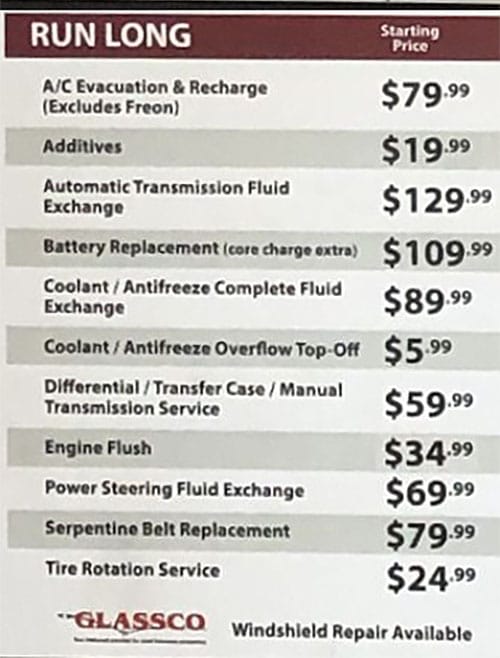
Jiffy Lube’s primary offering is the “Signature Service Oil Change,” which includes a multi-point inspection and fluid top-offs. However, components traditionally associated with a tune-up are offered as separate, add-on services or distinct packages. Understanding the estimated costs for these individual services is key to anticipating your total expenditure:
- Spark Plug Replacement: This is a core component of a modern tune-up. The cost can vary significantly based on the type of spark plugs (copper, iridium, platinum) and the number of cylinders in your engine, as well as the labor involved to access them. Expect an estimated cost range of $100 to $300, or even more for complex engines. This often includes the cost of the plugs themselves and the labor.
- Air Filter Replacement: Relatively inexpensive and quick. Typically ranges from $20 to $50.
- Fuel Filter Replacement: Can vary based on accessibility. Estimated cost: $50 to $150.
- Fuel System Cleaning: Often done with an additive or a more intensive injection cleaning. Ranges from $50 to $150.
- PCV Valve Replacement: Usually a straightforward procedure. Estimated cost: $30 to $100.
It’s important to note that these are estimated price ranges. Actual costs will vary by location, specific vehicle, and current promotions. When visiting Jiffy Lube, you would typically discuss your vehicle’s needs, and they would recommend specific services from their menu that align with what you’re looking for, rather than offering a single “tune-up” price. This allows for greater transparency in what you’re paying for but requires the consumer to be proactive in understanding their vehicle’s needs.
Factors Influencing Your Bill: Beyond the Basic Service
Several variables can impact the final cost of your tune-up services at Jiffy Lube, and being aware of them helps in budgeting effectively.
- Vehicle Make, Model, and Year: Newer vehicles with advanced engine designs (e.g., direct injection, turbochargers) often require more expensive parts (like specialty spark plugs) and more complex labor, leading to higher costs. Certain European luxury brands, for instance, might incur higher part costs and specialized service procedures.
- Geographic Location: Labor rates and operational costs vary significantly across different regions. A Jiffy Lube in a high cost-of-living urban center will likely have higher prices than one in a rural area.
- Promotions and Discounts: Jiffy Lube frequently offers coupons and online discounts for various services. Savvy consumers can significantly reduce their out-of-pocket expenses by checking their website or local circulars before a visit. This is a crucial financial strategy for routine maintenance.
- Additional Recommended Services: During the multi-point inspection that often accompanies an oil change, technicians might identify other maintenance needs (e.g., cabin air filter, serpentine belt, fluid flushes). While these might be legitimate recommendations for your vehicle’s health, it’s vital for financial planning to understand if they are immediate necessities or can be deferred. Always ask for clarification and a detailed explanation of why a service is recommended before approving it.
Evaluating Jiffy Lube Against Other Financial Alternatives
When it comes to vehicle maintenance, Jiffy Lube is just one of several options, each presenting its own financial advantages and disadvantages. A comprehensive financial assessment involves comparing these alternatives.
Dealerships vs. Independent Mechanics vs. Quick-Lube Chains: A Cost-Benefit Analysis
- Dealerships: Typically the most expensive option. They offer brand-specific expertise, manufacturer-certified technicians, and genuine OEM (Original Equipment Manufacturer) parts. While costly, this can be beneficial for complex warranty work or specialized repairs. For a simple tune-up, however, the premium might not be justified financially.
- Independent Mechanics: Often offer competitive pricing, especially for labor, and can provide a more personalized service. They might use aftermarket parts, which can be more affordable. Building a relationship with a trusted independent mechanic can yield long-term financial benefits through honest advice and fair pricing.
- Jiffy Lube/Quick-Lube Chains: Excels in convenience and speed. Their pricing for standard services like oil changes and individual maintenance items (spark plugs, filters) is often transparent and competitive. However, their model is geared towards quick, routine tasks, and they may not have the diagnostic capabilities or specialized expertise for complex “tune-up” issues that an independent mechanic or dealership might handle. For simple, defined maintenance tasks, they offer a strong value proposition rooted in efficiency.
The Hidden Costs and Benefits of Convenience
The financial equation extends beyond just the sticker price. Convenience, for many, holds a monetary value.
- Time is Money: Jiffy Lube’s “drive-through” model means you spend less time waiting, which can be a significant financial benefit for busy professionals or those who cannot easily take time off work for longer service appointments. The opportunity cost of time spent waiting for service is a real financial consideration.
- Potential for Over-servicing: While not exclusive to Jiffy Lube, quick-lube chains are sometimes associated with upselling. Understanding your vehicle’s specific needs and manufacturer’s recommended maintenance schedule is your best defense against unnecessary expenditures. Always request documentation and decline services you deem non-essential or can be done later.
- Warranty Implications: For newer vehicles, ensuring that maintenance is performed according to the manufacturer’s schedule and using appropriate parts is crucial for preserving your warranty. While Jiffy Lube’s services generally meet these requirements, it’s always wise to keep detailed records and confirm any specific part requirements if you’re concerned.
Smart Financial Strategies for Your Vehicle’s Longevity and Your Budget
Managing vehicle maintenance costs, including tune-ups, is an ongoing aspect of sound personal finance. Proactive strategies can save you money and headaches in the long run.
Proactive Maintenance: Your Best Financial Defense
The most effective way to save money on vehicle maintenance is to prevent major problems from occurring. This involves:
- Following Manufacturer’s Schedule: Your vehicle’s owner’s manual contains a detailed maintenance schedule. Adhering to this schedule is your blueprint for maximizing your vehicle’s lifespan and minimizing unexpected repair costs. It outlines when specific services, including those akin to a tune-up, are due.
- Regular Self-Checks: Simple checks like monitoring fluid levels (oil, coolant, brake fluid), tire pressure, and visually inspecting belts and hoses can help you catch minor issues before they escalate into expensive problems.
- Addressing Warning Signs Promptly: Ignoring dashboard warning lights (e.g., “Check Engine” light) or unusual noises/sensations is a recipe for financial disaster. Addressing these issues early can prevent a small problem from damaging other components.
Asking the Right Questions to Manage Your Spending
Before authorizing any service, empower yourself with information:
- Request Detailed Quotes: Always ask for a written quote that itemizes parts and labor costs separately.
- Understand What’s Included: Clarify exactly what services are part of the “tune-up” or specific maintenance package. Will spark plugs be replaced? What kind of plugs? Will the fuel system be cleaned?
- Inquire About Part Quality: Are they using OEM-equivalent parts or aftermarket? This can affect both cost and longevity.
- Ask for Explanations: If additional services are recommended, ask for a clear explanation of why they are needed, what the consequences of deferring them would be, and if they are critical or merely preventative.

Budgeting for Automotive Care
Integrating vehicle maintenance into your overall personal finance budget is essential.
- Set Aside Monthly Funds: Treat vehicle maintenance like any other recurring expense. A general rule of thumb is to budget 1-2% of your vehicle’s value annually for maintenance and repairs, or a fixed amount like $50-$100 per month.
- Emergency Fund for Repairs: Beyond routine maintenance, unexpected repairs can occur. Maintain a separate emergency fund that can cover a significant repair without derailing your other financial goals.
- Track Your Expenses: Keep records of all maintenance performed, including dates and costs. This helps you anticipate future needs, track your spending, and demonstrate a history of good maintenance if you decide to sell the vehicle.
In conclusion, determining “how much a tune-up costs at Jiffy Lube” is less about a single price tag and more about understanding their service model. By knowing what services constitute a modern tune-up, evaluating Jiffy Lube’s offerings against your vehicle’s specific needs, and employing smart financial strategies, you can effectively budget for and manage your vehicle’s long-term health, ensuring both reliability and fiscal responsibility.
aViewFromTheCave is a participant in the Amazon Services LLC Associates Program, an affiliate advertising program designed to provide a means for sites to earn advertising fees by advertising and linking to Amazon.com. Amazon, the Amazon logo, AmazonSupply, and the AmazonSupply logo are trademarks of Amazon.com, Inc. or its affiliates. As an Amazon Associate we earn affiliate commissions from qualifying purchases.