
Identifying the “best” insurance company is less about finding a universal top performer and more about aligning a provider with your specific financial circumstances, risk profile, and coverage requirements. In the realm of personal finance, insurance serves as a critical protective layer, safeguarding assets, income, and overall financial well-being against unforeseen events. Therefore, the optimal choice is inherently subjective, necessitating a thorough and personalized evaluation.
Understanding Your Unique Financial Needs and Risk Profile
Before embarking on the search for an insurance provider, a comprehensive assessment of your personal and financial landscape is paramount. This initial step dictates the types and levels of coverage you require, directly influencing which companies will be most suitable.
Identifying Required Coverage Types
Your life stage, assets, liabilities, and dependants all dictate the necessary insurance types. For a young professional, auto insurance and potentially renters’ insurance might be primary concerns. As one acquires property, homeowners’ insurance becomes essential. With a growing family, life insurance and robust health insurance become non-negotiable financial planning tools. Business owners, conversely, require specialized commercial policies that protect against operational risks, liability, and property damage. Each insurance type – auto, home, life, health, disability, long-term care, and business – has its own set of market leaders and specialty providers. Understanding your precise needs prevents both under-insurance, which can lead to significant financial hardship, and over-insurance, which results in unnecessary premium expenditures.
Assessing Your Personal Financial Landscape
Your financial situation dictates not only the scope of coverage but also your budget for premiums and your tolerance for deductibles. Individuals with substantial savings may opt for higher deductibles to lower monthly premiums, effectively self-insuring a portion of potential losses. Conversely, those with limited emergency funds might prioritize lower deductibles, accepting higher premiums for greater immediate financial protection. Furthermore, considering future financial goals, such as retirement planning or saving for a child’s education, helps in integrating insurance costs into a broader financial strategy, ensuring that protective measures don’t unduly hinder long-term wealth accumulation.
Key Pillars for Evaluating Insurance Providers
Once your needs are clearly defined, the next step involves rigorously evaluating potential insurers across several critical dimensions. This multi-faceted approach ensures that the chosen company not only offers the right products but also delivers on its promises when it matters most.
Financial Stability and Claims Payout Reliability
The bedrock of any reliable insurance company is its financial strength. An insurer’s primary function is to pay out claims, often substantial ones, when covered events occur. A company with robust financial health is better positioned to meet its obligations, even during widespread catastrophic events. Independent rating agencies such as A.M. Best, S&P Global Ratings, Moody’s, and Fitch provide objective assessments of an insurer’s financial solvency. A rating of “A” or higher (e.g., A++, A+, A) from these agencies is generally indicative of excellent financial stability and a strong capacity to meet policyholder obligations. Prioritizing companies with high financial strength ratings is a fundamental financial safeguard, protecting your investment in premiums and ensuring the promised financial security.
Customer Service and Claims Experience
The true test of an insurance company often comes during the claims process. A seamless, efficient, and empathetic claims experience can significantly alleviate stress during an already challenging time. Conversely, a cumbersome or adversarial process can exacerbate financial and emotional burdens. Evaluating an insurer’s customer service involves looking beyond marketing claims. Resources like J.D. Power, Consumer Reports, and various independent consumer review sites offer insights into real-world experiences regarding claims processing, responsiveness, and overall satisfaction. While individual experiences can vary, consistent patterns of positive or negative feedback regarding communication, speed of resolution, and fairness are strong indicators of an insurer’s operational quality. Access to local agents, 24/7 customer support, and user-friendly digital platforms for policy management and claims submission also contribute to a superior customer experience.
Competitive Premiums and Value
While cost is a significant factor in any financial decision, selecting an insurance company based solely on the lowest premium can be a costly mistake. The objective is to find the best value, which balances competitive pricing with comprehensive coverage, reliable service, and strong financial backing. Comparing quotes from multiple providers is essential, but this comparison must extend beyond the bottom-line price. It involves scrutinizing deductibles, policy limits, specific exclusions, and available discounts. Many companies offer discounts for bundling multiple policies (e.g., auto and home), maintaining a good driving record, installing safety features, or paying premiums annually. Understanding these variables allows for an “apples-to-apples” comparison and helps identify a policy that offers robust protection without excessive cost, optimizing your personal finance budget.
Coverage Flexibility and Policy Customization
The “best” company should be able to tailor policies to your specific and evolving needs. This includes offering a wide range of coverage options, endorsements (riders), and add-ons that can customize a standard policy. For example, a homeowner in a flood-prone area will need access to flood insurance, which is typically separate from standard homeowners’ policies. Someone with high-value personal property might require a personal articles floater. Life insurance options can range from term life for temporary needs to whole or universal life for lifelong coverage and cash value accumulation. The ability to adjust deductibles, liability limits, and add specific protections ensures that your policy remains relevant and effective as your financial situation or risk exposure changes, providing dynamic financial protection.
Navigating the Selection Process
Equipped with a clear understanding of your needs and the key evaluation criteria, you can approach the selection process systematically to identify the most suitable insurer.
Leveraging Independent Ratings and Reviews
Beyond financial strength ratings, leverage consumer-focused ratings and reviews. Organizations like J.D. Power publish annual studies on customer satisfaction across various insurance sectors, offering valuable benchmarks. Websites like the National Association of Insurance Commissioners (NAIC) provide complaint data against insurance companies, allowing you to gauge an insurer’s track record for consumer grievances. Aggregating data from multiple independent sources provides a more balanced and reliable picture of an insurer’s performance.
Comparing Quotes and Policy Details
Obtain quotes from at least three to five different insurance companies. Ensure that each quote is for comparable coverage limits, deductibles, and endorsements to facilitate an accurate comparison. Pay close attention to the fine print of each policy: what is included, what is excluded, and under what circumstances claims will be paid. A seemingly cheaper policy might have significant exclusions or higher deductibles that could expose you to greater financial risk down the line. Utilize online comparison tools, but also consider direct contact with agents for more nuanced discussions and clarification on policy specifics.
The Role of Agents vs. Direct Insurers
The choice between working with an independent agent, a captive agent, or a direct insurer also plays a role in the selection process. Independent agents represent multiple companies and can shop around on your behalf, potentially finding you the best rates and coverage across various providers. Captive agents represent only one company (e.g., State Farm, Allstate) and are experts in their specific product lines. Direct insurers (e.g., GEICO, Progressive) allow you to purchase policies directly online or over the phone, often with competitive pricing due to lower overheads. Your preference for personalized advice versus a self-service model, alongside the complexity of your insurance needs, will guide this decision. For complex financial situations or specialized risks, an experienced agent can offer invaluable guidance and advocacy.
Top Contenders and Specialized Providers


While no single company is universally “best,” certain insurers consistently rank high across various metrics or specialize in particular niches. These can serve as starting points for your research, not as definitive answers.
Broad-Market Leaders
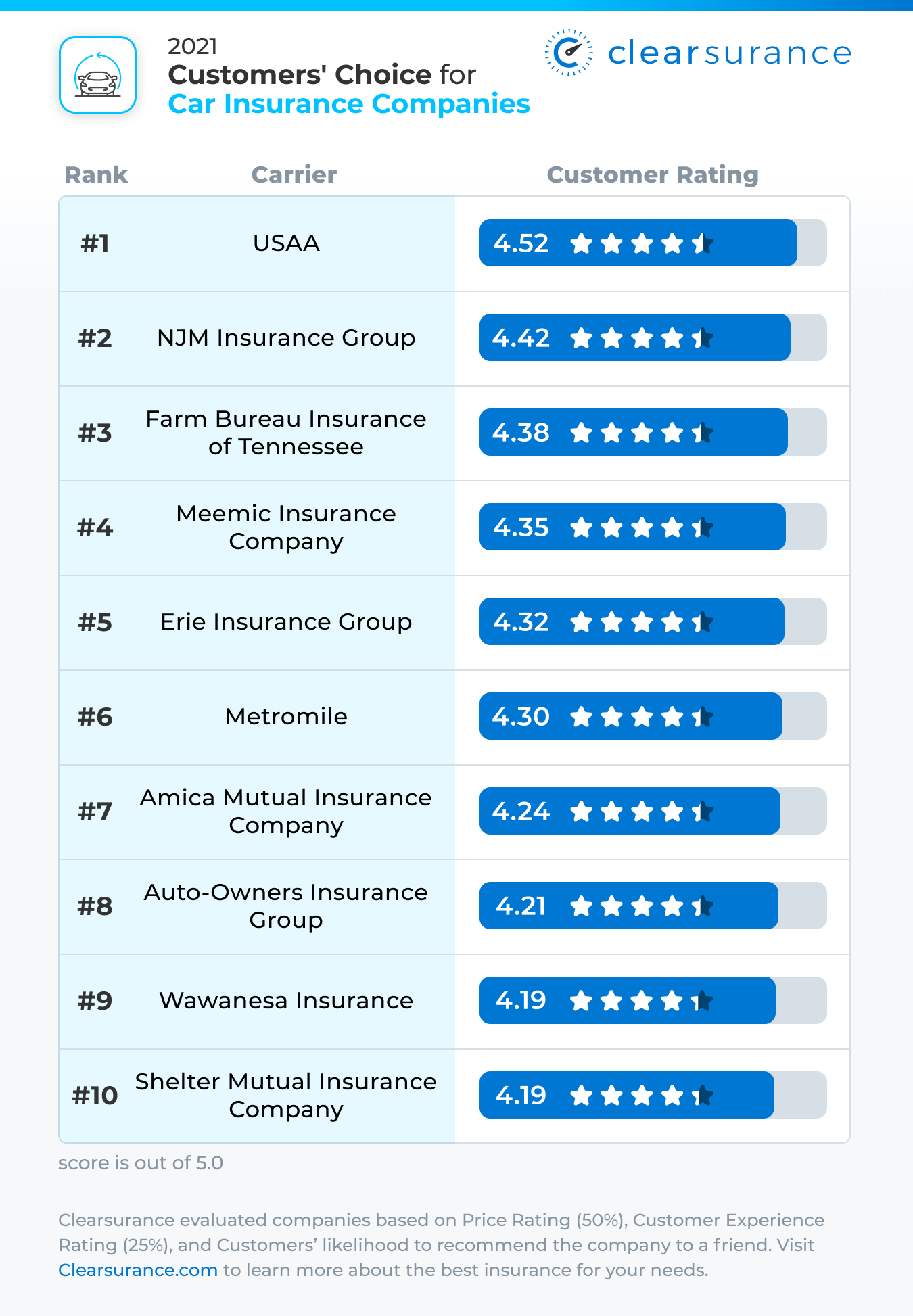
Companies like State Farm, GEICO, Progressive, Allstate, USAA (for military families), Liberty Mutual, Farmers, Nationwide, and Travelers frequently appear in discussions about top auto and home insurance providers due to their widespread availability, comprehensive offerings, and generally strong financial standing. Each has its own strengths; for instance, USAA is renowned for exceptional customer service, while GEICO and Progressive are often competitive on price for certain demographics. Amica Mutual and Erie Insurance also consistently receive high marks for customer satisfaction.
Niche and Specialty Insurers
For specific financial needs, specialized insurers often provide superior coverage. Chubb, for example, is highly regarded for high-net-worth individuals requiring extensive coverage for valuable assets. MetLife and Northwestern Mutual are prominent in the life insurance sector, offering a range of financial planning products alongside life policies. Blue Cross Blue Shield and Kaiser Permanente are major players in health insurance, with varying regional strengths. For high-risk drivers or unique properties, smaller, specialized carriers might offer the only viable solutions, albeit potentially at a higher premium.
Periodic Review and Adaptation
Your “best” insurance company is not a static choice. Your financial life evolves, and so do insurance products and market conditions. What was optimal five years ago may not be today.
Why Your “Best” Can Change
Life events such as marriage, purchasing a home, having children, starting a business, or experiencing significant income changes all warrant a review of your insurance portfolio. Similarly, changes in credit score, driving record, or even where you live can impact premiums. Annually reviewing your policies, comparing them against new quotes, and assessing your ongoing needs ensures that you maintain optimal coverage at the most competitive price, aligning your insurance strategy with your overarching financial goals and continually protecting your wealth effectively.
aViewFromTheCave is a participant in the Amazon Services LLC Associates Program, an affiliate advertising program designed to provide a means for sites to earn advertising fees by advertising and linking to Amazon.com. Amazon, the Amazon logo, AmazonSupply, and the AmazonSupply logo are trademarks of Amazon.com, Inc. or its affiliates. As an Amazon Associate we earn affiliate commissions from qualifying purchases.