
Navigating the world of auto insurance as a new driver often comes with a significant financial hurdle: higher premiums. Insurers, at their core, are in the business of risk assessment. New drivers, by definition, lack a substantial driving history, leading insurance companies to classify them as higher risk. This elevated risk translates directly into higher costs, making it a critical personal finance consideration for individuals and families alike. Understanding the factors that drive these costs and the strategies available to mitigate them is essential for any new driver seeking to manage their financial outlay responsibly.
Understanding the Elevated Cost for New Drivers
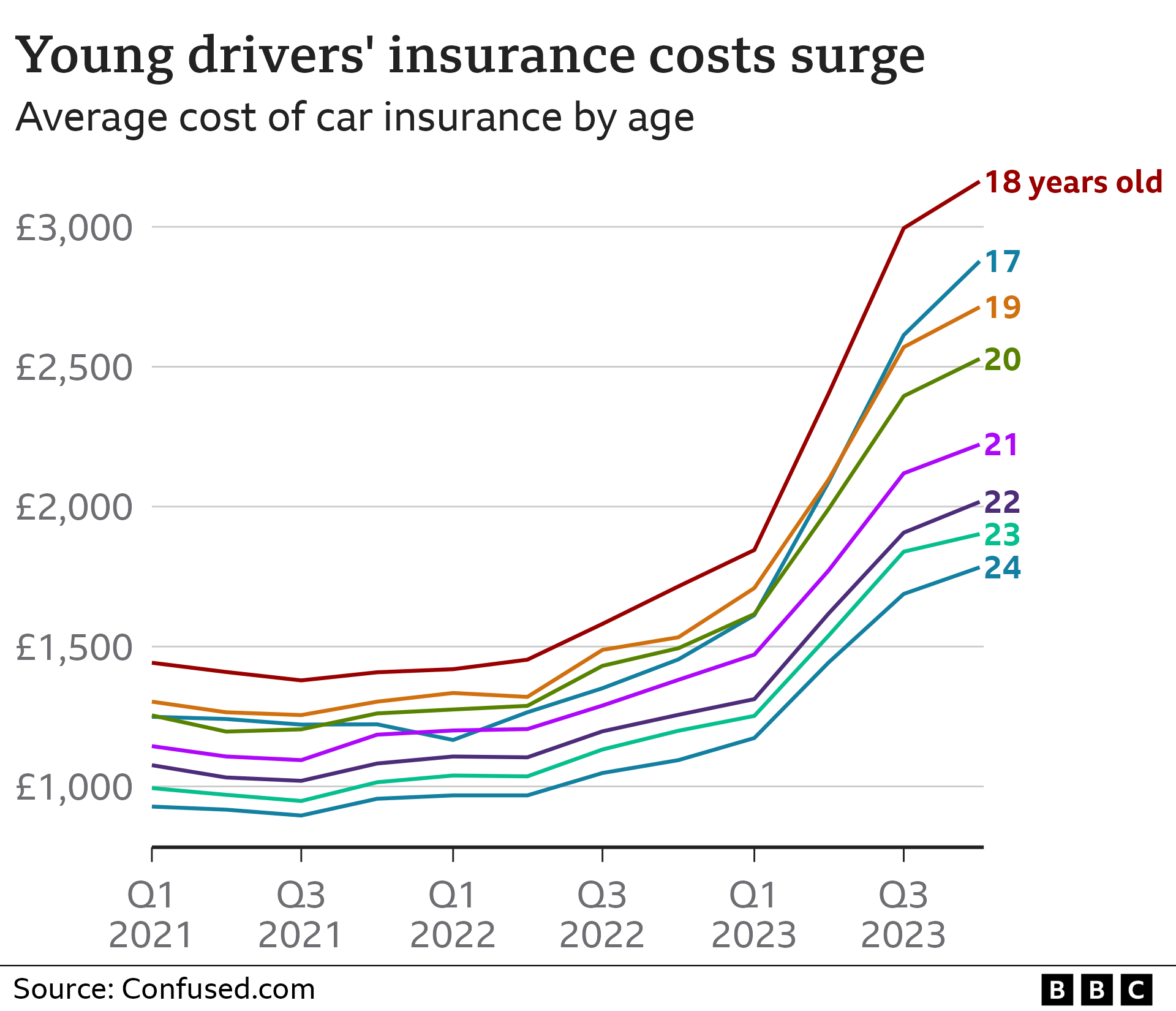
The primary reason new drivers face steeper insurance rates is statistical. Actuarial data consistently shows that inexperienced drivers, particularly teenagers and young adults, are more likely to be involved in accidents than their older, more seasoned counterparts. This isn’t necessarily due to recklessness, but rather a combination of factors including less developed hazard perception, slower reaction times, and a tendency to underestimate risks.
The Core Reason: Risk Assessment
Insurance premiums are essentially a projection of how likely an insurer is to pay out a claim on your behalf. For new drivers, especially those under 25, this probability is higher. Without a proven track record of safe driving, insurers have no choice but to assume a higher baseline risk. This financial modeling drives the initial quoted prices, which can often seem daunting. It’s a purely data-driven approach, designed to balance the insurer’s potential payouts against the revenue generated from premiums.
Age and Inexperience: A Direct Correlation
Age plays a pivotal role. Teenage drivers, particularly those aged 16 to 19, face the highest premiums. This is not solely due to inexperience but also developmental factors that affect judgment and decision-making behind the wheel. As drivers gain more experience and mature, typically reaching their mid-20s, their rates tend to decrease significantly, assuming they maintain a clean driving record. The jump from a newly licensed 16-year-old to a 25-year-old with nine years of incident-free driving can mean thousands of dollars in annual savings, highlighting the long-term financial benefits of safe driving.
Key Factors Influencing New Driver Premiums
Beyond age and experience, a multitude of other factors contribute to the final cost of auto insurance for new drivers. These variables interact in complex ways, making it crucial to understand their individual impact on your financial planning.
Driver-Specific Attributes
- Gender: While some states and companies have moved away from gender-based rating, historically, young male drivers faced higher premiums than young female drivers due to statistical differences in accident rates.
- Academic Performance (for Students): Many insurers offer “good student discounts” to young drivers who maintain a certain GPA. This discount is based on the premise that responsible students are often responsible drivers, representing a lower risk. This is a direct financial incentive to excel academically.
- Driving Record: Even as a new driver, any traffic violations or at-fault accidents, even minor ones from a learner’s permit phase (if reported), can significantly inflate premiums from day one. Maintaining a spotless record is the most impactful long-term strategy for cost reduction.
- Credit Score (in some states): In states where it’s permitted, insurers use a credit-based insurance score as a proxy for financial responsibility. A higher score often correlates with lower premiums, while a poor score can lead to substantially higher costs. This emphasizes the broader financial health implications for insurance affordability.
Vehicle Characteristics
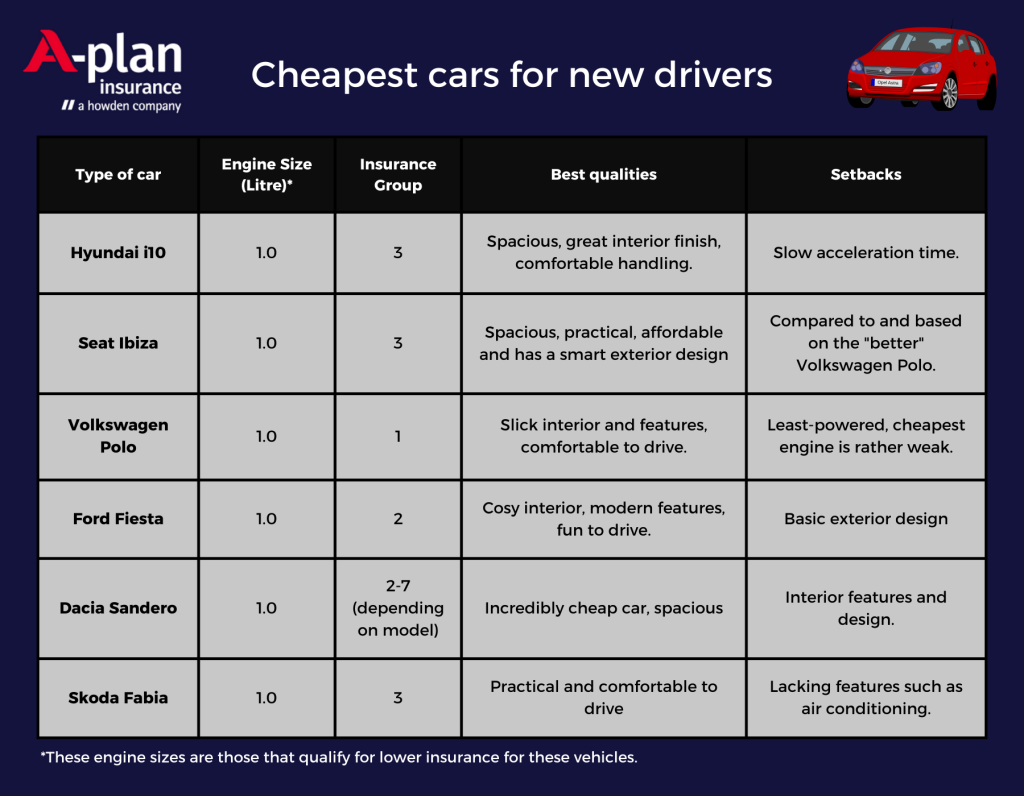
- Make, Model, and Year: The type of car a new driver insures has a profound effect on the premium. Expensive sports cars, luxury vehicles, or cars with high theft rates will cost more to insure due to higher repair costs, replacement values, and theft risks. Conversely, older, safer, and less expensive sedans or SUVs are generally cheaper to insure. Opting for a vehicle with excellent safety ratings can also yield discounts.
- Safety Features: Cars equipped with advanced safety features like automatic emergency braking, lane-keeping assist, and anti-theft devices can sometimes qualify for discounts, as these features reduce the likelihood of accidents or theft.
Geographic Location and Local Risk
Where a new driver lives and parks their car is another significant rating factor. Urban areas with higher traffic density, greater rates of accidents, theft, and vandalism typically result in higher premiums compared to rural or suburban areas. Even within a city, specific zip codes can have vastly different rates based on localized crime statistics and traffic patterns. Moving from one area to another can sometimes lead to an unexpected change in insurance costs, impacting a household’s budget.
Coverage Choices and Deductibles
- Types of Coverage: The more comprehensive your coverage, the higher your premium will be. Mandated minimum liability coverage is the cheapest option but offers minimal protection. Adding collision, comprehensive, uninsured/underinsured motorist, and personal injury protection (PIP) significantly increases the cost but provides crucial financial security in the event of an accident. New drivers must balance affordability with adequate protection.
- Deductibles: The deductible is the amount you pay out-of-pocket before your insurance kicks in for a claim. Choosing a higher deductible (e.g., $1,000 instead of $500) can lower your premium, as it means you’re taking on more of the initial financial risk. However, it’s vital to ensure you have sufficient emergency savings to cover that deductible if an incident occurs.
Strategies to Reduce Auto Insurance Costs for New Drivers
While new drivers face inherent challenges, several proactive financial strategies can help them mitigate high insurance costs. Smart planning and informed decisions can lead to substantial savings.
Leverage Discounts and Programs
- Driver Education Courses: Completing an approved driver’s education course can often qualify a new driver for a discount. This demonstrates a commitment to safe driving practices, which insurers view favorably.
- Good Student Discounts: As mentioned, maintaining good grades can result in savings. Submit proof of academic achievement to your insurer.
- Telematics/Usage-Based Insurance: Many insurers offer programs that monitor driving habits (e.g., speed, braking, mileage) via a mobile app or device. Safe driving can earn discounts, turning good habits into direct financial rewards.
- Bundling Policies: If a new driver is part of a household, bundling auto insurance with other policies like home or renter’s insurance can unlock significant multi-policy discounts for the entire family.
- Loyalty Discounts: Staying with the same insurer over time, especially as a new driver builds a good record, can sometimes lead to loyalty discounts.
Strategic Vehicle Selection
Choosing the right car is one of the most impactful financial decisions for a new driver’s insurance costs. Opt for a vehicle that is:
- Affordable to Repair: Parts availability and labor costs for repairs directly influence collision and comprehensive premiums.
- Has a Good Safety Record: Vehicles with high safety ratings from organizations like the IIHS or NHTSA often come with lower insurance rates, as they protect occupants better in crashes.
- Less Attractive to Thieves: Cars that are commonly stolen have higher comprehensive insurance costs.
- Not a High-Performance Model: Sports cars or vehicles with powerful engines almost universally command higher premiums.
Optimizing Coverage Levels
While cutting coverage too much can be financially risky, new drivers should evaluate their needs carefully:
- Increase Deductibles: If you have adequate emergency savings, opting for a higher deductible can lower your monthly premium.
- Drop Unnecessary Coverage: For older, low-value vehicles, the cost of collision and comprehensive coverage might exceed the car’s actual worth. In such cases, dropping these coverages can save money, but be prepared to pay for any damage out-of-pocket.
- Understand State Minimums vs. Prudent Coverage: While state minimum liability is the cheapest option, it rarely provides enough coverage to protect your assets in a serious accident. Financial advisors generally recommend significantly higher liability limits (e.g., $100,000/$300,000/$100,000) to shield your financial future.
The Power of Comparison Shopping
This is perhaps the single most effective strategy for any driver, especially new ones. Insurance rates vary widely between providers for the exact same coverage. Obtaining quotes from multiple insurers – at least three to five – can uncover significant price differences. Online comparison tools and independent insurance agents can simplify this process, allowing you to find the most competitive rates without sacrificing coverage quality. This disciplined financial habit ensures you’re not overpaying.
Maintain an Impeccable Driving Record
This cannot be overstated. Every traffic ticket, minor violation, or at-fault accident can stay on your record for years, resulting in persistent premium surcharges. A clean driving record is the most powerful asset a new driver can build for long-term insurance affordability. It demonstrates responsibility and directly reduces the insurer’s perceived risk, leading to lower rates over time.
Essential Coverage Types for New Drivers
Understanding the various components of an auto insurance policy is crucial for new drivers to make informed financial decisions and ensure adequate protection.
Liability Coverage: The Non-Negotiable Foundation
Liability insurance is mandatory in almost every state and is the cornerstone of any auto policy. It covers damages you cause to other people or their property in an at-fault accident.
- Bodily Injury Liability: Pays for medical expenses, lost wages, and pain and suffering for others involved in an accident where you are at fault.
- Property Damage Liability: Covers the cost of repairs or replacement of another person’s vehicle or property damaged in an accident you cause.
It’s financially prudent for new drivers to purchase more than just the state minimum liability limits. An accident can quickly exceed minimal coverage, leaving you personally responsible for the remaining costs, which could lead to significant financial strain or even bankruptcy.
Protecting Your Vehicle: Collision and Comprehensive
These coverages protect your own vehicle, regardless of fault (collision) or from non-collision incidents (comprehensive).
- Collision Coverage: Pays for damage to your car resulting from a collision with another vehicle or object, or if you roll over.
- Comprehensive Coverage: Protects your car from events other than collisions, such as theft, vandalism, fire, natural disasters (hail, floods), and impacts with animals.
While optional if you don’t have a car loan or lease, these are often vital for new drivers, as they might not have the funds to repair or replace their vehicle after an incident.
Additional Protective Layers
- Uninsured/Underinsured Motorist (UM/UIM): This coverage protects you and your passengers if you’re hit by a driver who has no insurance or insufficient insurance to cover your damages. Given the number of uninsured drivers on the road, this is a financially wise addition.
- Personal Injury Protection (PIP) or Medical Payments (MedPay): These cover medical expenses for you and your passengers after an accident, regardless of who was at fault. PIP can also cover lost wages and essential services. This is especially important in “no-fault” states.
- Roadside Assistance and Rental Reimbursement: While not essential, these add-ons can provide convenience and financial relief in stressful situations, covering towing costs or providing a rental car while yours is being repaired.
Long-Term Financial Planning and New Driver Insurance
Auto insurance for new drivers is not just an immediate expense but also an investment in their financial future. The habits formed and decisions made early on can have lasting impacts.
Building a Driving History
Every day a new driver drives safely is a step toward lower premiums. Insurers heavily weight continuous coverage and a clean record. As a driver accumulates years of experience without claims or violations, their risk profile improves dramatically, leading to more favorable rates. This is a powerful incentive to drive responsibly from the outset.

Regular Policy Reviews
Insurance needs and market rates change. New drivers should make it a habit to review their policy annually, especially as they gain more experience, get older, or their vehicle depreciates. Re-shopping for quotes every year or two ensures they are always getting the best possible rate for their current circumstances. This proactive financial management can unlock significant savings over the lifetime of their driving career.
aViewFromTheCave is a participant in the Amazon Services LLC Associates Program, an affiliate advertising program designed to provide a means for sites to earn advertising fees by advertising and linking to Amazon.com. Amazon, the Amazon logo, AmazonSupply, and the AmazonSupply logo are trademarks of Amazon.com, Inc. or its affiliates. As an Amazon Associate we earn affiliate commissions from qualifying purchases.