
In the intricate world of personal finance, insurance stands as a fundamental pillar, offering a crucial safety net against unforeseen events. From safeguarding your home and vehicle to protecting your health and life, insurance policies provide peace of mind. However, the cost of these essential protections can often feel like a significant burden on your monthly budget. Many individuals and families grapple with the challenge of balancing comprehensive coverage with affordability, leading to a common quest: “how to get cheaper insurance.”
This article delves into the strategies, insights, and actionable steps you can take to reduce your insurance premiums without compromising the vital protection you need. By understanding the underlying mechanics of insurance pricing, proactively seeking out opportunities for savings, and maintaining smart financial habits, you can significantly lower your insurance expenditures, freeing up capital for other financial goals.
Understanding the Factors That Influence Your Premiums
Before embarking on the journey to reduce your insurance costs, it’s crucial to understand the myriad factors that insurance companies consider when calculating your premiums. This insight empowers you to identify areas where you might have leverage for savings. Insurers are essentially assessing risk, and your premium reflects the likelihood and potential cost of a claim you might make.
Personal Profile and Demographics
Your personal details play a significant role. For auto insurance, factors like your age, driving history (accidents, violations), marital status, and even gender (in some regions) can influence rates. Younger, less experienced drivers typically pay more, as do those with a history of infractions. For health insurance, age and pre-existing conditions are major determinants. Life insurance premiums are heavily influenced by age, health, and lifestyle choices such as smoking. Home insurance considers your claims history as a homeowner, similar to how auto insurers view driving records.
Coverage Choices and Limits
The type and amount of coverage you select directly impact your premium. Opting for higher liability limits, comprehensive coverage for vehicles, or extensive riders on a homeowner’s policy will naturally result in higher costs. While it’s tempting to cut back on coverage to save money, it’s vital to strike a balance. Insufficient coverage can expose you to devastating financial losses in the event of a major incident. Understanding the minimum requirements and strategically assessing what additional coverage provides genuine value is key.
Risk Assessment by Underwriters
Insurance companies employ sophisticated algorithms and underwriters to assess risk. For property insurance, factors like the age and construction of your home, its proximity to fire hydrants and fire stations, and local crime rates are analyzed. Vehicle type, safety features, and even the model’s theft rate contribute to auto insurance costs. Health and life insurance delve into medical history, family health history, occupation, and recreational activities that might pose a higher risk. The more risk an insurer perceives, the higher the premium.
External and Environmental Factors
Beyond your personal profile and coverage choices, broader external factors also play a part. Geographic location significantly impacts premiums across all types of insurance. Areas prone to natural disasters (floods, hurricanes, earthquakes), high crime rates, or dense populations often see higher property and auto insurance costs. Economic conditions, such as inflation and the cost of repairs, can also influence rates, as can changes in local laws and regulations. While you have less control over these macro factors, being aware of them helps contextualize premium fluctuations.
Strategic Shopping and Comparison Tactics
The most immediate and often most effective way to secure cheaper insurance is through diligent research and strategic comparison. The insurance market is highly competitive, and prices for identical coverage can vary significantly between providers.
The Power of Multiple Quotes
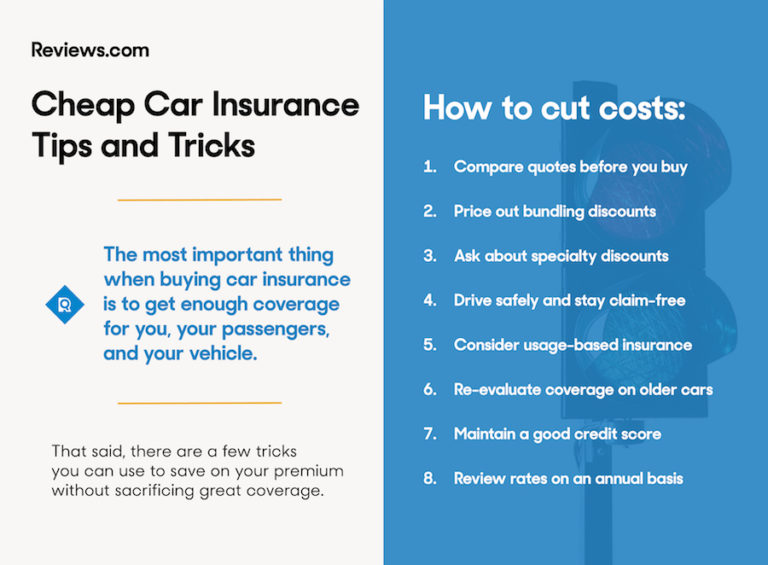
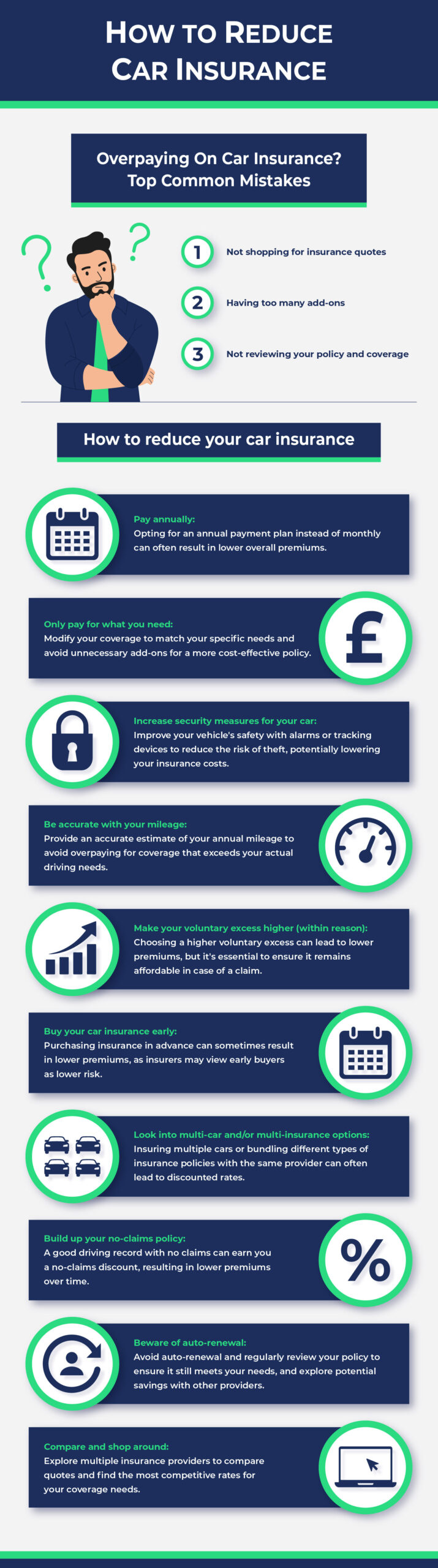
Never settle for the first insurance quote you receive. Always obtain quotes from at least three to five different insurance providers. Use online comparison tools, independent insurance brokers, and direct company websites to cast a wide net. This seemingly simple step can uncover substantial savings, as each insurer has its own underwriting criteria, risk appetite, and pricing models. What one insurer considers high risk, another might view more favorably, leading to vastly different premiums. Make sure you are comparing identical coverage limits, deductibles, and endorsements to ensure an apples-to-apples comparison.
Bundling Benefits for Discounts
Many insurance companies offer significant discounts if you purchase multiple policies from them. This is commonly known as “bundling.” For instance, combining your auto and home insurance, or home and life insurance, with the same provider can often lead to savings of 10-25% or even more on your total premiums. Inquire about multi-policy discounts when getting quotes. While bundling can be convenient and cost-effective, remember to still compare the bundled price against individual policies from different providers to ensure it’s truly the best deal.
Adjusting Your Deductibles
A deductible is the amount of money you must pay out-of-pocket before your insurance coverage kicks in. Generally, opting for a higher deductible will lower your monthly or annual premium, as you are taking on more of the initial financial risk yourself. This strategy is particularly effective for those with a robust emergency fund who can comfortably cover a higher out-of-pocket expense if a claim arises. For example, increasing your auto insurance deductible from $500 to $1,000 could result in significant premium reductions. Assess your financial comfort level and risk tolerance before making this adjustment.
The Role of Your Credit Score
In many states (though not all), insurance companies use credit-based insurance scores as a factor in determining premiums, particularly for auto and home insurance. Insurers believe that individuals with higher credit scores tend to file fewer claims, making them less risky to insure. Maintaining a good credit score—by paying bills on time, keeping credit utilization low, and not opening too many new credit accounts—can positively impact your insurance rates. Regularly check your credit report for errors and work on improving your score as part of a broader financial wellness strategy.
Maintaining a Sterling Claims Record
A clean claims history is one of the most powerful determinants of lower insurance premiums. Every time you file a claim, it signals a higher risk to insurers, potentially leading to increased rates upon renewal. For minor incidents, it might be more financially prudent to pay out-of-pocket rather than filing a claim, especially if the cost is close to your deductible. Be judicious about when you file a claim, reserving it for significant losses. Over time, a history of no claims will reward you with lower premiums and access to better loyalty discounts.
Harnessing Available Discounts and Programs
Beyond foundational strategies, numerous specific discounts and programs exist that can further reduce your insurance costs. Actively inquiring about and qualifying for these can unlock substantial savings.
Loyalty and Multi-Policy Incentives
As mentioned, bundling policies is a major discount driver. Additionally, many insurers reward customer loyalty. If you’ve been with the same company for several years without claims, ask about loyalty discounts. Sometimes, simply having multiple family members insured under the same policy can also trigger savings. Don’t assume your insurer will automatically apply all eligible discounts; sometimes you need to ask.
Safety and Security Upgrades
Investing in preventative measures for your home and vehicle can yield tangible insurance savings. For home insurance, installing a monitored alarm system, smoke detectors, carbon monoxide detectors, deadbolt locks, or impact-resistant roofing can qualify for discounts. Auto insurers often offer breaks for vehicles equipped with anti-theft devices, anti-lock brakes, airbags, and other advanced safety features. Upgrading these aspects not only enhances your safety but also directly contributes to lower premiums.
Performance-Based Discounts (e.g., Good Driver/Student)
Many auto insurers offer discounts for maintaining a clean driving record over a specified period (e.g., 3-5 years without accidents or tickets). If you have young drivers in your household, look for “good student” discounts, which reward academic achievement. Completing a defensive driving course can also lead to discounts, especially for mature drivers or those looking to offset points on their license. These discounts encourage responsible behavior and acknowledge reduced risk.
Telematics and Usage-Based Insurance (UBI)
The advent of technology has introduced telematics programs, where insurers offer discounts to drivers who allow their driving habits to be monitored via a small device plugged into their car or a smartphone app. These “usage-based insurance” (UBI) programs track factors like mileage, braking habits, acceleration, and time of day driven. Safe drivers who opt into these programs can often see significant discounts (up to 30% or more) as their premiums are personalized based on actual driving behavior rather than general statistics.
Group and Affinity Programs
Check if your employer, professional association, alumni group, or union offers any group insurance programs. These affinity groups often negotiate discounted rates with insurance providers for their members, covering auto, home, and even health insurance. These programs leverage the collective buying power of the group to secure more favorable terms than individuals could achieve on their own.
Optimizing Your Coverage for Maximum Value
Simply getting a lower premium isn’t always the full picture; ensuring your coverage is right-sized for your current needs can prevent you from overpaying for unnecessary protection or underpaying for critical risks.
Regular Policy Reviews
Your life circumstances are not static, and neither should your insurance policies be. Conduct an annual review of all your insurance policies. Have you sold a car? Paid off your mortgage? Are your children now independent? Has your home’s value changed? These shifts can significantly alter your insurance needs. For instance, if your car is older and has depreciated significantly, you might consider dropping comprehensive or collision coverage to save money, assuming the cost of repairs or replacement wouldn’t be financially devastating.
Eliminating Redundant or Unnecessary Coverage
Carefully examine your policies to identify any overlaps or coverage you no longer need. For example, if you have robust health insurance, you might not need a separate travel insurance policy with extensive medical coverage for domestic trips. If your homeowner’s policy includes coverage for certain valuables, you might not need an additional rider unless those items exceed the standard limits. Don’t pay for protection you already have or no longer require.
Understanding Policy Specifics and Exclusions
It’s vital to read and understand the fine print of your policies. Knowing what is covered, what isn’t, and the specific conditions for claims can prevent costly surprises. For example, many standard homeowner’s policies do not cover flood or earthquake damage, requiring separate policies. Being aware of these exclusions allows you to decide if you need to purchase additional specific coverage or if you can accept the risk. This knowledge helps you tailor your insurance portfolio more precisely.
Strategic Considerations for Health Insurance (e.g., HSAs)
For health insurance, consider high-deductible health plans (HDHPs) combined with Health Savings Accounts (HSAs) if you are generally healthy. While HDHPs have higher deductibles, their premiums are typically lower. The HSA allows you to save money tax-free for future medical expenses, grow it tax-free, and withdraw it tax-free for qualified medical costs. This strategy can lead to significant long-term savings on healthcare costs and premiums, especially if you manage your health proactively.
Cultivating Long-Term Financial Habits for Sustained Savings
Achieving cheaper insurance isn’t just about quick fixes; it’s about embedding smart financial habits into your lifestyle that yield sustainable savings over time.
Building a Robust Emergency Fund
A well-funded emergency fund is perhaps the most underrated tool for saving on insurance. By having 3-6 months’ worth of living expenses saved, you gain the financial flexibility to absorb unexpected costs, like a minor car repair or a home issue, without needing to file an insurance claim. This allows you to opt for higher deductibles, knowing you can cover them, and avoid filing small claims that could raise your premiums in the long run.
Annual Premium Payments
If your budget allows, paying your insurance premiums annually rather than monthly or quarterly can often result in a discount. Many insurers charge administrative fees or interest for installment payments. By paying in one lump sum, you can often save 3-5% on your total premium, which adds up over multiple policies and years.
Investing in Preventative Measures (Home & Auto)
Proactive maintenance and safety measures extend beyond just qualifying for discounts; they reduce the likelihood of needing to file a claim in the first place. Regularly servicing your vehicle, maintaining your home (e.g., clearing gutters, trimming trees, checking pipes), and ensuring all safety systems are up to date can prevent minor issues from escalating into major, costly claims. A well-maintained property and vehicle are less prone to damage and can indirectly lead to fewer claims and lower premiums over time.

Enhancing Financial Literacy and Proactiveness
Ultimately, being an informed and proactive consumer is your most powerful asset. Stay abreast of changes in the insurance market, understand your policies thoroughly, and regularly reassess your needs. Don’t hesitate to ask questions, challenge your insurer, or seek advice from trusted financial advisors. The more you know and the more proactive you are in managing your financial well-being, the better equipped you’ll be to secure the best possible insurance rates without sacrificing essential protection.
In conclusion, getting cheaper insurance is a multi-faceted endeavor that combines understanding premium drivers, strategic shopping, leveraging discounts, optimizing coverage, and maintaining sound financial habits. By adopting these strategies, you can significantly reduce your insurance costs, ensuring that your financial safety net is both robust and affordable.
aViewFromTheCave is a participant in the Amazon Services LLC Associates Program, an affiliate advertising program designed to provide a means for sites to earn advertising fees by advertising and linking to Amazon.com. Amazon, the Amazon logo, AmazonSupply, and the AmazonSupply logo are trademarks of Amazon.com, Inc. or its affiliates. As an Amazon Associate we earn affiliate commissions from qualifying purchases.