
In the complex landscape of personal finance, auto insurance stands as a significant and often unavoidable expense for vehicle owners. While it’s a critical component of financial protection, ensuring compliance and safeguarding against unforeseen events, the cost can vary dramatically. Many drivers simply renew their policies year after year, unaware of the myriad strategies available to significantly reduce their premiums without compromising essential coverage. This guide delves into the intricate world of auto insurance, offering professional insights and actionable steps to help you navigate the market, optimize your policy, and ultimately save a substantial amount of money.
The journey to cheaper auto insurance isn’t about cutting corners; it’s about making informed decisions, understanding the factors that influence your rates, and proactively seeking out the best value. From leveraging technology to mastering the art of comparison shopping, we’ll explore proven methods that put more money back into your pocket, allowing you to allocate those savings towards other financial goals or simply enjoy a greater sense of financial freedom.
Understanding the Drivers of Auto Insurance Costs
Before embarking on a quest for cheaper auto insurance, it’s crucial to grasp the fundamental elements that dictate your premium. Insurance companies employ sophisticated algorithms to assess risk, and your premium is a direct reflection of their calculated likelihood of you filing a claim, and the potential cost of that claim. Understanding these variables empowers you to identify areas where you might influence your rates.
Factors Insurers Consider
Insurance providers analyze a wide array of personal and vehicle-specific data points to determine your risk profile. These factors are not arbitrary; they are statistically correlated with the probability and severity of accidents or other insurance claims.
- Age and Driving Experience: Younger, less experienced drivers typically face higher premiums due to a statistically higher incidence of accidents. As drivers mature and gain more experience without incidents, rates tend to decrease.
- Driving Record: This is perhaps the most significant individual factor. A history of accidents, traffic violations (speeding tickets, DUIs), or other infractions signals higher risk to insurers, leading to elevated rates. Conversely, a clean driving record is consistently rewarded with lower premiums.
- Credit Score (in most states): Many insurers use a credit-based insurance score as a predictor of future claims. Studies suggest a correlation between higher credit scores and a lower likelihood of filing claims. While controversial, this practice is widespread in many U.S. states.
- Vehicle Type: The make, model, year, and safety features of your car play a major role. Expensive, high-performance, or frequently stolen vehicles generally cost more to insure. Cars with advanced safety features (e.g., anti-lock brakes, airbags, collision avoidance systems) may qualify for discounts.
- Location: Where you live and park your car significantly impacts your rates. Urban areas with higher traffic density, greater crime rates (theft, vandalism), and more accidents typically have higher premiums than rural or suburban areas.
- Annual Mileage: The more you drive, the higher your exposure to risk. Drivers who commute long distances or use their cars extensively often pay more than those with low annual mileage.
- Marital Status: Statistically, married individuals tend to have fewer accidents than single drivers, leading to potentially lower rates.
The Impact of Coverage Choices
Beyond your personal profile, the type and extent of coverage you choose are primary determinants of your premium. Auto insurance isn’t a one-size-fits-all product; it’s a customizable suite of protections.
- Liability Coverage: This is the foundational coverage, legally required in most places. It covers damages (bodily injury and property damage) you cause to others in an accident. Higher limits offer greater protection but come with a higher cost.
- Collision Coverage: Pays for damage to your own vehicle resulting from a collision with another car or object, regardless of fault. This is optional but highly recommended for newer or financed vehicles.
- Comprehensive Coverage: Covers non-collision-related damage to your car, such as theft, vandalism, fire, natural disasters, or hitting an animal. Also optional.
- Deductibles: For collision and comprehensive coverage, a deductible is the amount you pay out-of-pocket before your insurance kicks in. A higher deductible typically means a lower premium, as you’re assuming more of the initial risk.
- Additional Coverages: Options like uninsured/underinsured motorist, medical payments, personal injury protection (PIP), roadside assistance, and rental car reimbursement add to your premium but provide valuable protection. Evaluating which of these are truly necessary for your situation is key to managing costs.
Proactive Strategies for Reducing Your Premiums
Armed with an understanding of how premiums are calculated, you can now implement proactive strategies to actively lower your costs. The most effective approach often involves a combination of these tactics.
The Power of Comparison Shopping
This is arguably the single most impactful strategy for reducing auto insurance costs. Insurance rates are highly competitive and can vary by hundreds or even thousands of dollars between providers for the exact same coverage.
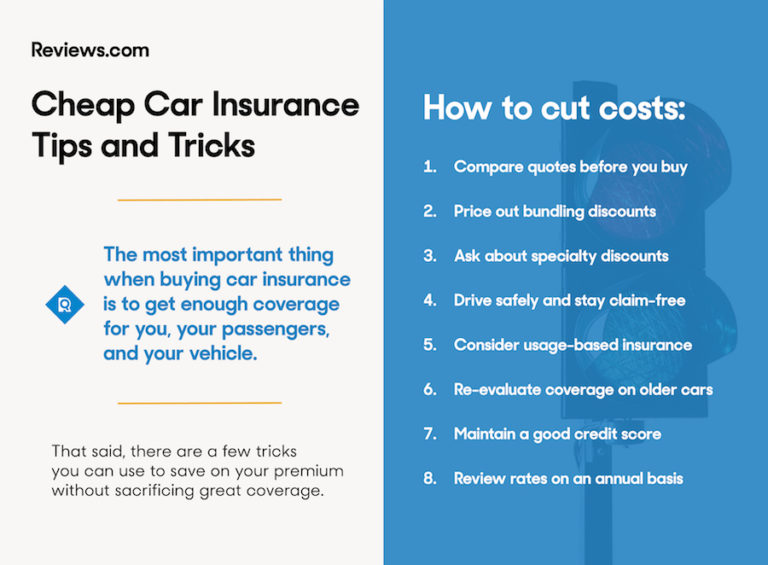
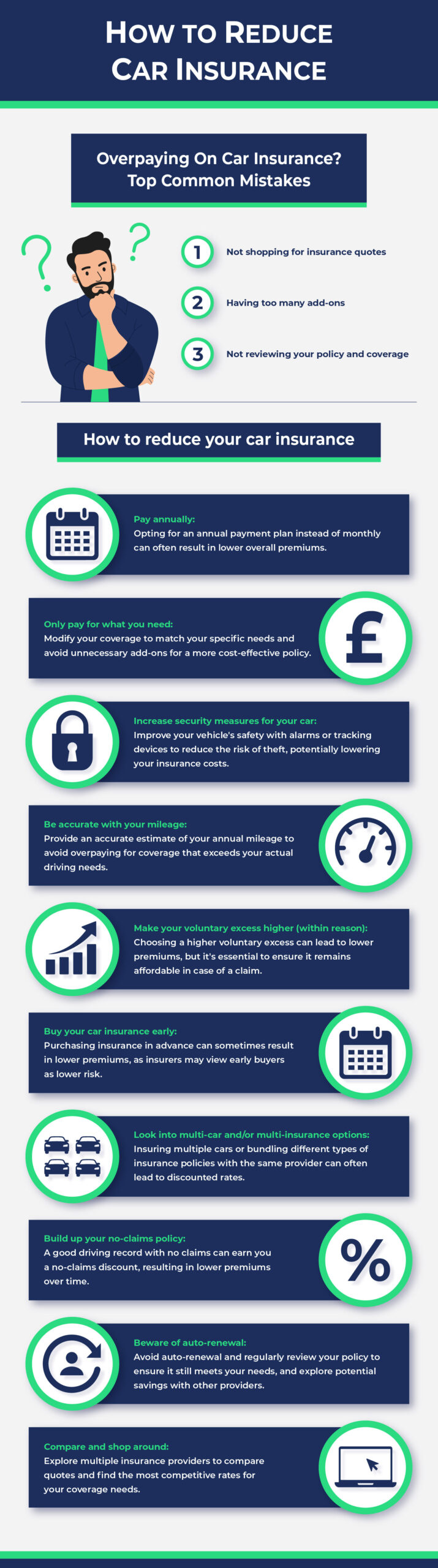
- Gather Multiple Quotes: Don’t settle for the first quote you receive, or simply renew with your existing provider out of convenience. Make it a habit to get quotes from at least three to five different insurance companies annually, or whenever your policy is up for renewal.
- Utilize Online Comparison Tools: Many websites allow you to enter your information once and receive multiple quotes from various insurers simultaneously, streamlining the process significantly.
- Consult Independent Insurance Agents: Unlike captive agents who work for a single company, independent agents can shop around for you among several different insurers, helping you find the best rates and coverage options tailored to your needs. They often have access to policies and discounts that might not be advertised widely.
- Be Thorough and Accurate: When getting quotes, ensure you provide consistent and accurate information to each insurer to facilitate true apples-to-apples comparisons. Slight discrepancies can lead to misleading quotes.
Bundling and Multi-Policy Discounts
Insurance companies love loyalty, and they often reward customers who consolidate multiple policies with them. This is a simple yet highly effective way to unlock significant savings.
- Home and Auto Bundling: If you own a home or rent an apartment, inquire about bundling your auto insurance with your homeowner’s or renter’s insurance policy. Many major insurers offer substantial discounts for this combination, sometimes up to 15-25% off your total premium.
- Multi-Car Discounts: If your household has more than one vehicle, insuring them all under the same policy with the same provider will almost always result in a discount compared to insuring them separately. This is a common and easy-to-obtain saving.
- Other Policy Bundles: Some insurers also offer discounts for bundling auto insurance with life insurance, umbrella policies, or even business insurance. It’s always worth asking your agent about all available bundling options.
Leveraging Technology: Telematics and Usage-Based Insurance
The rise of telematics technology has introduced a new paradigm in auto insurance, allowing premiums to be based more on actual driving behavior rather than just demographics.
- How It Works: Telematics programs (often called “usage-based insurance” or UBI) involve installing a small device in your car or using a smartphone app that monitors your driving habits. This includes factors like mileage, speed, hard braking, rapid acceleration, and the time of day you drive.
- Benefits: If you are a safe driver, these programs can lead to significant discounts, sometimes up to 30% or more. Insurers use the data to assess your individual risk more accurately, rewarding those with responsible driving habits.
- Considerations: While beneficial for safe drivers, less cautious drivers might see their rates increase or find they don’t qualify for discounts. There are also privacy concerns for some drivers regarding the collection of their driving data. However, for many, the potential savings outweigh these concerns. It’s an excellent option for those confident in their driving skills and looking for personalized rates.

Optimizing Your Policy for Maximum Savings
Beyond the initial comparison and bundling, there are specific adjustments you can make to your existing or prospective policy to further reduce costs. These tactics often involve a balance between potential savings and your personal tolerance for risk.
Adjusting Deductibles and Coverage Limits
Your deductible for collision and comprehensive coverage directly impacts your premium. Strategically modifying this figure can lead to immediate savings.
- Increase Your Deductible: If you have a healthy emergency fund, consider raising your deductible from, say, $500 to $1,000 (or even higher). A higher deductible means you pay more out-of-pocket in the event of a claim, but your monthly or annual premium will decrease significantly. Just ensure you can comfortably afford your chosen deductible should an incident occur.
- Know When to Drop Collision and Comprehensive: For older vehicles with low market value, the cost of collision and comprehensive coverage might exceed the potential payout. If your car is worth less than, for example, $3,000-$5,000, and you can afford to replace it out-of-pocket, dropping these coverages can save you a substantial amount. Always weigh the premium cost against the vehicle’s actual cash value.
- Review Liability Limits: While it’s generally advisable to have robust liability coverage to protect your assets, ensure your limits align with your financial situation. If you’ve accumulated significant wealth, you might consider an umbrella policy for added protection beyond standard auto liability limits, rather than just continually increasing basic auto liability.
Unlocking a Plethora of Discounts
Most insurance companies offer a wide array of discounts, but they won’t always apply them automatically. It’s your responsibility to inquire about and qualify for every possible discount.
- Good Driver/Accident-Free Discount: If you’ve maintained a clean driving record for a certain period (e.g., three or five years), you likely qualify for this significant discount.
- Good Student Discount: High school or college students who maintain a certain GPA (e.g., B average or 3.0) can often receive discounts, especially if they are on a parent’s policy.
- Anti-Theft and Safety Feature Discounts: Cars equipped with anti-lock brakes, airbags, daytime running lights, automatic seat belts, or anti-theft devices (alarms, tracking systems) are often eligible for discounts.
- Defensive Driving Course Discount: Completing an approved defensive driving course can not only refresh your skills but also earn you a discount, especially if you’ve had minor infractions in the past.
- Payment Discounts:
- Pay-in-Full Discount: Paying your entire six-month or annual premium upfront often comes with a discount, as it reduces administrative costs for the insurer.
- Auto-Pay/Electronic Funds Transfer (EFT) Discount: Setting up automatic payments from your bank account can also lead to minor savings.
- Paperless Discount: Opting for electronic documents and communication can also net a small discount.
- Low Mileage Discount: If you don’t drive much, you might qualify for a discount based on your annual mileage.
- Occupational/Affinity Discounts: Some insurers offer discounts for members of certain professional organizations, alumni associations, or employee groups.
Improving Your Financial Profile
Your overall financial health can subtly influence your insurance premiums, particularly your credit score.
- Improve Your Credit Score: In states where it’s permitted, a strong credit score can significantly impact your auto insurance rates. Paying bills on time, reducing debt, and maintaining a healthy credit history can lead to lower premiums over time. Regularly check your credit report for errors that might be affecting your score.
- Maintain Continuous Coverage: Lapses in auto insurance coverage can lead to higher premiums when you seek new coverage. Insurers view drivers without continuous coverage as higher risk. Even if you’re not driving, maintaining a non-owner policy or ensuring your vehicle is still covered can prevent future premium hikes.
Long-Term Habits for Sustainable Savings
Saving money on auto insurance isn’t just about one-time actions; it’s also about cultivating habits that will consistently keep your premiums low over the long haul. These strategies focus on proactive management and wise financial choices that resonate throughout your driving career.
Driving Safely and Maintaining a Clean Record
This is the most fundamental and enduring way to keep your insurance costs down. Your driving record is a direct reflection of your risk profile.
- Avoid Accidents and Violations: Every accident, speeding ticket, or moving violation carries a financial penalty in the form of increased insurance premiums for several years. Focus on defensive driving, adhere to traffic laws, and avoid distractions behind the wheel.
- Consider a Dash Cam: A dash camera can be a valuable tool to prove your innocence in the event of an accident, potentially preventing a claim from being counted against your record and saving you from higher premiums.
- Remediate Minor Infractions: If you receive a minor traffic ticket, look into options like traffic school or deferred adjudication programs that might prevent the infraction from appearing on your driving record and impacting your insurance rates.
Regular Policy Reviews
Your life changes, and so should your insurance policy. What was optimal a few years ago might not be the best fit today.
- Annual Check-ups: Make it a habit to review your auto insurance policy at least once a year, preferably before renewal. This is the perfect time to:
- Re-evaluate Coverage: Do you still need collision and comprehensive on your older car? Has your financial situation changed, necessitating higher or lower liability limits?
- Update Information: Have you changed jobs (affecting mileage)? Moved to a new neighborhood? Gotten married? All these life events can impact your rates.
- Inquire About New Discounts: Insurance companies frequently introduce new discounts. Your annual review is a good time to ask your agent if any new savings opportunities have become available.
- Major Life Events: Any significant life change – buying a new car, getting married, having a new driver in the household, or moving – should prompt an immediate review of your insurance policy. These events often trigger changes in rates and coverage needs.
Choosing Insurable Vehicles
The decision of which car to buy has long-term implications for your auto insurance costs. This is an upfront financial decision that pays dividends.
- Research Insurance Costs Before You Buy: Before falling in love with a specific make and model, get insurance quotes for it. Some vehicles, particularly those known for high theft rates, expensive parts, or powerful engines, can be significantly more costly to insure.
- Consider Safety Ratings: Vehicles with higher safety ratings often qualify for lower premiums because they are less likely to result in severe injuries (reducing bodily injury claims) and may also incur less damage in minor accidents.
- Avoid Modifying Your Vehicle: Aftermarket modifications, especially performance enhancements or expensive aesthetic changes, can increase your insurance costs. If you do modify your car, ensure your insurer is aware, as not disclosing them could void parts of your coverage.
By systematically applying these strategies and maintaining a financially savvy approach to your auto insurance, you can transform this recurring expense from a burden into a manageable and optimized line item in your personal budget. The effort invested in understanding and actively managing your policy will yield tangible financial rewards, proving that cheaper auto insurance is not just a dream, but an achievable reality for the informed driver.
aViewFromTheCave is a participant in the Amazon Services LLC Associates Program, an affiliate advertising program designed to provide a means for sites to earn advertising fees by advertising and linking to Amazon.com. Amazon, the Amazon logo, AmazonSupply, and the AmazonSupply logo are trademarks of Amazon.com, Inc. or its affiliates. As an Amazon Associate we earn affiliate commissions from qualifying purchases.