
For most drivers, car insurance represents a significant, recurring financial commitment, yet it’s an indispensable component of responsible vehicle ownership. Far from a mere luxury, adequate car insurance is a legal mandate in almost every state and a crucial layer of financial protection against the unforeseen costs of accidents, theft, or natural disasters. Understanding the intricate web of factors that determine your premium is the first step toward not only finding affordable coverage but also ensuring you have the right protection for your specific needs. This article delves deep into the financial mechanics of car insurance, empowering you with the knowledge to navigate the market effectively, secure optimal rates, and integrate this essential expense seamlessly into your personal finance strategy.
Understanding the Core Factors Influencing Your Premium
The seemingly arbitrary figure you receive for your car insurance quote is, in fact, the result of a sophisticated algorithmic assessment of numerous risk factors. Insurers are in the business of calculating probability: the likelihood you’ll file a claim and the potential cost of that claim. Each data point you provide contributes to this complex calculation, directly impacting your bottom line.
Personal Profile: Age, Gender, and Driving History
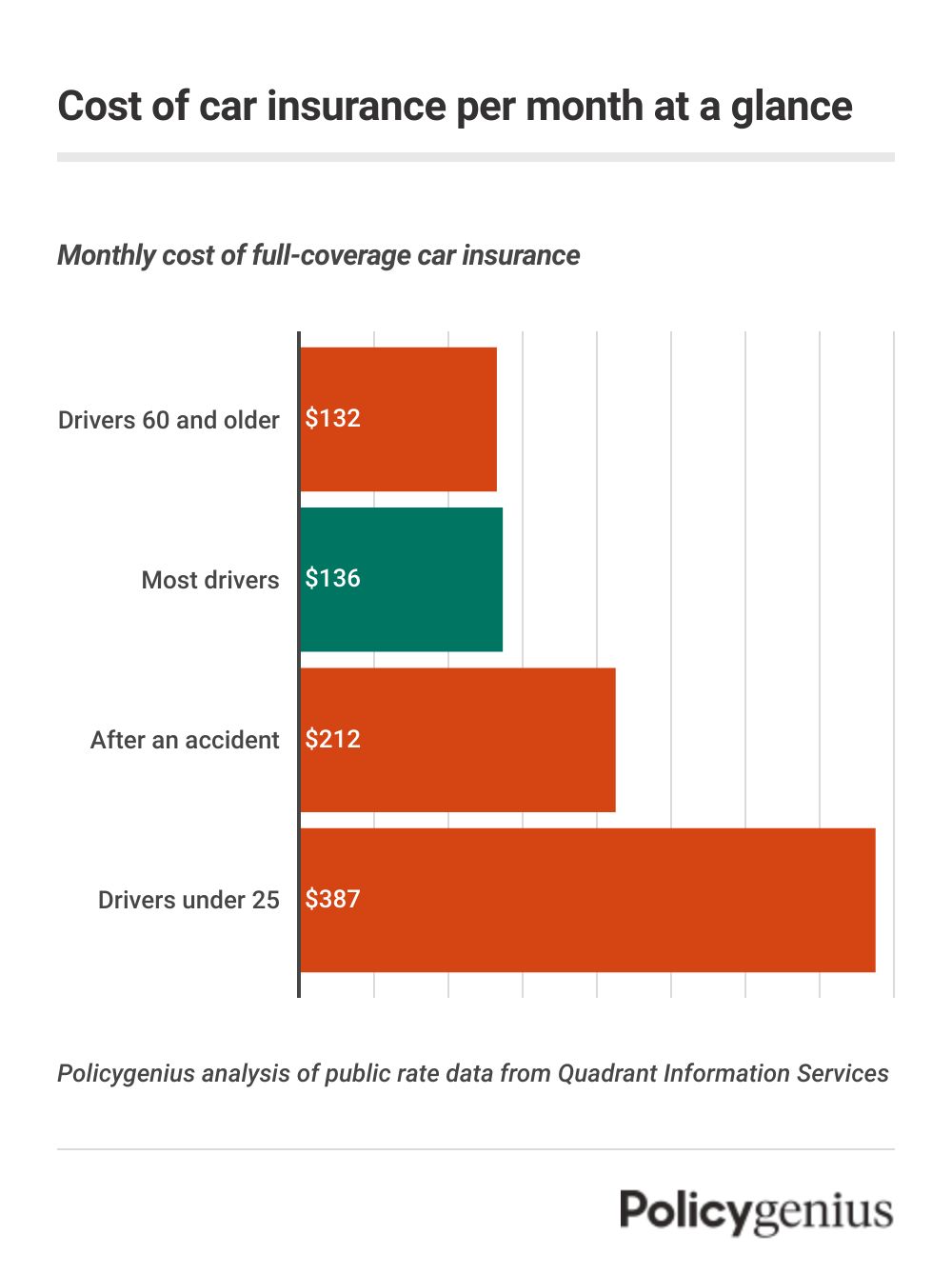
Your personal profile is perhaps the most influential set of factors. Younger, less experienced drivers, particularly those under 25, typically face higher premiums due to statistical data indicating a greater propensity for accidents. While less pronounced than age, some insurers still consider gender, with young male drivers sometimes facing slightly higher rates. However, your driving history reigns supreme. A clean record—free of accidents, speeding tickets, or other moving violations—is your most valuable asset. Conversely, a history of claims or infractions signals higher risk, leading to elevated costs. Insurers often look back three to five years when assessing your driving record. Furthermore, your credit score, especially in states where it’s permitted, can significantly sway your premium. A higher credit score often correlates with lower risk, translating into better rates.
Vehicle Characteristics: Make, Model, and Safety Features
The car you drive is another primary determinant of your premium. Insurers consider the vehicle’s MSRP (Manufacturer’s Suggested Retail Price), repair costs, safety ratings, and the likelihood of theft. Luxury vehicles, sports cars, and those with high-performance engines typically incur higher premiums because they are more expensive to repair or replace and are often driven more aggressively. Conversely, vehicles with excellent safety ratings, advanced driver-assistance systems (ADAS) like automatic emergency braking or lane-keeping assist, and lower theft rates often qualify for discounts. The cost of parts, labor rates for repairs, and even the vehicle’s susceptibility to damage in a minor fender bender all factor into the equation.
Geographic Location: Where You Live and Drive
Your address has a surprising impact on your car insurance rates. Urban areas, with their higher traffic density, increased accident rates, and elevated risks of vandalism and theft, generally command higher premiums than rural or suburban locales. Even within the same city, specific zip codes can have vastly different rates based on local crime statistics, accident frequency, and the density of uninsured motorists. Insurers analyze data down to the neighborhood level to assess local risks. If you move, even a short distance, it’s crucial to update your insurer, as your rates could change significantly.
Annual Mileage and Usage Patterns
How much and how you drive your car also plays a role. Drivers who commute long distances daily or use their vehicle for business purposes typically pay more than those who drive fewer miles for leisure. More time on the road inherently increases the exposure to risk. Many insurers offer low-mileage discounts for individuals who drive less than a certain threshold annually, recognizing that fewer miles equate to fewer opportunities for an accident. Clearly communicating your primary use (e.g., pleasure, commute, business) and estimated annual mileage is essential for an accurate quote.
Decoding Car Insurance Coverage Types
Understanding the various types of car insurance coverage is critical not just for comparing quotes but also for ensuring you have adequate financial protection. Skimping on coverage might save you a few dollars monthly, but it could lead to catastrophic financial consequences in the event of a serious incident. Each component of a policy serves a distinct purpose, safeguarding different aspects of your financial well-being.
Liability Coverage: The Non-Negotiable Minimum
Liability coverage is the foundation of every car insurance policy and is legally mandated in almost every state. It protects you financially if you are at fault for an accident, covering the costs of injuries to other people (Bodily Injury Liability) and damage to their property (Property Damage Liability). This coverage ensures that you don’t have to pay out-of-pocket for medical bills, lost wages, and repair costs for other drivers and their vehicles, up to your policy limits. State minimums are often woefully inadequate, leaving you personally responsible for any damages exceeding those limits, which could lead to significant financial distress or even lawsuits. Experts generally recommend carrying much higher liability limits than the state minimums to protect your assets.
Collision and Comprehensive: Protecting Your Investment
These two types of coverage are designed to protect your own vehicle. Collision coverage pays for damages to your car resulting from an accident with another vehicle or object, regardless of who is at fault. This includes hitting another car, a tree, a guardrail, or even flipping your car. Comprehensive coverage, on the other hand, protects your car from non-collision incidents. This includes theft, vandalism, fire, natural disasters (like hail or floods), falling objects, and collisions with animals. Both collision and comprehensive coverages typically come with a deductible, which is the amount you pay out-of-pocket before your insurance kicks in. Choosing a higher deductible can lower your premium, but you must be prepared to pay that amount if you file a claim.
Uninsured/Underinsured Motorist Protection
Despite legal requirements, a significant number of drivers operate without adequate insurance. Uninsured/Underinsured Motorist (UM/UIM) coverage is designed to protect you in such scenarios. If an at-fault driver has no insurance (uninsured) or insufficient insurance (underinsured) to cover your medical expenses and vehicle damage, your UM/UIM policy can step in to cover the difference, up to your policy limits. This is a critical coverage, especially in states with high percentages of uninsured drivers, safeguarding your financial health when others fail to meet their obligations.
Medical Payments and Personal Injury Protection (PIP)
These coverages help pay for medical expenses for you and your passengers, regardless of who is at fault for an accident. Medical Payments (MedPay) coverage is typically more limited, covering medical and funeral expenses. Personal Injury Protection (PIP), often found in “no-fault” states, is broader, covering not just medical expenses but also lost wages, rehabilitation costs, and sometimes even essential services (like childcare) if you’re unable to perform them due to an injury. While you might have health insurance, PIP or MedPay can fill gaps, cover deductibles, and provide immediate financial relief without waiting for fault determination.
Add-ons and Endorsements: Tailoring Your Policy
Beyond the core coverages, insurers offer various add-ons, or endorsements, to customize your policy. These can include Roadside Assistance, which covers towing, jump-starts, and flat tire changes; Rental Car Reimbursement, which pays for a rental car while your vehicle is being repaired after a covered claim; Gap Insurance, essential for leased or financed cars, which covers the difference between what you owe on your vehicle and its actual cash value if it’s totaled; and New Car Replacement for recent models. While these add-ons increase your premium, they can provide significant peace of mind and financial protection in specific circumstances, proving to be a wise financial decision for certain drivers.
Strategies for Obtaining Accurate Quotes and Comparing Insurers
Navigating the car insurance market can feel overwhelming, with countless providers and policy options. However, a structured approach to obtaining and comparing quotes can save you hundreds, if not thousands, of dollars annually while ensuring you get the right coverage. The key is thoroughness and an informed perspective.
Gathering Essential Information Before You Start
Before you begin soliciting quotes, prepare a comprehensive dossier of all necessary information. This includes your full name, date of birth, driver’s license number, and marital status. For all drivers on the policy, you’ll need their driving history, including any accidents or traffic violations from the past three to five years. For your vehicle(s), gather the VIN (Vehicle Identification Number), make, model, year, current odometer reading, any safety features (e.g., anti-lock brakes, airbags), and details on aftermarket modifications. Be prepared to specify your desired coverage limits for liability, deductibles for collision and comprehensive, and whether you want any additional coverages like roadside assistance or rental reimbursement. Having this information readily available streamlines the quoting process and ensures accuracy.
The Power of Online Comparison Tools
Online comparison websites have revolutionized the insurance shopping experience. These platforms allow you to input your details once and receive multiple quotes from various insurers simultaneously. They are excellent for getting a broad overview of the market, identifying competitive rates, and quickly shortlisting potential providers. While convenient, it’s crucial to understand that not all insurers participate in every comparison site, and the quotes provided are often estimates. Always verify the final quote directly with the chosen insurer, as minor discrepancies can occur. Use these tools as a starting point, not the definitive end.
Direct Engagement with Insurance Providers
While online tools offer convenience, direct engagement with insurance companies—either through their websites or by speaking with an agent—remains invaluable. Going directly allows you to get precise quotes, ask specific questions, and receive personalized advice that automated systems might miss. Captive agents represent a single company, offering deep expertise in that provider’s products. Independent agents, on the other hand, work with multiple carriers, providing a broader range of options and helping you compare policies from different companies simultaneously. They can often uncover discounts you might not find on your own and help tailor a policy that perfectly fits your unique financial situation and risk profile.
Understanding the Quote Breakdown
When reviewing quotes, don’t just focus on the bottom-line premium. Take the time to understand the breakdown of costs for each coverage type (liability, collision, comprehensive, etc.) and how your chosen deductibles impact these figures. A lower overall premium might mask insufficient liability limits or high deductibles that could leave you financially vulnerable in an accident. Compare the coverage details meticulously. Are the bodily injury and property damage limits adequate? What are the deductibles for collision and comprehensive? Are similar add-ons included across all quotes? A lower premium for less coverage isn’t a true saving if it means substantial out-of-pocket expenses later.
Savvy Tactics to Reduce Your Car Insurance Costs
While many factors influencing car insurance premiums are beyond your immediate control, there are numerous proactive strategies you can employ to significantly lower your costs without compromising essential coverage. A smart financial approach to car insurance involves maximizing available discounts, making informed policy choices, and consistently re-evaluating your options.
Maximizing Discounts: From Good Driver to Multi-Policy Bundles
Insurance companies offer a wide array of discounts, and diligently seeking them out can lead to substantial savings. The multi-policy discount is one of the most common and effective, offering a reduction when you bundle your car insurance with other policies like homeowners, renters, or life insurance from the same provider. Maintaining a clean driving record (no accidents or tickets) for several years often qualifies you for a significant “good driver” discount. Other popular discounts include:
- Good Student Discount: For young drivers with strong academic performance.
- Defensive Driving Course Discount: Completing an approved course.
- Anti-Theft Device Discount: For cars equipped with alarms or tracking systems.
- Passive Restraint Discount: For vehicles with airbags or automatic seatbelts.
- Loyalty Discount: For staying with the same insurer for an extended period (though it’s still wise to shop around occasionally).
- Payment Discounts: For paying in full, enrolling in automatic payments, or choosing paperless billing. Always ask your agent about every discount you might qualify for.
Adjusting Deductibles: Balancing Risk and Premium
Your deductible is the amount you pay out-of-pocket before your collision and comprehensive coverage kicks in after a claim. Choosing a higher deductible (e.g., $1,000 instead of $500) will lower your annual premium because you’re taking on more financial responsibility. This strategy can be effective for financially stable individuals who have an adequate emergency fund to cover the higher deductible if an incident occurs. However, it’s crucial to ensure you can comfortably afford your chosen deductible without dipping into critical savings or accruing debt. A common recommendation is to have at least your deductible amount saved in an easily accessible emergency fund.
Rethinking Your Vehicle Choice
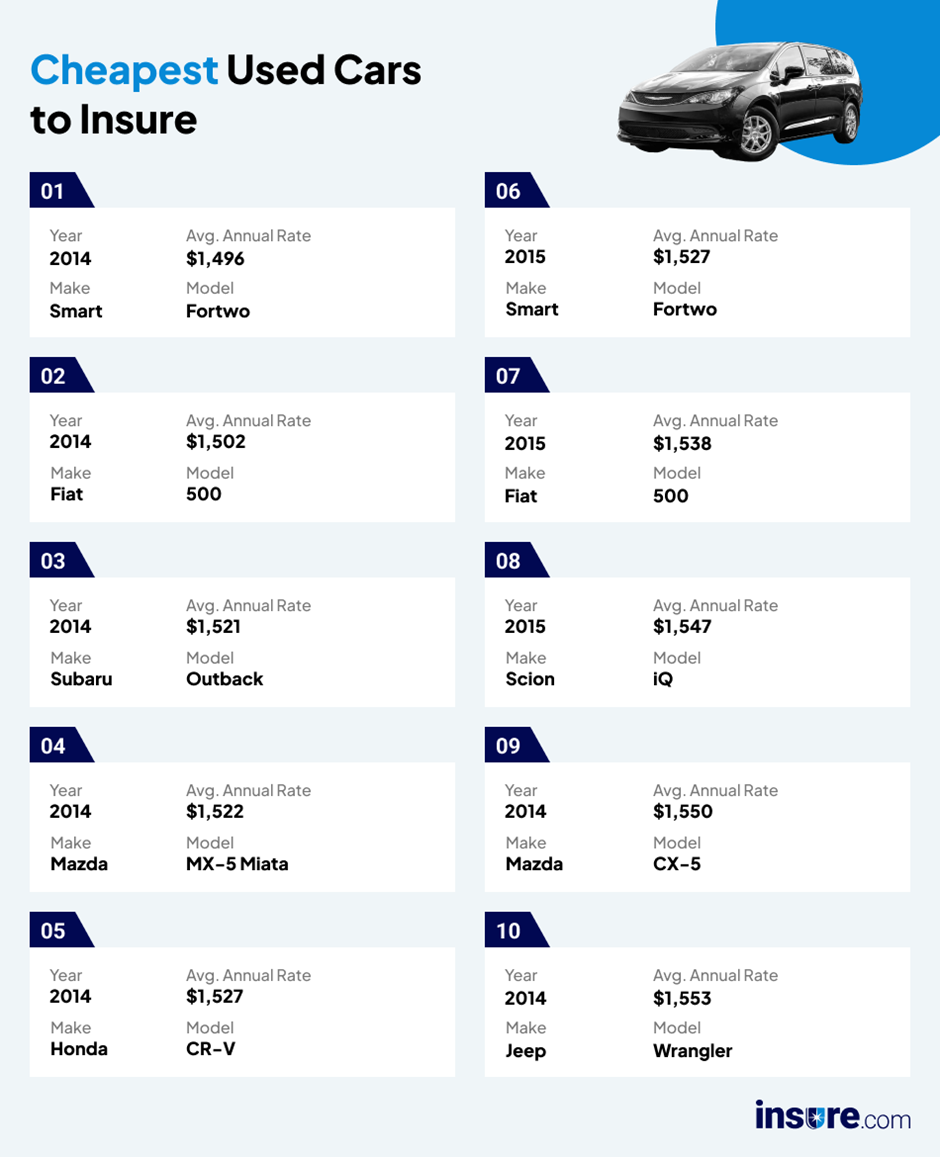
The type of car you drive has a direct impact on your insurance costs. Before purchasing a new vehicle, research its insurance rates. Cars that are historically less expensive to repair, have lower theft rates, and boast excellent safety records tend to be cheaper to insure. Conversely, high-performance vehicles, luxury cars, or those with unique parts are often more costly. If you’re looking for ways to save, consider opting for a mainstream, reliable model with a strong safety profile. This foresight can lead to significant long-term savings on your premiums.
Maintaining a Clean Driving Record
This cannot be overstated: your driving record is the single most influential factor in your car insurance costs. Accidents, speeding tickets, and other traffic violations indicate higher risk to insurers, directly translating to higher premiums. These incidents can stay on your record for three to five years, impacting your rates long after the event. Driving safely, obeying traffic laws, and avoiding distractions are the most fundamental ways to keep your insurance costs down and, more importantly, ensure your safety and the safety of others on the road.
Regularly Reviewing and Shopping for Policies
Insurance loyalty doesn’t always pay off. While some insurers offer loyalty discounts, the market is dynamic, and new competitors or changes in your personal circumstances could mean better rates are available elsewhere. It’s a wise financial practice to shop for new quotes at least once a year, or whenever you experience a major life event such as moving, getting married, buying a new car, or adding a new driver to your policy. Even if you don’t switch insurers, having competitive quotes can be a bargaining chip to negotiate a better rate with your current provider.
Leveraging Telematics and Usage-Based Insurance
Many insurers now offer telematics programs, also known as usage-based insurance (UBI). These programs involve installing a device in your car or using a mobile app to monitor your driving habits, such as mileage, speed, braking, acceleration, and time of day you drive. Safe drivers who participate in these programs can often qualify for significant discounts, sometimes up to 30% or more. While it means sharing your driving data, for careful drivers, this can be a powerful tool for reducing premiums. It aligns your premium directly with your actual driving behavior, rather than solely relying on generalized risk pools.
The Long-Term Financial Planning Perspective
Car insurance, while a monthly or annual expense, is more than just a bill to pay; it’s an integral component of a sound long-term financial strategy. Approaching it with foresight can protect your assets, manage unexpected costs, and provide invaluable peace of mind.
Integrating Car Insurance into Your Budget
A fundamental principle of personal finance is budgeting. Your car insurance premium, whether paid monthly, quarterly, or annually, must be accounted for within your regular household budget. Treating it as a fixed, non-negotiable expense helps prevent financial strain and ensures continuous coverage. Factor in not just the premium, but also potential deductibles you might need to pay in case of an accident. Understanding how this cost fits into your broader financial picture enables you to make informed decisions about coverage levels and helps identify areas where you might need to adjust other spending to accommodate this vital protection.
Emergency Fund for Deductibles
As discussed, choosing a higher deductible can lower your premiums. However, this strategy is only financially sound if you have an easily accessible emergency fund specifically allocated to cover that deductible. An emergency fund is a cornerstone of financial stability, typically holding three to six months’ worth of living expenses. Within that, or separately, having enough cash set aside for your car insurance deductible ensures that an accident, while unfortunate, doesn’t become a financial crisis. Relying on credit cards or high-interest loans to cover a deductible negates any premium savings and can plunge you into debt.

The Value of Adequate Coverage vs. Bare Minimum
It’s tempting to opt for the cheapest, bare-minimum car insurance required by law to save money. However, this is often a false economy. In the event of a serious accident where you are at fault, state minimum liability limits are frequently insufficient to cover extensive medical bills, property damage, and potential lawsuits. The financial shortfall would then fall squarely on your shoulders, potentially leading to the liquidation of assets, wage garnishment, or even bankruptcy.
Adequate coverage, while initially costing more, acts as a robust financial shield. It protects your accumulated wealth, your future earnings, and your peace of mind. Consider the value of your assets (home, savings, investments) and choose liability limits that sufficiently protect them. For newer or valuable vehicles, collision and comprehensive coverage are non-negotiable to protect your investment. View car insurance not just as an expense, but as an essential investment in your financial security and stability. A thorough understanding of “how much would my car insurance be” extends beyond the premium figure to encompass the true financial protection it affords.
aViewFromTheCave is a participant in the Amazon Services LLC Associates Program, an affiliate advertising program designed to provide a means for sites to earn advertising fees by advertising and linking to Amazon.com. Amazon, the Amazon logo, AmazonSupply, and the AmazonSupply logo are trademarks of Amazon.com, Inc. or its affiliates. As an Amazon Associate we earn affiliate commissions from qualifying purchases.