
The question “What’s the salary?” is far more than a simple inquiry about a numerical value; it’s a gateway to understanding personal worth, market dynamics, and the intricate web of financial planning that underpins a stable future. In an increasingly competitive global economy, comprehending the multifaceted nature of compensation is critical for individuals navigating career choices, negotiating offers, and strategically managing their financial lives. This article delves into the nuances of salary, offering insights into its components, the art of negotiation, and its profound impact on long-term financial health.
Understanding Salary: More Than Just a Number
At its core, a salary represents the remuneration an employee receives for their work. However, reducing it to a single figure is an oversimplification. A truly insightful perspective on salary requires dissecting its various components and recognizing the difference between what’s offered and what’s actually received.
The Components of Compensation
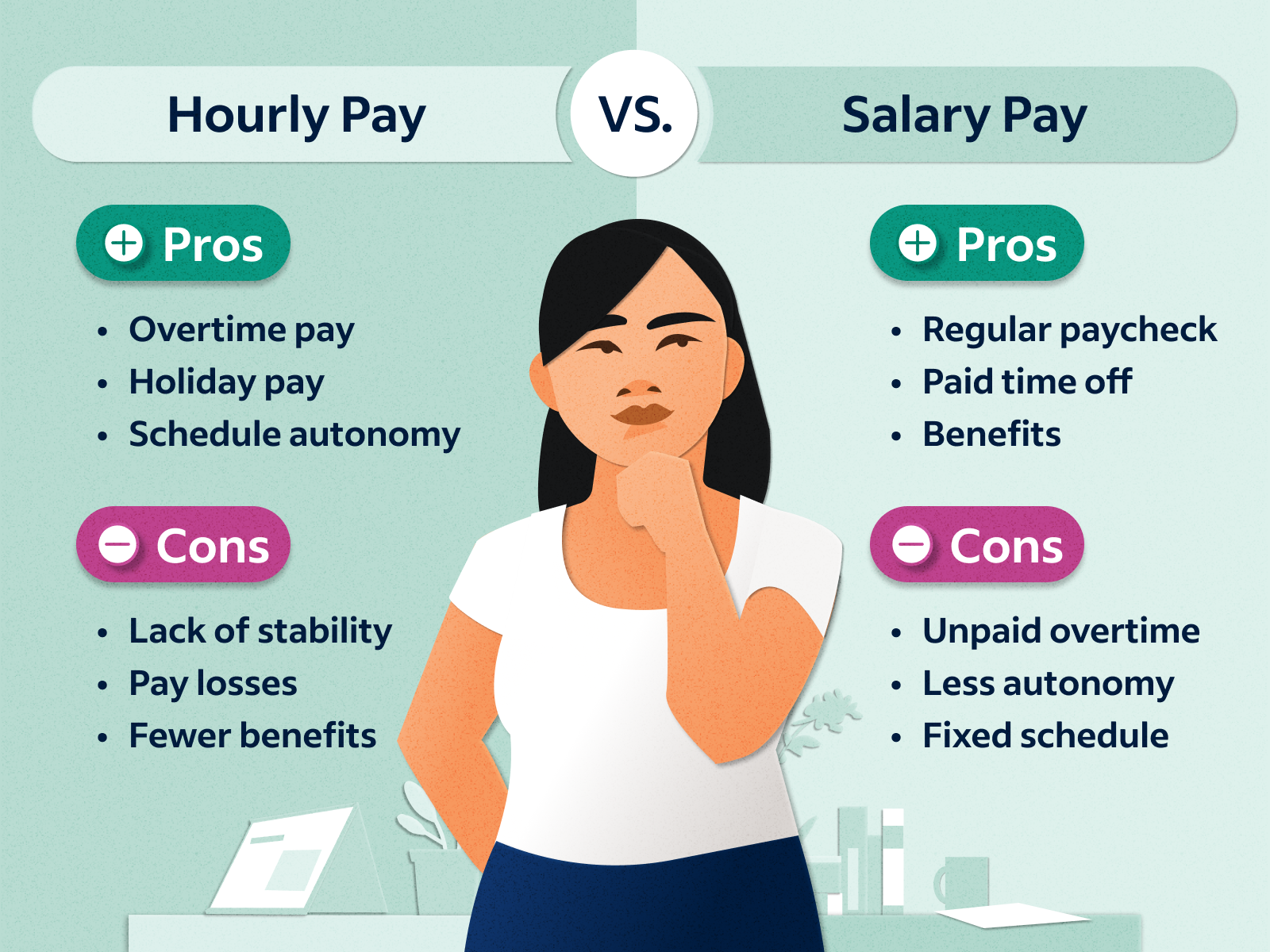
While base pay forms the foundation of any compensation package, it rarely tells the whole story. Total compensation often includes a mosaic of elements designed to attract, retain, and motivate talent. These can range from annual bonuses tied to individual or company performance, to commissions for sales roles, and equity or stock options, particularly prevalent in tech startups and growth-oriented companies. Understanding each component is crucial, as a lower base salary might be offset by significant potential earnings from bonuses or equity, presenting a different risk/reward profile. For instance, a performance-based bonus can incentivize higher achievement, while stock options offer a stake in the company’s future success, aligning employee interests with shareholder value. Evaluating these components requires a holistic view, weighing immediate cash against potential future gains.
Beyond Base Pay: Benefits and Perks
The true value of a job offer extends significantly beyond the cash in hand. Benefits and perks constitute a substantial portion of total compensation, offering financial security, work-life balance, and professional development opportunities. Health insurance, including medical, dental, and vision, is often the most significant and essential benefit, protecting individuals and families from exorbitant medical costs. Retirement plans, such as 401(k)s or defined-benefit pensions, with or without employer matching contributions, are vital for long-term financial security. Paid time off (PTO), encompassing vacation, sick leave, and holidays, contributes directly to quality of life and mental well-being. Furthermore, many companies offer a myriad of perks like professional development stipends, tuition reimbursement, gym memberships, commuter benefits, flexible work arrangements, and even free meals. These benefits, though not always directly quantifiable in a salary figure, have tangible financial value and contribute significantly to an employee’s overall satisfaction and economic standing. Overlooking them during negotiations or evaluations is a common mistake that can lead to an incomplete assessment of a job’s true worth.
Gross vs. Net: Decoding Your Paycheck
A fundamental distinction often misunderstood is that between gross and net salary. Gross salary is the total compensation agreed upon before any deductions. Net salary, or take-home pay, is what an employee actually receives after all deductions have been made. These deductions typically include federal, state, and local income taxes, Social Security and Medicare contributions (FICA), and withholdings for health insurance premiums, retirement plan contributions, and any other pre-tax or post-tax benefits. Understanding this difference is critical for budgeting and financial planning. A high gross salary might seem appealing, but if tax rates are substantial or benefit contributions are high, the net pay might be less than anticipated. Tools like online salary calculators and paycheck estimators can help individuals project their net income, providing a more realistic picture of their spendable income and ensuring no surprises on payday.
Navigating the Salary Landscape: Research and Benchmarking
Informed salary expectations are not plucked from thin air; they are the product of diligent research and strategic benchmarking. Understanding where your skills and experience fit within the broader market is paramount for securing fair compensation.
Industry Standards and Geographic Variations
Salaries are not uniform across industries or geographies. A software engineer in Silicon Valley will likely command a higher salary than one in a smaller metropolitan area, even with similar experience, due to differences in cost of living and demand for talent. Similarly, an entry-level marketing role in a burgeoning tech startup might differ significantly from a similar role in a traditional manufacturing firm. Researching industry-specific salary reports, such as those published by professional organizations or specialized recruitment firms, provides invaluable insights. Geographic location plays a crucial role; factors like local cost of living, regional talent pools, and the prevalence of certain industries can dramatically influence salary ranges. Websites dedicated to salary data often allow users to filter by industry, job title, experience level, and location, providing a highly granular view of market rates.
Leveraging Online Resources and Salary Calculators
The digital age has democratized salary transparency, offering a wealth of resources for informed decision-making. Platforms like Glassdoor, LinkedIn Salaries, Salary.com, and Payscale provide extensive databases of reported salaries for various roles, companies, and locations. These sites aggregate data from millions of users, offering median, average, and range estimates. While useful, it’s important to cross-reference data from multiple sources to gain a balanced perspective, as self-reported data can sometimes be skewed. Salary calculators can also help estimate potential earnings, factoring in variables like education, experience, industry, and location. These tools are invaluable for developing a data-backed understanding of one’s market value, which is essential for effective negotiation.
The Role of Experience and Skill Set
Beyond industry and location, an individual’s experience level and unique skill set are primary determinants of salary. Entry-level positions naturally command lower salaries than senior or executive roles, reflecting the accumulation of expertise and responsibilities over time. However, it’s not just the amount of experience but the quality and relevance of that experience that matters. Specialized skills, especially those in high demand (e.g., proficiency in specific programming languages, data analytics tools, or niche market knowledge), can significantly boost earning potential. Certifications, advanced degrees, and a track record of tangible achievements (e.g., successful project delivery, revenue generation, cost savings) serve as compelling evidence of value and can justify higher salary expectations. Continuously investing in skill development and acquiring in-demand competencies is a proactive strategy for increasing one’s market value.
Mastering the Art of Salary Negotiation
Knowing your worth is one thing; effectively articulating it and negotiating for it is another. Salary negotiation is a critical skill that can significantly impact your lifetime earnings and financial trajectory.

Preparation is Key: Knowing Your Worth
Successful negotiation begins long before any offer is extended. It requires meticulous preparation, starting with a deep understanding of your own market value, informed by the research discussed earlier. This includes not just a target salary range but also a clear understanding of the benefits and perks that are most important to you. Beyond external data, reflect on your unique contributions, achievements, and the value you bring to an organization. Document specific examples of how you’ve saved money, generated revenue, improved processes, or led successful projects. These tangible proofs of impact are powerful negotiation tools. Additionally, anticipate potential counterarguments from the employer and prepare reasoned responses. Understanding the company’s financial health, industry trends, and the specific challenges the role aims to address can also strengthen your position by allowing you to frame your request in terms of how you will help the company succeed.
Timing and Strategy in Negotiation
The timing of salary discussions is often as important as the content. Generally, it’s best to defer specific salary discussions until an offer has been extended and you understand the full scope of the role and total compensation package. Disclosing your salary expectations too early can limit your negotiating power. When an offer comes, express enthusiasm for the role but politely request time to review the package thoroughly. This allows you to carefully analyze all components (base, bonus, benefits, equity) and formulate a well-reasoned counter-proposal. Focus your negotiation on the total compensation package rather than just the base salary. Prioritize what matters most to you – perhaps more vacation time, a sign-on bonus, or better health coverage – and be prepared to articulate why these elements are important. Always present your counter-offer professionally, confidently, and with data to back up your request. Remember, negotiation is a collaborative process aimed at finding a mutually agreeable solution.
Handling Counteroffers and Package Deals
Receiving a counteroffer, either from a new prospective employer or your current one, presents a unique set of considerations. When negotiating with a potential new employer, be prepared for them to push back. They might cite budget constraints or internal equity concerns. Your ability to articulate your value and reference market data will be crucial. If the initial offer is below your expectations, a well-crafted counter-offer that proposes a specific, higher number, backed by your research and value proposition, is appropriate. Be ready to discuss the specific components of the package, not just the base salary. Should your current employer make a counteroffer to retain you after you’ve accepted another offer, proceed with caution. While flattering, it’s important to understand the underlying reasons for their sudden willingness to increase your pay and whether those issues will truly be resolved. Often, the initial reasons for seeking new employment persist. Evaluate counteroffers holistically, considering not just the money but also career growth, work-life balance, and long-term satisfaction.
The Long-Term Impact of Salary on Financial Health
A salary is not just a means to cover immediate expenses; it is the cornerstone of an individual’s financial health and the primary determinant of long-term economic security and potential.
Salary and Lifestyle: Budgeting and Savings
The direct correlation between salary and lifestyle is undeniable. A higher salary generally allows for greater discretionary spending, improved living standards, and more financial flexibility. However, it’s imperative to distinguish between income and wealth. A high income without proper financial management can still lead to financial instability, a phenomenon known as “lifestyle creep,” where increased earnings are met with an equivalent increase in spending. This underscores the critical importance of budgeting and consistent savings, regardless of income level. A robust budget helps allocate funds strategically, ensuring that essential expenses are covered, debts are managed, and a portion of income is consistently directed towards savings and investments. Even a modest salary can lay the foundation for substantial wealth accumulation over time if coupled with disciplined saving habits and smart financial choices.
Retirement Planning and Investment Potential
One of the most profound long-term impacts of salary is on retirement planning. The amount an individual can contribute to retirement accounts (like 401(k)s, IRAs, or pensions) is directly tied to their earnings. Higher salaries enable larger contributions, which, when compounded over decades, can grow into significant nest eggs. Employer matching contributions, a common benefit, essentially provide “free money” and dramatically accelerate retirement savings. Beyond retirement, a higher salary opens doors to broader investment opportunities, from real estate to diversified stock portfolios, enabling individuals to grow their wealth more aggressively. Strategic financial planning, including setting clear investment goals and understanding risk tolerance, becomes more accessible and impactful with a solid income foundation.
Career Progression and Earning Growth
A starting salary, while important, is often just the beginning of one’s earning journey. The trajectory of salary growth throughout a career is influenced by performance, continuous skill development, and strategic career moves. Each job change or promotion can represent a significant bump in earnings, further compounding one’s financial potential. Proactive career management, including identifying growth opportunities, seeking mentorship, and consistently demonstrating value, is key to maximizing earning growth. Understanding your industry’s typical salary progression for different roles and experience levels can help set realistic expectations and inform decisions about pursuing further education or certifications that can unlock higher-paying positions.
Future-Proofing Your Earnings: Adapting to Economic Shifts
The economic landscape is in constant flux, shaped by technological advancements, global events, and evolving market demands. Proactively adapting to these shifts is crucial for sustaining and growing one’s earning potential.
Upskilling and Reskilling for Higher Pay
In a rapidly evolving job market, skills obsolescence is a real threat. To future-proof one’s earnings, continuous learning, upskilling, and reskilling are no longer optional but essential. Upskilling involves enhancing existing skills to stay competitive and move into more advanced roles, while reskilling involves learning entirely new skills to transition into different careers or industries. Investing in new technologies, data analytics, artificial intelligence, cybersecurity, or advanced project management techniques can unlock higher-paying opportunities and shield individuals from industry downturns. Many companies offer professional development budgets or tuition reimbursement, providing avenues for employees to acquire new knowledge. Online courses, bootcamps, certifications, and advanced degrees are all valuable pathways to staying relevant and increasing one’s market value.
Understanding Inflation and Purchasing Power
A crucial aspect of future-proofing earnings involves understanding the impact of inflation. Inflation erodes the purchasing power of money over time, meaning that a static salary, even if seemingly high, will buy less in the future. Regular salary increases that at least match or ideally exceed the rate of inflation are necessary to maintain or improve one’s real income. When negotiating salaries or evaluating annual raises, it’s vital to consider the current inflation rate. A 3% raise might sound good, but if inflation is 5%, your real purchasing power has actually decreased. Strategic financial planning includes accounting for inflation in long-term goals like retirement savings and investment returns, ensuring that accumulated wealth retains its value over time.

The Gig Economy and Diversified Income Streams
The rise of the gig economy and the increasing acceptance of remote work have opened new avenues for diversifying income streams, offering an additional layer of financial security and potential for higher overall earnings. Relying solely on a single income source can be risky. Developing side hustles, consulting, freelancing, or engaging in entrepreneurial ventures can supplement a primary salary, providing additional financial cushions and opportunities for wealth creation. These diversified income streams not only increase total earnings but also offer valuable experience, expand professional networks, and can provide a pathway to greater financial independence. In an uncertain economic future, having multiple sources of income is a robust strategy for managing risk and maximizing financial potential.
In conclusion, “What’s the Salary?” is a question that leads down a path of intricate financial considerations. It’s about understanding market value, mastering negotiation, and strategically planning for a financially secure future. By comprehending the full spectrum of compensation, continuously investing in oneself, and adapting to economic changes, individuals can not only answer this question effectively but also proactively shape their financial destinies.
aViewFromTheCave is a participant in the Amazon Services LLC Associates Program, an affiliate advertising program designed to provide a means for sites to earn advertising fees by advertising and linking to Amazon.com. Amazon, the Amazon logo, AmazonSupply, and the AmazonSupply logo are trademarks of Amazon.com, Inc. or its affiliates. As an Amazon Associate we earn affiliate commissions from qualifying purchases.