
In the realm of personal finance, we meticulously budget our income, track our expenditures, and plan for future investments. What if we applied the same rigorous financial lens to our daily caloric intake? Just as our financial decisions dictate our monetary solvency and future wealth, our nutritional choices—specifically, how we “spend” our daily calorie “budget”—profoundly impact our physical capital, long-term health, and ultimately, our financial well-being. Understanding the daily recommended amount of calories isn’t just about health; it’s about making prudent financial decisions that pay dividends in vitality, productivity, and reduced healthcare costs.
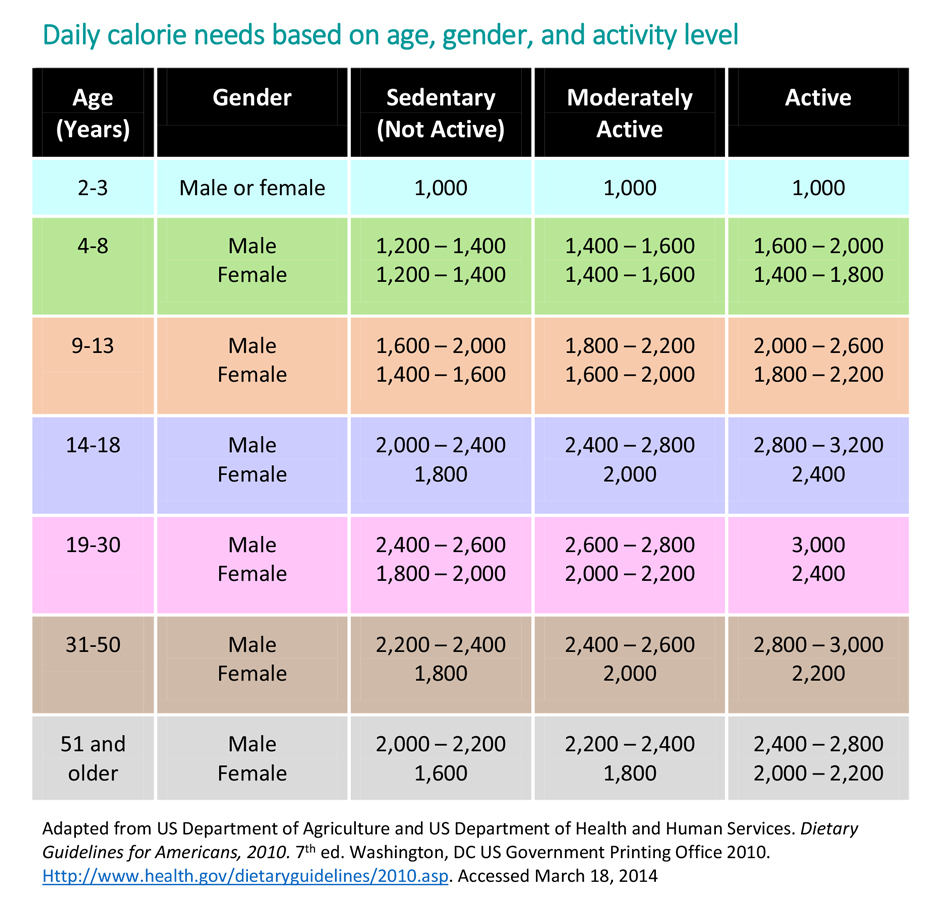
This article explores the concept of daily calorie recommendations not merely as nutritional guidelines, but as a critical component of a comprehensive personal financial strategy. We will delve into how to “budget” your caloric intake, understand the “return on investment” of quality nutrition, and mitigate the “financial risks” associated with poor dietary choices.
Understanding Calories: Your Body’s Energy Budget
At its core, a calorie is a unit of energy. In the context of nutrition, it represents the energy your body derives from food and uses to fuel every bodily function, from breathing and thinking to exercising and repairing cells. Think of calories as your body’s daily income. Just like a financial budget, if your caloric income consistently exceeds your expenditures, you accrue excess “capital” (stored as fat). If your income falls short, you dip into your reserves. The daily recommended amount of calories, therefore, is your optimal “energy budget” to maintain equilibrium, achieve specific health goals, and maximize your body’s performance without over-spending or under-spending.
The Cost of Energy: Where Your Calories Come From (and Go)
Every food item carries a caloric “price tag.” Carbohydrates, proteins, and fats are the macronutrients that supply these calories. Understanding the caloric density of different foods is akin to understanding the unit cost of various financial assets. Some foods offer a high caloric yield for a small volume, while others are less dense.
Your body “spends” these calories on three primary areas:
- Basal Metabolic Rate (BMR): This is your body’s fixed operating cost—the energy required to sustain basic life functions (breathing, circulation, cell production) at rest. It’s non-negotiable and represents the bulk of your daily energy expenditure.
- Physical Activity: This is your variable spending, covering all movement from walking to intense exercise. The more active you are, the higher this expenditure.
- Thermic Effect of Food (TEF): A small portion of calories is used to digest, absorb, and metabolize the food you eat. Think of it as a transaction fee for processing your energy income.
Recognizing these expenditure categories is crucial for effective calorie budgeting, ensuring you allocate sufficient “funds” to meet all your body’s essential and discretionary energy needs.
Calorie Quality: Investing in Premium Fuel
Not all calories are created equal, just as not all financial investments yield the same returns. A calorie from a nutrient-dense whole food (like vegetables, fruits, lean proteins) is a “high-quality investment.” It provides not just energy, but also essential vitamins, minerals, and fiber, which are vital for overall bodily function and long-term health. These foods offer a strong ROI in terms of sustained energy, satiety, and disease prevention.
Conversely, “empty calories” from highly processed foods, sugary drinks, and unhealthy fats are like “speculative, high-risk investments.” They offer quick energy but often lack essential nutrients, leading to energy crashes, hunger spikes, and potentially chronic health issues down the line. While they might be cheaper upfront, their long-term costs—in terms of health, productivity, and future medical expenses—can be substantial. Investing in premium fuel means prioritizing foods that maximize nutritional return for every calorie spent.
Factors Influencing Your “Calorie Budget”
Just as personal financial budgets vary wildly based on income, expenses, and goals, your optimal daily calorie budget is highly individualized. There’s no one-size-fits-all number; instead, it’s a dynamic figure influenced by a complex interplay of personal attributes and lifestyle choices. Understanding these factors is key to setting a realistic and effective calorie budget.
Age, Sex, and Activity: Variable Energy Demands
These demographic and lifestyle factors are primary determinants of your basal metabolic rate (BMR) and overall energy expenditure:
- Age: As we age, our metabolism generally slows down, meaning our BMR decreases. This is similar to a reduction in our fixed income as we approach retirement; our daily energy “needs” naturally diminish, requiring an adjustment to our calorie budget to prevent surplus.
- Sex: Men typically have more muscle mass and lower body fat percentages than women, leading to a higher BMR. Consequently, their daily recommended calorie intake is generally higher. This can be viewed as differing baseline financial requirements based on physiological “operating costs.”
- Activity Level: This is perhaps the most significant variable component of your calorie budget. A sedentary lifestyle requires a much smaller energy income compared to an active one. Someone with a physically demanding job or a rigorous exercise routine will have a much higher daily caloric “expenditure.” Ignoring this variable is like not accounting for significant monthly expenses in your financial budget—it inevitably leads to imbalance.
Lifestyle and Financial Goals: Aligning Your Nutritional Spending
Your daily calorie budget should also align with your broader lifestyle and financial objectives. Are you aiming for weight loss, maintenance, or muscle gain? Each goal necessitates a different caloric strategy:
- Weight Loss: Requires a consistent caloric deficit, meaning you “spend” fewer calories than your body needs. This is akin to actively saving money by reducing discretionary spending.
- Weight Maintenance: A balanced budget where calorie income matches expenditure. This is equivalent to maintaining financial stability without significant savings or debt.
- Muscle Gain (or Bulking): Often requires a slight caloric surplus to provide the extra energy and nutrients for muscle repair and growth. This is like investing in growth stocks, putting in more now for a larger return later.
Furthermore, your lifestyle choices, such as sleep patterns, stress levels, and even certain medications, can subtly influence your metabolism and thus your effective calorie budget. For instance, chronic stress can impact hormonal balance, potentially affecting metabolism and leading to increased appetite, which could be viewed as unexpected “emergency expenses” in your calorie budget. Aligning your nutritional spending with your overarching health and financial goals ensures that your dietary efforts are purposeful and yield the desired returns.
Calculating Your Daily Calorie Investment
Just as a successful financial plan starts with understanding your current income and expenses, effective calorie management begins with accurately estimating your individual energy needs. While online calculators and general guidelines offer a starting point, a personalized approach ensures your calorie “investment” is tailored to your unique physiological and activity profile.
Estimating Your Basal Metabolic Rate (BMR): Your Fixed Operating Cost
Your Basal Metabolic Rate (BMR) is the foundation of your calorie budget. It represents the minimum number of calories your body needs to perform essential functions at rest. Various formulas exist, such as the Mifflin-St Jeor equation, which takes into account your age, sex, weight, and height.
- For Men: (10 x weight in kg) + (6.25 x height in cm) – (5 x age in years) + 5
- For Women: (10 x weight in kg) + (6.25 x height in cm) – (5 x age in years) – 161
Calculating your BMR gives you a precise figure for your body’s fixed operating costs. This is the absolute minimum “income” your body needs to stay solvent, even if you were to do nothing all day. Understanding this baseline prevents under-spending, which can lead to metabolic slowdowns and health issues.

Accounting for Activity: Variable Spending
Once you have your BMR, you need to factor in your physical activity level—your variable spending. This involves multiplying your BMR by an activity factor:
- Sedentary (little or no exercise): BMR x 1.2
- Lightly Active (light exercise/sports 1-3 days/week): BMR x 1.375
- Moderately Active (moderate exercise/sports 3-5 days/week): BMR x 1.55
- Very Active (hard exercise/sports 6-7 days a week): BMR x 1.725
- Extremely Active (very hard exercise/physical job): BMR x 1.9
The resulting number is your Total Daily Energy Expenditure (TDEE)—your total daily calorie budget to maintain your current weight given your activity level. This TDEE is your daily recommended caloric amount for maintenance. Adjustments above or below this figure will then be made based on specific weight gain or loss goals.
Tools and Resources for Calorie Budgeting
Just as there are financial planning tools, various resources can assist in calorie budgeting:
- Online Calculators & Apps: Numerous websites and mobile apps (e.g., MyFitnessPal, Cronometer, LoseIt!) can help you estimate your TDEE and track your daily calorie intake. These are like personal finance apps, providing real-time insights into your “spending.”
- Registered Dietitians/Nutritionists: For complex situations or specific health conditions, consulting a professional is invaluable. They can provide personalized guidance, much like a financial advisor for intricate investment strategies.
- Food Labels: Mastering the art of reading food labels is crucial. They provide the “nutritional facts” – the caloric and macronutrient breakdown – allowing you to make informed purchasing decisions, much like scrutinizing a company’s financial report before investing.
The Financial Return on Healthy Calorie Management
Managing your daily calorie intake effectively is not just about physical appearance; it’s a profound long-term financial investment. The returns manifest in various forms, from direct cost savings to increased earning potential.
Long-Term Savings: Healthcare Costs and Productivity
One of the most significant financial benefits of optimal calorie management is the reduction in long-term healthcare costs. Chronic diseases such as type 2 diabetes, heart disease, certain cancers, and obesity-related complications are often linked to poor dietary habits and imbalanced calorie intake. The cost of managing these conditions—medications, doctor visits, surgeries, and specialized care—can be astronomical and drain personal savings. By investing in a balanced calorie budget now, you are effectively pre-funding your future health, thereby reducing the likelihood of exorbitant medical expenses later.
Beyond direct healthcare costs, good health—a direct outcome of prudent caloric investment—translates to higher productivity. Healthy individuals tend to have more energy, fewer sick days, and better cognitive function. This improved productivity can lead to enhanced career performance, opportunities for advancement, and ultimately, higher earning potential. It’s a classic example of human capital investment paying off financially.
Avoiding “Nutritional Debt”: The Price of Poor Choices
Just as accumulating financial debt can cripple your future, accumulating “nutritional debt” through excessive calorie intake (especially from unhealthy sources) or chronic undereating incurs significant costs. Overconsumption of empty calories leads to weight gain and associated health risks, essentially taking out a high-interest loan on your health. The consequences often include:
- Increased Medical Premiums: Insurers may factor in health markers influenced by diet.
- Lost Wages: Due to illness, disability, or reduced work capacity.
- Cost of Interventions: Weight loss programs, bariatric surgery, or managing chronic conditions.
- Reduced Quality of Life: Which, while not directly financial, has an indirect cost on enjoyment and fulfillment.
Conversely, chronic undereating can lead to nutrient deficiencies, fatigue, and impaired immune function, leading to similar productivity losses and potential medical expenses. Understanding the “interest rates” and “penalties” associated with nutritional debt emphasizes the financial imperative of making balanced caloric choices.
Strategizing for Optimal Calorie “Investment”
Successful financial planning involves setting clear goals, budgeting wisely, and making informed investment decisions. The same principles apply to optimizing your daily calorie intake for maximum health and financial return.
Budgeting for Nutrient-Dense Foods
Prioritize spending your calorie budget on nutrient-dense foods. These are foods that provide a high amount of vitamins, minerals, and other beneficial compounds relative to their caloric content. Examples include:
- Lean Proteins: Chicken breast, fish, eggs, legumes, tofu. These are like stable, dividend-paying stocks that support muscle maintenance and satiety.
- Complex Carbohydrates: Whole grains, sweet potatoes, oats. These provide sustained energy and fiber, preventing energy crashes.
- Healthy Fats: Avocados, nuts, seeds, olive oil. Essential for hormone production and nutrient absorption, offering crucial long-term health benefits.
- Fruits and Vegetables: Rich in vitamins, minerals, and antioxidants, these are your “growth investments” that protect against disease.
While these foods might sometimes appear to have a higher upfront cost per serving than highly processed alternatives, their long-term value in terms of health and reduced medical expenses far outweighs the initial investment. Learning to prepare simple, healthy meals at home is also a significant cost-saving strategy, akin to managing your own investment portfolio rather than paying high advisor fees.

Adjusting Your Calorie Spending for Specific Financial (and Health) Outcomes
Just as you would adjust your financial portfolio based on market conditions or life stages, your calorie budget needs flexibility.
- Weight Loss Goals: To lose weight safely and sustainably, aim for a deficit of 300-500 calories below your TDEE. This is a controlled “drawdown” from your energy reserves, ensuring you burn stored fat without compromising essential bodily functions.
- Muscle Gain Goals: A slight surplus of 200-300 calories above your TDEE, combined with resistance training, can support muscle growth. This “reinvestment” of energy into muscle tissue enhances your metabolic capital.
- Maintaining Energy & Focus: For optimal daily productivity and mental clarity, ensure your calorie intake is balanced and consistent, avoiding extreme deficits or surpluses that can lead to energy slumps. This keeps your “operating efficiency” high.
Regularly review and adjust your calorie budget based on your progress, changes in activity level, and evolving health or financial objectives. Just as a financial planner reviews your portfolio annually, periodic self-assessment of your nutritional strategy is vital.
In conclusion, approaching your daily recommended calorie intake through a financial lens transforms a seemingly abstract nutritional guideline into a tangible and empowering strategy. By budgeting wisely, investing in quality fuel, and understanding the long-term returns and risks, you can optimize your physical capital, enhance your productivity, and secure a wealthier, healthier future. Your daily plate is more than just food; it’s a critical part of your personal financial statement.
aViewFromTheCave is a participant in the Amazon Services LLC Associates Program, an affiliate advertising program designed to provide a means for sites to earn advertising fees by advertising and linking to Amazon.com. Amazon, the Amazon logo, AmazonSupply, and the AmazonSupply logo are trademarks of Amazon.com, Inc. or its affiliates. As an Amazon Associate we earn affiliate commissions from qualifying purchases.