
Understanding the “average” cost of health insurance is akin to trying to define the average cost of a car – it varies dramatically based on numerous factors. While a single, universally applicable number might provide a superficial starting point, it ultimately masks the complex interplay of demographics, policy choices, geographical location, and personal health needs that dictate what individuals and families actually pay. For anyone navigating the often-intimidating landscape of personal finance, deciphering health insurance expenses is a critical step in effective budgeting and long-term financial planning. This article aims to demystify the components of health insurance costs, explore the key drivers behind premium variations, and offer actionable strategies for managing and potentially reducing these significant financial outlays.

Understanding Health Insurance Costs: Beyond the Premium Sticker Price
The true cost of health insurance extends far beyond the monthly premium. While premiums are the most visible and consistent expense, a comprehensive understanding requires acknowledging the full spectrum of potential healthcare expenditures that a policy entails. Overlooking these additional costs can lead to financial surprises and undermine even the most diligent financial planning.
Deconstructing the “Average”: Why a Single Number is Misleading
When figures for “average health insurance costs” are cited, they typically refer to the average monthly premium. However, these averages can be deceptive. They often blend data from vastly different types of plans, coverage levels, and demographic groups. For instance, an average might combine a low-premium, high-deductible plan for a healthy young individual with a high-premium, low-deductible family plan in a high-cost state. The resulting number, while statistically accurate, may bear little resemblance to what any specific individual or family will actually pay. Furthermore, averages often don’t account for subsidies or employer contributions, which significantly reduce out-of-pocket premiums for many. Therefore, rather than fixating on a national average, it’s far more productive to understand the variables that will influence your specific cost.
Key Components of Your Total Healthcare Spending
To accurately budget for health insurance, you must consider all potential out-of-pocket expenses beyond the premium:
- Premium: This is your regular, usually monthly, payment to the insurance company to maintain coverage. It’s the baseline cost of having insurance.
- Deductible: This is the amount you must pay out of your own pocket for covered healthcare services before your insurance company begins to pay. For example, if your deductible is $5,000, you pay the first $5,000 in medical costs each year before your insurer contributes. Plans with lower premiums often have higher deductibles, and vice-versa.
- Copayment (Copay): A fixed amount you pay for a covered healthcare service after you’ve paid your deductible (or sometimes even before, depending on the service). This is typically a flat fee, such as $25 for a doctor’s visit or $10 for a generic prescription.
- Coinsurance: This is your share of the cost of a healthcare service after you’ve met your deductible. It’s usually a percentage. For example, if your plan pays 80% of costs after the deductible, your coinsurance is 20%. If a service costs $1,000 and you’ve met your deductible, you’d pay $200.
- Out-of-Pocket Maximum: This is the absolute most you will have to pay for covered services in a plan year. Once you reach this limit, your insurance company pays 100% of the cost of covered benefits for the remainder of the year. This crucial financial safeguard prevents catastrophic medical bills from spiraling indefinitely. Understanding this maximum is vital for worst-case scenario financial planning.
Major Factors Driving Health Insurance Premiums
The cost of health insurance is not arbitrary; it’s a carefully calculated sum based on a multitude of factors. Understanding these drivers empowers consumers to make more informed choices and anticipate potential costs.
Age and Location: Primary Demographics
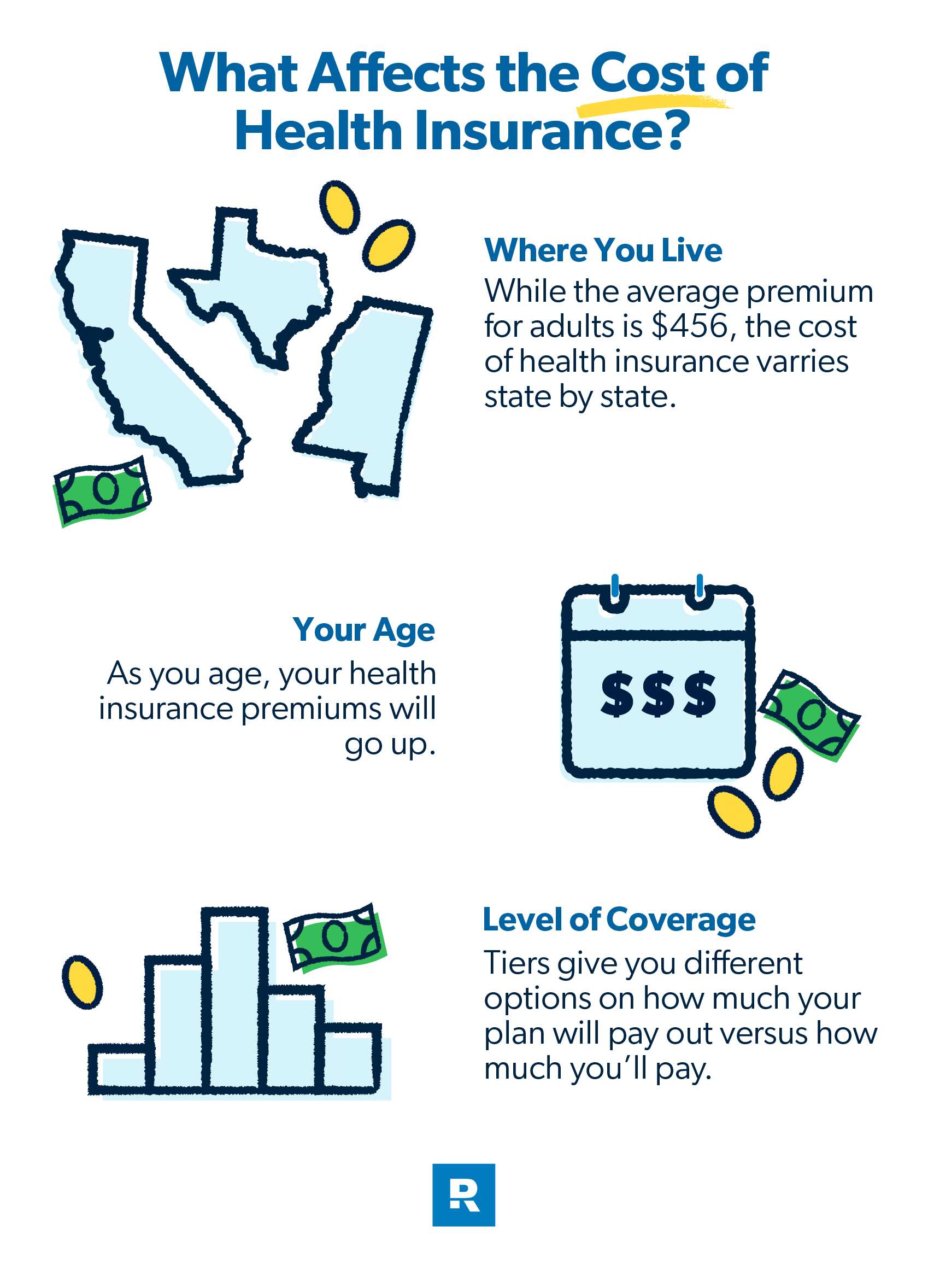
- Age: Generally, health insurance premiums increase with age. Older individuals typically have more health concerns and utilize more medical services, making them a higher risk for insurers. Under the Affordable Care Act (ACA), insurers can only charge older adults up to three times more than younger adults for the same plan, but this multiplier still results in substantial differences.
- Location: Where you live significantly impacts your premium. Healthcare costs vary widely by state, and even by county or zip code, due to differences in:
- Competition: The number of insurance companies operating in a given area.
- Local healthcare costs: The price of medical services, hospitals, and physician fees in the region.
- State regulations: Local laws and mandates regarding coverage and benefits.
- Overall health of the population: Areas with higher rates of chronic diseases may have higher average premiums.
Plan Type and Coverage Level: The Trade-off Between Cost and Benefits
The structure of your insurance plan directly influences its cost. Generally, plans offering more flexibility and lower out-of-pocket costs (deductibles, copays, coinsurance) will have higher premiums.
- Health Maintenance Organizations (HMOs): Typically have lower premiums but restrict coverage to doctors and hospitals within the plan’s network, often requiring a primary care physician (PCP) referral for specialists.
- Preferred Provider Organizations (PPOs): Offer more flexibility to choose providers (both in-network and out-of-network, though out-of-network costs more) and generally don’t require PCP referrals. This flexibility usually comes with higher premiums.
- Exclusive Provider Organizations (EPOs): Similar to HMOs in that they generally don’t cover out-of-network care, but often don’t require PCP referrals for specialists.
- Point of Service (POS) Plans: A hybrid that requires a PCP referral for specialists but offers some out-of-network coverage, usually at a higher cost.
- High-Deductible Health Plans (HDHPs): Characterized by lower monthly premiums but higher deductibles. These are often paired with Health Savings Accounts (HSAs), which offer significant tax advantages. While the monthly premium is low, individuals must be prepared to pay a substantial amount out-of-pocket before insurance kicks in.
Health Status and Lifestyle: A Complex Relationship
Prior to the ACA, individual health status was a major factor in determining premiums, with insurers able to deny coverage or charge significantly more for pre-existing conditions. The ACA largely eliminated this practice for most plans. However, certain lifestyle factors can still indirectly influence costs or eligibility for specific programs:
- Smoking Status: Insurers are allowed to charge tobacco users up to 50% more for premiums in many states.
- General Health Trends: While individual health doesn’t determine individual premiums for ACA-compliant plans, the overall health profile of a state or region can influence average costs due to higher or lower anticipated claims.
Provider Network and Formulary: Impact on Access and Cost
The specific doctors, hospitals, and pharmacies included in your plan’s network, and the list of prescription drugs (formulary) it covers, also impact costs:
- Narrow Networks: Plans with smaller, more restrictive networks of providers often have lower premiums because the insurer has negotiated lower rates with those specific providers.
- Broad Networks: Plans offering access to a wider range of providers typically come with higher premiums.
- Formulary: The comprehensiveness and tiering of your plan’s drug formulary can significantly affect your out-of-pocket prescription costs. A plan with a robust formulary covering your specific medications at lower tiers can save you substantial money.
Exploring Avenues for Health Insurance Coverage and Their Associated Costs
The path you take to obtain health insurance significantly influences both the types of plans available and their ultimate cost to you. Different avenues cater to diverse financial situations and eligibility criteria.
Employer-Sponsored Plans: The Most Common Route
For many Americans, employer-sponsored health insurance is the primary source of coverage. These plans are often the most cost-effective because employers typically contribute a substantial portion of the premium.
- Employer Contribution: On average, employers pay a significant percentage (often 70-80% or more) of the premium for single coverage and a slightly lower percentage for family coverage. This subsidy dramatically reduces the employee’s out-of-pocket premium cost.
- Employee Share: The employee is responsible for the remaining premium, which is usually deducted from their paycheck pre-tax, offering an additional financial benefit.
- Variety of Plans: Employers often offer a choice of plans (HMO, PPO, HDHP), allowing employees to select one that best fits their needs and budget, though the employer dictates the selection.
The Health Insurance Marketplace (ACA): Subsidies and Options for Individuals
The Affordable Care Act (ACA) established state-based and federal health insurance marketplaces (e.g., healthcare.gov) for individuals and families who don’t have access to affordable employer-sponsored coverage, or who are self-employed.
- Premium Tax Credits (Subsidies): A major feature of the ACA is financial assistance based on household income and size. Many individuals and families qualify for premium tax credits that reduce their monthly premium payments. These credits are paid directly to the insurer, making coverage much more affordable. Eligibility typically extends to those earning between 100% and 400% of the federal poverty level (FPL), though temporary expansions have made them available to more people.
- Cost-Sharing Reductions (CSRs): These are additional subsidies available to individuals and families with lower incomes (generally between 100% and 250% of the FPL) who enroll in Silver-level plans. CSRs reduce the amount you have to pay for deductibles, copayments, and coinsurance, effectively making your out-of-pocket maximum lower.
- Plan Tiers: Marketplace plans are categorized into metal tiers (Bronze, Silver, Gold, Platinum) based on how they split costs with you:
- Bronze: Lowest premiums, highest deductibles/out-of-pocket costs (covers 60% of costs on average).
- Silver: Moderate premiums, moderate deductibles/out-of-pocket costs (covers 70% of costs on average, and is the only tier eligible for CSRs).
- Gold: Higher premiums, lower deductibles/out-of-pocket costs (covers 80% of costs on average).
- Platinum: Highest premiums, lowest deductibles/out-of-pocket costs (covers 90% of costs on average).
Medicare and Medicaid: Government Programs for Specific Demographics
These vital government programs provide coverage for specific populations.
- Medicare: Primarily for individuals aged 65 or older, and younger people with certain disabilities or end-stage renal disease. It has various parts (A, B, C, D) with different premium structures:
- Part A (Hospital Insurance): Often premium-free for most people who paid Medicare taxes through employment.
- Part B (Medical Insurance): Has a monthly premium, which can be deducted from Social Security benefits. Higher-income earners pay a higher premium (Income-Related Monthly Adjustment Amount – IRMAA).
- Part D (Prescription Drug Coverage): Varies widely based on the chosen plan, with separate premiums.
- Medicare Advantage (Part C): Private plans that combine A, B, and usually D. Premiums vary by plan, and some have low or even $0 monthly premiums beyond the Part B premium.
- Medicaid: A joint federal and state program that provides health coverage to low-income adults, children, pregnant women, elderly adults, and people with disabilities. Eligibility requirements and benefits vary by state, but for those who qualify, coverage is typically very low cost or free.
Private Health Insurance: Direct Purchase and Short-Term Plans
Individuals can also purchase private health insurance directly from an insurer outside of the Marketplace.
- Direct Purchase (ACA-compliant): These plans offer similar benefits and consumer protections as Marketplace plans but without the potential for premium subsidies. They are an option for those who don’t qualify for subsidies or prefer to deal directly with an insurer.
- Short-Term Health Insurance: These are temporary plans (typically 3 months to less than a year, renewable up to 36 months in some states) designed to bridge gaps in coverage. They are generally much cheaper than ACA-compliant plans because they are not required to cover essential health benefits, can deny coverage or charge more for pre-existing conditions, and do not have annual out-of-pocket maximums for covered services (though they might have a maximum benefit amount). They are a high-risk, low-cost option best suited for healthy individuals who are fully aware of their limitations and potential financial exposure.
Strategies for Optimizing Your Health Insurance Investment

Given the complexities and significant costs associated with health insurance, a proactive approach to selection and utilization is crucial for financial well-being. Smart strategies can help you find affordable coverage that meets your needs.
Thoroughly Evaluating Your Healthcare Needs and Usage
Before even looking at plans, take stock of your anticipated healthcare needs:
- Doctor Visits: How often do you (or your family) typically visit the doctor? Do you have chronic conditions requiring regular appointments?
- Prescriptions: What medications do you take regularly, and what are their typical costs? Check if they’re on the plan’s formulary.
- Specialists: Do you regularly see specialists (e.g., dermatologists, allergists)? Do these require referrals?
- Anticipated Procedures: Are you planning for surgery, pregnancy, or other significant medical events in the coming year?
- Risk Tolerance: Are you comfortable with a higher deductible in exchange for a lower premium, or do you prefer the predictability of lower out-of-pocket costs even with a higher monthly payment?
If you anticipate frequent medical care, a plan with lower deductibles and copays (like a Gold or Platinum plan on the Marketplace, or a traditional PPO/HMO) might be more cost-effective despite higher premiums. If you are generally healthy and only expect preventative care, an HDHP with a lower premium could save you money, provided you have an emergency fund to cover the deductible.
Leveraging Subsidies and Tax Credits on the Marketplace
If you are purchasing insurance through the Health Insurance Marketplace, do not skip the subsidy eligibility check.
- Premium Tax Credits: These credits can significantly reduce your monthly premium. Even if you think your income is too high, it’s worth checking, as income thresholds and eligibility rules can change.
- Cost-Sharing Reductions (CSRs): If your income qualifies, CSRs automatically improve a Silver plan, lowering your deductibles, copays, and out-of-pocket maximums. This makes Silver plans a particularly strong value for eligible individuals.
Always use the official Marketplace website or a certified broker to ensure you receive all eligible financial assistance.
Maximizing Benefits from Employer-Sponsored Plans
If you have access to employer-sponsored insurance, explore all the benefits your employer offers:
- Wellness Programs: Many employers offer incentives (e.g., lower premiums, gift cards, HSA contributions) for participating in wellness activities, health screenings, or smoking cessation programs. These can directly reduce your healthcare costs.
- Health Savings Accounts (HSAs) and Flexible Spending Accounts (FSAs): These tax-advantaged accounts are powerful tools for managing healthcare expenses.
The Role of Health Savings Accounts (HSAs) and Flexible Spending Accounts (FSAs)
These accounts are critical financial tools for health-related expenses:
- Health Savings Accounts (HSAs): Available only with High-Deductible Health Plans (HDHPs). HSAs offer a triple tax advantage: contributions are tax-deductible, earnings grow tax-free, and withdrawals for qualified medical expenses are tax-free. Unlike FSAs, HSA funds roll over year to year and are portable, making them excellent long-term savings vehicles for healthcare costs, especially in retirement. Employers may also contribute to employee HSAs, further boosting savings.
- Flexible Spending Accounts (FSAs): Typically offered with traditional (non-HDHP) health plans. Contributions are pre-tax, reducing your taxable income. Funds can be used for qualified medical expenses. However, FSAs generally have a “use-it-or-lose-it” rule, meaning funds not spent by year-end (with some minor grace period or rollover exceptions) are forfeited. FSAs are useful for planning known annual medical expenses.
Choosing an HDHP with an HSA can be a strategic financial move for healthy individuals who can afford the deductible, allowing them to save for future healthcare needs with significant tax benefits.
Comparing Plans Annually: Don’t Set It and Forget It
Health insurance needs and options change. It’s crucial to review your plan during open enrollment each year:
- Changes in Health: Your health status might have changed, making a different plan type more suitable.
- Changes in Finances: Your income or family size might have changed, affecting subsidy eligibility or your budget for premiums and deductibles.
- Changes in Plans: Insurers frequently adjust premiums, deductibles, formularies, and provider networks. A plan that was perfect last year might not be the best value this year.
- New Providers: Ensure your preferred doctors are still in-network.
Annual comparison allows you to re-evaluate whether your current plan remains the most cost-effective and appropriate option for your evolving needs.
The Evolving Landscape of Health Insurance Costs: Trends and Outlook
The trajectory of health insurance costs is rarely static. Several macroeconomic and policy-driven forces continually reshape the pricing structure, demanding vigilance from consumers and policymakers alike. Understanding these trends provides valuable foresight for financial planning.
Inflation and Healthcare Service Costs: A Relentless Upward Trend
One of the most persistent drivers of rising health insurance premiums is the underlying inflation in healthcare service costs. The cost of medical care—from hospital stays and surgical procedures to diagnostic tests and prescription drugs—continues to outpace general inflation.
- Advancements in Technology: While beneficial, cutting-edge medical technologies, pharmaceuticals, and treatments are often expensive to research, develop, and implement.
- Provider Consolidation: Mergers and acquisitions among hospitals and healthcare systems can reduce competition, potentially leading to higher prices.
- Labor Costs: The healthcare sector is labor-intensive, and rising wages for doctors, nurses, and other medical professionals contribute to higher costs.
- Administrative Overhead: The complex billing and administrative processes in the U.S. healthcare system also add significant overhead.
As these fundamental costs rise, insurance companies inevitably pass a portion of these increases onto consumers in the form of higher premiums, deductibles, and copayments.
Policy Changes and Their Potential Impact
Government policies play a pivotal role in shaping the health insurance market. Legislative and regulatory changes can significantly impact costs, accessibility, and the types of plans available.
- Affordable Care Act (ACA) Adjustments: Ongoing debates and potential amendments to the ACA can affect subsidies, essential health benefits, and market regulations, all of which influence premium prices. For instance, changes to federal funding for state marketplaces or alterations to subsidy formulas could directly impact what individuals pay.
- State-Level Reforms: Beyond federal policy, individual states often implement their own reforms regarding insurance mandates, consumer protections, and funding for state-specific programs, leading to regional variations in cost and coverage.
- Drug Pricing Legislation: Efforts to control prescription drug prices, whether through negotiation, import policies, or caps on out-of-pocket costs, could have a substantial impact on overall insurance expenses, particularly for those with chronic conditions.
These policy shifts introduce an element of uncertainty, requiring individuals to stay informed about potential impacts on their financial planning.
Innovation in Healthcare Delivery and Its Cost Implications
While medical innovation often drives up costs, advancements in how healthcare is delivered can offer potential avenues for efficiency and savings.
- Telehealth and Virtual Care: The widespread adoption of telehealth has shown promise in reducing costs for routine consultations and follow-ups by minimizing travel time and facility overhead. As these services become more integrated, they could mitigate some cost pressures.
- Preventative Care: Increased emphasis on preventative care and wellness programs, both by insurers and employers, aims to reduce the incidence and severity of chronic diseases, theoretically leading to lower long-term healthcare costs.
- Value-Based Care Models: A shift from fee-for-service to value-based care, where providers are reimbursed based on patient outcomes rather than the volume of services, could incentivize more efficient and effective care, potentially leading to cost savings.
The extent to which these innovations can offset rising costs is a critical question for the future of health insurance affordability.
Shifting Responsibilities: More Costs on the Consumer?
A prevailing trend in health insurance is the increasing shift of financial responsibility from insurers to consumers, particularly through higher deductibles and out-of-pocket maximums.
- Rise of HDHPs: High-Deductible Health Plans (HDHPs) have become increasingly common, both in employer-sponsored coverage and on the individual market. While offering lower premiums, they place a greater burden on individuals to cover initial medical expenses.
- Higher Out-of-Pocket Maxima: Even in plans with lower deductibles, the general trend has seen out-of-pocket maximums steadily increase over time, meaning individuals are liable for more before their insurance covers 100%.
This trend necessitates that individuals have robust emergency savings or dedicated Health Savings Accounts to prepare for potential medical expenses, making personal financial management and budgeting even more crucial in the evolving healthcare landscape. The “average” health insurance cost, therefore, needs to be interpreted not just as a premium, but as a potential sum of premium plus significant out-of-pocket liabilities, underscoring the importance of comprehensive financial readiness.
aViewFromTheCave is a participant in the Amazon Services LLC Associates Program, an affiliate advertising program designed to provide a means for sites to earn advertising fees by advertising and linking to Amazon.com. Amazon, the Amazon logo, AmazonSupply, and the AmazonSupply logo are trademarks of Amazon.com, Inc. or its affiliates. As an Amazon Associate we earn affiliate commissions from qualifying purchases.