
In an era defined by rapid technological advancement, the imperative to foster sustainable living has never been more critical. Our ecological footprint – the measure of human demand on the Earth’s ecosystems – continues to expand, driven by consumption, energy use, and resource depletion. Fortunately, the very innovations that have often contributed to this expansion are now offering powerful solutions to mitigate it. By strategically integrating technology into our daily lives and business practices, we can significantly reduce our environmental impact, moving towards a more sustainable and regenerative future. This article will explore how leveraging cutting-edge technology, from smart home systems to artificial intelligence, can pave the way for a drastically smaller ecological footprint.

Leveraging Smart Home Technology for Energy Efficiency
One of the most immediate and impactful areas for reducing our ecological footprint lies within our own homes. Smart home technology, once a luxury, has become an accessible suite of tools designed to optimize energy consumption, enhance resource management, and automate sustainability efforts.
Optimizing HVAC with Smart Thermostats
Heating, Ventilation, and Air Conditioning (HVAC) systems are notorious energy guzzlers, accounting for a significant portion of household energy bills and carbon emissions. Smart thermostats like Nest, Ecobee, or Honeywell Home transcend basic programmable models. They learn your preferences, adapt to seasonal changes, and integrate with weather forecasts to pre-heat or pre-cool your home efficiently. Furthermore, features like geo-fencing automatically adjust temperatures when you’re away, preventing energy waste. Some even offer zoning capabilities, allowing you to heat or cool only the rooms currently in use, a substantial leap forward from traditional whole-house climate control. The data collected by these devices also provides invaluable insights into usage patterns, empowering users to make more informed decisions about their energy consumption.
Smart Lighting Systems and Energy Savings
Lighting, while seemingly minor, contributes significantly to household energy consumption. Traditional incandescent bulbs are highly inefficient, wasting most of their energy as heat. The advent of LED technology has revolutionized this, offering dramatically lower energy consumption and longer lifespans. Smart lighting systems, featuring app-controlled LED bulbs and fixtures (e.g., Philips Hue, LIFX), take efficiency a step further. They allow for precise control over brightness, color, and scheduling. Occupancy sensors can ensure lights are only on when a room is in use, while daylight harvesting sensors can automatically dim artificial lights when sufficient natural light is available. Beyond mere efficiency, these systems can create dynamic lighting environments that reduce reliance on excessive artificial illumination, fostering a more natural and energy-conscious living space.
Connected Appliances for Reduced Consumption
The Internet of Things (IoT) has brought connectivity to an array of home appliances, transforming them into smart, energy-aware devices. Smart refrigerators can track inventory and suggest recipes to minimize food waste. Smart washing machines and dishwashers can optimize water and energy use based on load size and soil level, often connecting to energy grids to run during off-peak hours when electricity is cheaper and often cleaner. Smart water heaters can learn usage patterns and pre-heat water only when needed, avoiding constant energy drain. While the initial investment in smart appliances can be higher, the long-term energy and water savings, coupled with enhanced convenience, make them a compelling choice for reducing a household’s ecological footprint.
Energy Monitoring and Analytics Tools
Beyond individual devices, comprehensive home energy monitoring systems provide a holistic view of your energy consumption. Tools like Sense or Emporia Vue connect to your home’s electrical panel, providing real-time data on energy use down to individual circuits and appliances. This granular insight allows homeowners to identify energy vampires, understand peak usage times, and pinpoint areas for improvement. Paired with user-friendly dashboards and mobile apps, these analytics tools transform abstract energy bills into actionable data, empowering users to make targeted changes that lead to measurable reductions in their ecological footprint.
Sustainable Digital Habits and Green Computing
Our digital lives, while seemingly intangible, also carry an ecological footprint. From the energy required to power data centers to the raw materials embedded in our devices, computing has environmental consequences. Adopting sustainable digital habits and embracing green computing principles can significantly lessen this impact.
Cloud Computing and Data Center Efficiency
The vast infrastructure underpinning the internet—data centers—consume immense amounts of energy. However, cloud computing, when managed by leading providers, often offers a more energy-efficient alternative to on-premise servers. Hyperscale data centers, operated by companies like Google, Amazon, and Microsoft, are designed for extreme efficiency, employing advanced cooling techniques, leveraging renewable energy sources, and achieving significantly higher server utilization rates than typical private data centers. By migrating to the cloud, businesses and individuals can effectively reduce their IT infrastructure’s energy footprint, contributing to a broader shift towards more sustainable digital operations.
Eco-Conscious Device Management
The lifecycle of our personal devices—smartphones, laptops, tablets—is a major contributor to our ecological footprint, from resource extraction and manufacturing to disposal. Eco-conscious device management involves making informed choices throughout this lifecycle. This includes opting for devices with modular designs that allow for easy repair and upgrades, extending their lifespan. Prioritizing energy-efficient models and using power-saving settings can reduce operational energy consumption. Furthermore, responsible recycling through certified e-waste programs ensures that valuable materials are recovered and hazardous substances are managed safely, rather than ending up in landfills.
The Environmental Impact of Digital Content
Every email sent, video streamed, and photo uploaded consumes energy. While individually small, the cumulative effect of our digital habits is substantial. To reduce this footprint, consider optimizing file sizes before uploading, deleting unnecessary emails and cloud data, and being mindful of streaming habits (e.g., opting for standard definition when high definition isn’t crucial). Supporting platforms that use green hosting providers or invest in renewable energy also contributes to a more sustainable digital ecosystem.
Sustainable Software Development Practices
The software industry itself has a role to play in green computing. Sustainable software development involves writing efficient code that consumes fewer resources (CPU, memory), thereby reducing the energy required to run applications. Developers can also optimize algorithms, minimize data transfers, and design user interfaces that discourage excessive processing. Furthermore, promoting open-source software can extend the lifespan of hardware by providing compatible and updated software for older devices, preventing premature obsolescence.
Tech-Driven Solutions for Waste Reduction and Circularity
Waste generation is a monumental challenge for our planet, leading to landfill overflow, pollution, and resource depletion. Technology offers innovative pathways to reduce waste, foster circular economies, and redefine our relationship with materials.
Smart Waste Management Systems
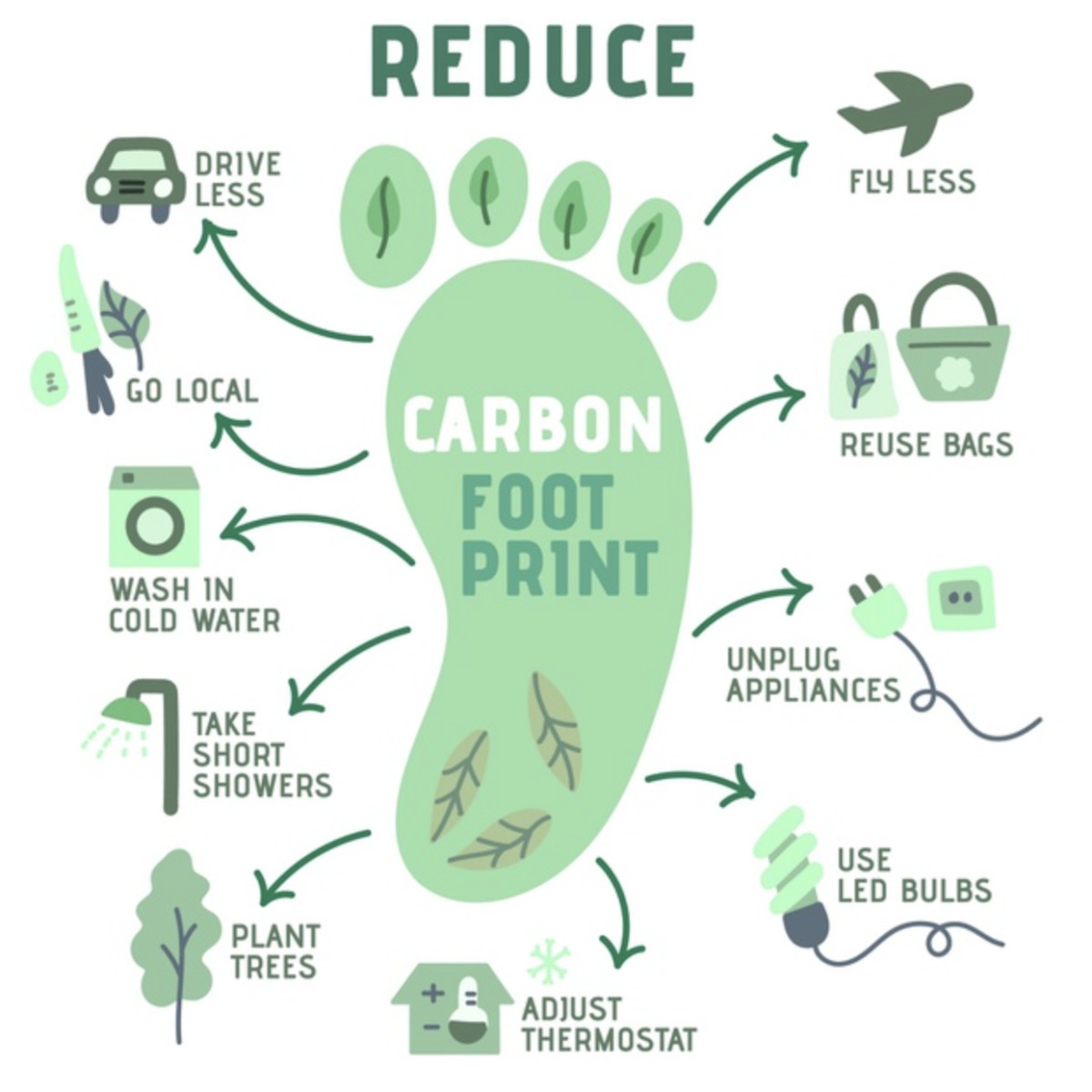
Traditional waste collection is often inefficient, with trucks making fixed routes regardless of bin fullness, leading to unnecessary fuel consumption and emissions. Smart waste management systems employ IoT sensors within bins to monitor fill levels in real-time. This data allows for optimized collection routes, ensuring trucks only service full bins, significantly reducing fuel use, operational costs, and traffic congestion. Beyond collection, AI-powered sorting robots are improving the efficiency and accuracy of recycling facilities, separating materials that humans might miss and reducing contamination rates.
Repair, Reuse, and Recycling Platforms
Technology is empowering the “repair, reuse, recycle” paradigm. Online platforms and apps are connecting individuals with local repair services, making it easier to fix broken electronics, appliances, and clothing instead of discarding them. Communities and marketplaces dedicated to second-hand goods (e.g., eBay, Freecycle, local online groups) facilitate the reuse of items, giving them a second life and preventing them from entering the waste stream. Furthermore, advanced recycling technologies, such as chemical recycling for plastics or urban mining for precious metals, are transforming waste into valuable resources, closing the loop on material flows.
3D Printing and Localized Production
Additive manufacturing, or 3D printing, has the potential to revolutionize production and reduce waste. By building objects layer by layer, 3D printing significantly reduces material waste compared to subtractive manufacturing methods. Furthermore, it enables localized, on-demand production, reducing the need for long-distance shipping and associated carbon emissions. From spare parts for appliances to customized products, 3D printing can lead to more efficient resource use and a more resilient, less wasteful supply chain.
Blockchain for Supply Chain Transparency
A significant portion of our ecological footprint comes from opaque supply chains, where the origin and environmental impact of products are often unknown. Blockchain technology offers a solution by providing immutable, transparent records of every step in a product’s journey, from raw material to consumer. This transparency can hold companies accountable for sustainable sourcing, ethical labor practices, and reduced environmental impact, allowing consumers to make more informed choices and pressure brands towards greater sustainability.
Innovating Transportation with Green Tech
Transportation is a major contributor to greenhouse gas emissions and air pollution. Technological advancements are transforming how we move, offering greener alternatives and more efficient systems.
Electric Vehicles and Charging Infrastructure
The transition from internal combustion engine vehicles (ICEVs) to Electric Vehicles (EVs) is a cornerstone of reducing transportation’s ecological footprint. EVs produce zero tailpipe emissions, and their overall lifecycle emissions are significantly lower, especially when charged with renewable energy. The increasing availability of high-performance EVs, coupled with the rapid expansion of charging infrastructure (including smart chargers that optimize charging times for grid stability), is making sustainable personal transport a reality for more people. Further innovations in battery technology promise even greater range and faster charging, accelerating adoption.
Smart Mobility Apps and Public Transit
Technology is also enhancing the efficiency and appeal of public transportation and shared mobility. Smart mobility apps provide real-time information on bus and train schedules, traffic conditions, and ride-sharing options, allowing users to plan the most efficient and least carbon-intensive journeys. These platforms can integrate various modes of transport—from e-scooters and bike-sharing to carpooling—making it easier for individuals to forgo private vehicle ownership. Data analytics derived from these apps can also inform urban planners, enabling them to optimize public transit routes and frequencies for maximum ridership and minimal environmental impact.
Telecommuting and Virtual Collaboration Tools
The COVID-19 pandemic highlighted the profound impact of telecommuting on reducing emissions from daily commutes. Virtual collaboration tools, high-speed internet, and cloud-based platforms enable seamless remote work, reducing the need for daily travel to offices. Beyond work, these tools facilitate virtual meetings, conferences, and even social gatherings, significantly cutting down on air travel and associated emissions. While not a complete replacement for in-person interaction, widespread adoption of these technologies offers a powerful, sustained reduction in our collective transportation footprint.
Data, AI, and the Future of Sustainable Living
At the frontier of technological innovation, data science and artificial intelligence (AI) are emerging as critical enablers for unprecedented ecological footprint reduction. Their capacity to process vast datasets, identify patterns, and optimize complex systems offers transformative potential.
AI-Powered Resource Optimization
AI algorithms can analyze massive amounts of data from various sources—weather patterns, energy prices, historical consumption, operational performance—to optimize resource use across sectors. In agriculture, AI can precisely manage irrigation and fertilization, reducing water and chemical waste. In manufacturing, AI can optimize production processes to minimize material scrap and energy consumption. For smart cities, AI can manage traffic flow to reduce idling emissions or optimize public utility networks for peak efficiency. These optimizations translate directly into reduced resource depletion and a smaller ecological footprint.
Big Data for Environmental Monitoring
Big data analytics, coupled with AI, is revolutionizing environmental monitoring and conservation. Satellite imagery, IoT sensors deployed in ecosystems, and drone technology collect unprecedented volumes of data on deforestation, ocean pollution, air quality, and biodiversity loss. AI processes this data to identify trends, predict environmental changes, and pinpoint illegal activities (like poaching or unauthorized logging) with remarkable accuracy. This enhanced understanding and real-time monitoring empower policymakers, conservationists, and individuals to take swift, data-driven action to protect our planet.
Personalized Footprint Tracking Apps
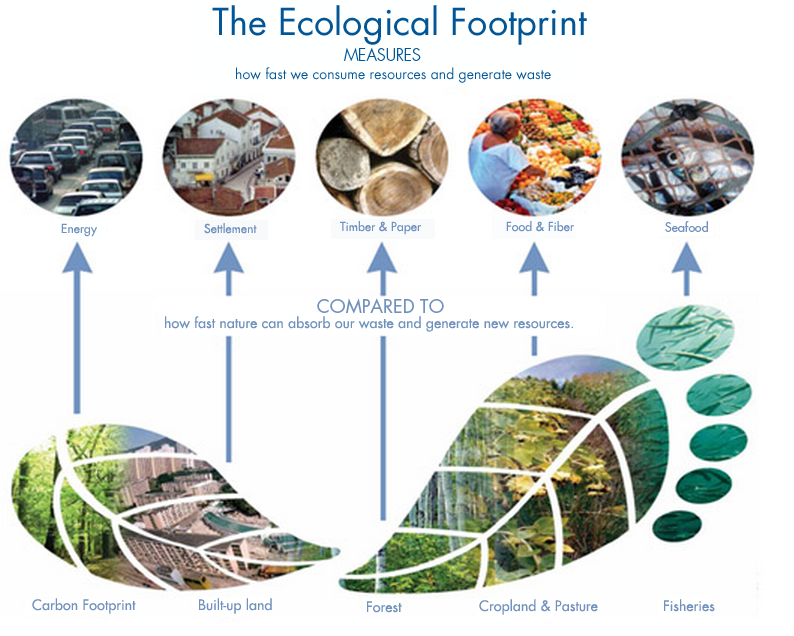
A crucial step in reducing one’s ecological footprint is understanding it. Personalized footprint tracking apps leverage data science to help individuals monitor their environmental impact across various categories: energy consumption, diet, transportation, and waste. By integrating with smart home devices, financial apps, and personal input, these tools can provide an accurate, real-time assessment of an individual’s footprint. Many apps also offer actionable recommendations, personalized challenges, and gamified incentives to encourage sustainable behaviors, fostering a deeper connection between personal choices and global environmental impact.
In conclusion, technology is not merely a tool for convenience or profit; it is an indispensable ally in our collective quest to reduce our ecological footprint. From the intelligent automation of smart homes to the profound analytical capabilities of AI and big data, technological innovation offers a myriad of solutions to optimize resource use, minimize waste, and transition towards a more sustainable way of life. Embracing these technologies, both individually and collectively, is not just about environmental responsibility; it’s about leveraging human ingenuity to secure a thriving future for all.
aViewFromTheCave is a participant in the Amazon Services LLC Associates Program, an affiliate advertising program designed to provide a means for sites to earn advertising fees by advertising and linking to Amazon.com. Amazon, the Amazon logo, AmazonSupply, and the AmazonSupply logo are trademarks of Amazon.com, Inc. or its affiliates. As an Amazon Associate we earn affiliate commissions from qualifying purchases.