
In an era defined by data and connectivity, understanding and managing personal health metrics has become more accessible than ever before. For many, the journey towards better health, weight management, or optimized athletic performance begins with a fundamental question: “How do I find my calorie intake?” While the underlying physiological principles remain constant, the methods for accurately calculating and tracking caloric needs have been revolutionized by technological advancements. This article delves into the sophisticated digital tools, software, and AI-driven insights that empower individuals to precisely determine and manage their energy consumption, transforming what was once a complex, manual endeavor into an intuitive, data-rich experience.
The Fundamental Science: Understanding Your Energy Needs
Before diving into the digital toolkit, it’s crucial to grasp the basic biological concepts that dictate our calorie requirements. Calories are units of energy that our bodies need to function, from basic metabolic processes to vigorous physical activity. Accurately determining your intake goals requires an understanding of your baseline energy expenditure and how your daily activities augment it.
Basal Metabolic Rate (BMR) Explained
Your Basal Metabolic Rate (BMR) represents the minimum number of calories your body needs to perform essential, life-sustaining functions while at rest. This includes breathing, circulation, cell production, nutrient processing, and temperature regulation. It’s the energy expenditure of your body if you were to spend an entire day in bed, doing nothing. BMR is influenced by factors such as age, sex, weight, height, and genetics. While older formulas like the Harris-Benedict equation were foundational, modern technology often employs more precise calculations, or at least makes them incredibly easy to access.
Total Daily Energy Expenditure (TDEE) and Activity Levels
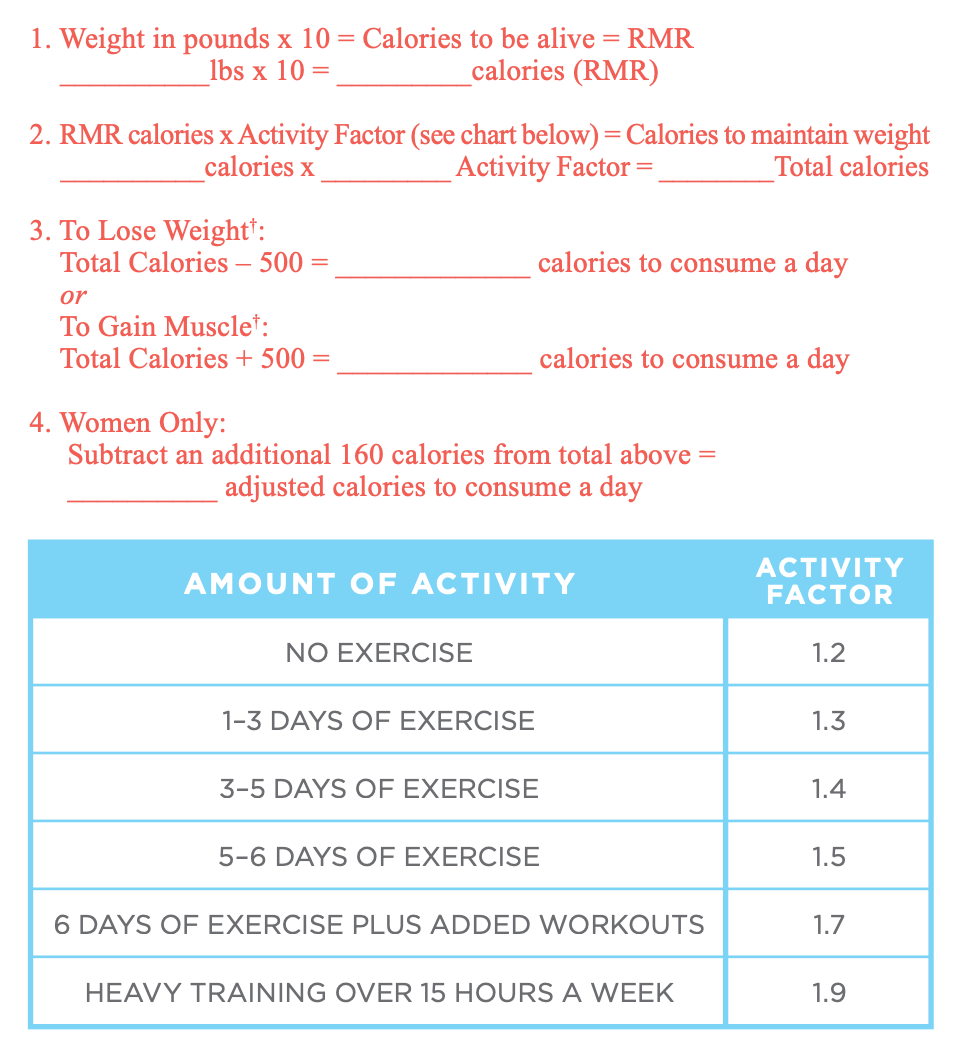
Your BMR is just the starting point. Your Total Daily Energy Expenditure (TDEE) accounts for your BMR plus the energy expended through all physical activity. This includes everything from fidgeting and walking to intense workouts. To calculate TDEE, your BMR is multiplied by an activity factor, which typically ranges from 1.2 (sedentary) to 1.9+ (extremely active). Determining this activity factor accurately is where digital tools truly shine, offering granular tracking that goes far beyond simple self-assessment.
The Role of Macronutrients (A Digital Perspective)
While not strictly about calorie calculation, understanding macronutrients (proteins, carbohydrates, and fats) is vital for effective calorie management, and technology plays a significant role in this. Each gram of protein and carbohydrates provides approximately 4 calories, while fat provides 9 calories. Modern nutrition apps not only track total caloric intake but also break down macronutrient ratios, allowing users to tailor their diet for specific goals, whether it’s muscle gain, fat loss, or improved athletic performance. This digital breakdown empowers users to make informed dietary choices, ensuring the quality of their calories matches their objectives.
Leveraging Digital Tools for Precise Calculation
The days of cumbersome manual calculations and guesstimates are largely behind us. A robust ecosystem of digital tools now offers unprecedented precision and convenience in determining calorie intake.
Online Calculators: Mifflin-St Jeor and Harris-Benedict Formulas
The simplest entry point for many is online calorie calculators. These web-based utilities automate complex formulas like the Mifflin-St Jeor equation, widely considered more accurate than older models, or the revised Harris-Benedict equation. Users input basic parameters—age, sex, height, weight, and activity level—and the calculator instantly provides an estimated BMR and TDEE. While a great starting point, their accuracy is limited by the user’s subjective assessment of their activity level. However, these tools are invaluable for a quick, initial baseline estimate without needing to download any software. Many offer a user-friendly interface that guides you through the process, often with visual aids.
Dedicated Nutrition Tracking Apps: Features and Benefits
The true power of technology in calorie management lies in dedicated nutrition tracking applications. Apps like MyFitnessPal, Cronometer, Lose It!, and countless others have become indispensable for millions. These apps offer a vast, searchable food database (often including barcode scanners for quick entry), allowing users to log every meal, snack, and beverage.
Key features and benefits include:
- Extensive Food Databases: With millions of verified entries, including restaurant items and common packaged foods, logging is streamlined.
- Barcode Scanning: A quick scan instantly pulls up nutritional information, dramatically reducing data entry time.
- Recipe Builders: Users can input ingredients for homemade meals, and the app calculates the nutritional breakdown per serving.
- Macronutrient Tracking: Beyond total calories, these apps provide a detailed breakdown of protein, carbs, and fats, essential for targeted dietary approaches.
- Goal Setting and Progress Tracking: Users can set weight loss, maintenance, or gain goals, and the app tracks progress over time with charts and graphs.
- Community Support: Many apps integrate social features, allowing users to share progress and find motivation.
- Cross-Platform Availability: Seamless syncing across smartphones, tablets, and web interfaces ensures accessibility anywhere.
These apps act as a personalized digital nutritionist, providing real-time feedback on dietary choices and ensuring users stay within their caloric and macronutrient targets.
Wearable Technology: Integrating Activity Data
The integration of wearable technology has elevated calorie tracking to an entirely new level. Smartwatches (e.g., Apple Watch, Samsung Galaxy Watch), fitness trackers (e.g., Fitbit, Garmin), and smart rings (e.g., Oura Ring) continuously monitor a wide array of physiological data.
How wearables enhance calorie calculation:
- Heart Rate Monitoring: Provides a more accurate estimate of calorie expenditure during exercise than generalized activity factors.
- Step Tracking: Quantifies non-exercise activity thermogenesis (NEAT), which contributes significantly to TDEE.
- GPS Tracking: For outdoor activities like running or cycling, GPS data combined with other metrics offers precise distance and speed-based calorie burn estimates.
- Sleep Tracking: While not directly related to burning calories, adequate sleep is crucial for metabolic health, and many apps integrate this data for a holistic view.
- Automatic Syncing: Most wearables seamlessly sync data with nutrition tracking apps, automatically updating the “calories out” side of the energy balance equation, providing a much more dynamic and accurate TDEE.
This continuous, passive data collection eliminates much of the guesswork previously associated with determining activity levels, offering an unprecedented level of personalized insight into daily energy expenditure.
Advanced Strategies for Accurate Tracking and Optimization
Moving beyond basic calculation, modern tech offers sophisticated methods for refining accuracy and optimizing nutritional intake.
The Art of Food Logging: From Manual Entry to Barcode Scanning
While powerful, nutrition apps are only as accurate as the data inputted. Mastering the “art” of food logging involves:
- Precise Measurement: Using digital kitchen scales is paramount for accurate portion sizing, eliminating estimation errors. Many apps integrate with smart scales for automatic data entry.
- Barcode Scanning Efficiency: Utilizing the app’s barcode scanner for packaged foods dramatically speeds up logging and ensures accuracy by pulling official nutritional data.
- Restaurant Database Utilization: For dining out, leverage apps’ extensive databases of restaurant meals, though always be mindful of potential discrepancies. Some apps even integrate with point-of-sale systems for more precise estimates.
- Recipe Creation: For home cooks, inputting custom recipes allows for precise per-serving calorie and macro calculations, a feature many advanced apps offer with intuitive interfaces.
- Data Security and Privacy: As logging becomes more detailed, users should be aware of the app’s data security protocols and privacy policies, ensuring their sensitive health information is protected.
Understanding Data Interpretation: Beyond the Numbers
The true value of digital tools isn’t just in logging data, but in interpreting it. Modern apps provide:
- Trend Analysis: Visual graphs and charts help users identify patterns in their intake, weight fluctuations, and activity levels over time.
- Nutrient Deficiencies/Excesses: Advanced apps flag potential micronutrient deficiencies or excessive intake, providing prompts for dietary adjustments.
- Customizable Dashboards: Users can tailor their app dashboard to highlight the most relevant metrics for their goals, whether it’s protein intake, fiber, or specific vitamins.
- Predictive Analytics: Some AI-powered tools can even predict future weight changes based on current intake and activity, offering a powerful motivational and planning tool.
This data-driven approach empowers users to move beyond simply counting calories to understanding the holistic impact of their diet and activity.
AI-Powered Insights and Personalized Recommendations
The frontier of calorie management is increasingly shaped by Artificial Intelligence. AI algorithms analyze vast datasets, including personal logs, wearable data, and even genetic information (where available), to offer highly personalized insights:
- Dynamic Calorie Adjustments: Instead of static TDEE estimates, AI can dynamically adjust daily calorie targets based on real-time activity, sleep patterns, and even stress levels, optimizing for daily fluctuations.
- Personalized Meal Plans: AI can generate customized meal plans that fit individual preferences, dietary restrictions, and macronutrient goals, taking the guesswork out of food choices.
- Behavioral Nudging: AI can identify habitual patterns (e.g., late-night snacking, skipping breakfast) and provide timely, gentle nudges or alternative suggestions to improve adherence.
- Adaptive Learning: The more data an individual provides, the smarter the AI becomes at understanding their unique metabolism and responding to their body’s signals.
- Integrations with Smart Appliances: Emerging AI tools are beginning to integrate with smart kitchen appliances (e.g., smart scales, smart ovens), creating a more automated and seamless tracking experience.
This level of intelligent personalization transforms calorie tracking from a rigid calculation into a dynamic, adaptive strategy for optimal health.
Practical Application and Sustained Success
Harnessing technology for calorie intake management requires consistent effort and strategic application.
Setting Realistic Goals with Technology’s Aid
Technology assists in setting and monitoring achievable goals:
- Baseline Establishment: Use initial calculations (BMR, TDEE) as a scientific baseline.
- Incremental Adjustments: Nutrition apps allow for precise, small adjustments to caloric intake, making the process of weight loss or gain more controlled and sustainable.
- Visual Progress Tracking: Seeing weight trends, body measurements, and calorie consistency graphed over time provides powerful motivation and feedback, enabling users to adjust strategies as needed.
- Reminders and Notifications: Many apps offer customizable reminders for logging meals, drinking water, or performing physical activity, aiding consistency.
Overcoming Common Tracking Challenges with Tech Solutions
Despite the advantages, challenges exist:
- Logging Fatigue: Overcome with barcode scanners, voice input (available in some apps), and “quick add” features for common foods.
- Accuracy Issues: Minimized by using verified food databases, smart scales, and cross-referencing information.
- Social Eating: Many apps offer features to estimate calories for restaurant meals or allow for flexible logging, understanding that perfect adherence isn’t always possible.
- Data Overload: Customizable dashboards and AI-driven summaries help filter out noise, presenting only the most relevant insights.
The Human Element: When to Consult a Professional
While technology is incredibly powerful, it’s a tool, not a substitute for human expertise.
- Complex Health Conditions: Individuals with diabetes, eating disorders, or other medical conditions should always consult a registered dietitian or doctor.
- Personalized Guidance: For highly specific athletic goals or intricate dietary needs, a human coach or nutritionist can interpret data and provide nuanced advice that algorithms might miss.
- Troubleshooting Plateaus: When digital tools alone aren’t yielding results, a professional can offer an external perspective and help identify underlying issues.
- Ethical Considerations: Relying solely on technology can sometimes lead to an obsessive focus on numbers; a balanced approach that includes self-awareness and professional guidance is crucial for long-term well-being.
The Future of Calorie Management: Emerging Technologies
The evolution of calorie management is far from over. New technologies promise even more integrated, personalized, and effortless tracking experiences.
Smart Kitchen Appliances and IoT Integration
The Internet of Things (IoT) is increasingly extending into the kitchen. Smart scales that automatically log food weight to your app, smart ovens that suggest healthy recipes, and even smart refrigerators that track inventory and suggest meal plans are becoming realities. This integration will reduce manual logging, making the process nearly seamless and embedded into daily life.
Personalized Nutrition through Genomics and AI
The cutting edge involves integrating an individual’s genetic profile with AI. By understanding how specific genes influence metabolism, nutrient absorption, and satiety, AI can offer hyper-personalized dietary recommendations that go beyond general guidelines, tailoring calorie and macronutrient targets to an individual’s unique biological blueprint. This moves beyond ‘one-size-fits-all’ to ‘one-size-fits-you’ at a molecular level.

Virtual Coaches and Gamified Approaches
Further advancements will see highly sophisticated AI virtual coaches capable of not just tracking, but also providing real-time motivation, psychological support, and behavioral change strategies. Gamification elements, rewarding adherence and progress, will make the journey of calorie management more engaging and sustainable, transforming health tracking into an interactive and enjoyable experience.
In conclusion, finding and managing your calorie intake has been transformed by a suite of sophisticated technological tools. From intuitive apps and wearable devices to advanced AI and IoT integrations, the digital age offers unprecedented precision, convenience, and personalization in achieving health and fitness goals. By embracing these innovations, individuals can navigate their nutritional journey with greater insight, efficiency, and a clearer path to sustained well-being.
aViewFromTheCave is a participant in the Amazon Services LLC Associates Program, an affiliate advertising program designed to provide a means for sites to earn advertising fees by advertising and linking to Amazon.com. Amazon, the Amazon logo, AmazonSupply, and the AmazonSupply logo are trademarks of Amazon.com, Inc. or its affiliates. As an Amazon Associate we earn affiliate commissions from qualifying purchases.