
Understanding how your wages are calculated is more than just curiosity; it’s a fundamental aspect of personal finance, a cornerstone for budgeting, saving, and making informed financial decisions. For employees, grasping the journey from gross earnings to net pay provides clarity and empowers better financial planning. For employers and small business owners, accurate wage calculation is not only a matter of operational efficiency but also of legal compliance and employee satisfaction. This guide delves deep into the multifaceted process of wage calculation, breaking down complex components into understandable segments and offering practical insights for everyone involved.

At its core, wage calculation is the process of determining the amount of money an individual earns for their work, and then subtracting various deductions to arrive at the final take-home pay. While the concept seems simple, the intricate interplay of hourly rates, salaries, overtime, commissions, bonuses, and a myriad of mandatory and voluntary deductions can make it a daunting task. This article aims to demystify this process, providing a clear roadmap from your initial compensation agreement to the precise figure that lands in your bank account.
The Fundamentals of Wage Calculation: Gross vs. Net Pay
The first crucial step in understanding your wages is to differentiate between gross pay and net pay. These two terms represent distinct stages in the wage calculation process and are vital for any financial discussion, be it with an employer, a financial advisor, or even your bank.
Demystifying Gross Pay: What’s Included?
Gross pay is the total amount of money an employee earns before any deductions are taken out. It’s the headline figure, reflecting the full value of your work based on your agreed-upon compensation structure. For most employees, gross pay primarily comprises:
- Regular Wages: This is your base hourly rate multiplied by the number of regular hours worked, or your fixed salary for a given pay period.
- Overtime Pay: If you work beyond standard hours (typically 40 hours in a workweek in the U.S.), you’re often entitled to overtime pay, usually at 1.5 times your regular rate (time and a half). Some industries or roles might have different overtime rules or calculations.
- Commissions: For sales roles, commissions are a percentage of sales revenue generated. These can be a significant portion of gross pay and often vary based on individual or team performance.
- Bonuses: These are additional payments made to employees, often as a reward for performance, achieving specific targets, or as an incentive. Bonuses can be discretionary or contractually agreed upon.
- Tips: In service industries, tips received directly from customers contribute to gross earnings, though their handling for tax purposes can sometimes differ from regular wages.
- Allowances and Reimbursements: While some reimbursements (e.g., for work-related expenses) might not be subject to income tax, certain allowances (e.g., car allowance, housing allowance) are often considered taxable income and thus part of gross pay.
Calculating gross pay requires meticulous record-keeping of hours worked, sales figures, and any bonus agreements. For salaried employees, it’s typically straightforward – a fixed amount per pay period. For hourly employees, it involves summing up regular hours, overtime hours, and any other variable components.
Understanding Net Pay: The Take-Home Truth
Net pay, often referred to as “take-home pay,” is the amount of money an employee receives after all deductions have been subtracted from their gross pay. This is the figure that actually lands in your bank account or is printed on your paycheck. While gross pay reflects your total earnings, net pay represents your usable income, which is what truly matters for your day-to-day finances. The difference between gross and net pay can often be substantial, and understanding why these deductions occur is crucial.
Hourly vs. Salaried Compensation: Key Differences
The method of calculating gross pay varies significantly depending on whether an employee is paid hourly or on a salary basis.
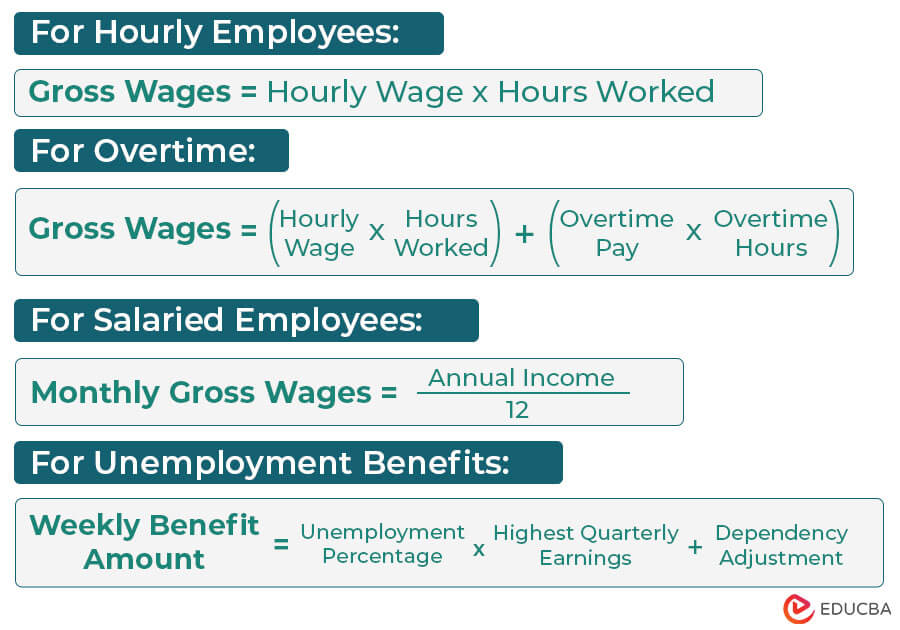
- Hourly Employees: These employees are paid a specific rate for each hour they work. Their gross pay fluctuates based on the number of hours worked in a given pay period, including any overtime. Calculation is straightforward: (Hourly Rate × Regular Hours) + (Overtime Rate × Overtime Hours) + Other Earnings. They are typically eligible for overtime pay.
- Salaried Employees: These employees receive a fixed amount of pay for a set period (e.g., $60,000 per year, paid bi-weekly). Their gross pay generally remains constant each pay period, regardless of the exact number of hours worked, provided they meet their contractual obligations. Salaried employees are often exempt from overtime regulations, depending on their job duties and salary level, as per the Fair Labor Standards Act (FLSA) in the U.S. and similar regulations globally. Understanding this distinction is vital for both financial planning and legal compliance.
Navigating the Labyrinth of Deductions: From Statutory to Voluntary
Once gross pay is determined, the next step involves subtracting various deductions. These deductions fall into two primary categories: mandatory (statutory) deductions and voluntary deductions. Both significantly impact your net pay, yet serve very different purposes.
Mandatory Deductions: Taxes and Government Contributions
These are non-negotiable deductions mandated by law. They support government services, social safety nets, and future benefits. The specifics vary by country, but commonly include:
- Federal Income Tax: A portion of your earnings is withheld and sent to the federal government to fund national programs. The amount withheld depends on your income level and the information provided on your W-4 form (in the U.S.), including filing status and dependents.
- State and Local Income Tax: Many states and some cities/localities also levy their own income taxes. These are withheld in addition to federal taxes and rates vary significantly by jurisdiction. Some states have no income tax.
- Social Security (OASDI): In the U.S., this is part of the Federal Insurance Contributions Act (FICA) tax. It funds retirement, disability, and survivor benefits. Employees and employers each pay a percentage (currently 6.2%) on earnings up to an annual limit.
- Medicare (HI): Also part of FICA, this tax funds health insurance for individuals aged 65 or older, and for some younger people with disabilities. Employees and employers each pay a percentage (currently 1.45%) with no wage limit. High-income earners may pay an additional Medicare tax.
- Unemployment Insurance (UI) / State Disability Insurance (SDI): While typically an employer-paid tax, some states require employees to contribute to state unemployment insurance or state disability insurance programs.
The calculation of these taxes involves complex formulas and progressive tax brackets. Employers use withholding tables and the information from employee tax forms (like the W-4) to estimate and withhold the correct amounts.
Voluntary Deductions: Tailoring Your Financial Future
Voluntary deductions are those you opt into, often as part of your employment benefits package or personal financial planning. While they reduce your net pay, they typically provide significant long-term benefits or essential services.
- Health Insurance Premiums: Your share of the cost for medical, dental, or vision insurance plans offered through your employer.
- Retirement Contributions: Contributions to 401(k), 403(b), or other employer-sponsored retirement plans. These are often pre-tax, meaning they reduce your taxable income.
- Life Insurance and Disability Insurance Premiums: Payments for additional coverage beyond what might be provided by the employer.
- Flexible Spending Accounts (FSAs) / Health Savings Accounts (HSAs): Contributions to these accounts, which allow you to set aside pre-tax money for healthcare or dependent care expenses.
- Union Dues: If you are a member of a labor union, your dues are typically deducted directly from your paycheck.
- Loan Repayments: In some cases, employees may elect to have loan repayments (e.g., for company loans or even personal loans) deducted directly.
- Garnishments: Though often court-ordered, these are sometimes considered ‘voluntary’ in the sense that they arise from personal financial obligations (e.g., child support, student loan default).
These deductions are often specified by the employee during onboarding or open enrollment periods for benefits. They are a powerful tool for financial planning, allowing individuals to save for retirement or cover healthcare costs with pre-tax dollars, thereby reducing their overall taxable income.
The Impact of Benefits and Pre-Tax Contributions
It’s important to note the distinction between pre-tax and post-tax deductions. Pre-tax deductions, like contributions to a 401(k) or health insurance premiums, are subtracted from your gross pay before income taxes are calculated. This reduces your taxable income, leading to lower tax liability. Post-tax deductions, on the other hand, are taken out after income taxes have been calculated and withheld. Understanding this distinction is crucial for optimizing your tax position and maximizing your net pay. The strategic use of pre-tax benefits is a key component of effective personal financial management.
Beyond the Basics: Special Wage Scenarios and Considerations
While the core principles of gross and net pay remain consistent, specific scenarios introduce additional layers of complexity to wage calculation. From variable income streams to the unique tax implications for independent contractors, these considerations demand a deeper understanding.
Overtime, Commissions, and Bonuses: Boosting Your Gross
These variable income components can significantly boost an employee’s gross pay but also require careful calculation.
- Overtime: As mentioned, overtime is typically paid at 1.5 times the regular hourly rate for hours worked over 40 in a workweek. However, regulations can vary by state and industry. For salaried non-exempt employees (those who are paid a salary but are still eligible for overtime), calculating the “regular rate of pay” for overtime can be more complex, sometimes involving a weighted average of all earnings for the week.
- Commissions: These are often calculated as a percentage of sales. The specific percentage, whether it’s tiered (e.g., higher percentage for higher sales volume), and the frequency of payment are all defined by the employment agreement. It’s crucial for commission-based employees to track their sales diligently.
- Bonuses: Bonuses can be structured in numerous ways – as a flat amount, a percentage of salary, or tied to company performance. They are generally considered taxable income and are subject to withholding, often at a higher “supplemental” rate, though the actual tax liability is reconciled at year-end. Understanding how and when bonuses are paid and taxed is vital for financial planning.
These variable components necessitate robust tracking mechanisms, whether through time-tracking software, sales dashboards, or clear bonus agreements, to ensure accurate calculation and timely payment.
Calculating Wages for Independent Contractors and Freelancers
Independent contractors and freelancers operate under a fundamentally different wage calculation model because they are not considered employees.
- No Employer Withholding: Crucially, employers do not withhold taxes (income, Social Security, Medicare) from payments made to independent contractors. The contractor is solely responsible for calculating, reporting, and paying their own taxes.
- Self-Employment Tax: Freelancers must pay both the employer and employee portions of Social Security and Medicare taxes, known as self-employment tax (currently 15.3% on net earnings up to the Social Security limit, then 2.9% for Medicare).
- Estimated Taxes: Since no taxes are withheld, independent contractors are usually required to pay estimated taxes quarterly to the IRS (and state tax authorities) to avoid penalties. This involves estimating annual income and deductions.
- Business Expenses: Freelancers can deduct legitimate business expenses (e.g., home office expenses, software, supplies, professional development) from their gross income, which reduces their taxable income.
- Net Profit: For independent contractors, the “wage” is essentially their net profit after deducting business expenses, from which self-employment taxes and income taxes are then calculated.
This model demands a strong understanding of tax law, meticulous record-keeping of income and expenses, and proactive financial planning to set aside funds for taxes.
Understanding Total Compensation: Wages vs. Benefits
While wages (gross and net) are a primary component, it’s essential to consider the broader concept of total compensation. Total compensation encompasses not just your direct pay but also the monetary value of all benefits provided by an employer.
- Non-Wage Benefits: These include health insurance, retirement plan contributions (e.g., employer match on 401(k)), paid time off (vacation, sick leave, holidays), life and disability insurance, tuition reimbursement, commuter benefits, and even perks like free meals or gym memberships.
- Value Proposition: While these benefits don’t directly appear on your paycheck as wages, they have significant monetary value and contribute to your overall financial well-being. For instance, an employer’s contribution to your health insurance premium is a direct financial gain that you don’t have to pay out-of-pocket.
- Negotiation: When evaluating job offers or negotiating compensation, it’s crucial to look beyond just the salary figure and consider the full scope of benefits. A lower salary with a robust benefits package (e.g., high 401(k) match, generous health insurance) might be more financially advantageous than a higher salary with minimal benefits.
Understanding total compensation provides a holistic view of your financial package, empowering you to make more informed career and financial decisions.
Practical Tools and Strategies for Accurate Wage Calculation
With the complexity involved in wage calculation, relying solely on mental arithmetic or guesswork is impractical and prone to errors. Fortunately, a variety of tools and strategies exist to ensure accuracy, compliance, and clarity.
Leveraging Online Calculators and Payroll Software
For both employees and employers, technology offers invaluable assistance:
- Online Paycheck Calculators: Numerous free online tools are available (e.g., those provided by financial institutions, tax software companies, or payroll providers). You input your gross pay, pay frequency, deductions, and tax withholding information, and they estimate your net pay. These are excellent for employees to quickly check their earnings or compare job offers.
- Payroll Software: For businesses, dedicated payroll software (e.g., QuickBooks Payroll, ADP, Gusto, Paychex) is indispensable. These systems automate the entire wage calculation process, handling gross pay, all mandatory and voluntary deductions, tax withholdings, and ensuring compliance with federal, state, and local regulations. They generate pay stubs, W-2s, and other necessary reports, significantly reducing administrative burden and error rates.
- Spreadsheets: For very small businesses or for personal tracking, a well-designed spreadsheet can serve as a basic tool. However, it requires manual updates for tax law changes and complex deduction scenarios, making it less robust than dedicated software.
Choosing the right tool depends on the scale of operations and the complexity of the payroll. For individual employees, online calculators offer quick insights, while businesses benefit immensely from comprehensive payroll software.
Decoding Your Pay Stub: A Monthly Financial Report
Your pay stub is more than just a piece of paper; it’s a detailed financial report of your earnings and deductions for a specific pay period. Learning to read and understand it is a crucial financial skill. A typical pay stub includes:
- Employee Information: Name, address, Social Security Number.
- Employer Information: Company name, address.
- Pay Period: Start and end dates of the period for which you’re being paid.
- Pay Date: The date you received your payment.
- Gross Pay: Total earnings before deductions, broken down by regular hours, overtime, bonuses, etc.
- Deductions: A detailed list of all mandatory (federal, state, local taxes, FICA) and voluntary (health insurance, 401k, etc.) deductions, showing both current and year-to-date amounts.
- Net Pay: Your take-home amount.
- Year-to-Date (YTD) Totals: Accumulations of gross pay and each deduction from the beginning of the calendar year.
- Bank Account Information: For direct deposit, showing the last few digits of the account where funds were deposited.
Regularly reviewing your pay stub helps you verify the accuracy of your pay, track your contributions to retirement or benefits, and ensure the correct amount of taxes are being withheld. Discrepancies should be promptly brought to your employer’s attention.

The Importance of Accuracy and Compliance
Accurate wage calculation is not merely a bookkeeping exercise; it carries significant legal and financial implications for both employees and employers.
- For Employees: Incorrect wage calculations can lead to underpayment (affecting budgeting and financial stability), over-withholding of taxes (reducing current net pay), or under-withholding (leading to a large tax bill or penalties at year-end). Accuracy ensures you receive what you’re rightfully owed.
- For Employers: Adhering to wage and hour laws (minimum wage, overtime, child labor, payroll taxes) is paramount. Inaccurate calculations or non-compliance can result in severe penalties, fines, lawsuits, back pay claims, and reputational damage. It can also lead to employee dissatisfaction and turnover. Proper calculation ensures fair treatment of employees and avoids legal pitfalls.
Investing in accurate systems, understanding relevant regulations, and seeking professional advice when needed are essential strategies to maintain compliance and financial integrity.
In conclusion, calculating wages is a detailed process that involves understanding the various components of gross pay, distinguishing between mandatory and voluntary deductions, and navigating special compensation scenarios. Whether you’re an employee seeking clarity on your take-home pay or an employer striving for accuracy and compliance, a thorough grasp of wage calculation is indispensable for sound financial management. By leveraging available tools, meticulously reviewing pay stubs, and staying informed about relevant regulations, individuals and businesses can ensure that wages are calculated correctly, fostering financial transparency and security.
aViewFromTheCave is a participant in the Amazon Services LLC Associates Program, an affiliate advertising program designed to provide a means for sites to earn advertising fees by advertising and linking to Amazon.com. Amazon, the Amazon logo, AmazonSupply, and the AmazonSupply logo are trademarks of Amazon.com, Inc. or its affiliates. As an Amazon Associate we earn affiliate commissions from qualifying purchases.