
In an increasingly health-conscious and transparent world, understanding the nutritional composition of food is no longer a niche interest but a fundamental requirement. From food manufacturers and restaurants to individual meal preparers and health professionals, the ability to accurately calculate nutrition facts is paramount. It informs consumer choices, ensures regulatory compliance, and empowers dietary management. While traditional methods have long served this purpose, the complexity of modern food production, coupled with the sheer volume of data, necessitates a sophisticated, technology-driven approach. This article delves into how cutting-edge technology, software, and digital tools are transforming the landscape of nutrition fact calculation, offering unparalleled accuracy, efficiency, and insight.
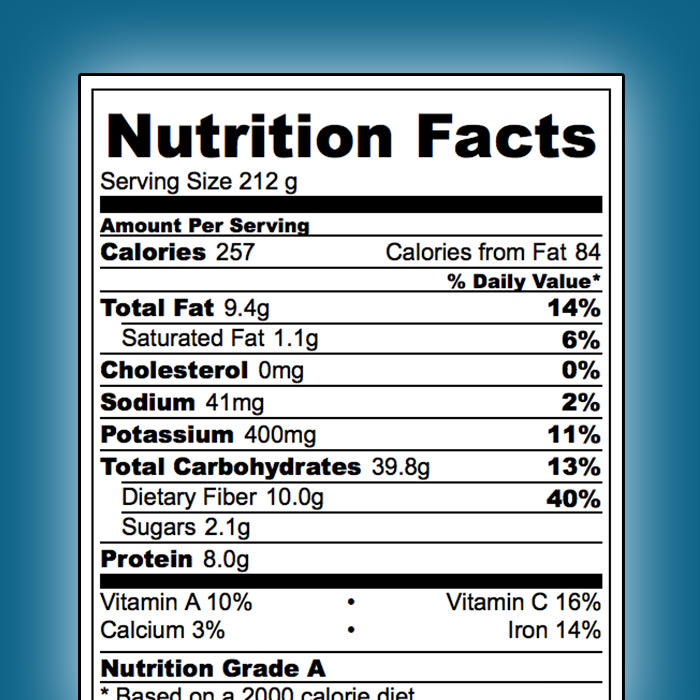
The Digital Imperative in Nutrition Fact Calculation
The journey from manual spreadsheets and laboratory tests to integrated digital platforms represents a significant leap forward in how we analyze and present food data. The digital age has not merely optimized existing processes; it has redefined what’s possible, making comprehensive nutritional analysis accessible and manageable for a broader audience.
Evolving Regulatory Landscapes and Data Demands
Food labeling regulations worldwide, such as those mandated by the FDA in the United States or EFSA in Europe, are continuously evolving, becoming more stringent and detailed. These regulations demand precise data for a multitude of nutrients, allergens, and ingredients, often requiring specific formatting and presentation on nutrition labels. Manually tracking and compiling this information for diverse product lines is not only time-consuming but also highly susceptible to human error.
Technology steps in as a crucial enabler here. Specialized software platforms are designed to incorporate the latest regulatory guidelines, automatically flagging potential non-compliance issues and ensuring that generated nutrition facts panels meet all legal requirements. They provide audit trails, version control, and real-time updates to regulatory changes, offering businesses peace of mind and significantly reducing the risk of costly recalls or penalties. Furthermore, the demand for greater transparency, driven by consumer interest in ingredients and sourcing, requires robust data management systems that can trace nutrient information from raw materials through to the finished product. Digital tools facilitate this traceability, integrating supply chain data directly into the nutrient calculation process.
Beyond Manual Methods: The Need for Automation
Historically, calculating nutrition facts often involved a laborious process of cross-referencing ingredient lists with large, often physical, food composition databases like the USDA FoodData Central. Each ingredient’s nutritional value per unit would be determined, multiplied by its quantity in a recipe, and then summed to derive the total nutrient profile. This method, while foundational, is inherently slow, prone to mathematical errors, and struggles with scalability. Imagine doing this for hundreds or thousands of recipes, each with multiple ingredients and varying serving sizes.
Automation, powered by software and digital algorithms, eliminates these bottlenecks. Instead of manual lookups and calculations, modern tools allow users to input recipes, and the system automatically pulls data from comprehensive databases, calculates nutrient totals, adjusts for cooking losses or gains, and even formats the nutrition label. This not only dramatically speeds up the process but also frees up valuable human resources to focus on product development, quality control, or strategic analysis, rather than repetitive data entry. For small businesses, it democratizes access to professional-grade nutritional analysis, which was once the exclusive domain of large corporations with dedicated R&D departments.
Core Technological Solutions for Nutrient Analysis
The backbone of modern nutrition fact calculation lies in a suite of integrated technological solutions, each playing a vital role in streamlining the process and enhancing data accuracy. These tools range from sophisticated software platforms to advanced AI algorithms and extensive cloud-based databases.
Dedicated Nutrition Analysis Software Platforms
These are the workhorses of professional nutrition fact calculation. Platforms like ESHA Genesis R&D, FoodWorks, or Nutri-Soft offer comprehensive solutions for recipe analysis, food labeling, and dietary assessment. They typically feature:
- Vast Nutrient Databases: Pre-loaded with extensive data from official sources (e.g., USDA, Health Canada) covering thousands of ingredients, including raw materials, processed foods, and brand-specific items. These databases are regularly updated to reflect new research and product availability.
- Recipe Management: Users can input and store an unlimited number of recipes, specifying ingredients, quantities, cooking methods, and serving sizes. The software automatically calculates the nutrient profile for each recipe based on the database information.
- Automated Label Generation: Compliance with various regulatory bodies is built-in. The software can generate compliant nutrition facts panels, ingredient lists, allergen declarations, and even claims (e.g., “low fat,” “high fiber”) tailored to specific regions.
- Ingredient & Allergen Tracking: It tracks common allergens and provides detailed ingredient declarations, which are critical for consumer safety and regulatory adherence.
- Scalability: From a single chef developing new dishes to large food manufacturers managing complex product portfolios, these platforms scale to meet diverse needs, handling hundreds or thousands of recipes and ingredients.
These platforms often provide a user-friendly interface that simplifies complex data entry and calculation, making it accessible even to those without a deep background in food science or nutrition.
AI and Machine Learning in Recipe Formulation
Beyond mere calculation, artificial intelligence (AI) and machine learning (ML) are beginning to revolutionize recipe formulation and nutritional optimization. These advanced technologies can:
- Predict Nutrient Profiles: Based on a given set of ingredients and desired nutritional targets, AI algorithms can suggest ingredient substitutions or modifications to achieve specific goals (e.g., lower sugar, higher protein) while maintaining sensory qualities.
- Optimize Formulations: ML models can analyze vast datasets of recipes, ingredient interactions, and consumer preferences to identify optimal ingredient combinations for taste, texture, and nutritional value, reducing the need for extensive physical prototyping.
- Personalized Nutrition: AI can power applications that analyze an individual’s dietary needs, health goals, and even genetic predispositions to generate highly personalized recipe suggestions with pre-calculated nutrition facts, pushing the boundaries of custom food experiences.
- Identify Trends: ML can sift through market data to identify emerging food trends and ingredient preferences, enabling manufacturers to proactively develop new products that resonate with consumer demand, complete with accurate nutritional labeling.
The predictive power of AI significantly accelerates the R&D cycle for new food products, allowing for rapid iteration and optimization of nutritional content before production.
Cloud-Based Databases and APIs
The proliferation of cloud computing has made vast repositories of nutritional data accessible from anywhere, at any time. Cloud-based databases, such as the USDA FoodData Central API, provide programmatic access to comprehensive nutrient information for thousands of food items. This access through Application Programming Interfaces (APIs) allows other software applications, websites, and mobile apps to seamlessly integrate real-time nutrition data without needing to host and maintain their own extensive databases.
For instance, a recipe website can use an API to instantly calculate and display nutrition facts for user-submitted recipes. A fitness app can leverage it to track the nutritional intake of its users based on their food logging. This interconnectedness fosters an ecosystem where accurate, up-to-date nutritional information is readily available across various digital platforms, promoting transparency and informed decision-making. The ability to pull data from authoritative sources ensures consistency and reliability, a critical factor when dealing with health-related information.
The Step-by-Step Tech-Driven Calculation Process
While the underlying technology is complex, the user experience of calculating nutrition facts through modern software is designed to be intuitive. The process typically follows a structured digital workflow, significantly improving accuracy and speed.
Ingredient Data Acquisition and Digitalization
The first step in any nutrition calculation is gathering accurate data on each ingredient. In a tech-driven approach, this is largely automated:
- Barcode Scanning & Supplier Integration: Many software platforms allow users to scan barcodes on packaged ingredients. The system then automatically pulls pre-existing nutritional data from its database or a linked supplier database. For bulk ingredients, integration with supplier specifications ensures real-time access to accurate nutrient profiles, including variations due to origin or processing.
- OCR (Optical Character Recognition) & Image Recognition: Emerging technologies are enabling systems to “read” ingredient labels from images or PDFs, extracting data for entry. While still developing, this can reduce manual data input for new or obscure ingredients.
- Manual Entry with Smart Autocomplete: For unique or homemade ingredients, manual entry is still an option, but often supported by smart autocomplete features that suggest common items and their associated data from the database, minimizing typing and potential errors.
- Database Search: Users can search the software’s extensive database for specific ingredients, adding them to their recipe with just a few clicks.
This digital acquisition of ingredient data ensures that the foundation of the nutrition calculation is robust and consistent, reducing the chances of errors that could arise from misinterpretations or outdated information.
Automated Serving Size Determination and Yield Adjustments
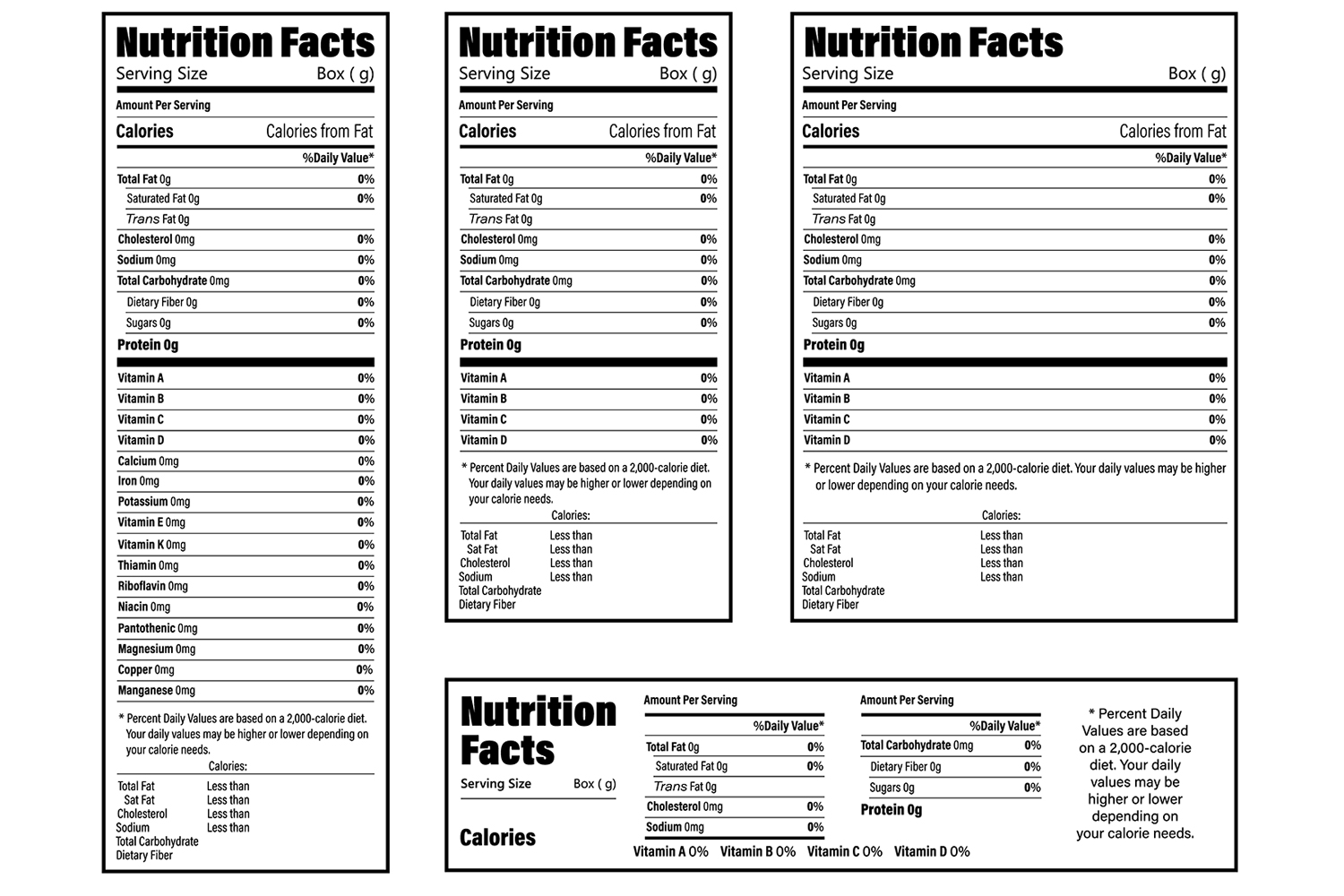
One of the trickiest aspects of nutrition fact calculation is determining accurate serving sizes and accounting for changes during cooking. Technology simplifies this considerably:
- Recipe Scaling: Software automatically calculates nutrient values per various serving sizes based on total yield. Users can specify the desired serving weight, volume, or number of servings, and the system instantly adjusts all nutrient totals.
- Cooking Method Adjustments: Advanced platforms incorporate algorithms that account for nutrient changes during cooking. For instance, water content might decrease, concentrating nutrients, while certain vitamins might degrade with heat. The software applies pre-defined factors or user-inputted parameters to estimate these changes, providing a more realistic final nutrient profile.
- Weight vs. Volume Conversion: The tools handle conversions between weight and volume measurements for ingredients, ensuring accuracy regardless of how the recipe is initially formulated. This eliminates the need for manual conversions, which are a common source of error.
By automating these adjustments, the software ensures that the nutrition facts presented reflect the actual consumed product as closely as possible, enhancing the reliability of the information.
Nutrient Aggregation and Label Generation
Once all ingredient data is input and adjustments are made, the software performs the core calculation:
- Automated Aggregation: The system sums the individual nutrient contributions of all ingredients, factoring in their quantities and any cooking adjustments, to arrive at the total nutritional profile of the finished product.
- Compliance Checks: Before generating the label, the software can run automated checks against current regulatory standards, identifying if certain nutrient levels exceed or fall below specified thresholds for claims or warnings. For example, it can flag high sodium content or confirm eligibility for a “good source of fiber” claim.
- Label Formatting: The software then automatically formats the nutrition facts panel according to the specific design and content requirements of various regulatory bodies (e.g., FDA standard, EU format). This includes declaring percentages of daily values, listing allergens, and generating ingredient statements in descending order of predominance.
- Export and Integration: The final nutrition facts can be exported in various formats (PDF, image, XML) for printing on packaging, uploading to websites, or integrating into other digital systems like e-commerce platforms or inventory management software. This seamless integration ensures consistency across all consumer touchpoints.
This fully integrated digital workflow transforms a potentially arduous and error-prone task into a streamlined, efficient, and highly accurate process, crucial for businesses operating in today’s demanding food industry.
Overcoming Challenges with Advanced Technology
Even with sophisticated tools, calculating nutrition facts presents complexities. Advanced technology offers solutions to common hurdles, ensuring greater precision and reliability.
Managing Ingredient Variability and Supply Chain Data
Ingredients are not static; their nutritional composition can vary based on growing conditions, animal feed, processing methods, and even different suppliers. This variability poses a significant challenge for consistent nutrition fact calculation.
- Database Updates & Supplier APIs: Advanced software integrates with supplier databases via APIs, allowing for real-time updates on ingredient specifications, including nutritional variations. This means if a supplier changes a formulation or the nutritional profile of a raw material shifts, the calculation can reflect this immediately.
- Blockchain for Traceability: Blockchain technology is emerging as a powerful tool for tracing ingredients from farm to fork. By creating an immutable record of an ingredient’s journey, including its origin, processing, and batch-specific nutritional data, blockchain can provide unprecedented accuracy and transparency for nutrition fact calculations, especially for premium or specialty products.
- Statistical Analysis: Some high-end platforms use statistical models to account for natural variability in agricultural products, providing a range or average for certain nutrient values rather than a single fixed number, offering a more realistic representation.
These technological approaches move beyond static data to embrace the dynamic nature of food ingredients, leading to more robust and accurate nutrition information.
Accounting for Cooking Methods and Processing Losses
Cooking and processing can significantly alter the nutritional profile of food. Heat can destroy certain vitamins, while frying can add fat, and boiling can leach minerals. Accurately modeling these changes is crucial for precise labeling.
- Sophisticated Algorithms: Modern nutrition analysis software incorporates advanced algorithms that apply industry-standard or user-defined retention factors for various nutrients based on cooking methods (e.g., baking, frying, boiling, steaming). These factors estimate the percentage of a nutrient that is retained or lost during a specific process.
- Predictive Models: For complex industrial processes, AI-driven predictive models can be trained on experimental data to more accurately forecast nutrient changes, especially for novel ingredients or processing techniques. This reduces the need for extensive laboratory testing for every product iteration.
- User-Defined Factors: The best platforms allow users to input their own empirically derived retention factors, ensuring that calculations reflect their specific cooking processes and equipment, which might differ from general industry averages.
By integrating these nuanced considerations, technology bridges the gap between raw ingredient data and the final product’s consumed nutritional value, offering a more complete and accurate picture.
Ensuring Data Security and Compliance in the Digital Age
As nutritional data becomes digitized and often stored in the cloud, data security and privacy become paramount. Regulatory compliance extends beyond just the food label to how this sensitive data is handled.
- Cloud Security Standards: Reputable nutrition analysis software providers adhere to stringent cloud security standards (e.g., ISO 27001, SOC 2 compliance) to protect user data, recipes, and proprietary formulations from breaches and unauthorized access.
- Data Encryption: All data, both in transit and at rest, is typically encrypted to prevent interception and ensure confidentiality.
- Access Controls and Audit Trails: Robust access control mechanisms ensure that only authorized personnel can view or modify sensitive data. Comprehensive audit trails log every action, providing transparency and accountability.
- GDPR and Data Privacy: For personal nutrition tracking or products aimed at consumers, adherence to data privacy regulations like GDPR (General Data Protection Regulation) is critical. Technology ensures that personal nutritional data is handled ethically, securely, and in compliance with global privacy laws.
The digital realm for nutrition facts calculation is built on a foundation of trust and security, ensuring that while efficiency and accuracy are enhanced, data integrity and user privacy are never compromised.
The Future of Nutrition Fact Calculation: Predictive and Personalized Tech
The evolution of nutrition fact calculation is far from over. Future advancements will likely push the boundaries of real-time analysis, personalization, and integrated data ecosystems, further embedding technology into every aspect of food and health.
Integrated Ecosystems: From Farm to Fork Data
Imagine a future where the nutritional profile of food is dynamically tracked and calculated throughout its entire lifecycle.
- IoT in Food Production: Internet of Things (IoT) sensors in farms could monitor soil conditions, water intake, and nutrient delivery to crops, providing real-time data on the potential nutritional content of raw agricultural products. Similar sensors in animal husbandry could track feed intake and health markers influencing meat or dairy composition.
- Smart Processing and Supply Chains: As food moves through processing plants and supply chains, smart sensors could monitor changes in nutrient content due to processing, storage conditions, and transportation. This data could then be aggregated into a comprehensive digital twin of the food product, offering an unprecedented level of detail and accuracy for nutrition facts.
- Connected Kitchen Appliances: Future smart ovens or food processors could potentially analyze ingredients, calculate nutrition facts as you cook, and even adjust cooking parameters to optimize nutrient retention, feeding data directly into personal health tracking apps.
This “farm to fork” data ecosystem, enabled by IoT, AI, and blockchain, promises unparalleled transparency and precision, allowing for dynamic nutrition labels that adapt to real-world conditions.

Hyper-Personalized Nutrition and AI
The ultimate frontier in nutrition is hyper-personalization, and technology is the key enabler.
- Genomic and Microbiome Integration: Future nutrition platforms could integrate an individual’s genetic data and gut microbiome analysis to provide highly tailored dietary recommendations. AI would then calculate the precise nutrition facts for custom-formulated meals or products designed to meet these unique biological needs.
- Real-time Biometric Feedback: Wearable devices and continuous glucose monitors (CGMs) already provide real-time biometric data. In the future, this data could feed into AI systems that adjust meal plans and nutrition facts on the fly, optimizing health outcomes in response to an individual’s physiological state.
- AI-Driven Product Development: For food companies, AI will increasingly drive the development of personalized food products. From customized protein bars to nutritionally balanced meal kits, AI can rapidly formulate, calculate, and label products designed for specific consumer segments or even individual customers, offering bespoke nutrition on an industrial scale.
The ability to accurately calculate nutrition facts, powered by advanced technology, is not just about compliance; it’s about empowering choice, fostering health, and revolutionizing our relationship with food. From ensuring regulatory adherence to enabling hyper-personalized diets, technology is undeniably the engine driving the future of nutrition.
aViewFromTheCave is a participant in the Amazon Services LLC Associates Program, an affiliate advertising program designed to provide a means for sites to earn advertising fees by advertising and linking to Amazon.com. Amazon, the Amazon logo, AmazonSupply, and the AmazonSupply logo are trademarks of Amazon.com, Inc. or its affiliates. As an Amazon Associate we earn affiliate commissions from qualifying purchases.