
Understanding your monthly earnings is more than just knowing the number that appears in your bank account; it’s the bedrock of sound financial planning, budgeting, and future investment strategies. Whether you are an employee, a freelancer, a small business owner, or managing multiple income streams, an accurate calculation of your monthly take-home pay is indispensable for financial stability and growth. This comprehensive guide will walk you through the nuances of calculating your earnings, ensuring you gain clarity and control over your financial landscape.
Understanding the Fundamentals of Monthly Earnings
Before diving into complex calculations, it’s crucial to grasp the fundamental concepts that define your income. This foundational knowledge empowers you to differentiate between various income figures and understand their implications.

Defining Gross vs. Net Earnings
The distinction between gross and net earnings is perhaps the most critical starting point.
- Gross Earnings refer to the total amount of money an individual earns before any deductions or taxes are withheld. For a salaried employee, this is their annual salary divided by 12. For an hourly worker, it’s their hourly rate multiplied by the total hours worked. For a freelancer, it’s the total revenue generated from client projects. Gross earnings represent your full earning potential before obligations.
- Net Earnings, often referred to as “take-home pay,” is the amount of money you actually receive after all mandatory and voluntary deductions have been subtracted from your gross earnings. This is the figure that dictates your spending power and capacity for savings and investments.
Why Accurate Calculation Matters
Accurate calculation of your monthly earnings is not merely an administrative task; it’s a strategic necessity for several reasons:
- Budgeting and Expense Management: Knowing your precise net income allows you to create realistic budgets, ensuring you don’t overspend and can meet all your financial obligations.
- Financial Goal Setting: Whether you’re saving for a down payment, retirement, or a major purchase, accurate income figures are essential for setting achievable financial goals and tracking progress.
- Tax Planning: Understanding your gross income and various deductions can significantly aid in tax planning, potentially identifying opportunities for tax savings.
- Debt Management: A clear picture of your disposable income helps in formulating effective debt repayment strategies, ensuring you allocate sufficient funds without compromising other necessities.
- Investment Decisions: Accurate earnings calculations provide the basis for determining how much you can comfortably invest each month, aligning with your risk tolerance and long-term objectives.
Components of a Standard Salary
For many, monthly earnings originate from a standard salary structure. This typically includes:
- Base Salary: The fixed amount you are paid for your work, usually expressed annually or hourly.
- Bonuses: Additional payments made based on individual or company performance, often discretionary.
- Commissions: Earnings based on a percentage of sales or revenue generated, common in sales roles.
- Overtime Pay: Additional compensation for hours worked beyond the standard work week, typically at a higher rate (e.g., 1.5 times the regular hourly rate).
- Allowances: Payments for specific purposes such as travel, housing, or medical expenses, which may or may not be taxable.
Methods for Calculating Different Income Streams
The approach to calculating monthly earnings varies significantly depending on the nature of your income. It’s crucial to adopt the right methodology for each stream to ensure accuracy.
Salaried Employment: The Straightforward Approach
Calculating monthly earnings for a salaried employee is generally the most straightforward.
- Annual Gross Salary: Identify your total annual salary.
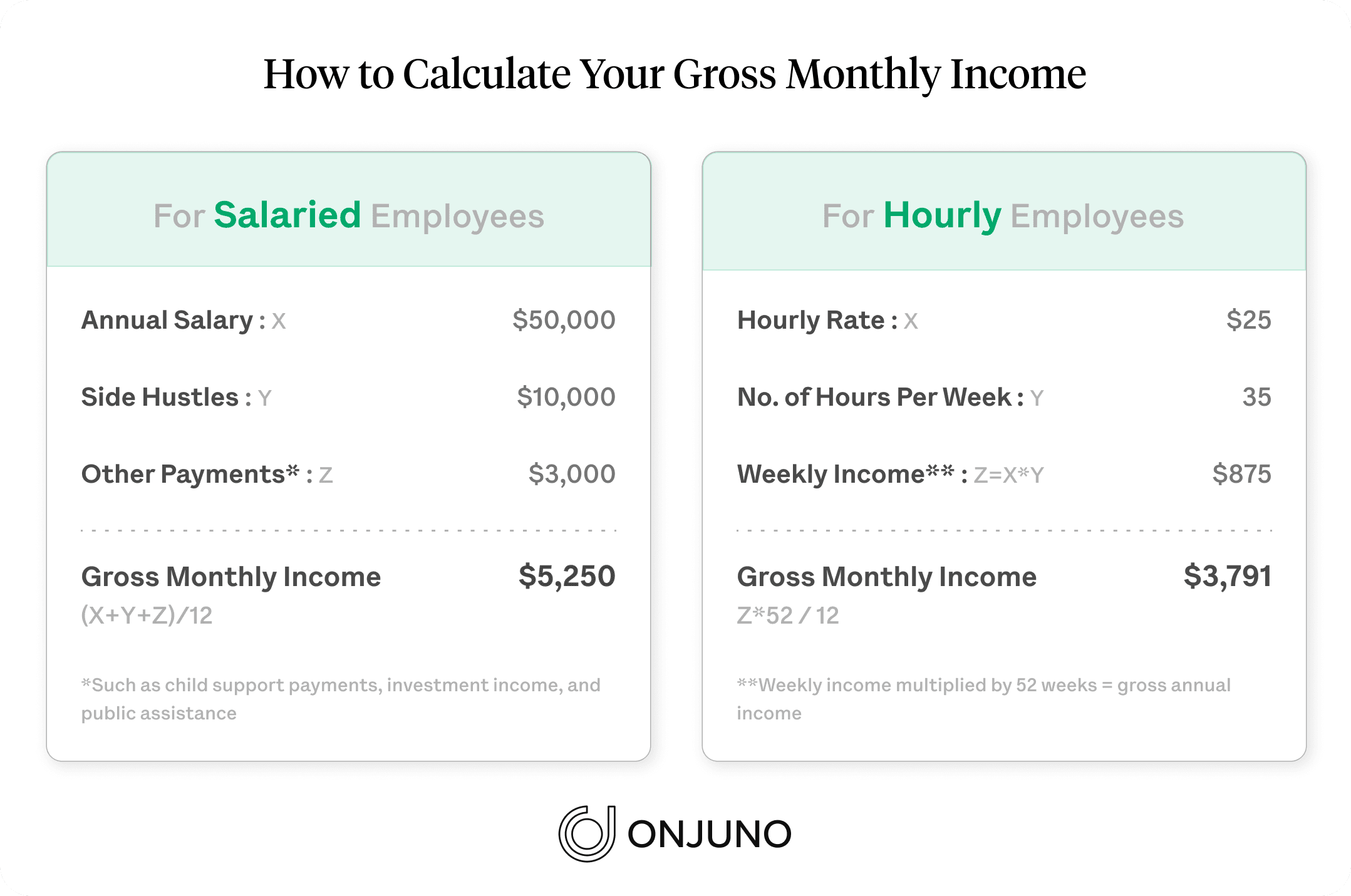
- Monthly Gross Salary: Divide the annual gross salary by 12.
- Deductions: Subtract pre-tax deductions (like 401k contributions, health insurance premiums) and post-tax deductions (like income tax, Social Security, Medicare, and other voluntary deductions such as loan repayments, union dues). Your pay stub will detail these.
- Monthly Net Salary: The result is your net monthly take-home pay.
Example: An employee with an annual gross salary of $60,000.
- Monthly Gross: $60,000 / 12 = $5,000
- Assume total deductions of $1,200 per month.
- Monthly Net: $5,000 – $1,200 = $3,800
Hourly Wages: Tracking Time and Overtime
For hourly workers, tracking time accurately is paramount.
- Regular Hours Worked: Multiply regular hours worked by the standard hourly rate.
- Overtime Hours: If applicable, multiply overtime hours by the overtime rate (e.g., 1.5x regular rate).
- Gross Pay: Sum regular pay and overtime pay (plus any tips or bonuses).
- Deductions: Subtract all applicable taxes and deductions.
- Monthly Net Pay: This is your take-home pay for the month.
Example: An hourly worker earning $20/hour, working 160 regular hours and 10 overtime hours (at 1.5x) in a month.
- Regular Pay: 160 hours * $20/hour = $3,200
- Overtime Pay: 10 hours * ($20 * 1.5) = $300
- Monthly Gross Pay: $3,200 + $300 = $3,500
- Assume total deductions of $700.
- Monthly Net Pay: $3,500 – $700 = $2,800
Freelance and Contract Work: Project-Based vs. Hourly Rates
Freelancers and contractors have variable income, making accurate calculation crucial for financial stability.
- Project-Based Income: Sum all payments received for completed projects within the month. Keep meticulous records of each project’s value and payment date.
- Hourly Rates: Track billable hours diligently for each client. Multiply total hours by your hourly rate for each client and sum them up.
- Expenses: Crucially, freelancers must subtract business-related expenses (software, office supplies, marketing, etc.) from their gross income to determine their true profit.
- Self-Employment Taxes: Remember to set aside a significant portion for self-employment taxes (income tax, Social Security, Medicare), as these are not automatically withheld. It’s often recommended to set aside 25-35% of gross earnings.
Example: A freelance writer earns $2,500 from project A, $1,500 from project B, and $800 from hourly work in a month. Business expenses for the month are $300.
- Monthly Gross Income: $2,500 + $1,500 + $800 = $4,800
- Monthly Profit (before taxes): $4,800 – $300 = $4,500
- Estimated Tax Provision (e.g., 25%): $4,500 * 0.25 = $1,125
- Monthly Net Income (after estimated taxes): $4,500 – $1,125 = $3,375
Commission-Based Income: Sales and Performance Metrics
Individuals earning commissions need to track their sales performance closely.
- Sales Volume: Record total sales for the month.
- Commission Rate: Apply your commission rate (e.g., 5% of sales) to determine gross commission.
- Base Salary (if applicable): Add any fixed base salary.
- Deductions: Subtract taxes and other deductions.
Business Owners and Entrepreneurs: Revenue Minus Expenses
For business owners, calculating monthly earnings is more about understanding the business’s profitability.
- Total Monthly Revenue: Sum all income generated by the business.
- Total Monthly Business Expenses: Account for all operational costs (rent, salaries, supplies, marketing, utilities, etc.).
- Gross Profit: Revenue – Cost of Goods Sold (if applicable).
- Net Profit (Pre-tax): Gross Profit – Operating Expenses.
- Owner’s Draw/Salary: This is the amount you pay yourself from the business’s net profit. This is your personal gross income from the business.
- Personal Deductions/Taxes: Subtract personal taxes and deductions from your owner’s draw to get your personal net monthly earnings.
Factors Influencing Your Monthly Take-Home Pay
Beyond the gross amount you earn, several factors significantly reduce your take-home pay. Understanding these deductions is crucial for a complete picture of your financial situation.
Taxes: Income Tax, Social Security, Medicare
These are generally the largest deductions from your gross earnings:
- Federal Income Tax: Withheld based on your W-4 form (in the U.S.) or equivalent tax declaration, considering your filing status and allowances.
- State Income Tax: Applicable in most states, varies by location and income level.
- Local Income Tax: Some cities or counties impose additional income taxes.
- Social Security Tax (FICA): A mandatory payroll tax that funds Social Security benefits.
- Medicare Tax (FICA): Funds Medicare, the national health insurance program.
Deductions: Health Insurance, Retirement Contributions, Loan Repayments
Many other deductions can reduce your net pay:
- Health Insurance Premiums: Your share of the cost for health, dental, or vision insurance plans offered by your employer.
- Retirement Contributions: Deductions for 401(k), 403(b), or other retirement plans. These are often pre-tax, reducing your taxable income.
- Life and Disability Insurance: Premiums for supplemental insurance plans.
- Flexible Spending Accounts (FSAs) or Health Savings Accounts (HSAs): Pre-tax contributions for healthcare or dependent care expenses.
- Loan Repayments: Garnishments for student loans, child support, or other court-ordered payments.
- Union Dues: If applicable, membership fees for a labor union.
Benefits and Perks: Valuing Non-Monetary Compensation
While not direct cash earnings, understanding the value of your benefits package is critical to assessing your total compensation. These can significantly impact your financial well-being:
- Employer Contributions to Health Insurance: The portion of your health insurance premium paid by your employer.
- Retirement Plan Match: Employer contributions to your 401(k) or other retirement plans.
- Paid Time Off (PTO): The value of vacation days, sick leave, and holidays.
- Tuition Reimbursement: Company-sponsored education assistance.
- Wellness Programs, Gym Memberships, Commuter Benefits: Other perks that reduce out-of-pocket expenses.
These “hidden” benefits effectively increase your total compensation package, even if they don’t appear in your monthly net pay.
Variable Income and Fluctuations
For those with variable income streams (freelancers, commission-based sales, gig workers), understanding fluctuations is key.
- Average Earnings: Calculate an average over several months (e.g., 3-6 months) to get a more realistic picture.
- Peak and Trough Periods: Identify seasonal or cyclical trends in your income.
- Emergency Fund: It’s even more crucial for individuals with variable income to maintain a robust emergency fund to cover lean months.
Tools and Strategies for Streamlined Earning Calculation
Managing your monthly earnings doesn’t have to be a tedious manual process. Various tools and strategies can automate and simplify the calculation.
Spreadsheet Software: Customization and Control
Programs like Microsoft Excel or Google Sheets are powerful tools for tracking earnings.
- Create a Custom Template: Design a spreadsheet that includes columns for gross income, various deductions, and net income for each pay period.
- Formulas: Utilize formulas to automate calculations (e.g., sum of income, total deductions, net pay).
- Track Trends: Plot your monthly net income over time to visualize trends and identify any significant changes.
- Budget Integration: Extend your earnings sheet into a full budget planner to connect income directly with expenses.
Payroll Software and Accounting Tools
For small business owners and freelancers managing multiple clients, specialized software can be invaluable:
- Payroll Processing: Tools like QuickBooks Payroll, Gusto, or ADP simplify payroll for employees, automating tax withholdings and deductions.
- Invoicing and Expense Tracking: Accounting software (e.g., QuickBooks, Xero, FreshBooks) helps freelancers issue invoices, track payments, and categorize business expenses, directly informing your net monthly profit.
- Financial Reporting: These tools can generate profit and loss statements, providing a clear overview of your business’s financial health and your personal draw.
Budgeting Apps and Financial Trackers
Many apps are designed to help individuals monitor their finances, including tracking income:
- Mint, YNAB (You Need A Budget), Personal Capital: These apps link directly to your bank accounts and credit cards, automatically categorizing transactions and providing an overview of your income and spending.
- Income Tracking Features: They often have dedicated sections to log and track various income sources, giving you a real-time understanding of your net cash flow.
- Goal Setting: Many apps also help you set and track financial goals based on your available income.
Consulting a Financial Advisor
For complex income structures, significant investments, or intricate tax situations, a financial advisor can provide personalized guidance.
- Personalized Planning: Advisors can help you optimize your income calculation, deduction strategies, and overall financial plan.
- Tax Optimization: They can identify legal ways to reduce your taxable income and maximize your take-home pay.
- Investment Integration: Advisors can help integrate your monthly earnings calculations into a broader investment strategy.
Leveraging Your Monthly Earnings for Financial Growth
Calculating your monthly earnings is just the first step. The real power lies in using this information to make informed decisions that foster financial growth and security.
Budgeting and Expense Tracking
With a clear understanding of your net monthly earnings, create a detailed budget.
- Allocate Funds: Assign specific amounts of your income to categories like housing, food, transportation, debt repayment, savings, and discretionary spending.
- Track Spending: Consistently monitor your expenditures against your budget. Apps and spreadsheets are invaluable here.
- Identify Areas for Improvement: Pinpoint where you might be overspending and make adjustments to free up more funds for savings or debt reduction.
Setting Financial Goals
Use your earnings data to set realistic and measurable financial goals.
- Short-Term Goals: (e.g., building an emergency fund, paying off a small debt, saving for a vacation).
- Mid-Term Goals: (e.g., saving for a down payment on a house, buying a car, starting a business).
- Long-Term Goals: (e.g., retirement planning, funding children’s education, achieving financial independence).
Quantify how much you need to save or invest each month from your earnings to achieve these goals within your desired timeframe.
Saving and Investing Strategies
Once you know how much disposable income you have, dedicate a portion to saving and investing.
- Automate Savings: Set up automatic transfers from your checking account to your savings or investment accounts immediately after payday.
- Emergency Fund: Aim for 3-6 months’ worth of essential living expenses saved in an easily accessible, high-yield savings account.
- Retirement Accounts: Maximize contributions to tax-advantaged accounts like 401(k)s, IRAs, or HSAs.
- Diversified Investments: Explore different investment vehicles (stocks, bonds, mutual funds, real estate) to build wealth over time, aligning with your risk tolerance and financial goals.

Debt Management and Reduction
A precise understanding of your monthly earnings is critical for developing an effective debt repayment plan.
- Prioritize High-Interest Debt: Allocate extra funds from your net earnings to pay down credit card balances or personal loans first, as these accrue interest rapidly.
- Debt Snowball or Avalanche Method: Choose a repayment strategy that works for you. The snowball method focuses on paying off small debts first for psychological wins, while the avalanche method targets highest-interest debts first for maximum financial efficiency.
- Avoid New Debt: Make a conscious effort to live within your means to prevent accumulating new debt.
In conclusion, calculating your monthly earnings is far more than a simple arithmetic exercise; it’s a powerful tool for financial empowerment. By meticulously understanding your gross and net income, accounting for all deductions, utilizing available tools, and strategically leveraging your earnings, you pave the way for a more secure, stable, and prosperous financial future. Mastering this fundamental skill is the first step on your journey to financial freedom.
aViewFromTheCave is a participant in the Amazon Services LLC Associates Program, an affiliate advertising program designed to provide a means for sites to earn advertising fees by advertising and linking to Amazon.com. Amazon, the Amazon logo, AmazonSupply, and the AmazonSupply logo are trademarks of Amazon.com, Inc. or its affiliates. As an Amazon Associate we earn affiliate commissions from qualifying purchases.