
The question “How much will my retirement be worth?” is more than just a calculation; it’s a fundamental inquiry into your future financial security, independence, and the lifestyle you envision for your golden years. It’s a query that resonates with nearly everyone, from those just starting their careers to individuals nearing the end of their working lives. Understanding the potential value of your retirement savings isn’t merely about seeing a large number; it’s about translating that figure into tangible realities – covering living expenses, pursuing hobbies, managing healthcare costs, and leaving a legacy. This exploration delves into the intricate factors that shape your retirement nest egg’s ultimate value, offering insights, strategies, and tools to help you gain clarity and confidence in your financial future.

The Core Determinants of Your Retirement Nest Egg’s Value
The final value of your retirement savings isn’t a static number but a dynamic outcome influenced by a confluence of variables. Grasping these core determinants is the first step toward effective planning.
The Power of Contributions and Time
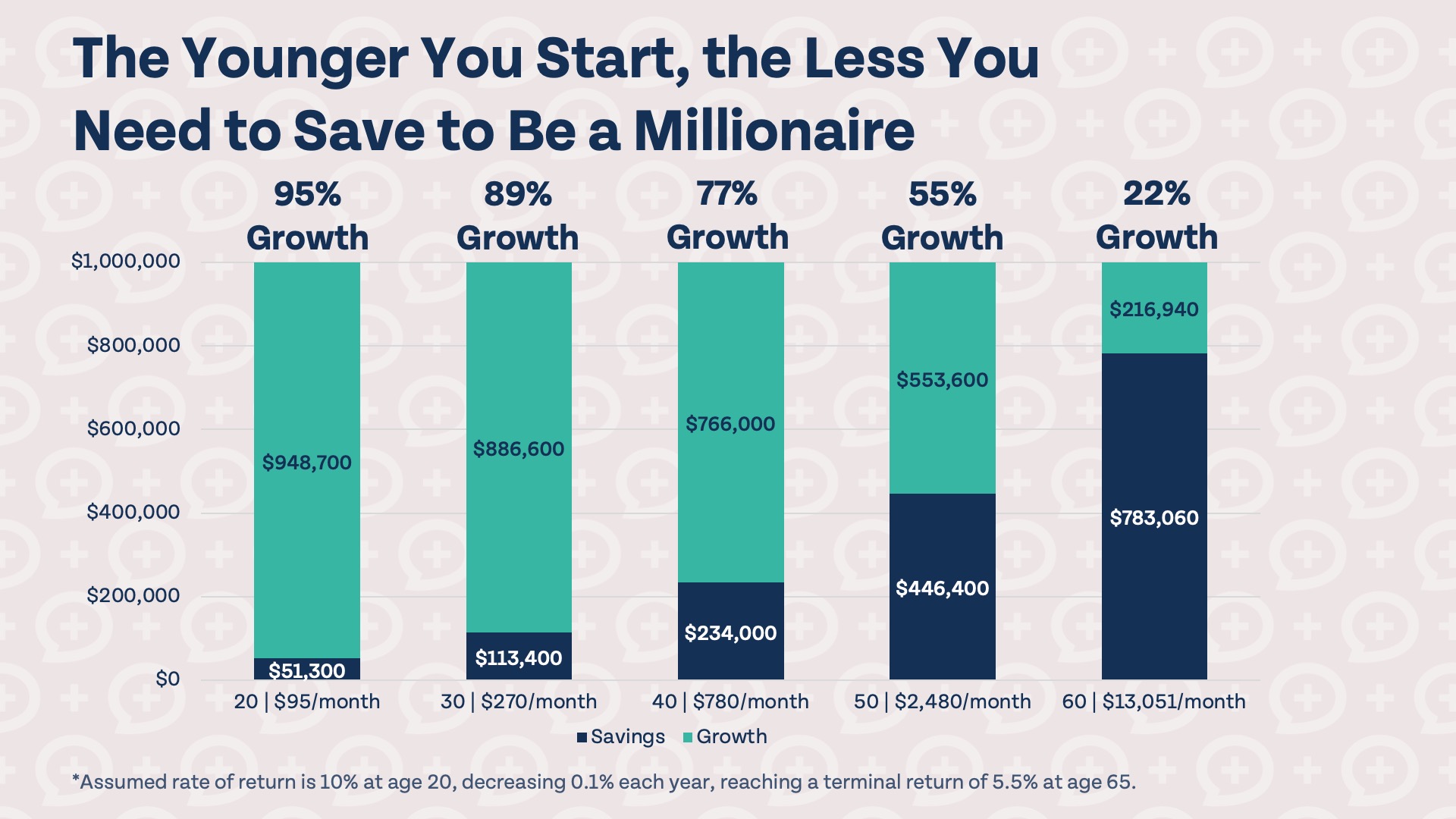
At the heart of every retirement fund lies the consistent act of saving. The more you contribute, and the earlier you start, the greater the potential for growth. This concept is underpinned by the remarkable force of compound interest, often hailed as the “eighth wonder of the world.” When your earnings start earning their own interest, and that interest then earns more interest, the growth becomes exponential.
Consider two individuals: one starts saving $500 per month at age 25, earning an average 7% annual return. The other starts saving the same amount at age 35, with the same return. By age 65, the early starter could have well over $1.2 million, while the late starter might have around $580,000. The ten-year difference in starting time accounts for a massive disparity, demonstrating that time in the market, coupled with consistent contributions, is an unparalleled accelerator for wealth accumulation. Maximizing contributions, especially through employer-sponsored plans like 401(k)s where matching contributions act as “free money,” is crucial. Even small, regular increases to your contribution percentage can lead to substantial gains over decades.
Investment Returns and Asset Allocation
While contributions provide the fuel, investment returns are the engine of your retirement growth. The assets you choose to invest in – stocks, bonds, mutual funds, exchange-traded funds (ETFs), real estate – dictate the rate at which your savings multiply. A diversified portfolio, spread across various asset classes, helps mitigate risk while maximizing potential returns.
Asset allocation, or how you divide your investment across different types of assets, is a critical strategic decision. Younger investors with a longer time horizon can typically afford to take on more risk, leaning heavier into equities (stocks) which historically offer higher returns but also greater volatility. As retirement approaches, a gradual shift towards more conservative investments like bonds and cash equivalents can help preserve capital and reduce exposure to market swings. Regularly rebalancing your portfolio to maintain your desired allocation ensures you stay on track with your risk tolerance and financial goals. Understanding the historical average returns of different asset classes and aligning them with your personal risk profile is vital for projecting your retirement worth.
The Erosion of Inflation and Taxes
Even a substantial nominal sum in retirement can be significantly diminished by the silent but persistent forces of inflation and taxes. Inflation erodes purchasing power over time, meaning that a dollar today will buy less in the future. A retirement fund that looks robust on paper today might fall short of providing your desired lifestyle if inflation isn’t factored into the projections. Historically, inflation has averaged around 2-3% annually, but it can fluctuate. Smart retirement planning accounts for this by aiming for returns that outpace inflation, ensuring your money’s real value grows.
Taxes also play a significant role. Depending on the type of retirement accounts you hold (e.g., traditional 401(k)s and IRAs are tax-deferred, Roth accounts are tax-free in retirement), your withdrawals will be subject to income tax. Understanding the tax implications of different accounts and employing tax-efficient withdrawal strategies can substantially increase the net value of your retirement income. For instance, diversifying between pre-tax and post-tax accounts provides flexibility in managing your taxable income in retirement, potentially leading to a lower overall tax burden.
Calculating Your Future Retirement Worth
Moving beyond theoretical determinants, it’s essential to put numbers to your aspirations. Several tools and considerations can help you project your retirement worth with greater accuracy.
Utilizing Online Calculators and Financial Planning Tools
In the digital age, a wealth of online retirement calculators and financial planning tools are at your fingertips. These tools allow you to input your current savings, contributions, expected returns, desired retirement age, and projected expenses to generate an estimate of your future retirement fund’s value. Many are free and provided by investment firms, banks, or non-profit organizations.
While these tools offer valuable insights, it’s crucial to understand their assumptions. They typically use average historical returns and may not fully account for market volatility or personal circumstances. For a more personalized and comprehensive assessment, consider working with a certified financial planner. They can create a tailored plan, incorporating your specific goals, risk tolerance, and tax situation, often using sophisticated software that models various scenarios.
Understanding Different Account Types (401k, IRA, Roth)
The type of retirement accounts you use has a direct impact on how much your retirement will ultimately be worth, particularly from a tax perspective.
- 401(k)s and Traditional IRAs: These accounts allow pre-tax contributions, meaning your contributions reduce your taxable income in the year they are made. Your money grows tax-deferred, but withdrawals in retirement are taxed as ordinary income.
- Roth 401(k)s and Roth IRAs: Contributions to these accounts are made with after-tax money, so there’s no immediate tax deduction. However, your qualified withdrawals in retirement are entirely tax-free. This can be immensely valuable, especially if you anticipate being in a higher tax bracket during retirement.
- Other Accounts: Don’t overlook other potential savings vehicles like HSAs (Health Savings Accounts), which offer a triple tax advantage (tax-deductible contributions, tax-free growth, and tax-free withdrawals for qualified medical expenses), or taxable brokerage accounts, which offer flexibility but no specific tax advantages for retirement.
A strategic mix of these account types can provide tax diversification, giving you more control over your tax bill in retirement and potentially increasing your net worth.
Projecting Healthcare and Living Expenses in Retirement
One of the most significant and often underestimated expenses in retirement is healthcare. Fidelity estimates that an average retired couple age 65 in 2023 may need approximately $315,000 saved (after tax) to cover healthcare expenses in retirement. This figure does not include long-term care, which can add hundreds of thousands more. Accurately projecting these costs is vital for determining how much your retirement needs to be worth.
Beyond healthcare, consider your desired lifestyle. Will you travel extensively, pursue expensive hobbies, or simply enjoy a quiet life at home? Create a realistic budget for your projected retirement expenses, including housing, food, transportation, utilities, insurance, entertainment, and discretionary spending. Factor in inflation for these expenses as well. Many financial planners use the “80% rule” (aiming for 80% of your pre-retirement income) as a starting point, but a detailed budget is always more accurate.
Strategies to Maximize Your Retirement Value
Once you understand the dynamics of retirement planning, you can proactively implement strategies to enhance your nest egg.
Increasing Savings and Catch-Up Contributions

The most straightforward way to boost your retirement worth is to save more. Automate your savings to ensure consistency. Whenever you receive a raise, consider increasing your retirement contribution percentage before you get accustomed to the extra income.
For those nearing retirement (age 50 and older), the IRS offers “catch-up contributions” to 401(k)s and IRAs, allowing you to contribute above the standard annual limits. This is a powerful tool to supercharge your savings in the final years of your career, making up for lost time or simply enhancing your financial security. Don’t leave this money on the table if you have the capacity to save more.
Diversifying Your Investment Portfolio
A well-diversified portfolio is your shield against market volatility and your engine for consistent growth. Beyond just mixing stocks and bonds, diversification also means spreading your investments across different industries, geographies, and company sizes. Don’t put all your eggs in one basket – a sudden downturn in one sector or region could severely impact an undiversified portfolio.
Regularly review and rebalance your portfolio to ensure it aligns with your risk tolerance and long-term goals. As you age, you might gradually shift from aggressive growth-oriented investments to more income-generating or capital-preserving assets. The goal is to maximize returns for your given risk level while protecting against catastrophic losses.
Planning for Longevity and Unexpected Costs
People are living longer, healthier lives, which means your retirement savings need to last longer. This phenomenon, known as longevity risk, necessitates robust planning. Don’t just plan for retirement to age 85; consider planning for 90 or even 95. This extended timeline requires a larger initial nest egg and a withdrawal strategy that accounts for a potentially longer period of reliance on your savings.
Furthermore, unexpected costs can derail even the best-laid plans. Major medical emergencies, home repairs, or support for adult children are all possibilities. Building an emergency fund separate from your retirement savings, and possibly considering long-term care insurance, can provide a crucial buffer, preventing you from having to tap into your principal retirement funds prematurely.
Navigating Retirement Withdrawals and Longevity
Accumulating wealth is one challenge; effectively drawing it down to support your lifestyle without running out of money is another. Your withdrawal strategy is just as crucial as your savings strategy.
The 4% Rule and Other Withdrawal Strategies
The “4% rule” is a widely discussed guideline suggesting that you can safely withdraw 4% of your initial retirement portfolio value each year, adjusted for inflation, without running out of money over a 30-year retirement. While a helpful starting point, it’s not a hard-and-fast rule and has limitations. Market conditions, your investment returns, and the length of your retirement can all impact its effectiveness.
Other strategies include:
- Dynamic Withdrawal Strategy: Adjusting your withdrawals based on market performance (e.g., withdrawing less in down years, more in up years).
- Bucket Strategy: Segmenting your assets into different “buckets” (e.g., cash for immediate needs, bonds for short-term, stocks for long-term growth) to match withdrawal needs with asset liquidity and risk.
- Floor-and-Ceiling Approach: Setting a minimum and maximum withdrawal amount, providing a safety net while allowing for upside potential.
Consulting with a financial advisor can help you determine the most suitable withdrawal strategy for your unique situation.
Income Streams Beyond Investments (Social Security, Pensions)
Your retirement worth isn’t solely defined by your investment portfolio. Other guaranteed or semi-guaranteed income streams play a significant role. Social Security benefits, for example, provide a foundational income for most retirees. Understanding how your claiming age impacts your monthly benefit is crucial (delaying until age 70 can significantly increase your payments).
If you’re fortunate enough to have a pension, that too becomes a vital component of your retirement income. These predictable income sources reduce your reliance on your investment portfolio, allowing it to potentially last longer or support a higher standard of living. Integrating these external income streams into your overall financial plan will give you a clearer picture of your comprehensive retirement worth and how much your personal savings truly need to generate.
Adapting Your Plan to Market Changes and Personal Needs
Retirement planning is not a “set it and forget it” endeavor. Economic conditions change, market cycles fluctuate, and your personal circumstances evolve. Regular reviews of your retirement plan – at least annually – are essential. This allows you to:
- Adjust contributions if your income changes.
- Rebalance your portfolio to maintain your desired asset allocation.
- Re-evaluate your projected expenses if your health or lifestyle changes.
- Adapt your withdrawal strategy based on market performance and your remaining lifespan.
Flexibility and a willingness to adjust your plan are paramount to ensuring your retirement nest egg not only lasts but continues to support your desired lifestyle throughout your golden years.
The Psychological Aspect of Retirement Planning
Beyond the numbers and strategies, there’s a profound psychological dimension to securing your financial future. The journey to a comfortable retirement is as much about mindset as it is about spreadsheets.
Overcoming Procrastination and Financial Inertia
The sheer complexity of retirement planning, coupled with the distant horizon of retirement itself, often leads to procrastination. It’s easy to delay saving, believing there’s always “tomorrow.” However, as highlighted earlier, time is your most valuable asset in compounding wealth. Overcoming financial inertia requires acknowledging the urgency of starting today, even with small amounts. Break down the daunting task into manageable steps: open a retirement account, set up automatic contributions, review your budget to find small savings. Each small action builds momentum and mitigates the regret of lost compound interest.
Another form of inertia is the reluctance to review and adjust plans. Market downturns can induce panic, leading to rash decisions, while sustained bull markets might foster complacency. Consciously engaging with your financial plan, understanding its strengths and weaknesses, and committing to periodic reviews can counteract these tendencies, keeping you on a steady, informed path.
The Peace of Mind from a Well-Structured Plan
While the ultimate dollar value of your retirement is critical, the peace of mind derived from a well-structured and regularly reviewed plan is invaluable. Knowing that you have a clear strategy, are making consistent progress, and have accounted for various contingencies reduces financial anxiety and allows you to focus on enjoying your life today, with confidence in your future.
A comprehensive plan provides clarity on what you need to do, how far you’ve come, and what adjustments might be necessary. This sense of control and foresight empowers you, transforming the abstract concept of “retirement” into a tangible, achievable goal. It frees you from worry about potential shortfalls and allows you to envision and actively work towards the retirement lifestyle you truly desire. Ultimately, “how much will my retirement be worth” isn’t just about a sum of money; it’s about the worth of your future freedom and peace of mind.
aViewFromTheCave is a participant in the Amazon Services LLC Associates Program, an affiliate advertising program designed to provide a means for sites to earn advertising fees by advertising and linking to Amazon.com. Amazon, the Amazon logo, AmazonSupply, and the AmazonSupply logo are trademarks of Amazon.com, Inc. or its affiliates. As an Amazon Associate we earn affiliate commissions from qualifying purchases.