
Understanding the cost of health insurance is a critical component of personal financial planning, and for many, Kaiser Permanente represents a unique and often appealing option. As one of the largest integrated managed care organizations in the United States, Kaiser Permanente provides both health insurance and healthcare services through its own network of hospitals and medical professionals. This integrated model can offer distinct advantages, but it also means that calculating “how much is Kaiser insurance for one person” isn’t a simple, static number. It’s a dynamic figure influenced by a multitude of factors, making it an essential topic for anyone looking to make an informed financial decision about their health coverage.
This article will delve into the various elements that shape Kaiser Permanente’s individual premiums, explore typical cost ranges, and provide a comprehensive guide to understanding and estimating your potential financial investment in their healthcare system.
Understanding Kaiser Permanente’s Unique Healthcare Model
Before dissecting the costs, it’s crucial to grasp what makes Kaiser Permanente different from many other health insurance providers. This unique operational structure profoundly impacts both the services you receive and the price you pay.
The Integrated Healthcare System Advantage
Kaiser Permanente operates as an integrated managed care organization, primarily functioning as a Health Maintenance Organization (HMO). This means that Kaiser Permanente acts as both your health insurer and your healthcare provider. Instead of a separate insurance company paying an independent doctor or hospital, Kaiser owns and operates its medical facilities, employs its physicians (through the Permanente Medical Groups), and manages the health plan itself.
This model is designed to foster a seamless continuum of care, emphasizing preventive medicine and coordinated services. For a single individual, this often translates into easier appointment scheduling within the Kaiser system, streamlined electronic health records accessible to all your Kaiser providers, and a strong focus on wellness programs. From a financial perspective, this integration aims to reduce administrative overhead and improve efficiency, which can, in theory, translate to more predictable costs and, in some cases, lower premiums compared to some PPO plans with broader networks.
Implications for Cost and Coverage
The HMO structure of Kaiser Permanente has significant implications for both your out-of-pocket costs and your healthcare experience. Typically, you choose a primary care physician (PCP) within the Kaiser network who then coordinates all your care. To see a specialist, you generally need a referral from your PCP. Except in emergencies, care received outside the Kaiser network is usually not covered, which is a key consideration for individuals who prefer the flexibility of choosing any doctor or hospital.
For a single person, this means:
- Predictable Costs: If you stay within the network, your co-pays and costs are often very predictable.
- Network Restriction: Your choice of doctors and hospitals is limited to Kaiser facilities and providers. This can be a deal-breaker for some but a non-issue for others who value the integrated system.
- Emphasis on Prevention: Kaiser’s model often includes robust wellness programs and preventive screenings, which can lead to better long-term health outcomes and potentially fewer expensive interventions down the line – a sound financial strategy for health.
Key Factors Driving Individual Kaiser Permanente Premiums
The question of “how much” is inherently complex because health insurance premiums are highly personalized. For a single individual, several core factors determine the monthly cost of Kaiser Permanente coverage.
Age and Location: Demographic Determinants
- Age: This is arguably the most significant factor. As individuals age, their healthcare needs generally increase, and so do their premiums. A 60-year-old individual will almost always pay significantly more than a 30-year-old for the same plan, even in the same location. The Affordable Care Act (ACA) limits how much insurers can vary premiums based on age (a 3:1 ratio for older adults vs. younger adults), but the impact is still substantial.
- Location: Where you live plays a crucial role. Health insurance markets are localized, and premiums can vary dramatically not just from state to state, but even from county to county within the same state. This is due to variations in local healthcare costs, competition among insurers, state-specific regulations, and the general health status of the population in a given area. Kaiser Permanente’s presence and market share also differ by region, impacting pricing.
Plan Tier Selection: Bronze, Silver, Gold, Platinum
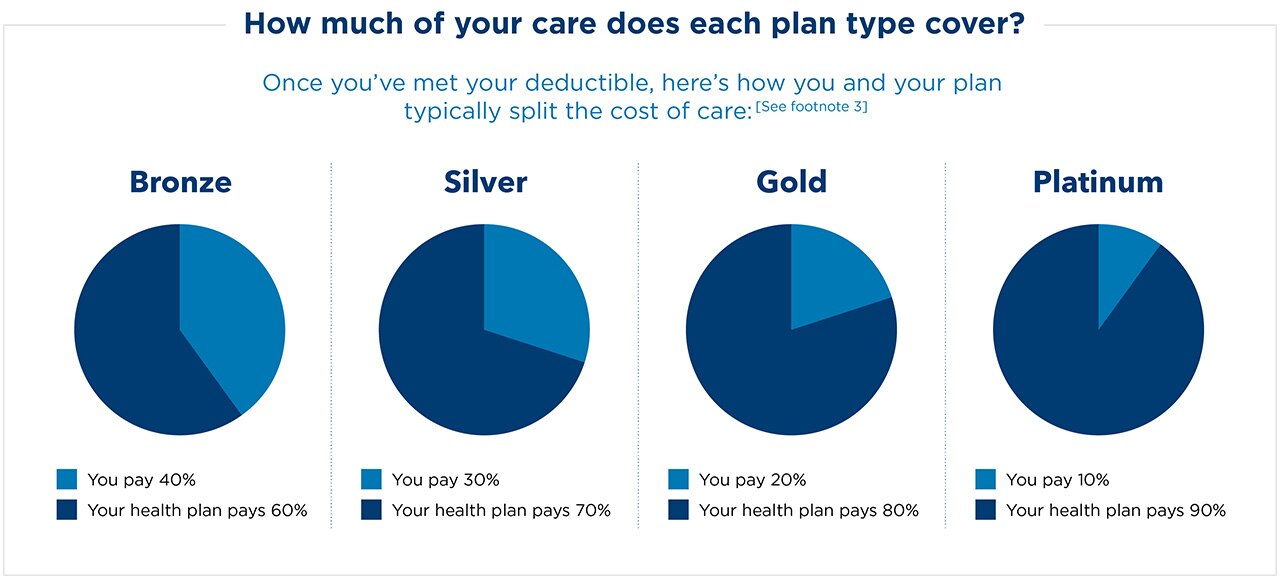
Like all ACA-compliant plans, Kaiser Permanente offers different metal tiers, each representing a different actuarial value – the average percentage of healthcare costs the plan is expected to cover for a standard population.
- Bronze Plans: These plans typically have the lowest monthly premiums but the highest deductibles and out-of-pocket maximums. They cover roughly 60% of average healthcare costs, meaning you pay more out-of-pocket when you receive care. Financially, these are often best for individuals who anticipate minimal healthcare needs and want to protect themselves from catastrophic events.
- Silver Plans: Offering a balance between monthly premiums and out-of-pocket costs, Silver plans cover approximately 70% of average healthcare costs. They are a popular choice because they are the only plans eligible for Cost-Sharing Reductions (CSRs), which can lower deductibles, co-pays, and co-insurance for individuals below a certain income threshold.
- Gold Plans: With higher monthly premiums than Bronze or Silver, Gold plans cover around 80% of average healthcare costs. They come with lower deductibles and co-pays, making them suitable for individuals who expect to use healthcare services more frequently and prefer more predictable costs when accessing care.
- Platinum Plans: These plans have the highest monthly premiums but the lowest deductibles and out-of-pocket maximums, covering about 90% of average healthcare costs. They are designed for individuals who anticipate significant healthcare needs and want the most comprehensive coverage with minimal out-of-pocket costs for services.
For an individual, choosing the right tier is a crucial financial decision that balances the immediate monthly expense against potential future medical bills.
Deductibles, Co-pays, and Co-insurance
Beyond the plan tier, the specific benefit design within each tier impacts your premium and your overall financial responsibility for healthcare.
- Deductible: This is the amount you must pay out of pocket for covered healthcare services before your insurance plan starts to pay. Plans with higher deductibles typically have lower monthly premiums.
- Co-pay: A fixed amount you pay for a covered healthcare service after you’ve met your deductible (though some plans offer co-pays for certain services before the deductible is met). Lower co-pays usually correlate with higher monthly premiums.
- Co-insurance: Your share of the cost of a covered healthcare service, calculated as a percentage (e.g., 20%) of the allowed amount for the service after you’ve met your deductible. Plans with lower co-insurance percentages generally have higher premiums.
The interplay of these factors allows for a high degree of customization, enabling individuals to tailor their plan to their anticipated healthcare usage and financial comfort level.
Financial Assistance and Subsidies
Perhaps the most impactful factor on an individual’s actual out-of-pocket premium is the availability of financial assistance through the Affordable Care Act (ACA).
- Premium Tax Credits (Subsidies): Eligible individuals and families with incomes between 100% and 400% (and temporarily, above 400%) of the Federal Poverty Level (FPL) can receive tax credits that directly reduce their monthly premium. These subsidies are paid directly to the insurance company on your behalf.
- Cost-Sharing Reductions (CSRs): Available only for Silver plans, CSRs reduce the amount you have to pay for deductibles, co-payments, and co-insurance if your income is between 100% and 250% of the FPL. This effectively makes a Silver plan more generous, similar to a Gold or Platinum plan, but at a Silver plan premium.
These subsidies can dramatically reduce the net cost of Kaiser Permanente insurance for many individuals, making otherwise expensive plans much more affordable.
Unpacking Average Costs and What to Expect
While the exact cost is personal, we can discuss general ranges to provide a realistic financial outlook for individual Kaiser Permanente plans. It’s crucial to remember these are estimates and will vary based on the factors discussed above.
Typical Monthly Premium Ranges (Without Subsidies)
For a single individual, without any financial assistance, Kaiser Permanente premiums can vary widely based on the factors mentioned. As of recent market data, general estimates typically fall within these broad ranges:
- Bronze Plans: Can range from approximately $300 to $600+ per month, with younger individuals at the lower end and older individuals (e.g., in their 50s or early 60s) at the higher end. These plans have very high deductibles, often several thousand dollars.
- Silver Plans: Typically range from $400 to $800+ per month. These represent a mid-range option with more balanced out-of-pocket costs than Bronze plans. They are also the tier where Cost-Sharing Reductions can significantly impact affordability for eligible individuals.
- Gold Plans: Generally range from $500 to $1,000+ per month. These plans offer lower deductibles and co-pays, providing more financial predictability for those who expect to use healthcare services frequently.
- Platinum Plans: Can exceed $700 to $1,200+ per month and are designed for individuals who prioritize comprehensive coverage and minimal out-of-pocket costs when receiving care.
These figures are illustrative and can fluctuate based on specific state and local market conditions, as well as annual rate adjustments. The age of the individual is often the biggest driver within these ranges.
The Impact of Subsidies: Real-World Scenarios
The most significant factor in making Kaiser Permanente insurance affordable for many single individuals is the availability of ACA subsidies. For example:
- A 30-year-old individual earning $30,000 annually (around 220% FPL) might qualify for a substantial premium tax credit that could reduce a $450 Silver plan premium down to $50-$150 per month, or even less depending on the specific state and plan. They would also likely receive Cost-Sharing Reductions, significantly lowering their deductible and co-pays.
- A 50-year-old individual earning $45,000 annually (around 270% FPL) might see a $700 Silver plan premium drop to $200-$350 per month due to premium tax credits, along with reduced cost-sharing.
These examples highlight how financial assistance can transform a seemingly expensive monthly premium into a manageable financial investment for individuals. The exact subsidy amount is calculated based on income, household size, and the cost of the benchmark Silver plan in your area.
Beyond the Premium: Total Out-of-Pocket Costs
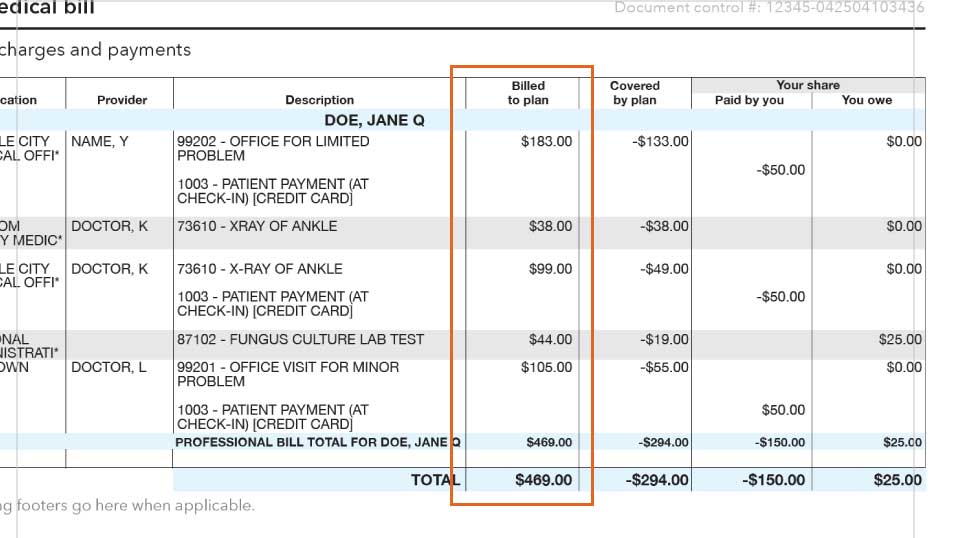
When budgeting for healthcare, it’s a common financial oversight to focus solely on the monthly premium. The “total cost” of your healthcare investment includes not only your premiums but also your out-of-pocket expenses for medical services, which consist of your deductible, co-pays, and co-insurance, up to your annual out-of-pocket maximum.
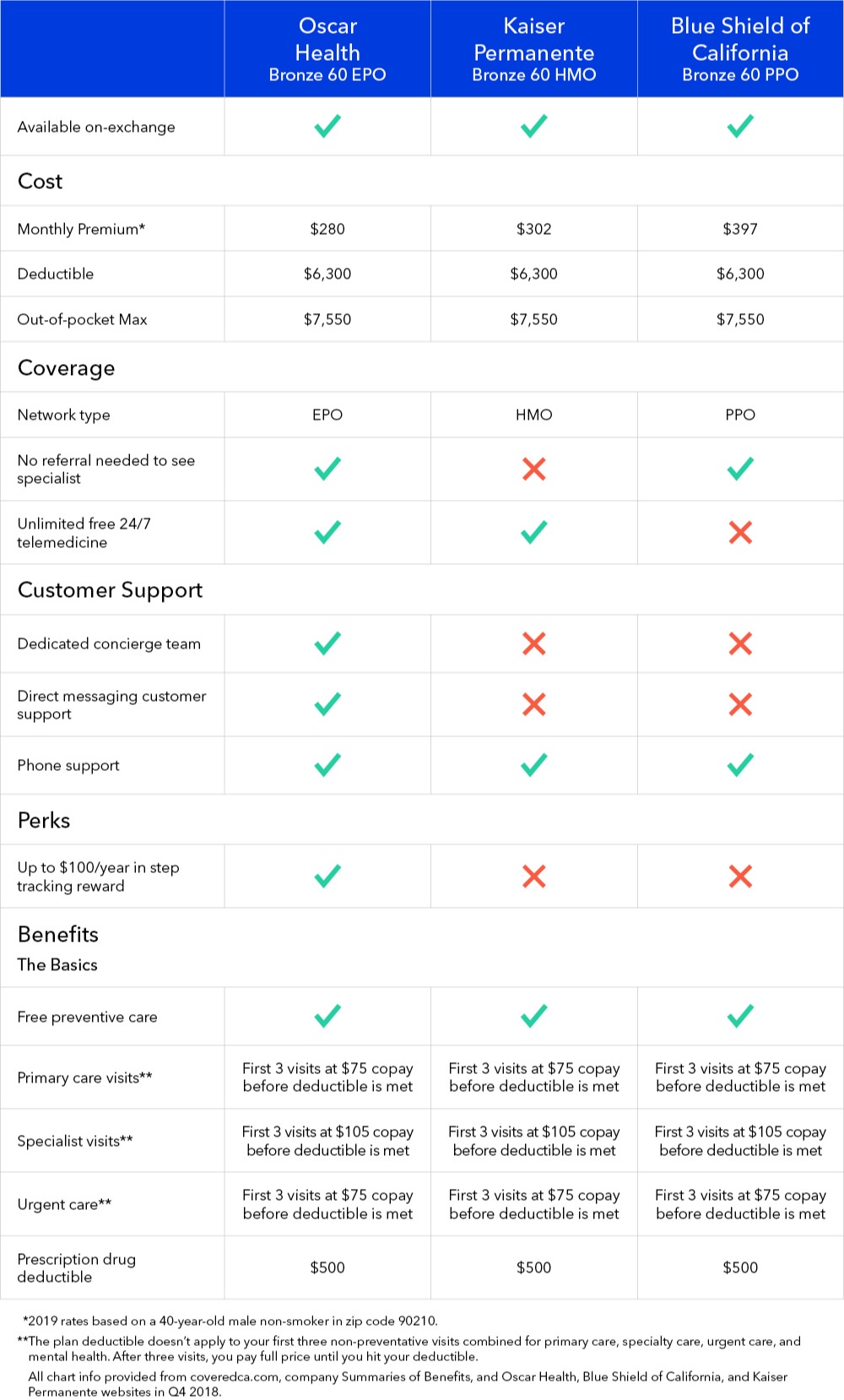
- An individual with a Bronze plan might pay a lower monthly premium, but could face a $7,000 deductible before their insurance truly kicks in for major services.
- Conversely, an individual with a Gold plan pays a higher premium but might only have a $1,500 deductible, making healthcare costs more predictable when needed.
Financial prudence dictates considering your anticipated healthcare usage alongside your budget when selecting a plan tier. If you have chronic conditions or anticipate frequent doctor visits or prescriptions, a higher premium for a Gold or Platinum plan might save you money in overall out-of-pocket costs throughout the year.
Navigating Your Options and Securing a Quote
For a single person looking to understand their specific Kaiser Permanente costs, there are clear pathways to obtain personalized quotes and explore available financial assistance.
The Health Insurance Marketplace (Healthcare.gov or State Exchanges)
This is the primary avenue for individuals to purchase ACA-compliant plans and, crucially, to access premium tax credits and cost-sharing reductions.
- Visit Healthcare.gov: If your state uses the federal marketplace, this is where you’ll go.
- Visit Your State Exchange: Many states operate their own health insurance marketplaces (e.g., Covered California, Connect for Health Colorado, Washington Healthplanfinder).
- Provide Income and Household Information: You will be prompted to enter your estimated annual income and household size. This information is critical for determining your eligibility for financial assistance.
- Compare Kaiser Plans: The marketplace allows you to view all available Kaiser Permanente plans in your area, compare their premiums (after applying any subsidies), deductibles, co-pays, and other benefits side-by-side with other insurers.
Using the marketplace is highly recommended as it’s the only way to receive federal subsidies, which can drastically lower your monthly financial commitment.
Direct Enrollment Through Kaiser Permanente
You can also enroll in an individual Kaiser Permanente plan directly through their official website.
- Kaiser Permanente Website: Visit the Kaiser Permanente website for your specific region (e.g., kp.org).
- Get a Quote: Look for sections dedicated to “Individual & Family Plans” or “Get a Quote.”
- No Subsidies Directly: While you can purchase plans directly, you typically cannot receive federal premium tax credits or cost-sharing reductions if you enroll this way. If you are eligible for financial assistance, the marketplace is the preferred route. This option is generally only advisable for individuals who know they do not qualify for subsidies.
Other Avenues: Employer Plans, Medicare/Medicaid
While this article focuses on individual plans, it’s worth noting other scenarios where a single person might have Kaiser Permanente coverage:
- Employer-Sponsored Plans: Many employers offer Kaiser Permanente as a health insurance option. In this case, your employer typically covers a significant portion of the premium, making it often the most affordable choice.
- Medicare/Medicaid: For eligible individuals, Kaiser Permanente also offers Medicare Advantage (Part C) plans and participates in some Medicaid programs. These have different cost structures based on government programs.
Is Kaiser Permanente the Right Choice for You? Weighing the Value
Deciding on health insurance is a personal financial and health decision. For a single person, Kaiser Permanente offers a distinct value proposition that aligns well with certain preferences.
Advantages: Coordinated Care and Predictability
- Seamless Integration: The unified system means your doctors, pharmacies, and labs are all connected, often under one roof. This can lead to better care coordination and a less fragmented experience, which can be invaluable for managing health proactively.
- Focus on Prevention: Kaiser’s model strongly emphasizes preventive care, which can translate into fewer serious health issues and lower long-term medical costs.
- Simplified Billing: With everything under Kaiser, billing can be more straightforward than dealing with multiple providers and an external insurance company.
- Predictable Out-of-Pocket Costs: Once you understand your plan’s co-pays and deductibles, your costs for in-network care are generally very predictable.
Considerations: Network Restrictions and Referrals
- Limited Network: The primary drawback for some individuals is the restrictive network. You must use Kaiser doctors and facilities, and if you have established relationships with outside specialists, you may need to find new providers within the Kaiser system.
- Referral System: To see a specialist, you typically need a referral from your Kaiser primary care physician. While this ensures coordinated care, it can be a barrier for those who prefer direct access to specialists.
- Geographic Availability: Kaiser Permanente is not available in all states or all regions within the states it serves. If you live outside a Kaiser service area, it won’t be an option for you.
Making an Informed Decision
Ultimately, the best health insurance is one that meets your personal health needs, financial situation, and lifestyle. When considering Kaiser Permanente as a single individual, ask yourself:
- Do I value an integrated, coordinated healthcare system?
- Am I comfortable with choosing doctors and hospitals within the Kaiser network?
- What are my anticipated healthcare needs for the coming year?
- How much am I willing to pay monthly versus out-of-pocket when I receive care?
- Am I eligible for financial assistance that could make a Kaiser plan more affordable?
In conclusion, the cost of Kaiser Permanente insurance for one person is not a fixed sum but rather a calculated investment, influenced by individual demographic factors, chosen plan benefits, and potential financial subsidies. By understanding these variables and utilizing the tools available through the Health Insurance Marketplace, individuals can confidently navigate their options and make a financially sound decision for their healthcare coverage.
aViewFromTheCave is a participant in the Amazon Services LLC Associates Program, an affiliate advertising program designed to provide a means for sites to earn advertising fees by advertising and linking to Amazon.com. Amazon, the Amazon logo, AmazonSupply, and the AmazonSupply logo are trademarks of Amazon.com, Inc. or its affiliates. As an Amazon Associate we earn affiliate commissions from qualifying purchases.