
For many individuals, navigating the complex world of health insurance is a daunting task, and the first question that invariably arises is, “How much will it cost me?” The answer, unfortunately, is rarely simple. Health insurance premiums for one person can vary wildly, ranging from under $100 to over $1,000 per month, depending on a multitude of factors. Understanding these variables is crucial for making an informed decision that balances comprehensive coverage with financial affordability. This article will demystify the key determinants of individual health insurance costs, explore where to find coverage, and outline strategies to manage these expenses effectively, all while emphasizing the indispensable value of this financial safety net.

Decoding the Core Factors Influencing Your Premium
The price you pay for health insurance is not arbitrary; it’s a calculated figure based on several interconnected elements. Recognizing these factors is the first step toward understanding your potential costs and finding a plan that fits your budget and healthcare needs.
Age and Location: The Non-Negotiables
Two of the most significant—and largely unchangeable—factors influencing your premium are your age and where you live.
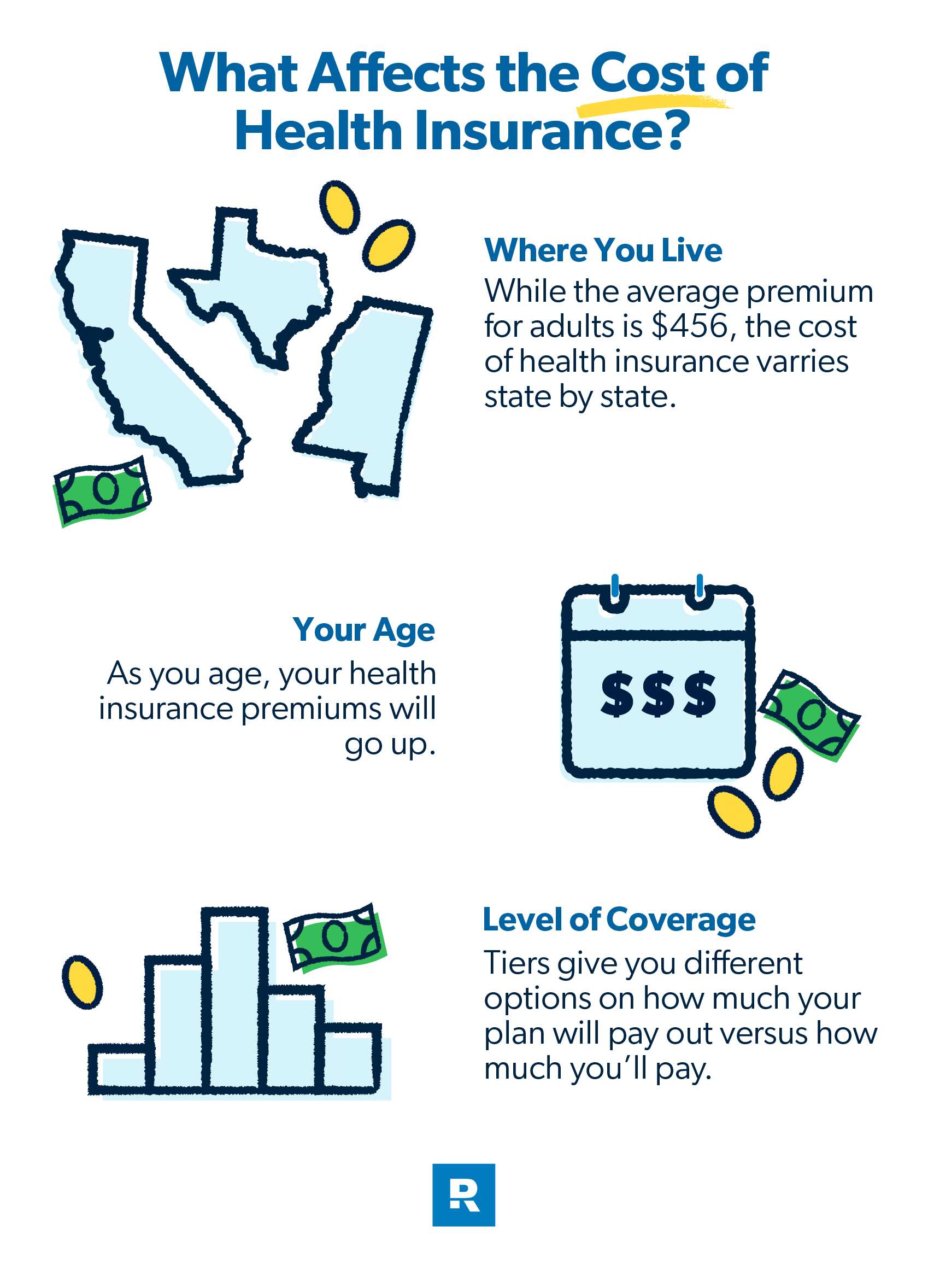
- Age: Generally, the older you are, the higher your health insurance premium will be. This is because older individuals statistically require more medical care and are at a higher risk for chronic conditions. Under the Affordable Care Act (ACA), insurers can only charge older adults up to three times more than younger adults for the same plan, but this age-based rating still represents a substantial difference. A 25-year-old will typically pay much less than a 55-year-old for identical coverage.
- Location: Where you reside plays a critical role due to variations in state regulations, local healthcare costs, and the level of competition among insurance providers. Different states have different rules regarding health insurance plans, taxes, and mandates, all of which can affect pricing. Moreover, the cost of medical services, hospital charges, and physician fees can fluctuate significantly from one city or rural area to another, directly impacting what insurers charge to cover those services. A person living in a high-cost medical market will likely pay more than someone in a lower-cost area, even within the same state.
Plan Type and Coverage Level: A Spectrum of Choices
The kind of plan you select and the extent of its coverage are perhaps the most influential factors you can control. Health insurance plans are typically categorized by their structure and “metal tiers,” indicating how costs are shared between you and the insurer.
- HMOs, PPOs, EPOs, POS Plans:
- HMO (Health Maintenance Organization): Generally the most affordable type of plan, HMOs require you to choose a primary care physician (PCP) within their network who then refers you to specialists. Out-of-network care is usually not covered, except in emergencies.
- PPO (Preferred Provider Organization): Offers more flexibility than an HMO, allowing you to see any doctor or specialist without a referral, both in-network and out-of-network (though out-of-network care costs more). This flexibility typically comes with higher premiums.
- EPO (Exclusive Provider Organization): A hybrid, EPOs allow you to choose any doctor or hospital within the network without a referral, similar to a PPO, but generally won’t cover out-of-network care, like an HMO. Premiums tend to be lower than PPOs.
- POS (Point of Service): Combines elements of HMOs and PPOs. You select a PCP, but can go out-of-network for a higher cost. These plans offer a middle ground in terms of cost and flexibility.
- Deductibles, Copayments, Coinsurance, Out-of-Pocket Max: These terms define how much you pay for care:
- Deductible: The amount you must pay out of pocket for covered medical services before your insurance plan starts to pay. Plans with higher deductibles typically have lower monthly premiums.
- Copayment (Copay): A fixed amount you pay for a covered healthcare service after you’ve paid your deductible (e.g., $30 for a doctor’s visit).
- Coinsurance: Your share of the cost of a covered healthcare service, calculated as a percentage (e.g., 20%) of the allowed amount for the service, after you’ve met your deductible.
- Out-of-Pocket Maximum (OOP Max): The most you have to pay for covered services in a plan year. After you reach this amount, your health plan pays 100% of the costs of covered benefits. Generally, plans with lower OOP maximums have higher premiums.
- Metal Tiers (Bronze, Silver, Gold, Platinum): These tiers signify the actuarial value of the plan, indicating the average percentage of healthcare costs the plan covers:
- Bronze (60% covered by plan): Lowest premiums, highest deductibles and out-of-pocket costs. Best for those who expect minimal medical care.
- Silver (70% covered by plan): Moderate premiums and deductibles. The only tier eligible for Cost-Sharing Reductions (CSRs) for low-income individuals.
- Gold (80% covered by plan): Higher premiums, lower deductibles and out-of-pocket costs. Good for those who expect moderate to high medical care use.
- Platinum (90% covered by plan): Highest premiums, lowest deductibles and out-of-pocket costs. Suitable for those with chronic conditions or who anticipate significant medical needs.
Tobacco Use and Health Status (Limited Impact Post-ACA)
While pre-existing conditions largely cannot be used to deny coverage or charge higher premiums due to the ACA, certain health-related factors can still influence costs.
- Tobacco Use: Insurers are permitted to charge tobacco users up to 50% more than non-users, reflecting the higher health risks associated with smoking.
- Overall Health Status: While not directly affecting premiums, individual health needs will guide the choice of plan. Someone with a chronic condition might opt for a Gold or Platinum plan with lower deductibles, effectively paying more in premiums to save on out-of-pocket costs, whereas a very healthy individual might prefer a Bronze plan or a high-deductible health plan (HDHP) with a Health Savings Account (HSA).
Subsidies and Financial Assistance
Many individuals don’t pay the full sticker price for health insurance thanks to government subsidies designed to make coverage more affordable.
- Premium Tax Credits (APTC): These reduce your monthly premium. Eligibility is based on your income and household size, relative to the Federal Poverty Level (FPL). The credit can be applied directly to your premium each month or claimed at tax time.
- Cost-Sharing Reductions (CSRs): Available only for Silver plans, CSRs lower your deductible, copayments, and coinsurance, reducing the amount you have to pay out of pocket when you receive care. Like APTCs, eligibility is tied to income thresholds.
Navigating the Market: Where to Find Coverage
Once you understand the factors influencing cost, the next step is knowing where to look for an individual health insurance plan. Several avenues exist, each with its own advantages and considerations.
The Health Insurance Marketplace (Healthcare.gov or State Exchanges)
The federal Health Insurance Marketplace, or state-run exchanges, is the primary platform for individuals and families to shop for ACA-compliant health insurance plans.
- Purpose: It’s designed to provide a centralized place to compare plans, understand benefits, and apply for financial assistance.
- Open Enrollment: Coverage is typically purchased during the annual Open Enrollment Period (usually November 1st to December 15th for coverage starting January 1st).
- Special Enrollment Periods (SEPs): If you experience a qualifying life event (e.g., losing job-based coverage, marriage, birth of a child, moving), you may be eligible to enroll outside of the open enrollment period.
- Subsidies: Critically, this is where you can access Premium Tax Credits and Cost-Sharing Reductions, which can significantly lower your costs.
Direct from Insurers
You can also purchase health insurance directly from an insurance company outside of the Marketplace.
- Pros: This might offer a wider selection of plans, including some that are not offered on the Marketplace.
- Cons: The most significant drawback is that plans purchased directly from an insurer do not qualify for Premium Tax Credits or Cost-Sharing Reductions. If you are eligible for subsidies, it is almost always more cost-effective to purchase through the Marketplace.
Short-Term Health Insurance
For individuals needing temporary coverage, short-term health insurance can be an option, though it comes with significant caveats.
- Limited Nature: These plans are generally much cheaper but offer limited benefits, often do not cover pre-existing conditions, and are not required to cover the ACA’s essential health benefits. They are designed for temporary gaps in coverage, typically for less than a year.
- Lower Cost: The lower premiums reflect the much-reduced coverage. They are not a substitute for comprehensive health insurance.
- Caution: Carefully read the policy details, as they often have high deductibles and strict limits on what they will pay for.
Other Options: COBRA and Medicaid/CHIP
Depending on your circumstances, other avenues might be available.
- COBRA (Consolidated Omnibus Budget Reconciliation Act): If you leave a job, COBRA allows you to continue your employer-sponsored health coverage for a limited time (usually 18 months). While it provides continuity of coverage, you’ll be responsible for the full premium, plus an administrative fee, making it often very expensive.
- Medicaid/CHIP (Children’s Health Insurance Program): These government programs provide low-cost or free health coverage to eligible low-income adults, children, pregnant women, elderly adults, and people with disabilities. Eligibility varies by state and income level.
Strategies for Reducing Your Health Insurance Costs
Even after understanding the factors and where to find plans, the cost can still feel prohibitive. Fortunately, several strategies can help you reduce your out-of-pocket expenses for health insurance.
Compare Plans Annually
The health insurance market is dynamic. Premiums, deductibles, and network providers can change significantly from year to year.
- Re-evaluate Needs: Your health needs might also change. Take the time during Open Enrollment to re-evaluate your current plan against new offerings. A plan that was ideal last year might not be the most cost-effective or suitable this year.
- Shop Around: Use the Marketplace or a trusted broker to compare plans across multiple insurers. Even a small difference in monthly premiums can add up over a year.
Understand Your Healthcare Needs vs. Wants
Choosing the right metal tier and plan type requires an honest assessment of your anticipated healthcare usage.
- High-Deductible Plans with HSAs: If you’re generally healthy and don’t expect to use many medical services, a high-deductible health plan (HDHP) combined with a Health Savings Account (HSA) can be a cost-effective choice. HSAs allow you to save money tax-free for medical expenses, and the funds roll over year after year. The lower monthly premiums of an HDHP can offset the higher deductible.
- Lower-Deductible Plans: If you have chronic conditions, anticipate frequent doctor visits, or are planning for a major medical event, a Gold or Platinum plan with higher premiums but lower deductibles and out-of-pocket maximums might save you money in the long run.
Maximize Subsidies and Tax Credits
If you’re eligible for financial assistance, ensure you claim every dollar you’re entitled to.
- Accurate Income Estimates: When applying through the Marketplace, provide an accurate estimate of your household income for the upcoming year. Changes in income can affect your eligibility for subsidies, so update your information if your financial situation changes.
- Cost-Sharing Reductions (CSRs): If your income qualifies, make sure you choose a Silver plan to benefit from CSRs, which directly reduce your out-of-pocket costs when you receive care.
Consider Employer-Sponsored Plans (If Applicable)
If you have access to health insurance through an employer, it is almost always a more cost-effective option than individual plans.
- Employer Contribution: Employers typically subsidize a significant portion of the premium for their employees, making the out-of-pocket cost much lower than what you’d pay for an individual plan.
- Comprehensive Coverage: Employer plans are usually comprehensive and offer a good range of benefits.
Wellness Programs and Discounts
Some insurance companies or employers offer wellness programs that can lead to premium discounts or other financial incentives for healthy behaviors.
- Engage with Programs: Participating in health screenings, fitness challenges, or smoking cessation programs might qualify you for lower premiums or reduced out-of-pocket costs. Inquire with your insurer or employer about available wellness initiatives.
The True Cost of Not Having Health Insurance
While the monthly premium for health insurance can feel like a significant burden, the financial implications of not having coverage far outweigh these costs for most individuals. Health insurance is not just an expense; it’s a critical financial protection.
Catastrophic Medical Bills
The most immediate and devastating consequence of being uninsured is the risk of catastrophic medical debt. An unexpected illness, accident, or emergency surgery can quickly lead to bills running into tens or hundreds of thousands of dollars.
- Leading Cause of Bankruptcy: Medical debt is a leading cause of personal bankruptcy in the United States. Without insurance, even a routine hospital stay can become a financial crisis, impacting credit scores, savings, and long-term financial stability.
Delayed or Foregone Care
Uninsured individuals often delay or forgo necessary medical care due to the inability to pay.
- Worsening Conditions: What might start as a treatable condition can escalate into a severe, life-threatening, and far more expensive problem if not addressed promptly. This not only jeopardizes physical health but also leads to higher costs when treatment eventually becomes unavoidable.
Limited Access to Preventive Services
Health insurance typically covers essential preventive services—like vaccinations, screenings, and annual check-ups—at no additional cost.
- Missed Opportunities: Without insurance, individuals are less likely to utilize these services, missing opportunities for early detection of diseases and proactive health management, which can lead to more complex and costly treatments down the line.
In conclusion, determining “how much health insurance is for one person” involves a dynamic interplay of personal characteristics, plan choices, and financial assistance. While the price can seem steep, understanding the various contributing factors and actively seeking out the best options can significantly reduce the burden. Ultimately, investing in health insurance is not just an expense but a fundamental pillar of personal financial planning, providing an invaluable shield against the unpredictable and potentially ruinous costs of healthcare. Proactive research, annual comparisons, and leveraging available subsidies are key to securing comprehensive and affordable coverage, ensuring both your health and your financial well-being are protected.
aViewFromTheCave is a participant in the Amazon Services LLC Associates Program, an affiliate advertising program designed to provide a means for sites to earn advertising fees by advertising and linking to Amazon.com. Amazon, the Amazon logo, AmazonSupply, and the AmazonSupply logo are trademarks of Amazon.com, Inc. or its affiliates. As an Amazon Associate we earn affiliate commissions from qualifying purchases.