
Navigating the landscape of health insurance can feel like an arduous journey, especially when you’re responsible for a family of four. The question of “how much is health insurance for a family of 4” is not merely an inquiry about a monthly bill; it’s a profound exploration into budgeting, financial security, and the well-being of your loved ones. For many households, health insurance premiums represent one of the most substantial recurring expenses after housing and transportation. Understanding the myriad factors that influence these costs, coupled with strategies for smart financial planning, is crucial for making informed decisions that protect both your family’s health and your wallet.

The cost of health insurance for a family is far from a one-size-fits-all figure. It’s a dynamic sum influenced by a complex interplay of plan types, deductibles, geographical location, age, income, and the overall health of your family members. Ignoring these variables can lead to either overspending or, worse, underinsuring your family, exposing them to significant financial risk in the event of an unexpected medical emergency. This article aims to demystify the financial aspects of family health insurance, offering insights and actionable strategies to help you budget effectively and secure the best possible coverage.
Understanding the Landscape of Family Health Insurance Costs
Before diving into specific numbers, it’s essential to grasp the general financial environment surrounding health insurance. The market is diverse, offering a spectrum of plans designed to cater to varying needs and budgets. However, this diversity also contributes to the complexity of determining an average cost.
The National Average: What to Expect
While averages can be misleading due to the wide range of variables, they provide a valuable starting point for financial planning. According to recent data, the average monthly premium for health insurance for a family of four can range significantly. For plans purchased directly through the Affordable Care Act (ACA) marketplace without subsidies, a typical family might expect to pay anywhere from $1,200 to over $2,500 per month, depending heavily on the state, the plan tier (Bronze, Silver, Gold, Platinum), and the ages of the family members.
However, these figures often change dramatically when subsidies are applied. Over 90% of individuals who enrolled in ACA marketplace plans in recent years received financial assistance, significantly reducing their out-of-pocket premium costs. For a family of four with a moderate income, subsidies could slash these premiums by hundreds, sometimes even over a thousand dollars per month, making quality health coverage far more accessible. This highlights the critical importance of understanding your eligibility for financial aid when calculating your budget.
Key Variables Driving Premiums
The “average” cost is merely a midpoint in a vast spectrum. Several critical variables exert a powerful influence on the final premium you pay:
- Plan Type: The fundamental structure of the insurance plan (e.g., HMO, PPO, HDHP) dictates not only how you access care but also a significant portion of its cost.
- Deductible Level: Plans with lower monthly premiums typically come with higher deductibles, requiring you to pay more out-of-pocket before insurance coverage kicks in.
- Geographic Location: Healthcare costs and regulations vary by state and even by county, leading to substantial differences in premiums.
- Age of Family Members: Older individuals generally have higher premiums due to an increased likelihood of needing medical care.
- Household Income: This is a crucial factor for subsidy eligibility, which can drastically alter your net premium.
Understanding these foundational elements is the first step in accurately forecasting your family’s health insurance expenditure and integrating it into your overall financial strategy.
Decoding the Factors That Influence Your Premiums
To truly master your health insurance budget, it’s imperative to dissect the specific elements that insurance companies consider when calculating your family’s premiums. Each factor plays a role in the complex algorithm that determines your monthly financial commitment.
Plan Type and Network Structure (HMO, PPO, EPO, POS, HDHP)
The type of health insurance plan you choose profoundly impacts both your premium and how you access medical care:
- HMO (Health Maintenance Organization): Typically offers lower premiums and out-of-pocket costs but requires you to choose a primary care physician (PCP) within its network and get referrals for specialists. Less flexibility, more cost-effective.
- PPO (Preferred Provider Organization): Offers greater flexibility, allowing you to see any doctor or specialist without a referral, both in and out of network (though out-of-network care costs more). Higher premiums, more choice.
- EPO (Exclusive Provider Organization): Similar to a PPO but generally doesn’t cover out-of-network care, except in emergencies. Balances cost and flexibility.
- POS (Point of Service): A hybrid of HMO and PPO, requiring a PCP and referrals for in-network care, but allowing out-of-network care at a higher cost.
- HDHP (High-Deductible Health Plan): Characterized by lower monthly premiums and higher deductibles. Often paired with a Health Savings Account (HSA), offering tax advantages for saving for medical expenses. Ideal for families with stable health and an ability to cover high deductibles.
Your family’s health needs, financial stability, and preference for physician choice should guide your selection, as these plans represent a significant trade-off between premium cost and flexibility/out-of-pocket expenses.
Deductibles, Copayments, and Out-of-Pocket Maximums
Beyond the monthly premium, these elements are critical to understanding your total potential healthcare spending:
- Deductible: The amount you must pay out of pocket for covered healthcare services before your insurance plan starts to pay. A family deductible means this amount must be met by the family collectively (or sometimes by individual members) before coverage truly kicks in.
- Copayment (Copay): A fixed amount you pay for a covered healthcare service after you’ve paid your deductible. For example, $30 for a doctor’s visit.
- Coinsurance: Your share of the cost of a healthcare service, calculated as a percentage (e.g., 20%) of the allowed amount for the service after you’ve met your deductible.
- Out-of-Pocket Maximum: The most you could pay for covered services in a plan year. Once you reach this limit, your health plan pays 100% of the cost of covered benefits. This figure is critical for budgeting for worst-case health scenarios.
Families need to balance lower premiums with these potential out-of-pocket costs. A low-premium, high-deductible plan might save money monthly, but could expose you to significant costs if a major health event occurs. Conversely, a high-premium, low-deductible plan offers greater predictability but demands a larger upfront financial commitment.
Geographic Location and State-Specific Regulations
Where you live significantly impacts health insurance costs. States have different regulatory environments, competitive landscapes, and average healthcare service costs. A family of four in New York City will likely pay a vastly different premium than a similar family in a rural area of Iowa, even for comparable plans. It’s essential to check marketplace options specific to your zip code.
Age, Health Status, and Tobacco Use
Under current ACA regulations, health insurers can no longer deny coverage or charge more based on pre-existing conditions. However, they can still adjust premiums based on:
- Age: Older individuals are charged more, with rates often increasing in specific age brackets.
- Tobacco Use: Smokers can be charged up to 50% more than non-smokers in some states.
- Family Size: While this article focuses on a family of four, the cost is calculated per individual in the family, though usually capped at three children under 21 for premium calculation purposes.
While you can’t change your family’s age, being aware of these factors helps in understanding the premium calculation and considering lifestyle choices like quitting smoking for potential savings.
Income and Household Size: The Role of Subsidies
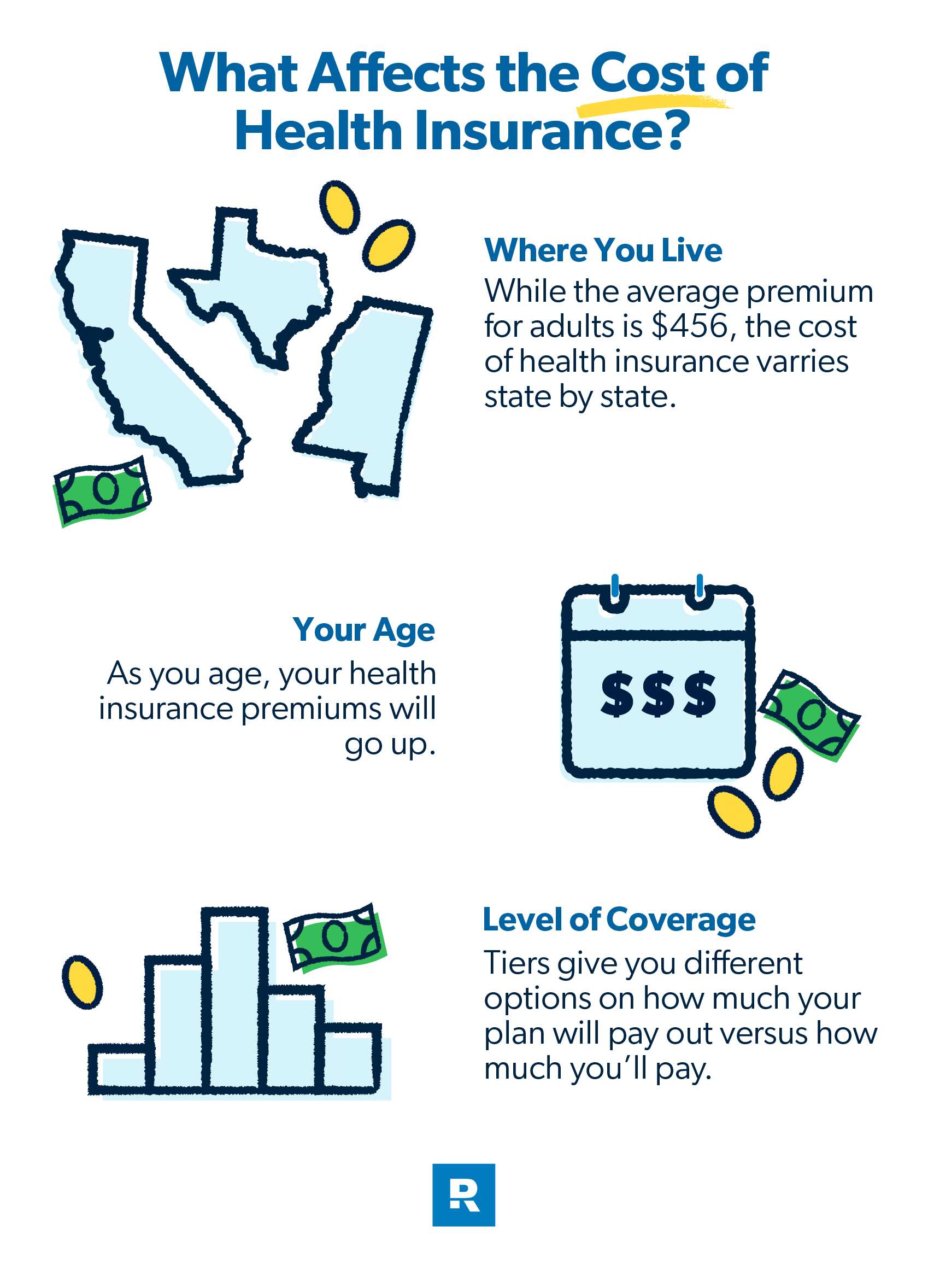
Perhaps the most impactful factor for many families is their Modified Adjusted Gross Income (MAGI) relative to the Federal Poverty Level (FPL). The ACA offers two primary forms of financial assistance:
- Premium Tax Credits (PTC): These are refundable tax credits that can be used to lower your monthly premium for health insurance purchased through the marketplace. Eligibility and the amount of the credit are based on your household income and family size, with higher subsidies for lower incomes.
- Cost-Sharing Reductions (CSRs): Available only for “Silver” plans, CSRs reduce the amount you have to pay for deductibles, copayments, and coinsurance. They effectively make your Silver plan function like a Gold or Platinum plan in terms of out-of-pocket costs, but you still pay a Silver plan premium (reduced by PTC if eligible).
Many families significantly overestimate their out-of-pocket costs by not realizing they qualify for substantial subsidies. This financial aid can transform seemingly unaffordable plans into manageable options, making marketplace exploration a critical step for all families.
Exploring Avenues to Affordability and Savings
With a clear understanding of what drives costs, the next step is to actively seek out avenues that can make health insurance for your family more affordable. Smart financial planning means leveraging every available resource.
Employer-Sponsored Plans: The Gold Standard
For many, an employer-sponsored health plan remains the most cost-effective option. Employers typically contribute a significant portion of the premium, often covering 70-80% of the cost for individual employees and a substantial part for family coverage. This makes the net cost to the employee much lower than purchasing a comparable plan on the individual marketplace. If an employer offers coverage, it’s almost always the first and best financial choice for your family.
Government Subsidies and Tax Credits
As mentioned, Premium Tax Credits (PTCs) and Cost-Sharing Reductions (CSRs) are game-changers for families purchasing insurance through the ACA marketplace. Families with incomes up to 400% of the FPL are eligible for PTCs, and those with incomes up to 250% of the FPL can also qualify for CSRs on Silver plans. The American Rescue Plan Act of 2021 and the Inflation Reduction Act of 2022 temporarily expanded these subsidies, making them even more generous and accessible to a wider range of income levels. Always apply for marketplace coverage to determine your eligibility.
Medicaid and CHIP: Safety Nets for Low-Income Families
For families with lower incomes, government-funded programs like Medicaid and the Children’s Health Insurance Program (CHIP) provide essential, often free or low-cost, health coverage. Eligibility for Medicaid is primarily based on income and family size relative to the FPL. CHIP covers children and sometimes pregnant women in families who earn too much for Medicaid but cannot afford private insurance. These programs are vital safety nets and should be explored by any family facing financial hardship.
High-Deductible Health Plans (HDHPs) and HSAs
For healthy families who are comfortable with higher out-of-pocket costs for routine care, an HDHP coupled with a Health Savings Account (HSA) can be a powerful financial tool. HDHPs have lower monthly premiums. An HSA allows you to save money tax-free for qualified medical expenses. Contributions are tax-deductible, earnings grow tax-free, and withdrawals for medical expenses are tax-free. It’s a triple tax advantage that can lead to significant long-term savings, effectively turning healthcare expenses into a tax-advantaged investment strategy.
Shopping Smart: Comparing Plans on the Marketplace
Whether through the federal marketplace (HealthCare.gov) or state-run exchanges, comparing plans is critical. Don’t simply renew your existing plan without checking alternatives. Use the marketplace’s comparison tools to:
- Filter by plan type, premium, and deductible.
- Check network doctors and hospitals to ensure your preferred providers are covered.
- Estimate out-of-pocket costs based on your family’s typical medical needs.
- Factor in subsidies to see your true net cost.
Even small differences in premiums or deductible structures can translate into hundreds or thousands of dollars saved annually for a family of four.
The Value Proposition: Why Health Insurance Matters
While the focus on cost is natural, it’s crucial to remember the invaluable return on investment that health insurance provides. It’s not just another bill; it’s a fundamental pillar of your family’s financial stability and overall well-being.
Protecting Your Family’s Health and Finances
An unexpected illness or accident can quickly rack up tens or even hundreds of thousands of dollars in medical bills. Without insurance, such an event can lead to medical debt, bankruptcy, and long-term financial devastation. Health insurance acts as a shield, protecting your assets and savings from catastrophic healthcare costs. It ensures that necessary treatments, surgeries, and medications are accessible without financially ruining your family.
Peace of Mind in an Uncertain World
Beyond the tangible financial protection, health insurance offers an immeasurable benefit: peace of mind. Knowing that your children can receive the care they need, that a sudden illness won’t bankrupt you, and that preventative care is covered, allows you to focus on living your life rather than constantly worrying about potential medical expenses. This peace of mind is an invaluable return on your monthly premium investment, allowing your family to thrive.
Navigating the Enrollment Process and Making the Right Choice
Making the final decision requires careful consideration of your family’s unique circumstances and a strategic approach to enrollment.
Open Enrollment vs. Special Enrollment Periods
Most families must purchase or change health insurance during Open Enrollment, which typically runs from November 1st to January 15th each year for coverage beginning the following year. Missing this window means you cannot get coverage unless you qualify for a Special Enrollment Period (SEP). SEPs are triggered by qualifying life events such as marriage, birth or adoption of a child, loss of other health coverage, or a permanent move. Understanding these periods is vital to ensure continuous coverage for your family.
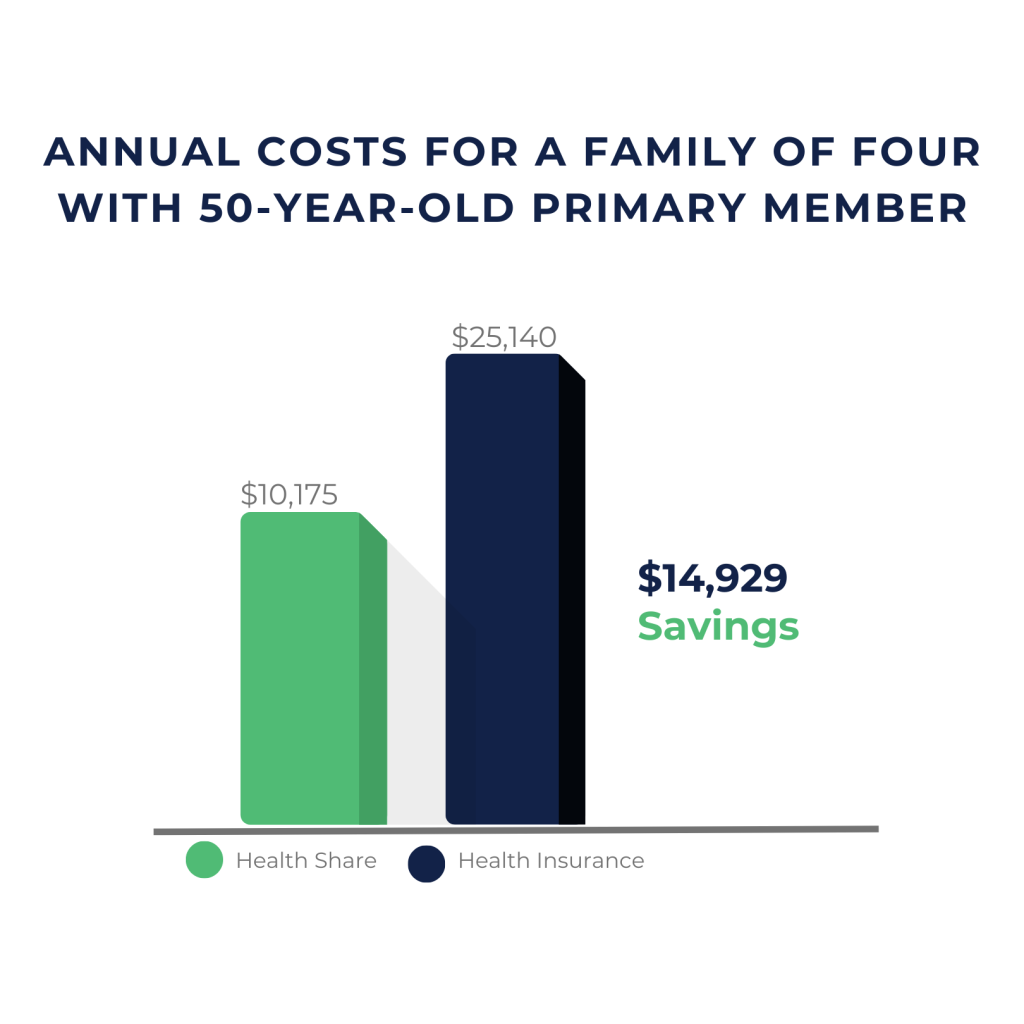
Essential Considerations Before You Choose
When selecting a plan for your family of four, ask yourself:
- What is our family’s general health status? Do we anticipate many doctor visits, or are we generally healthy?
- Are there specific doctors or hospitals we must keep? This influences network choices (HMO vs. PPO).
- How much can we comfortably afford in monthly premiums versus potential out-of-pocket costs? This helps determine deductible levels.
- Do we qualify for any subsidies or programs like Medicaid/CHIP? This significantly impacts affordability.
- Are there any benefits beyond standard medical care that are important (e.g., dental, vision for kids, mental health)?
The question of “how much is health insurance for a family of 4” is not just about a single number, but about a comprehensive financial strategy. By understanding the cost drivers, exploring all available savings avenues, and making an informed choice based on your family’s unique needs, you can secure robust health coverage that provides both financial protection and peace of mind for everyone under your roof. Investing in health insurance is an investment in your family’s future, and a well-planned financial approach ensures that investment is sound.
aViewFromTheCave is a participant in the Amazon Services LLC Associates Program, an affiliate advertising program designed to provide a means for sites to earn advertising fees by advertising and linking to Amazon.com. Amazon, the Amazon logo, AmazonSupply, and the AmazonSupply logo are trademarks of Amazon.com, Inc. or its affiliates. As an Amazon Associate we earn affiliate commissions from qualifying purchases.