
For many families, securing adequate health insurance is not just a choice, but a fundamental necessity. It’s the safety net that catches you when unexpected medical needs arise, the key to accessing crucial preventive care, and a significant contributor to overall financial stability. However, the question “how much is family health insurance?” is complex, without a single, simple answer. The cost varies dramatically based on a myriad of factors, making it a challenging landscape to navigate for even the most financially savvy households. Understanding these variables, and the options available, is crucial for making an informed decision that balances comprehensive coverage with affordability. This article delves deep into the financial intricacies of family health insurance, equipping you with the knowledge to manage costs and secure the best possible protection for your loved ones.
Understanding the Core Components of Family Health Insurance Costs
Before diving into the factors that influence the price tag, it’s essential to grasp the fundamental components that collectively form the total cost of any health insurance plan. These are the building blocks you’ll encounter when comparing policies.
Premiums: The Monthly Price Tag
The premium is perhaps the most straightforward cost: it’s the fixed amount you or your employer pays to the insurance company, typically on a monthly basis, to maintain coverage. Think of it as your subscription fee for access to the plan’s benefits. While premiums are predictable, their amount can vary wildly based on the plan’s generosity, the number of people covered, and other demographic factors. A higher premium generally correlates with a lower deductible and more extensive coverage, offering greater financial protection upfront but demanding a larger ongoing commitment.
Deductibles: Your Out-of-Pocket Threshold
A deductible is the amount of money you must pay out of your own pocket for covered medical services before your insurance company begins to pay. For family plans, there are often individual deductibles and a family deductible. Once an individual meets their deductible, their coverage kicks in. Once the family deductible is met, the plan typically starts paying for everyone’s covered services, regardless of whether each individual has met their personal deductible. For instance, if your family deductible is $6,000, you’ll need to pay that amount in total medical costs within a policy year before your insurer starts contributing significantly. Plans with lower monthly premiums often come with higher deductibles, meaning you pay more out-of-pocket before insurance assistance begins.
Co-payments and Co-insurance: Sharing the Medical Burden
Once your deductible is met, your insurance typically doesn’t cover 100% of costs immediately. This is where co-payments and co-insurance come into play:
- Co-payment (Co-pay): A fixed amount you pay for a covered health service after you’ve met your deductible. For example, a $30 co-pay for a doctor’s visit or a $50 co-pay for an emergency room visit. Some plans offer co-pays for certain services even before the deductible is met, particularly for office visits or prescription drugs.
- Co-insurance: Your share of the cost of a covered health care service, calculated as a percentage. For example, if your plan has an 80/20 co-insurance, your insurance pays 80% of the cost, and you pay the remaining 20% after your deductible is met, up to your out-of-pocket maximum.
Out-of-Pocket Maximums: Your Financial Safety Net
The out-of-pocket maximum (or limit) is arguably one of the most critical features of any health insurance plan, especially for families. This is the absolute most you will have to pay for covered medical services in a given plan year, including deductibles, co-payments, and co-insurance. Once you hit this limit, your insurance company will pay 100% of all covered medical costs for the remainder of the year. This cap protects families from catastrophic medical bills, ensuring that even in the face of serious illness or injury, there’s a limit to your financial liability. Understanding this ceiling is crucial for budgeting and planning for worst-case scenarios.
Key Factors Influencing Your Family’s Health Insurance Premiums
The monthly premium you pay for family health insurance is a dynamic figure, shaped by a confluence of variables. Grasping how these factors impact costs is vital for accurate budgeting and plan selection.
Demographics: Age, Location, and Tobacco Use
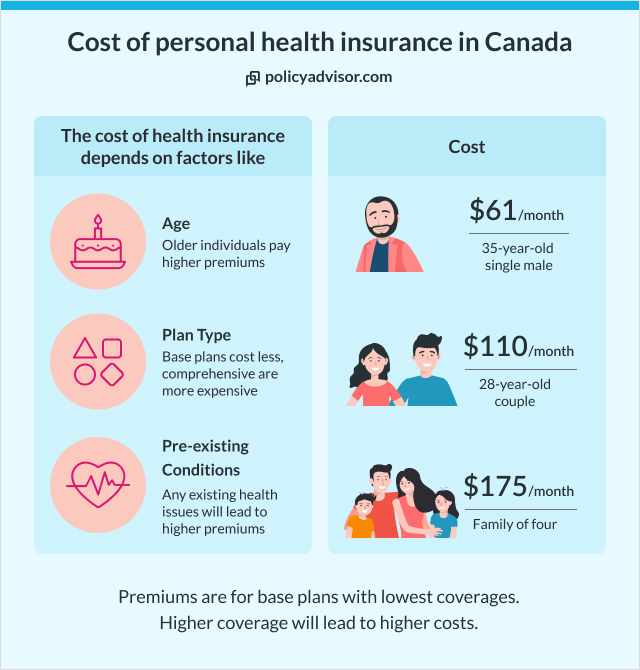
- Age: Generally, health insurance premiums increase with age. Older individuals typically have higher medical needs, and insurers reflect this in their pricing. For families, the age of the oldest adult on the plan often heavily influences the overall premium.
- Location: Where you live significantly impacts your costs. Healthcare costs vary by state, county, and even zip code due to differences in local medical costs, competition among providers, state regulations, and the overall health of the population in that area. Rural areas might have fewer options, while urban centers might have higher costs of living reflected in medical service pricing.
- Tobacco Use: Smokers and tobacco users often face higher premiums due to the increased health risks associated with tobacco consumption. The Affordable Care Act (ACA) allows insurers to charge tobacco users up to 50% more than non-users.
Plan Type and Metal Tiers: Balancing Cost and Coverage
Health insurance plans come in various structures, each with its own cost implications:
- HMO (Health Maintenance Organization): Typically lower premiums, but require you to choose a primary care physician (PCP) within the network who then refers you to specialists. Limited or no coverage for out-of-network care.
- PPO (Preferred Provider Organization): Offer more flexibility, allowing you to see any doctor or specialist without a referral, both in and out of network (though out-of-network care costs more). Premiums are generally higher than HMOs.
- EPO (Exclusive Provider Organization): A hybrid model, offering flexibility without requiring a referral for specialists, but with no coverage for out-of-network care except in emergencies.
- POS (Point of Service): Combines elements of HMOs and PPOs. You may need a PCP referral for in-network care, but you can go out-of-network for a higher cost.
Furthermore, plans on the ACA Marketplace are categorized into “metal tiers” (Bronze, Silver, Gold, Platinum) based on how they split costs with you:
- Bronze: Lowest monthly premiums, but highest deductibles and out-of-pocket costs (insurer pays about 60% of costs).
- Silver: Moderate premiums, moderate deductibles. Many receive cost-sharing reductions with Silver plans (insurer pays about 70% of costs).
- Gold: High monthly premiums, but lower deductibles and out-of-pocket costs (insurer pays about 80% of costs).
- Platinum: Highest premiums, lowest deductibles, and out-of-pocket costs (insurer pays about 90% of costs).
Number of Family Members Covered
This is a straightforward factor: the more individuals you add to your family health insurance plan, the higher your total premium will be. Adding a spouse or multiple children increases the overall risk pool for the insurer, leading to higher costs. However, adding children often follows a different pricing structure; after a certain number of children (e.g., three), additional children may not incur extra premium costs on some plans.
Provider Network Size and Restrictions
The size and scope of a plan’s provider network can impact costs. Plans with smaller, more restrictive networks (like HMOs) generally have lower premiums because they negotiate lower rates with a limited set of providers. Plans with extensive networks that allow you to see a wide range of doctors and hospitals (like PPOs) often come with higher premiums due to the broader access and less stringent cost controls.
Avenues for Acquiring Family Health Insurance Coverage
Families have several pathways to obtain health insurance, each with its own advantages, disadvantages, and cost structures. Understanding these options is key to finding the most suitable and affordable plan.
Employer-Sponsored Plans: The Most Common Route
For many families, employer-sponsored health insurance is the primary and often most affordable option. Employers typically subsidize a significant portion of the premiums, making these plans considerably less expensive than purchasing individual coverage on the open market. These plans often provide a range of choices (HMO, PPO, etc.) and may include dental, vision, and other benefits. The employer’s contribution varies, but it’s a major financial benefit that can drastically reduce a family’s out-of-pocket premium costs. The downside is a lack of choice outside of the employer’s selected plans, and coverage typically ends if employment is terminated.
Health Insurance Marketplace (ACA): Options for Individuals and Families
For families who do not have access to affordable employer-sponsored coverage, or who are self-employed, the Health Insurance Marketplace (established by the Affordable Care Act) is a vital resource. Through the Marketplace (HealthCare.gov or state-run exchanges), families can compare various plans, categorized by metal tiers, and enroll during specific open enrollment periods or special enrollment periods triggered by life events (e.g., marriage, birth of a child, loss of other coverage). A significant benefit of the Marketplace is the availability of financial assistance in the form of Premium Tax Credits and Cost-Sharing Reductions, which can substantially lower premiums and out-of-pocket costs for eligible families based on their income.
Direct from Insurers: Exploring Private Plans
While most individuals and families will use the Marketplace if not covered by an employer, it is still possible to purchase health insurance directly from private insurance companies outside the Marketplace. These plans may not offer the same financial subsidies available through the ACA exchanges, making them potentially more expensive for those who qualify for assistance. However, for higher-income families who don’t qualify for subsidies, or those looking for specific plan features not available on the Marketplace, this can be an option. It’s crucial to ensure these plans are ACA-compliant, meaning they cover essential health benefits and adhere to consumer protections.
Government Programs: Medicaid and CHIP for Eligible Families
For low-income families and children, government-funded programs like Medicaid and the Children’s Health Insurance Program (CHIP) provide crucial access to healthcare.
- Medicaid: A joint federal and state program that provides health coverage to millions of Americans, including eligible low-income adults, children, pregnant women, elderly adults, and people with disabilities. Eligibility is primarily based on household income relative to the Federal Poverty Level (FPL), though criteria vary by state.
- CHIP: Provides low-cost health coverage to children in families who earn too much to qualify for Medicaid but cannot afford private insurance. Some states also cover pregnant women through CHIP. These programs offer a comprehensive range of benefits, often with very low or no premiums and minimal out-of-pocket costs, serving as a critical safety net for vulnerable families.
Strategic Approaches to Reducing Family Health Insurance Expenses
While health insurance is an unavoidable expense, families can employ several strategies to mitigate costs and make coverage more affordable. Proactive planning and informed decision-making are key.
Maximizing Subsidies and Tax Credits
For families purchasing coverage through the Health Insurance Marketplace, understanding and applying for financial assistance is paramount.
- Premium Tax Credits (PTC): These are refundable tax credits that lower your monthly insurance premium. Eligibility is based on household income and family size, relative to the Federal Poverty Level. The higher your income (up to a certain cap), the lower your tax credit.
- Cost-Sharing Reductions (CSRs): Available only with Silver-tier plans on the Marketplace, CSRs reduce your out-of-pocket costs (deductibles, co-pays, co-insurance). Eligibility is also based on income. These two subsidies can significantly reduce the overall financial burden of health insurance for eligible families. Always accurately report your income and household size to ensure you receive the maximum assistance you’re entitled to.
Leveraging High-Deductible Health Plans (HDHPs) with HSAs
High-Deductible Health Plans (HDHPs) typically feature lower monthly premiums but require you to pay more out-of-pocket before insurance kicks in. For healthy families or those with robust emergency savings, an HDHP can be a cost-effective option. Crucially, HDHPs can be paired with a Health Savings Account (HSA).
- Health Savings Account (HSA): This is a tax-advantaged savings account that can be used to pay for qualified medical expenses. Contributions are tax-deductible, funds grow tax-free, and withdrawals for medical expenses are tax-free. HSAs are portable, owned by you, and offer a powerful way to save for future medical costs while lowering your taxable income. For families, this is a dual-benefit strategy: lower premiums now and a tax-efficient way to save for deductibles and other medical costs later.
Focusing on Preventive Care and Wellness Programs
An ounce of prevention is truly worth a pound of cure when it comes to healthcare costs. Most health insurance plans, especially those compliant with the ACA, cover a wide range of preventive services at no additional cost (no co-pay or deductible). These include annual check-ups, immunizations, screenings for various conditions, and wellness counseling. Regularly utilizing these services can help detect potential health issues early, preventing them from escalating into more serious, and far more expensive, conditions down the line. Many employers and insurers also offer wellness programs (e.g., gym membership discounts, health coaching) that can further encourage healthy habits and potentially reduce long-term medical expenditures.
Carefully Comparing Plans and Understanding Benefits
One of the most effective ways to save money is to be a diligent consumer. Don’t simply renew your current plan without reviewing alternatives. During open enrollment periods, take the time to compare different plans available through your employer or the Marketplace.
- Analyze the “Total Cost”: Look beyond just the premium. Consider the deductible, co-pays, co-insurance, and the out-of-pocket maximum. A plan with a slightly higher premium but a much lower deductible might be better for a family expecting significant medical needs.
- Check Provider Networks: Ensure your preferred doctors, specialists, and hospitals are in-network for any plan you consider. Out-of-network care can be significantly more expensive.
- Review Prescription Drug Coverage: If family members take regular medications, check the plan’s formulary (list of covered drugs) and their associated costs (tier structure).
- Assess Benefits: Does the plan cover services important to your family, such as mental health, maternity care, or specific therapies?
Negotiating Medical Bills and Utilizing Generic Medications
Even with insurance, you can still be an advocate for lower costs.
- Negotiate Bills: If you receive a large medical bill, especially for out-of-network services or those not fully covered, don’t be afraid to call the provider’s billing department and negotiate. Hospitals and clinics often have discounted rates for uninsured patients or those who pay cash upfront.
- Generic Medications: Always ask your doctor if a generic version of a prescribed medication is available. Generics are chemically identical to brand-name drugs but are significantly cheaper. Utilizing mail-order pharmacies for maintenance medications can also offer cost savings.
The Indispensable Value Proposition of Family Health Insurance
Beyond the numbers and complex terminology, the true value of family health insurance lies in the profound security and peace of mind it offers. It’s an investment, not just an expense, in your family’s well-being and financial future.
Financial Protection Against Catastrophic Events
The primary, undeniable benefit of health insurance is its ability to shield your family from financially crippling medical debt. A severe illness, an unexpected accident, or a complex chronic condition can quickly rack up hundreds of thousands of dollars in medical bills. Without insurance, such an event could lead to bankruptcy, draining savings, and jeopardizing your family’s future. Health insurance acts as a buffer, ensuring that even the most expensive treatments are manageable within the bounds of your out-of-pocket maximum, preventing a health crisis from becoming a financial disaster.
Access to Essential Healthcare Services
Family health insurance ensures access to the full spectrum of healthcare services, from routine check-ups and immunizations that keep everyone healthy, to specialist visits, diagnostic tests, and necessary therapies. This access is vital for maintaining proactive health, managing chronic conditions, and addressing new concerns promptly. Early detection and treatment, facilitated by easy access to care, often lead to better health outcomes and can prevent minor issues from escalating into major health problems requiring more intensive and costly interventions.

Peace of Mind for Parents and Guardians
Perhaps the most intangible yet invaluable benefit of family health insurance is the peace of mind it provides to parents and guardians. Knowing that your children and spouse are covered, that they can receive necessary medical attention without hesitation or financial strain, offers immense psychological relief. It frees families to focus on recovery and well-being during difficult times, rather than being overwhelmed by the potential for overwhelming medical debt. This sense of security allows families to live with greater confidence, knowing they are prepared for whatever health challenges may arise.
In conclusion, while the question “how much is family health insurance?” opens a Pandora’s box of variables, understanding the core components of cost, the influencing factors, available avenues for coverage, and strategic cost-reduction techniques empowers families to make intelligent decisions. Investing in the right family health insurance plan isn’t merely about paying premiums; it’s about securing a healthier, more financially stable future for everyone you cherish.
aViewFromTheCave is a participant in the Amazon Services LLC Associates Program, an affiliate advertising program designed to provide a means for sites to earn advertising fees by advertising and linking to Amazon.com. Amazon, the Amazon logo, AmazonSupply, and the AmazonSupply logo are trademarks of Amazon.com, Inc. or its affiliates. As an Amazon Associate we earn affiliate commissions from qualifying purchases.