
The period following 2020 has been marked by an economic phenomenon that has deeply impacted households, businesses, and global markets: a significant surge in inflation. After years of relatively stable and often subdued price increases, the world witnessed an accelerated erosion of purchasing power, prompting central banks to pivot aggressively and consumers to rethink their financial strategies. Understanding the magnitude, causes, and consequences of this recent inflationary wave is crucial for anyone navigating the current economic landscape. This article delves into the specifics of how much inflation has occurred since 2020, examining the key metrics, underlying drivers, and its broad-ranging implications.

Understanding the Post-2020 Inflationary Surge
To truly grasp the extent of inflation since 2020, it’s essential to first establish a baseline and understand what inflation means in an economic context. This period represents a stark departure from the preceding decade, which was largely characterized by low inflation rates, particularly in developed economies.
Defining Inflation and Its Measurement
Inflation refers to the rate at which the general level of prices for goods and services is rising, and subsequently, the purchasing power of currency is falling. While a moderate level of inflation (often targeted around 2% annually by central banks) is considered healthy for economic growth, excessive or volatile inflation can destabilize economies.
The most widely used measure of inflation in many countries is the Consumer Price Index (CPI). The CPI tracks the average change over time in the prices paid by urban consumers for a market basket of consumer goods and services. Other crucial metrics include the Producer Price Index (PPI), which measures average changes in selling prices received by domestic producers for their output, and the Personal Consumption Expenditures (PCE) price index, favored by the U.S. Federal Reserve as a more comprehensive measure of consumer spending. Each of these indices provides a different lens through which to view price pressures across various stages of the economic pipeline.
The Pre-2020 Economic Landscape
Before the tumultuous events of 2020, many major economies, especially the United States and Europe, were experiencing what economists often termed “secular stagnation” or at least a period of persistently low inflation. Following the 2008 global financial crisis, central banks implemented aggressive monetary easing policies, including quantitative easing and near-zero interest rates, to stimulate economic recovery. Despite these efforts, inflation generally remained subdued, struggling to consistently reach central banks’ 2% targets. This environment fostered expectations of stable prices and low borrowing costs, shaping investment strategies and consumer behavior for over a decade. Supply chains were largely efficient, global trade was robust, and demand, while steady, rarely overwhelmed production capacity.
Triggers of the Recent Inflationary Period
The advent of the COVID-19 pandemic in early 2020 acted as a catalyst, abruptly altering this stable environment. The initial shock saw a sharp, albeit brief, deflationary impulse as economies shut down. However, this quickly reversed due to a confluence of factors:
- Massive Fiscal Stimulus: Governments worldwide injected unprecedented levels of financial aid directly into economies through unemployment benefits, stimulus checks, and business support programs.
- Aggressive Monetary Easing: Central banks further slashed interest rates, expanded asset purchase programs, and ensured ample liquidity, making borrowing extremely cheap.
- Supply Chain Disruptions: Lockdowns, factory closures, labor shortages, and logistical bottlenecks severely constrained the production and movement of goods, particularly durable goods and electronics.
- Shift in Consumer Demand: With service sectors restricted, consumers pivoted spending heavily towards goods, exacerbating pressure on already strained supply chains.
These interwoven factors laid the groundwork for the rapid acceleration of inflation seen from late 2020 onwards, marking a significant break from the economic trends of the preceding years.
Quantifying the Impact: Key Inflation Metrics Since 2020
To quantify “how much inflation since 2020,” we must look at the actual movements in the primary economic indicators. The period saw a dramatic escalation in price levels that surprised many economists and policymakers.
Consumer Price Index (CPI) Movements
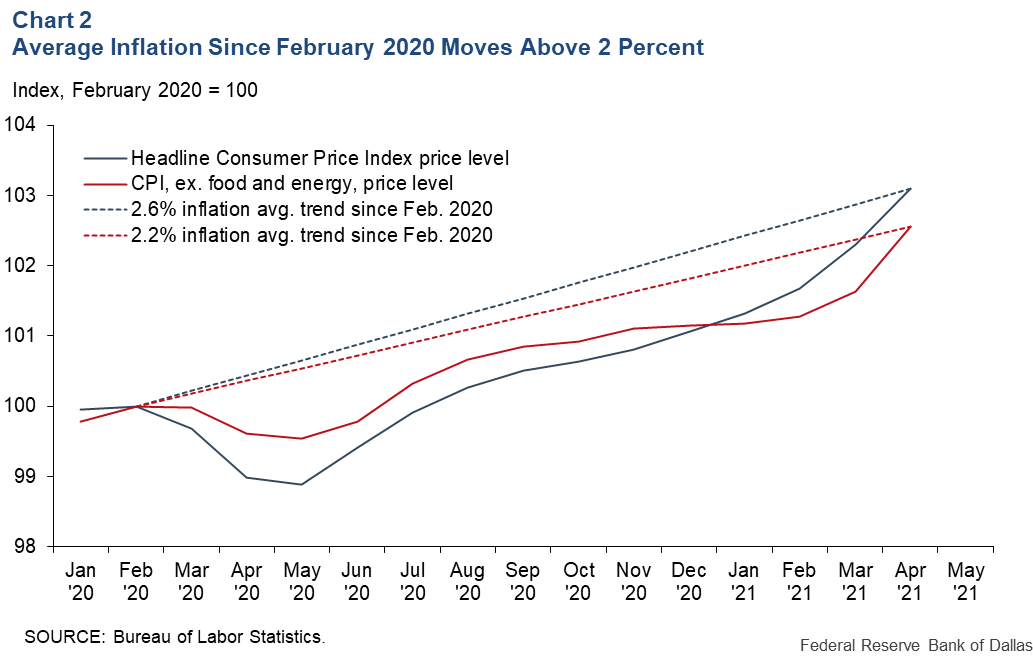
The Consumer Price Index (CPI) has been the most visible indicator of inflation for the general public. In the United States, the annual CPI inflation rate, which had been fluctuating around the 2% mark before the pandemic, began to accelerate noticeably in early 2021. It climbed steadily, reaching a peak of 9.1% in June 2022, the highest rate in over 40 years. This meant that, on average, a basket of goods and services that cost $100 in June 2021 cost $109.10 just one year later.
Similar trends were observed globally. In the Eurozone, the Harmonised Index of Consumer Prices (HICP) reached a peak of 10.6% in October 2022. The UK saw its CPI peak at 11.1% in October 2022, also a multi-decade high. While these headline figures have since moderated, the cumulative effect of these elevated rates has led to a substantial increase in the cost of living over the past few years. For instance, even with moderation, the cumulative inflation since January 2020 to mid-2024 represents a significant jump in overall price levels that is unlikely to fully reverse.
Producer Price Index (PPI) Insights
The Producer Price Index (PPI) provides an early warning signal for consumer inflation, reflecting the prices businesses receive for their output. Since 2020, the PPI has shown even more dramatic increases than the CPI, indicating significant cost pressures on producers that were eventually passed on to consumers.
In the U.S., the PPI for final demand surged, reaching a peak annual increase of 11.7% in March 2022. This reflected the rising costs of raw materials, energy, and transportation, which businesses absorbed before transferring them through higher retail prices. The PPI for intermediate goods, representing earlier stages of production, showed even steeper increases at times. This surge in producer costs underscored the widespread nature of inflationary pressures across supply chains, from manufacturing inputs to wholesale distribution.
Core vs. Headline Inflation
When discussing inflation, economists often differentiate between “headline” inflation and “core” inflation. Headline inflation, as measured by the CPI or HICP, includes all categories of goods and services. Core inflation, however, typically excludes volatile items like food and energy prices, which can fluctuate wildly due to seasonal factors, geopolitical events, or supply shocks.
During the post-2020 period, both headline and core inflation rose significantly. While headline inflation often soared higher due to spikes in energy and food prices, core inflation also showed persistent and broad-based increases. For example, U.S. core CPI peaked at 6.6% in September 2022, indicating that price pressures extended well beyond just fuel and groceries, affecting everything from housing and apparel to services. The stickiness of core inflation was particularly concerning to central bankers, suggesting that price increases were becoming embedded in the wider economy, driven by strong demand and wage growth pressures.
Drivers Behind the Post-2020 Price Hikes
The inflationary environment since 2020 is not attributable to a single cause but rather a complex interplay of demand-side stimulus, supply-side constraints, and external shocks.
Supply Chain Disruptions and Global Events
One of the primary catalysts for inflation was the unprecedented disruption to global supply chains. The COVID-19 pandemic led to factory shutdowns, port congestion, labor shortages (e.g., truck drivers, warehouse workers), and increased shipping costs. This created immense backlogs and shortages for a wide array of goods, from semiconductors critical for electronics and automobiles to basic household items. The “just-in-time” inventory systems that had optimized efficiency for decades proved vulnerable to such widespread shocks, leading to scarcity and driving up prices. Furthermore, the war in Ukraine, beginning in early 2022, exacerbated these issues, particularly for energy and agricultural commodities, given Russia and Ukraine’s roles as major global suppliers.
Fiscal Stimulus and Monetary Policy
In response to the economic downturn caused by the pandemic, governments globally unleashed massive fiscal stimulus packages. In the U.S., the CARES Act, American Rescue Plan, and other measures injected trillions of dollars into the economy through direct payments to citizens, enhanced unemployment benefits, and business loans. Simultaneously, central banks maintained exceptionally accommodative monetary policies, keeping interest rates near zero and expanding quantitative easing programs to ensure liquidity. This combination of robust government spending and cheap money significantly boosted aggregate demand at a time when supply was constrained, creating a classic “too much money chasing too few goods” scenario. The excess savings accumulated by households during the pandemic also contributed to this demand-side pressure once economies reopened.
Shifting Consumer Demand Patterns
The pandemic fundamentally altered consumer spending habits. With services like travel, dining, and entertainment restricted or perceived as risky, consumers shifted a substantial portion of their disposable income towards goods, particularly durable goods (e.g., home electronics, furniture, cars) and home improvement items. This sudden and intense surge in demand for goods overwhelmed manufacturing capacities and transportation networks, contributing significantly to price increases in these sectors. While demand for services eventually rebounded as economies reopened, the initial shift played a critical role in igniting the inflationary fire.
Geopolitical Factors
Beyond the pandemic and the Ukraine war, broader geopolitical tensions and shifts in global trade policies have also contributed to inflationary pressures. Deglobalization trends, trade disputes, and efforts by countries to reshore manufacturing or diversify supply chains away from single points of failure (e.g., China) can inherently lead to higher production costs. These strategic shifts, while potentially beneficial for long-term resilience, can add to short-term inflationary pressures by reducing efficiency and increasing input costs.
The Tangible Costs of Inflation on Households and Businesses
The abstract percentages of inflation translate into very real and often painful financial consequences for everyday people and enterprises.
Erosion of Purchasing Power and Savings
The most direct impact of inflation is the erosion of purchasing power. Every dollar earned or saved buys less than it did before. This means that families find it harder to afford necessities like food, housing, and transportation. Savings held in low-interest accounts, like traditional bank savings accounts, lose value in real terms, as the interest earned often fails to keep pace with the rate of inflation. This can be particularly detrimental for retirees living on fixed incomes or for individuals nearing retirement who see their nest eggs shrink in real value.
Impact on Wages and Real Income
While nominal wages (the dollar amount earned) have seen increases in many sectors, particularly in tight labor markets, these gains have often been outstripped by inflation. When inflation rises faster than wages, “real income” (income adjusted for inflation) declines, meaning workers can afford less despite earning more dollars. This dynamic leads to a decrease in living standards and can fuel demands for higher wages, potentially contributing to a wage-price spiral if not managed carefully. Data consistently showed that for much of 2021 and 2022, real wages were falling for a significant portion of the workforce.
Business Operating Costs and Pricing Strategies
Businesses face a multitude of challenges during periods of high inflation. The costs of raw materials, energy, transportation, and labor all increase. Small businesses, in particular, may struggle to absorb these higher operating costs, forcing them to either reduce profit margins or pass on the increases to consumers through higher prices. This necessitates delicate pricing strategies to remain competitive while maintaining profitability, often involving difficult decisions about supply chain management, inventory holding, and operational efficiencies. Some businesses might benefit from pricing power, but many feel the squeeze intensely.
Sector-Specific Impacts (e.g., Housing, Energy, Food)
Certain sectors experienced particularly acute inflationary pressures since 2020.
- Housing: Housing costs, including rent and home prices, soared due to strong demand, low interest rates initially, and limited inventory. This significantly impacts affordability and contributes heavily to overall CPI.
- Energy: Global oil and gas prices surged, driven by increased demand post-lockdowns, supply constraints, and the geopolitical impact of the Ukraine war. This had a cascading effect on transportation and manufacturing costs across all sectors.
- Food: Food prices saw substantial increases due to factors like adverse weather conditions, supply chain disruptions, rising fertilizer costs, and the war in Ukraine affecting grain exports. This hit household budgets hard, especially for lower-income families.
These concentrated impacts highlight how inflation can disproportionately affect different aspects of life and different segments of the population.
Strategies for Navigating an Inflated Economy
Adapting to an environment of elevated inflation requires both personal financial prudence and strategic business planning.
Personal Finance Adjustments
Individuals must take proactive steps to protect their finances. This includes:
- Budgeting and Expense Review: Re-evaluating spending habits to identify areas for cuts or optimization.
- Investing in Inflation-Protected Assets: Considering investments like Treasury Inflation-Protected Securities (TIPS), real estate, or commodities, which tend to perform better during inflationary periods.
- Debt Management: Prioritizing paying down high-interest variable-rate debt, as borrowing costs can rise with inflation and interest rate hikes.
- Seeking Wage Increases: Negotiating for pay raises that at least keep pace with the cost of living.
- Building an Emergency Fund: Ensuring a robust emergency fund in high-yield savings accounts or short-term, liquid investments to absorb unexpected costs without incurring high-interest debt.
Investment Considerations
For investors, inflation changes the calculus of portfolio management:
- Diversification: A diversified portfolio across various asset classes (equities, bonds, real estate, commodities) helps mitigate risks.
- Equity Allocation: Investing in companies with strong pricing power and robust balance sheets that can pass on higher costs to consumers. Value stocks and dividend-paying stocks might become more attractive.
- Real Estate: Often considered an inflation hedge, real estate can appreciate in value with inflation, and rental income can keep pace with rising costs.
- Commodities: Raw materials like gold, oil, and agricultural products can see their prices rise during inflationary periods.
- Short-Duration Bonds: As interest rates rise to combat inflation, bond prices fall. Shorter-duration bonds are less sensitive to interest rate changes.
Business Resilience and Adaptation
Businesses must implement strategies to maintain profitability and competitiveness:
- Supply Chain Optimization: Diversifying suppliers, holding strategic inventories, and negotiating long-term contracts to mitigate future price volatility.
- Cost Control: Identifying operational efficiencies, automating processes, and leveraging technology to reduce overhead.
- Pricing Strategy: Carefully adjusting prices to reflect increased costs without alienating customers. Value-based pricing or offering tiered products can be effective.
- Talent Retention: Offering competitive wages and benefits to retain skilled labor, thereby avoiding recruitment costs and productivity losses.
- Capital Expenditure Review: Evaluating investments more critically, prioritizing those that offer high returns or contribute to cost savings.

The Road Ahead: Central Bank Responses and Economic Outlook
The response of central banks, particularly the U.S. Federal Reserve, the European Central Bank, and the Bank of England, has been critical. Faced with persistent inflation, they have embarked on aggressive interest rate hiking cycles, aiming to cool demand and bring inflation back down to their target levels. This monetary tightening, while necessary, carries the risk of slowing economic growth and potentially leading to a recession.
Looking ahead, economists are divided on the long-term trajectory of inflation. While headline inflation has moderated significantly from its peak in many regions, core inflation has proven stickier. Factors like continued geopolitical tensions, potential shifts in global trade, the transition to green energy (which can have upfront inflationary costs), and demographic changes could all contribute to a higher baseline inflation rate than seen pre-2020. Consumers and businesses must remain vigilant, adapting their financial strategies to a potentially more volatile and higher-inflation economic environment than they have been accustomed to for the last several decades.
aViewFromTheCave is a participant in the Amazon Services LLC Associates Program, an affiliate advertising program designed to provide a means for sites to earn advertising fees by advertising and linking to Amazon.com. Amazon, the Amazon logo, AmazonSupply, and the AmazonSupply logo are trademarks of Amazon.com, Inc. or its affiliates. As an Amazon Associate we earn affiliate commissions from qualifying purchases.