
In an age dominated by smartphones and advanced computing, the humble calculator might seem like an anachronism. Yet, from complex engineering problems to fundamental arithmetic, these dedicated devices remain indispensable tools for students, professionals, and everyday users alike. The quest for the right calculator isn’t merely about finding a machine that performs sums; it’s about selecting a piece of technology tailored to specific computational needs, leveraging features that enhance efficiency and accuracy. This guide delves into the tech-centric world of calculators, outlining the diverse types available and the optimal places to acquire them, ensuring you make an informed decision in a crowded digital marketplace.
Understanding Your Needs: The Digital Spectrum of Calculators
Before embarking on the purchasing journey, it’s crucial to identify the type of computational power you require. Calculators have evolved significantly, offering a range of functionalities that cater to various disciplines and complexity levels. Understanding these distinctions is the first step in aligning your needs with the right technological solution.
Basic & Scientific Calculators: Everyday Computation and STEM Foundations
At the entry-level, basic calculators handle fundamental arithmetic operations, percentages, and sometimes memory functions. They are characterized by straightforward button layouts and often feature a simple LCD display. Their tech value lies in their reliability, portability, and singular focus on rapid, accurate numerical processing without distractions.
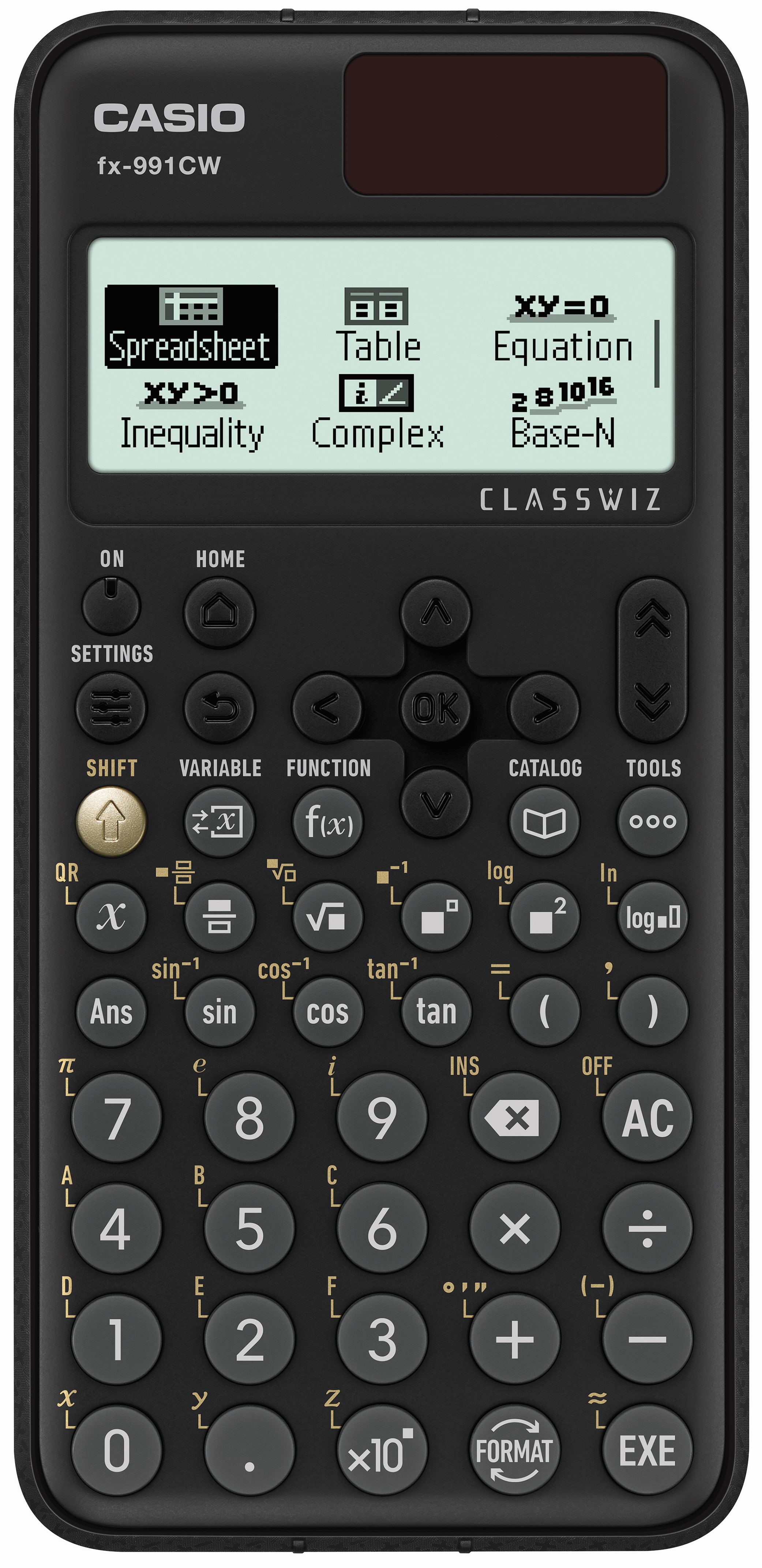
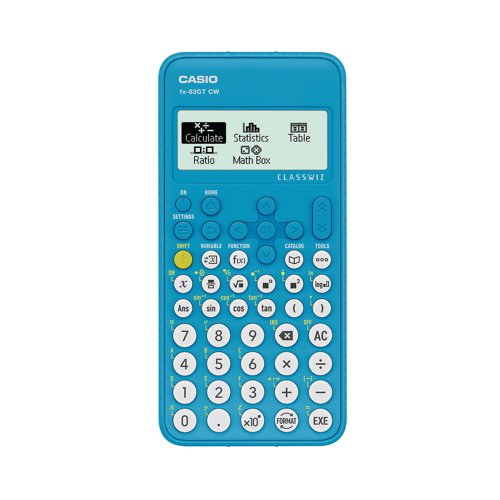
Scientific calculators, on the other hand, are the workhorses of STEM fields. Designed for algebra, trigonometry, statistics, and even some calculus, they feature a broader array of functions accessible via multi-function keys. Key technological aspects include their ability to display complex equations in a natural textbook format (often referred to as Natural Display or WriteView), robust internal algorithms for precise calculations (e.g., handling significant figures, complex numbers), and efficient power management systems, often combining solar and battery power. Their dedicated hardware and optimized firmware ensure consistent performance for demanding academic and professional tasks where software-based solutions might introduce latency or distraction.
Graphing Calculators: Visualizing Complex Data and Advanced Math
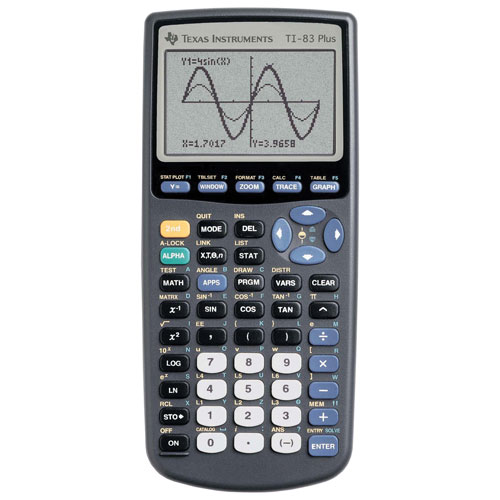
Stepping up in complexity, graphing calculators are powerful, programmable handheld computers specifically designed for advanced mathematics, physics, and engineering. Their most distinguishing feature is a large, high-resolution screen capable of displaying graphs of functions, parametric equations, polar equations, and statistical plots. Technologically, these devices boast significant processing power, substantial RAM and ROM for storing programs and data, and sometimes even full-color displays for enhanced visual interpretation.
Modern graphing calculators often include computer algebra system (CAS) capabilities, allowing them to perform symbolic manipulation, solve equations algebraically, and simplify expressions. Connectivity is a major tech component, with USB ports for transferring data to computers, linking with other calculators for peer-to-peer sharing, and even connecting to external sensors for data collection. These devices are mini-computers in their own right, offering a rich programming environment (often in BASIC or Python) that extends their utility far beyond pre-programmed functions, making them indispensable for higher education and professional scientific work.
Financial & Specialty Calculators: Precision for Professionals
For business, finance, real estate, and accounting professionals, specialized financial calculators are paramount. These devices are pre-programmed with specific algorithms for calculating present and future values, annuities, loan payments, depreciation, internal rates of return (IRR), and net present values (NPV). Their specialized keypads often include dedicated buttons for financial functions, streamlining complex calculations. The underlying technology ensures precision in monetary computations, critical for accurate financial modeling and decision-making.
Beyond finance, there are other specialty calculators for specific niches, such as surveying, statistics, or even medical applications. These often feature unique input methods, specialized units of measurement, and industry-specific functions embedded in their firmware, reflecting a tailored technological approach to highly specific professional demands.
The Rise of Software Calculators and Apps: Digital Convenience vs. Dedicated Hardware
The proliferation of smartphones, tablets, and computers has led to a boom in software-based calculators and apps. These range from basic built-in utilities to highly sophisticated scientific and graphing calculator emulators. Their primary advantages lie in accessibility, cost (many are free or low-cost), and the ability to integrate with other applications or cloud services.
However, despite their convenience, software calculators often present trade-offs when compared to dedicated hardware. Hardware calculators offer tactile feedback, consistent performance without system distractions (notifications, background apps), and are often required in standardized testing environments where external connectivity and app switching are prohibited. While a software calculator leverages the advanced processing power and display of its host device, a dedicated hardware calculator is optimized for its singular purpose, often resulting in superior battery life and a more focused user experience for intensive computational tasks. The decision often boils down to the context of use and the rules governing that environment.
The Digital Marketplace: Online Avenues for Calculator Acquisition
Once you’ve identified the type of calculator best suited for your needs, the next step is to explore where to buy it. The digital marketplace offers unparalleled convenience, selection, and competitive pricing, making online retailers a primary destination for many tech purchases.
E-commerce Giants: Amazon, eBay, and the Broad Selection
Platforms like Amazon and eBay are undisputed leaders in online retail, offering an expansive selection of calculators from virtually every brand and type. Their primary technological advantage for consumers lies in sophisticated search algorithms, extensive product filtering options, and robust customer review systems. You can compare models side-by-side, read detailed specifications, and gain insights from thousands of user reviews, which often highlight real-world performance, durability, and user experience.
These platforms also excel in logistics, offering various shipping speeds, often with options for expedited delivery. Their return policies are typically comprehensive, providing a safety net for tech purchases that might not meet expectations. The competitive nature of these marketplaces often drives pricing down, making them ideal for budget-conscious buyers seeking new or even used/refurbished options.
Manufacturer Direct: Accessing Latest Models and Specialized Support
Purchasing directly from a manufacturer’s website (e.g., Texas Instruments, Casio, HP) offers several distinct advantages, particularly for specialized or high-end models. Manufacturers often provide the latest models, sometimes with exclusive bundles or customization options not available elsewhere. The warranty and customer support are typically more streamlined when purchased directly, ensuring you receive authentic products and direct access to technical assistance for any hardware or software issues.
Beyond sales, manufacturer websites are invaluable tech resources, offering detailed product manuals, software updates for graphing calculators, driver downloads for connectivity, and extensive FAQs. For complex devices like graphing calculators, direct purchase can offer peace of mind regarding authenticity and access to comprehensive post-purchase support.
Electronics Retailer Websites: Curated Selections and Tech Insights
Websites of major electronics retailers such as Best Buy, Staples (which also sells office electronics), or specialized educational technology suppliers often provide a more curated selection than general e-commerce giants. These sites typically feature well-organized product categories, in-depth product pages with comprehensive technical specifications, comparison tools, and sometimes even exclusive deals.
Many of these retailers also employ sales associates who can provide informed recommendations, either through online chat support or in-store. Their websites frequently host expert reviews and user guides, providing valuable context for tech features and compatibility. For consumers who appreciate a slightly more guided shopping experience with a focus on tech specifications and curated options, these sites are an excellent choice.
Niche Tech Stores: Finding Specialized Tools for Unique Requirements
For very specific or high-end scientific, engineering, or financial calculators, niche tech stores online can be a goldmine. These might include suppliers for laboratory equipment, engineering tools, or specialized academic resources. While their selection might be narrower, it is often deeper within their specific categories.
These niche stores often cater to a professional audience, meaning they understand the intricate technical requirements of their customers. They may offer specific model recommendations, bundles with specialized accessories, or extended warranties that general retailers do not. Researching forums or professional communities relevant to your field can often reveal these specialized online retailers.
Brick-and-Mortar Stores: Hands-On Selection in a Digital Age
Despite the dominance of online shopping, physical stores continue to offer unique benefits, especially when it comes to technology. The ability to see, touch, and interact with a calculator before purchasing can be invaluable for assessing ergonomics, display clarity, and overall build quality.
Office Supply Stores: Staples, Office Depot, and Business Solutions
Office supply stores like Staples and Office Depot are reliable destinations for a wide range of calculators. They typically stock basic, scientific, and financial calculators suitable for students, home office use, and business professionals. The advantage here is the ability to physically compare different models, test key responsiveness, and evaluate screen legibility.
These stores often have sales associates who can provide basic information, and their selection often includes popular brands and models, making it easy to find common devices. They are particularly convenient for last-minute purchases or when you need a calculator for business use, often providing options for bulk purchasing.
Consumer Electronics Retailers: Best Buy and the Latest Gadgets
Major consumer electronics retailers like Best Buy are excellent places to find mid-to-high-end scientific and graphing calculators. These stores often have dedicated sections for educational and professional tech, allowing you to get hands-on with devices that have more complex interfaces and larger displays. You can power them on, explore menus, and assess the feel of the buttons and casing.
The staff at these stores are generally more knowledgeable about the technical specifications and features of advanced calculators, capable of guiding you through comparisons of display types, processing speeds, and software capabilities. Furthermore, Best Buy’s Geek Squad offers support services, which can be a valuable add-on for complex tech purchases.
Department and Discount Stores: Walmart, Target, and Budget-Friendly Options
For basic calculators or entry-level scientific models, department and discount stores like Walmart and Target are widely accessible options. Their primary appeal is convenience and competitive pricing. While the selection of advanced calculators might be limited, they are excellent for finding reliable, low-cost devices for general use or for younger students.
The trade-off here is typically less specialized staff and a more limited range of high-tech features. However, for a straightforward, no-frills computational tool, these stores provide an easy and affordable solution.
Educational Bookstores: Campus Resources for Students
University and college bookstores, as well as some larger high school stores, are tailored specifically to student needs. They often stock the exact models of scientific and graphing calculators recommended or required by specific courses and professors. This eliminates the guesswork of finding the correct model and often comes with the assurance of compatibility with academic curricula.
Bookstores sometimes offer student discounts or bundle deals, making them a convenient option for students embarking on new academic endeavors. The staff often have a good understanding of the specific tech requirements for various subjects, providing targeted advice.
Smart Buying Strategies: Ensuring You Get the Right Tech for Your Investment
Acquiring a calculator, especially an advanced one, is an investment in a specific technological tool. Smart buying strategies can help ensure you get the most value and the right fit for your computational needs.
Deciphering Specifications: What Tech Specs Really Mean
When buying a calculator, especially online, understanding its technical specifications is paramount. For scientific calculators, look for the number of functions, display type (e.g., dot matrix, natural textbook display), and power source. For graphing calculators, delve into screen resolution (crucial for graph clarity), available RAM and ROM (for program storage and speed), processor type, and connectivity options (USB, wireless). Understanding these specs allows you to compare performance, longevity, and feature sets accurately, ensuring the calculator can handle your specific analytical tasks.
Leveraging Reviews and Expert Opinions: Informed Tech Decisions
Online reviews from verified purchasers offer real-world insights into a calculator’s performance, durability, and user-friendliness. Look for reviews that specifically mention the context of use relevant to you (e.g., “great for calculus,” “battery lasts through multiple exams”). Furthermore, consult technology review sites and educational tech blogs for expert opinions, comparative analyses, and benchmarks. These sources often provide in-depth technical breakdowns and compare devices against competitors, helping you make a truly informed decision based on performance metrics and professional insights.
Warranty, Returns, and Support: Post-Purchase Tech Assurance
Like any piece of technology, calculators can sometimes malfunction. Always check the manufacturer’s warranty information and the retailer’s return policy before purchasing. A good warranty provides assurance against manufacturing defects, while a flexible return policy allows you to exchange or return the device if it doesn’t meet your expectations or proves incompatible with your workflow. For advanced calculators, also consider the availability of technical support and access to firmware updates, which can enhance functionality and fix bugs over time.
Exploring Refurbished and Used Markets: Sustainable Tech on a Budget
For those on a budget, or for environmentally conscious consumers, the refurbished and used markets offer viable alternatives. Platforms like eBay, dedicated electronics resale sites, or even university campus marketplaces can yield significant savings. However, caution is advised. When buying used, inquire about the calculator’s condition, battery life, and any potential cosmetic damage. If buying refurbished, ensure it comes from a reputable seller or directly from the manufacturer, often with a limited warranty, providing a degree of quality assurance for a pre-owned tech device. Always thoroughly test any used calculator upon receipt.
The Future of Calculation: Beyond Traditional Devices
The landscape of computational tools is ever-evolving. While dedicated calculators retain their niche, the broader trend is towards integration and intelligent assistance.
Integrated Solutions: Calculators in Smart Devices and IoT
Computation is increasingly embedded within other smart devices. Smartwatches can offer quick conversions, smart home devices can perform basic arithmetic through voice commands, and specialized IoT sensors often include processing units for on-device calculations. This trend suggests that while dedicated calculators will persist for specific, complex tasks, everyday computation will become even more ubiquitous and seamlessly integrated into our interconnected tech ecosystem.
AI and Machine Learning in Computation: Next-Gen Capabilities
The advent of AI and machine learning is beginning to transform computational processes. Advanced AI tools can solve complex mathematical problems, interpret data, and even suggest optimal formulas or methods, moving beyond mere calculation to intelligent problem-solving. While still largely cloud-based, we may see dedicated hardware calculators incorporating more AI capabilities for predictive analytics, symbolic reasoning, and even natural language processing for input, pushing the boundaries of what a handheld device can achieve.
The Evolving Role of Hardware: Specialization vs. Ubiquity
The future of calculators likely lies in a dual path: extreme specialization for professional and academic contexts requiring precision, durability, and a distraction-free environment, and increasing ubiquity as computational functions are absorbed into multi-purpose smart devices. Dedicated hardware will continue to thrive where specific input methods, guaranteed performance, and regulatory compliance are paramount, ensuring the calculator, in its various forms, remains a vital tool in our technology-driven world.
aViewFromTheCave is a participant in the Amazon Services LLC Associates Program, an affiliate advertising program designed to provide a means for sites to earn advertising fees by advertising and linking to Amazon.com. Amazon, the Amazon logo, AmazonSupply, and the AmazonSupply logo are trademarks of Amazon.com, Inc. or its affiliates. As an Amazon Associate we earn affiliate commissions from qualifying purchases.