
In the world of personal finance and business management, the term “annually” serves as the foundational unit of measurement for success, stability, and growth. While we often navigate our lives through daily habits and monthly bills, the true scope of financial health is best viewed through a twelve-month lens. Understanding how much a figure—whether it is a salary, an expense, or an investment return—amounts to annually is the first step toward moving from reactive money management to proactive wealth building.
Viewing finances annually allows individuals to smooth out the volatility of month-to-month fluctuations. It reveals the “hidden” costs of small subscriptions, the impact of seasonal spending, and the true value of one’s time. To master your money, you must master the math of the year.
Breaking Down the Math: From Hourly to Annually
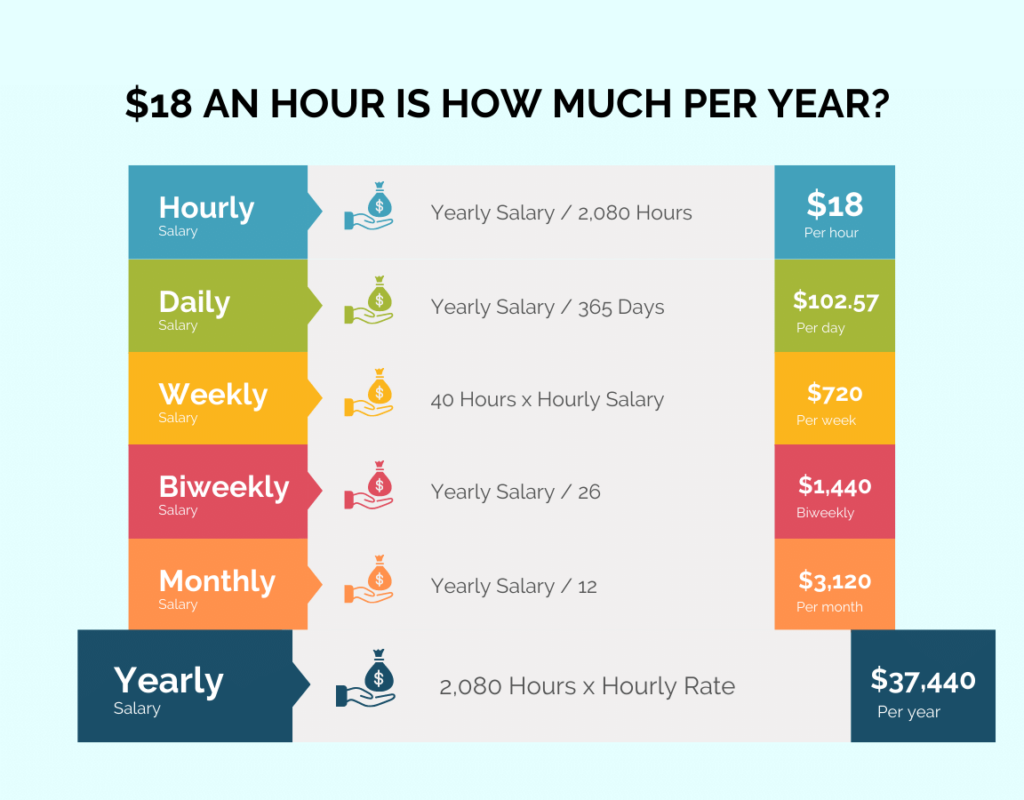
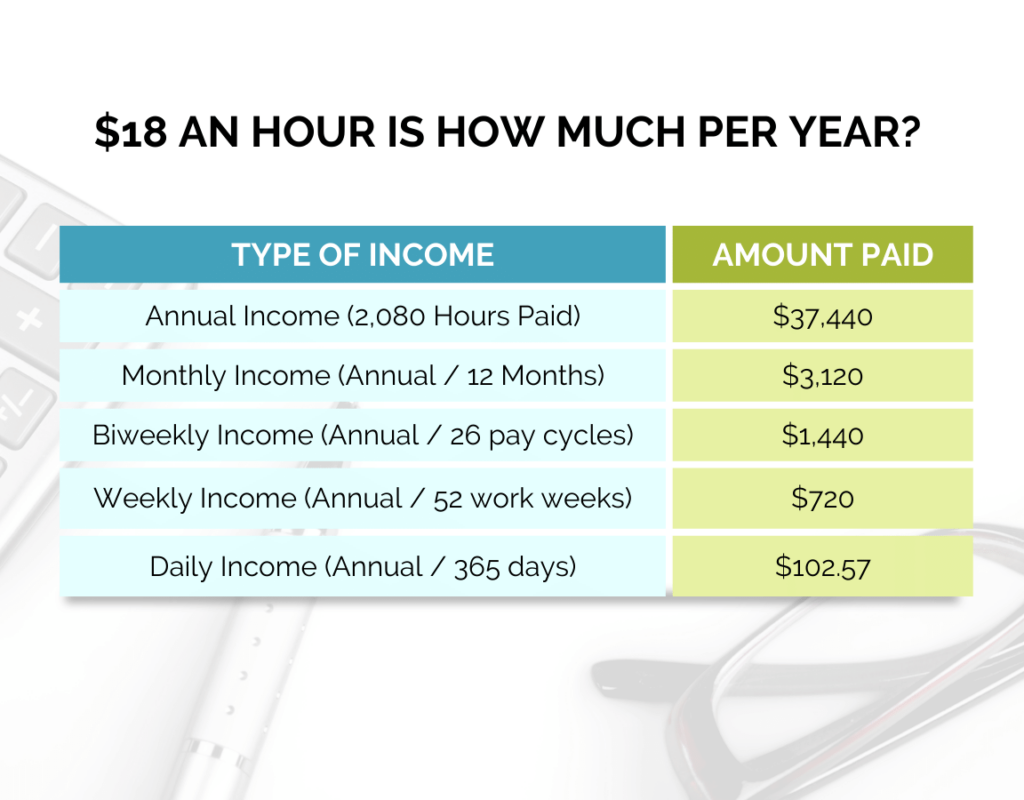
The most common reason people ask “how much is annually” is to convert an hourly wage or a monthly salary into a total yearly figure. This calculation is essential for budgeting, applying for loans, or negotiating a new job offer.
The Standard 2,080-Hour Work Year
For most full-time employees in the United States and many other Western economies, the standard work year is calculated based on 40 hours per week for 52 weeks. This results in a total of 2,080 working hours. If you earn $25 per hour, your annual gross income is $52,000 ($25 x 2,080).
However, this figure is often a “gross” estimate. It does not account for unpaid time off, nor does it factor in the complexities of overtime. For freelancers and contractors, the math is often more volatile, requiring a “buffer” to account for periods of downtime or administrative tasks that do not generate direct revenue.
Accounting for Overtime and Bonuses
A common mistake in annualizing income is relying solely on the base hourly rate. For those in industries like healthcare, manufacturing, or retail, overtime can significantly inflate the annual total. Conversely, performance-based bonuses or commissions in sales roles can make up 20% to 50% of the total annual compensation. When planning a budget, it is financially prudent to base your “essential” expenses on your base annual salary while earmarking bonuses for “discretionary” goals like debt repayment or investing.
Gross vs. Net: The Reality of Take-Home Pay
Perhaps the most important distinction in annual calculations is the difference between gross annual income and net annual income. Gross is what you see on your offer letter; net is what actually hits your bank account after federal and state taxes, Social Security, Medicare, and insurance premiums are deducted. Depending on your tax bracket and deductions, your net annual income could be 25% to 35% less than your gross. Understanding this gap is vital to avoid overextending your lifestyle based on a number that doesn’t fully belong to you.
Why Annual Budgeting Trumps Monthly Planning
While monthly budgeting is a popular tool for tracking immediate cash flow, it often fails to capture the full reality of a person’s financial life. An annual perspective is required to manage the “lumpy” nature of expenses that don’t occur every thirty days.
Capturing Irregular and Seasonal Expenses
Many of life’s most significant costs do not arrive in neat monthly installments. Car insurance premiums (often paid bi-annually), annual property taxes, holiday gift spending, and summer vacations are all “annual” events. When you only look at your finances month-to-month, these expenses feel like “emergencies” when they arrive.
By calculating the annual cost of these items and dividing by twelve, you can create “sinking funds.” If you know you spend $1,200 on holiday gifts annually, saving $100 a month ensures the expense is a non-event when December arrives. This shift in perspective reduces financial stress and eliminates the need to rely on high-interest credit cards during peak spending seasons.
Strategic Tax Planning
Taxation is an inherently annual process. Your tax liability is determined by your total earnings from January 1st to December 31st. By viewing your income annually, you can make smarter decisions regarding tax-advantaged accounts. For example, if you realize midway through the year that your annual income will push you into a higher tax bracket, you might choose to increase your contributions to a traditional 401(k) or IRA to lower your taxable base. These maneuvers are difficult to execute if you are only focused on the current month’s paycheck.
Long-term Investment Projections
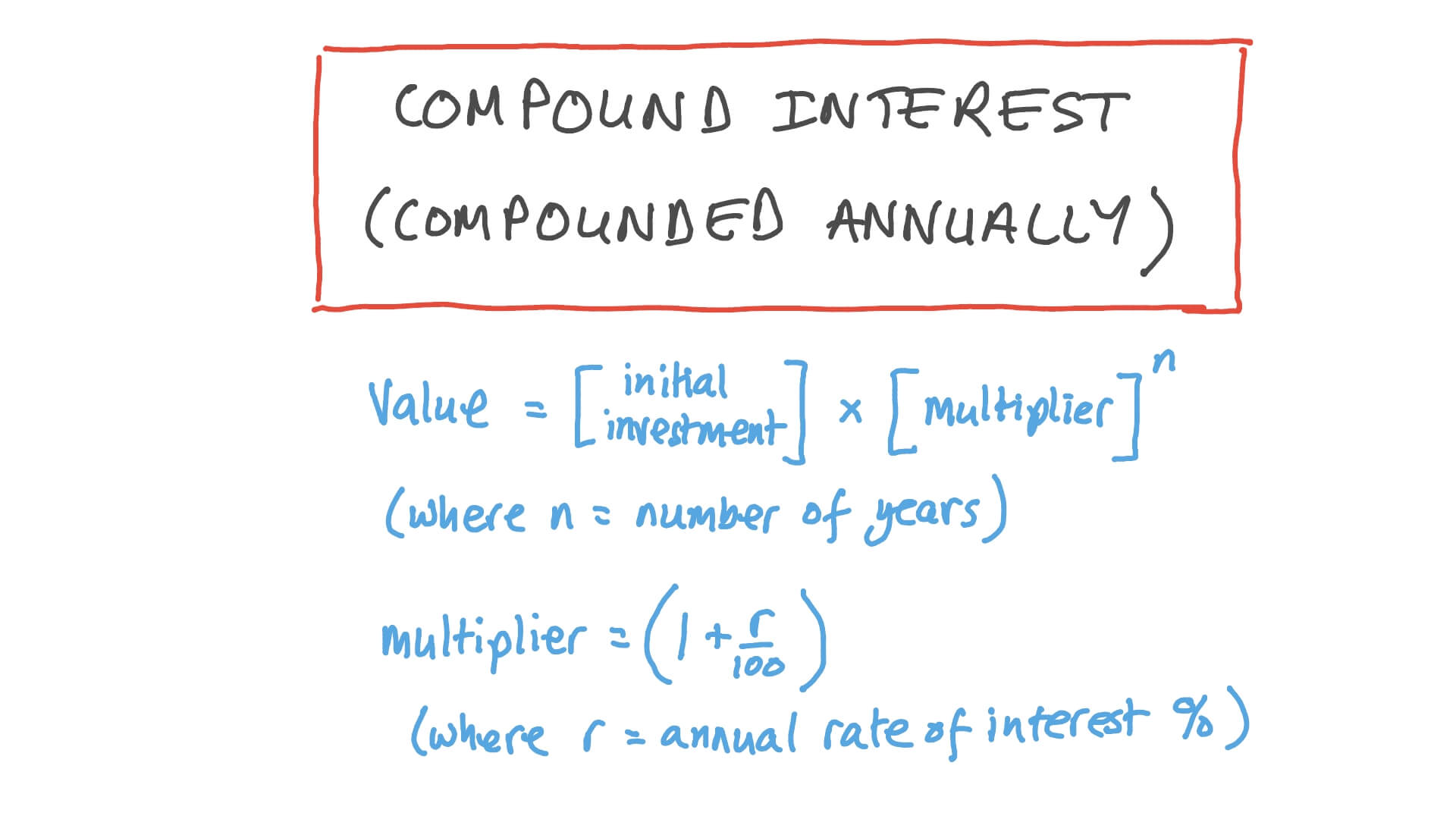
Compounding interest is the “eighth wonder of the world,” but its effects are best measured over years, not months. When you calculate how much you can contribute to an investment portfolio annually, you can project your wealth ten or twenty years into the future with much higher accuracy. A $500 monthly contribution might seem small, but understanding it as a $6,000 annual commitment—and seeing how that $6,000 grows at a 7% or 10% annual return—provides the motivation needed to stay consistent.
The Hidden Impact of Recurring Annual Costs
In the modern economy, we are increasingly moved toward subscription models. From software and streaming services to gym memberships and professional certifications, many costs are marketed as “low monthly fees.” However, the true weight of these expenses is only visible when viewed annually.
The “Subscription Fatigue” Calculation
A $15 per month streaming service seems negligible. However, when you realize that service costs you $180 annually, you can begin to weigh its value more effectively. Is that specific service worth $180 of your hard-earned money every year? What if you have five such subscriptions? Suddenly, you are spending $900 a year on digital entertainment. For many, seeing the annual total is the “wake-up call” needed to prune unnecessary expenses and redirect that capital toward high-yield savings or debt reduction.
Business Finance: Fixed vs. Variable Annual Costs
For entrepreneurs and small business owners, understanding “how much is annually” is the difference between staying solvent and going under. Fixed annual costs—such as office rent, insurance, and professional licenses—must be covered regardless of monthly sales. By identifying these total annual obligations, a business owner can calculate their “break-even” point. If a business knows its annual fixed costs are $60,000, it knows it must generate at least $5,000 in gross margin every month just to keep the doors open.
ROI Analysis Over a 12-Month Period
In business finance, an annual view is necessary to judge the Return on Investment (ROI) for marketing campaigns or new equipment. A marketing spend might result in a loss for the first three months as leads are nurtured, but if the annual revenue generated from those leads far exceeds the annual cost of the campaign, it is a success. Monthly snapshots often provide a “false negative” that can lead to premature cancellations of profitable strategies.
The Psychological Power of the Annual View
Beyond the math, there is a psychological shift that occurs when you transition from a monthly mindset to an annual one. This shift is common among high-net-worth individuals and successful business leaders.
Shifting from Scarcity to Sustainability
A monthly mindset often breeds a scarcity mentality. People focus on “making it to the end of the month.” This creates a cycle of stress that resets every thirty days. An annual mindset, however, focuses on sustainability. It encourages you to look at the “big picture” and plan for the long haul. It allows for “bad months” without the feeling of total failure, provided the annual trajectory remains on track.
Setting Meaningful Financial Milestones
It is difficult to set a life-changing goal in a single month. However, a year is a significant enough block of time to achieve substantial progress. Whether the goal is to save $10,000, pay off a specific credit card, or launch a side hustle that generates $1,000 in annual recurring revenue, the twelve-month timeframe provides enough room for strategy and execution.
Developing Financial Discipline
When you know exactly how much your lifestyle costs annually, you develop a different relationship with spending. You begin to see every purchase not just as a one-time event, but as a trade-off against your annual goals. This clarity is the ultimate tool for financial discipline. It transforms “can I afford this right now?” into “does this purchase align with my annual financial vision?”
In conclusion, “how much is annually” is more than just a math problem; it is a philosophy of financial awareness. By zooming out from the day-to-day and month-to-month, you gain the perspective necessary to manage taxes, optimize investments, and eliminate wasteful spending. Whether you are an employee calculating your take-home pay, a freelancer projected your yearly earnings, or a business owner managing overhead, the annual perspective is the key to long-term prosperity. Master the year, and the decades will take care of themselves.
aViewFromTheCave is a participant in the Amazon Services LLC Associates Program, an affiliate advertising program designed to provide a means for sites to earn advertising fees by advertising and linking to Amazon.com. Amazon, the Amazon logo, AmazonSupply, and the AmazonSupply logo are trademarks of Amazon.com, Inc. or its affiliates. As an Amazon Associate we earn affiliate commissions from qualifying purchases.