
The world of finance is cyclical, characterized by periods of growth and contraction, bull markets and bear markets. When the markets trend downwards, it often triggers a mix of concern, uncertainty, and sometimes, panic among investors, businesses, and the general public. Understanding the underlying forces driving these declines is crucial, not only for navigating the immediate challenges but also for formulating resilient long-term financial strategies. Currently, a confluence of macroeconomic, geopolitical, and internal market factors is contributing to a period of significant market volatility and contraction. Unpacking these elements provides clarity amidst the noise, revealing the complex interplay that dictates the ebb and flow of global financial health. This article will delve into the primary reasons behind the current market downturn, offering a comprehensive look at the forces at play and providing insights into how investors can potentially respond.
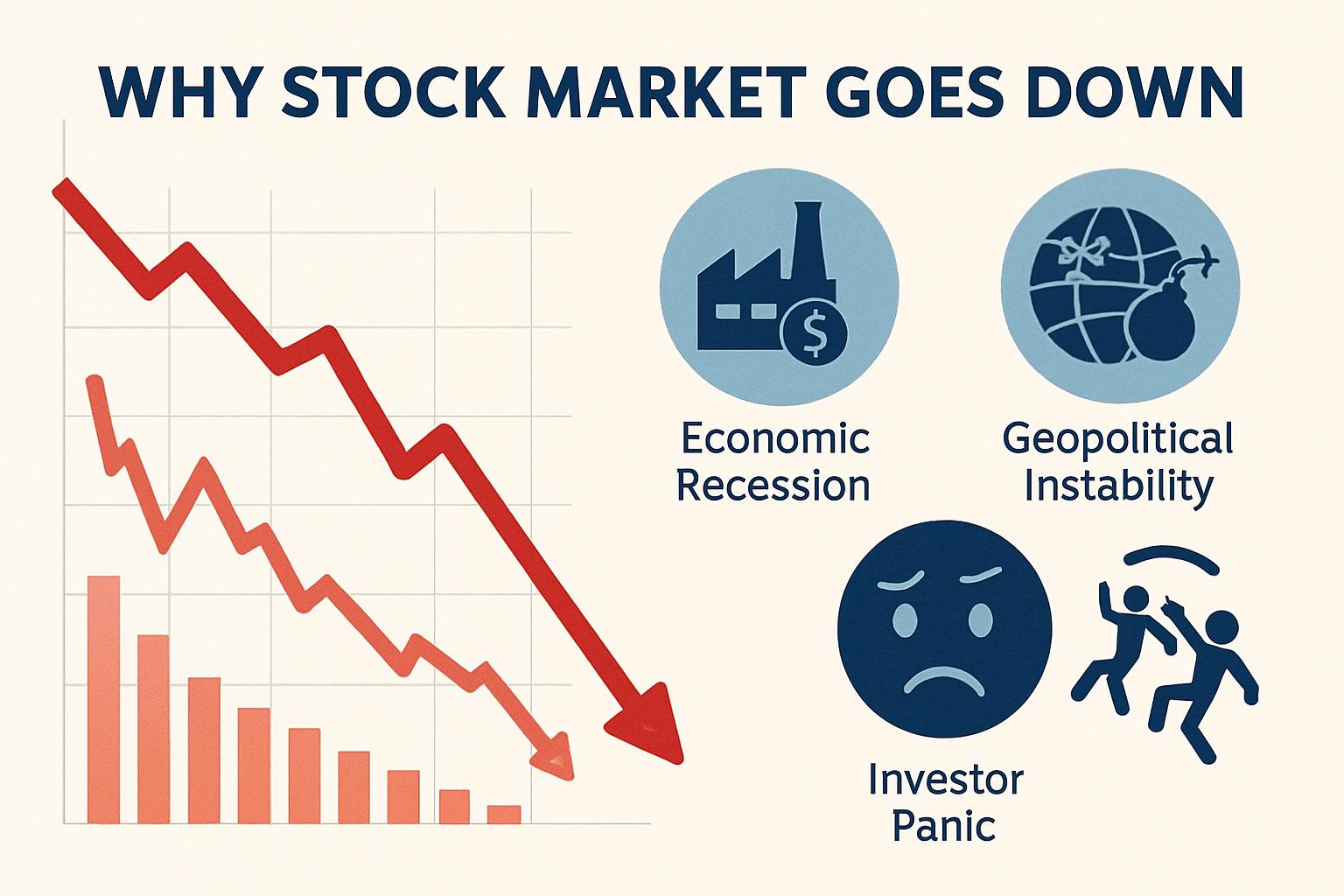
Macroeconomic Headwinds Driving Market Declines
One of the most potent forces influencing market direction is the overarching macroeconomic environment. When the global economy faces significant challenges, the ripple effects are felt across all asset classes, from equities to bonds. Several key macroeconomic indicators and trends are currently signaling distress, putting downward pressure on market valuations.
Inflationary Pressures and Cost of Living Crisis
A primary driver of recent market anxieties has been persistent and elevated inflation. For many years, central banks struggled to achieve their 2% inflation targets, often battling deflationary pressures. However, a combination of pandemic-induced supply chain disruptions, robust consumer demand fueled by fiscal stimulus, and geopolitical events has unleashed a surge in prices across various sectors. This inflationary environment erodes the purchasing power of consumers, leading to a “cost of living crisis” where essential goods and services become increasingly unaffordable.
For businesses, higher input costs – raw materials, labor, and energy – squeeze profit margins. Even if companies manage to pass on some of these costs to consumers, reduced discretionary spending ultimately impacts their top-line revenue. Analysts downgrade earnings forecasts, and investors, anticipating lower future profits, begin to sell off shares, driving down market indices. The uncertainty surrounding how long inflation will persist and whether it can be brought under control without triggering a severe economic downturn weighs heavily on market sentiment.
Recession Fears and Economic Slowdown
Closely linked to inflation is the specter of a recession. As central banks aggressively raise interest rates to combat inflation, there’s a growing risk that their actions could tip the economy into a slowdown or outright recession. A recession is typically defined as a significant, widespread, and prolonged downturn in economic activity. Indicators such as declining GDP, rising unemployment, falling retail sales, and reduced industrial production all point towards an economy losing momentum.
Markets are forward-looking mechanisms, meaning they often price in anticipated events well before they materialize. If investors foresee a period of reduced corporate earnings, increased bankruptcies, and widespread job losses during a recession, they will naturally de-risk their portfolios by selling off equities. This preemptive selling contributes significantly to market declines. The debate among economists and policymakers about whether a “soft landing” (inflation tamed without a recession) is achievable or if a recession is inevitable creates considerable market volatility, as investors react to every new piece of economic data.
Supply Chain Disruptions and Energy Shocks
While some supply chain issues have eased since the peak of the pandemic, disruptions persist, particularly in specific sectors. Geopolitical conflicts, labor shortages, and logistical bottlenecks continue to affect the timely and cost-effective delivery of goods. This not only fuels inflation but also creates production inefficiencies for businesses, leading to missed targets and reduced output.
Simultaneously, energy shocks, often exacerbated by geopolitical tensions, have had a profound impact. Spikes in oil and natural gas prices directly increase transportation costs for businesses, heating costs for consumers, and manufacturing expenses for industries reliant on energy. Such shocks act as a tax on the global economy, siphoning off consumer spending power and increasing operational costs for nearly all businesses, thereby contributing to both inflationary pressures and recessionary risks.
The Impact of Monetary Policy and Interest Rates
Central banks, particularly the U.S. Federal Reserve, wield immense power over financial markets through their monetary policy decisions. Their actions to control inflation or stimulate economic growth have direct and indirect consequences for asset valuations.
Central Bank Tightening and Interest Rate Hikes
In response to elevated inflation, major central banks worldwide have embarked on aggressive monetary tightening cycles. The primary tool for this is raising benchmark interest rates. Higher interest rates make borrowing more expensive for both businesses and consumers. For businesses, this translates to higher costs for capital expansion, debt refinancing, and operational funding. This can dampen investment, slow down hiring, and ultimately reduce profitability. For consumers, higher rates mean more expensive mortgages, car loans, and credit card debt, leading to reduced disposable income and decreased spending on non-essentials.
The market reaction to rising interest rates is often negative for several reasons. Firstly, it signals an end to the “easy money” era that fueled significant market gains in the past decade. Secondly, it increases the discount rate used to value future corporate earnings, making future profits less valuable in present terms and putting downward pressure on stock prices, especially for growth companies whose earnings are largely anticipated in the distant future.
Quantitative Tightening and Reduced Liquidity

Beyond raising interest rates, central banks are also engaging in quantitative tightening (QT). During quantitative easing (QE), central banks purchased vast quantities of government bonds and other securities to inject liquidity into the financial system and lower long-term interest rates. Now, through QT, they are either allowing these bonds to mature without reinvesting the proceeds or actively selling them. This process reduces the overall money supply in the economy and removes liquidity from the financial system.
A reduction in market liquidity can make asset prices more volatile and contribute to market declines. With less money sloshing around, there’s less capital available to bid up asset prices, and selling pressures can have a more pronounced impact. This unwinding of years of accommodative policy marks a significant shift, creating a less favorable environment for risk assets like stocks.
Geopolitical Tensions and Global Instability
External shocks emanating from geopolitical events can send immediate and often unpredictable tremors through financial markets, introducing layers of uncertainty that are difficult for investors to price in.
International Conflicts and Trade Disputes
Major international conflicts, such as the war in Ukraine, have profound global economic consequences. Beyond the immediate humanitarian crisis, such conflicts disrupt global supply chains, drive up commodity prices (especially energy and food), and exacerbate inflationary pressures. Sanctions imposed on belligerent nations can also have unintended consequences, disrupting trade flows and global economic partnerships. The uncertainty surrounding the duration and escalation of conflicts makes businesses hesitant to invest and consumers cautious about spending, leading to broader economic slowdowns.
Similarly, ongoing trade disputes between major economic powers introduce tariffs and barriers that hinder international commerce. These disputes can disrupt global manufacturing, reduce corporate profitability for multinational companies, and increase costs for consumers, all of which contribute to market volatility and downturns.
Political Instability and Policy Uncertainty
Political instability within key nations, or even the heightened risk of policy shifts due due to impending elections or ideological divides, can significantly impact investor confidence. Uncertainty about future tax policies, regulatory environments, or government spending priorities makes it challenging for businesses to plan and invest for the long term. This hesitancy translates into slower economic growth and, consequently, lower market valuations. Global interconnectedness means that political instability in one major economy can have spillover effects on others, creating a domino effect that dampens overall market sentiment. Investors prefer predictability and stability, and a lack thereof often prompts them to move capital out of riskier assets.
Navigating Volatility: Strategies for Investors
While market downturns can be unsettling, they are a normal part of the economic cycle. For long-term investors, periods of volatility can also present opportunities. A well-thought-out strategy can help mitigate risks and even position a portfolio for future recovery.
Maintaining a Long-Term Perspective and Diversification
One of the most crucial principles during a downturn is to resist the urge to panic sell. Historically, markets have always recovered from declines, often reaching new highs over time. Investors with a long-term horizon (e.g., 5-10 years or more) should remember that short-term volatility is often noise in the grand scheme. Focusing on “time in the market” rather than “timing the market” is paramount.
Furthermore, diversification remains the cornerstone of risk management. A well-diversified portfolio spreads investments across various asset classes (equities, bonds, real estate, commodities), geographies, industries, and company sizes. This strategy ensures that a severe downturn in one particular area does not decimate the entire portfolio, providing a buffer against concentrated risks and potentially smoothing out returns over time. Rebalancing your portfolio periodically ensures it aligns with your risk tolerance and investment goals.
Dollar-Cost Averaging and Focusing on Quality Assets
Market declines can actually be advantageous for investors who employ dollar-cost averaging (DCA). This strategy involves investing a fixed amount of money at regular intervals, regardless of market fluctuations. When prices are high, your fixed investment buys fewer shares; when prices are low (during a downturn), it buys more shares. Over time, this averages out your purchase price and can lead to lower average costs per share, potentially enhancing returns when the market eventually recovers. It also removes the emotional aspect of trying to time the market perfectly, which is notoriously difficult even for seasoned professionals.
During periods of market uncertainty, it is wise to focus on investing in high-quality assets. This typically means companies with strong fundamentals: healthy balance sheets, consistent profitability, sustainable competitive advantages, manageable debt levels, and robust cash flows. Such companies are generally more resilient during economic downturns, better positioned to weather financial storms, and quicker to recover when conditions improve. Avoid speculative investments during these times, as they often experience the most significant losses.

Prudent Cash Management and Emotional Discipline
Maintaining an adequate emergency fund (typically 3-6 months of living expenses in a liquid, easily accessible account) is always important, but especially so during economic downturns. This cash cushion prevents you from being forced to sell investments at a loss to cover unexpected expenses or job loss. Beyond the emergency fund, having some dry powder – cash available for investment – can allow you to capitalize on buying opportunities when quality assets become undervalued.
Finally, and perhaps most challenging, is exercising emotional discipline. Market downturns are designed to test investors’ resolve. The news cycle is often bleak, and the temptation to sell everything to stop the “bleeding” can be overwhelming. However, making impulsive decisions based on fear often locks in losses and prevents participation in the eventual recovery. Stick to your pre-defined investment plan, consult with a financial advisor if needed, and remember that market downturns are a temporary, albeit often painful, phase in the long journey of wealth creation. Understanding the “why” behind market movements can help cultivate the patience and perspective needed to weather the storm and emerge stronger.