
The opening bell of financial markets worldwide is more than just a ceremonial clang; it’s the precise moment when the culmination of global events, investor sentiment, and economic data from the preceding hours or days coalesce into actionable price movements. For seasoned investors, day traders, and even casual observers, understanding the dynamics of “when market opens” is crucial. It’s a period often characterized by heightened volatility, significant trading volume, and the immediate repricing of assets based on new information. This critical juncture sets the tone for the trading day, presenting both considerable opportunities and substantial risks.
The Significance of the Opening Bell
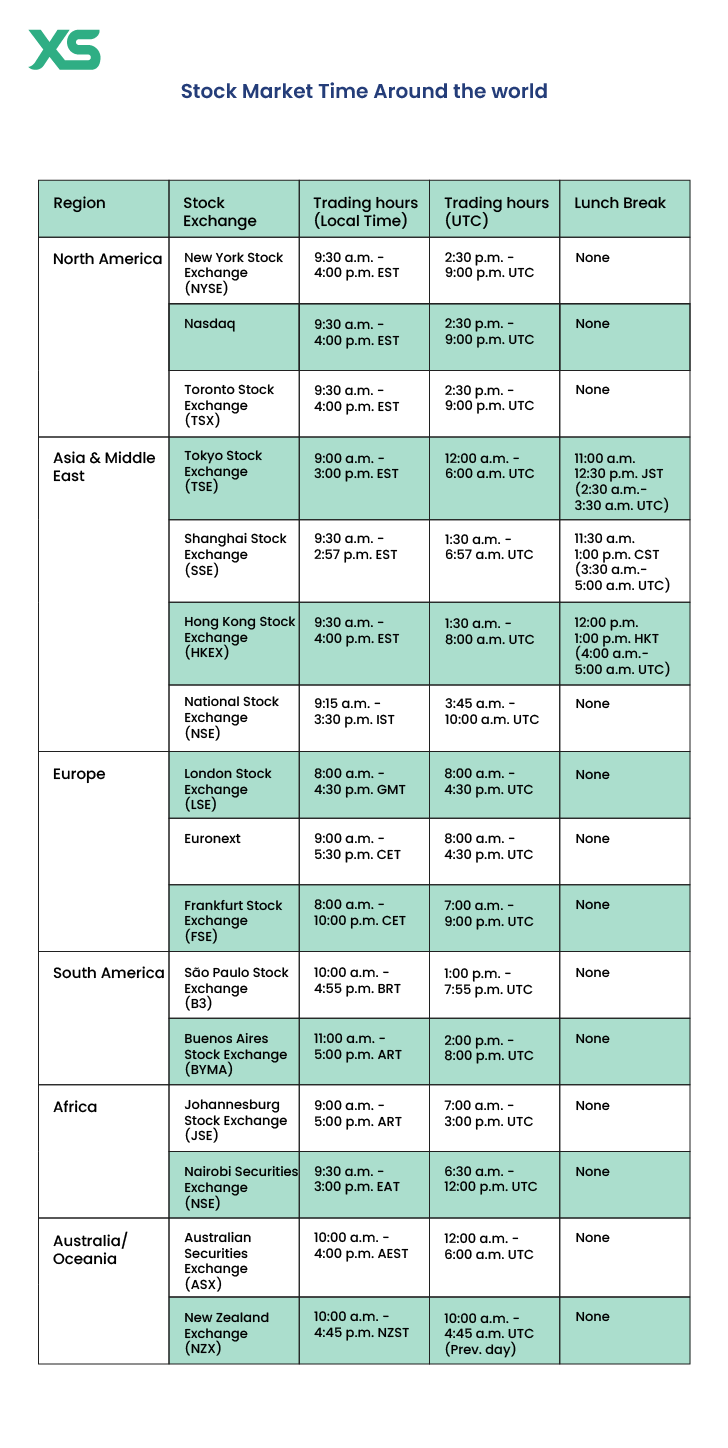
The synchronized start of trading across major exchanges—be it the New York Stock Exchange, the London Stock Exchange, or the Tokyo Stock Exchange—marks the official resumption of price discovery. After hours of dormancy, or perhaps fragmented activity in pre-market and after-hours sessions, the market opening unleashes a torrent of pent-up demand and supply, leading to rapid adjustments.
The Information Aggregation Effect
During the hours when a specific market is closed, a multitude of news events, economic reports, geopolitical developments, and corporate announcements continue to unfold globally. From overnight earnings releases to central bank policy statements, these pieces of information are digested and analyzed by market participants. When the market reopens, all these aggregated insights are simultaneously factored into trading decisions, often causing significant price gaps—where an asset opens at a price considerably different from its previous closing price. This information asymmetry and its subsequent correction at the open are a defining characteristic of this period.
Initial Price Discovery and Volatility
The opening moments are frequently the most volatile of the day. Orders that accumulated overnight, including limit orders, stop-loss orders, and market orders, are executed en masse. This concentrated burst of activity can lead to sharp price swings as supply and demand imbalances are resolved. For instance, strong positive news might lead to a stock “gapping up,” opening much higher, while negative news could cause a “gap down.” This initial volatility is a double-edged sword: it offers potential for quick profits for those who can accurately predict the sentiment, but also poses increased risk due to rapid price changes and wider bid-ask spreads.
Setting the Daily Tone
The initial direction and momentum established at the market open often influence the psychological tone for the remainder of the trading day. A strong opening can foster optimism and encourage further buying, while a weak opening might trigger sell-offs. While intraday reversals are common, the sentiment established during the first 30 to 60 minutes can be a powerful indicator of prevailing market mood. Traders frequently use the opening range—the high and low prices within the first few minutes—as a benchmark for the day’s potential trading activity.
Factors Influencing the Opening Bell
Understanding what drives the market at its open requires a comprehensive look at a range of pre-existing and emerging factors. These elements interact in complex ways to shape the immediate trajectory of asset prices.
Pre-Market Activity and Futures
While the main market is closed, many assets, particularly equities and indices, trade in pre-market sessions. Futures contracts, especially for major indices like the S&P 500 or NASDAQ, trade almost 24/7. The performance of these futures contracts can offer a strong indication of how the broader market is expected to open. If S&P 500 futures are significantly up or down before the official opening, it often signals a corresponding move in the cash market. This pre-market price action provides an early glimpse into market sentiment and can help investors prepare for potential gaps.
Global Market Performance
In an increasingly interconnected world, financial markets are not isolated. The performance of Asian markets (e.g., Nikkei, Shanghai Composite) and European markets (e.g., FTSE, DAX, CAC 40) during their respective trading hours significantly influences the sentiment of markets yet to open. A strong rally in Tokyo or a sharp decline in London can set a precedent for how Wall Street might react. Investors constantly monitor these global indicators to anticipate the domestic market’s opening bias.
Economic Data and Corporate News
Scheduled economic data releases (e.g., inflation reports, unemployment figures, GDP growth) and unscheduled corporate announcements (e.g., earnings reports, mergers and acquisitions, product launches, regulatory approvals) are primary drivers of market movement at the open. News that breaks just before or during the market’s closure can create substantial overnight price adjustments. For example, a better-than-expected earnings report for a bellwether company can lift an entire sector, while a disappointing report from another can drag it down.
Geopolitical Events and Overnight Developments
Sudden geopolitical events, such as political instability, conflicts, or significant policy shifts by governments or central banks, can dramatically impact market sentiment. These events often unfold outside regular trading hours, leading to reactive trading at the open. Similarly, natural disasters or unexpected technological breakthroughs can have immediate and pronounced effects on specific industries or the broader market, making market opening a critical period for assessing their financial implications.
Strategies for Navigating Market Open Volatility
The unique characteristics of the market open demand specific strategies to capitalize on opportunities while mitigating inherent risks. Successful navigation requires a blend of preparation, discipline, and agile decision-making.
Pre-Market Research and Order Placement
Effective market open trading begins long before the bell. Investors should meticulously review overnight news, global market performance, and pre-market indicators. Identifying key economic data releases and corporate reports scheduled for the day is crucial. Many experienced traders place contingent orders (e.g., bracket orders with stop-loss and take-profit levels) or study technical setups on futures charts to anticipate likely price action. For those looking to enter a position based on strong overnight news, placing a limit order just before the open can sometimes secure a better price than a market order executed during peak volatility.
Risk Management and Position Sizing
Given the increased volatility, robust risk management is paramount. Traders should use smaller position sizes than they might during calmer intraday periods to limit potential losses from rapid, unfavorable price swings. Strict stop-loss orders are essential to protect capital. It’s often prudent to avoid going “all in” during the opening frenzy. Instead, scaling into positions gradually as the initial volatility subsides can be a more measured approach. Understanding one’s risk tolerance and sticking to a predefined risk-per-trade limit is non-negotiable.
Focus on Liquidity and Key Assets
During peak volatility, illiquid stocks can exhibit exaggerated price movements and wider bid-ask spreads, making entry and exit difficult and costly. Traders often focus on highly liquid assets—major index ETFs, large-cap stocks, or heavily traded commodities and currencies—where they can enter and exit positions without significantly impacting the price. Observing key assets that tend to lead the market (e.g., tech giants, financial institutions) can also provide directional cues.
Waiting for Confirmation and Intraday Trends
For more conservative investors, waiting for the first 15-30 minutes, or even the first hour, can be a wise strategy. This allows the initial rush of orders to clear, volatility to potentially subside, and a clearer intraday trend to emerge. Often, the market will retrace or consolidate after the initial explosive move. Patience can help identify more stable entry points once the market has begun to establish its daily range and direction, reducing the risk of being caught in a “head fake” or false breakout.
Tools and Resources for the Savvy Investor
Leveraging the right tools and resources is critical for making informed decisions and executing trades efficiently when the market opens. Technology has democratized access to information and advanced trading capabilities, empowering both professional and retail investors.
Real-time News Feeds and Analytics Platforms
Access to real-time news is non-negotiable for understanding market-moving events. Subscriptions to financial news wires (e.g., Reuters, Bloomberg, Dow Jones Newswires) or specialized platforms providing instant alerts on economic data, corporate earnings, and breaking geopolitical developments are invaluable. Advanced analytics platforms offer pre-market scanners, sentiment analysis tools, and indicators that highlight unusual volume or price action, allowing investors to quickly identify potential trading opportunities or risks.
Advanced Charting and Technical Analysis Software
Robust charting software with real-time data feeds allows investors to quickly visualize price action, identify support and resistance levels, and recognize technical patterns forming during the opening minutes. Features like volume profile, market depth (Level 2 data), and customizable indicators help in understanding the supply and demand dynamics that drive immediate price movements. Many platforms also offer backtesting capabilities to refine opening strategies based on historical data.
Direct Market Access (DMA) and Fast Execution Brokers
For active traders, the speed of order execution can be paramount during the volatile opening period. Direct Market Access (DMA) brokers allow traders to route orders directly to exchanges, bypassing intermediaries, which can result in faster fills and potentially better prices. Low-latency trading platforms and reliable internet connections are also crucial to ensure orders are executed precisely when intended, preventing slippage—the difference between the expected price of a trade and the price at which the trade is actually executed.
Educational Resources and Community Forums
While tools are important, continuous learning and sharing insights are equally vital. Access to educational materials on market microstructure, trading psychology, and specific opening strategies can significantly enhance an investor’s capabilities. Participating in reputable online forums or trading communities provides a platform for discussing pre-market analysis, real-time observations, and post-trade reviews, fostering a collaborative learning environment.
Beyond the Opening Bell: Sustained Performance
While the market open is undeniably a critical and exciting period, successful investing and trading are about more than just the first few minutes. The initial burst of activity sets the stage, but sustained performance requires a broader, more consistent approach throughout the trading day and beyond.
Adapting to Intraday Dynamics
After the initial frenzy, market dynamics often shift. Volatility may decrease, and clearer trends or consolidation patterns might emerge. Successful traders adapt their strategies throughout the day, recognizing different phases of market behavior. For instance, a strategy suitable for the opening volatility might be ill-suited for the calmer midday session or the closing hours. Monitoring sector rotation, relative strength, and news developments that break during the day is essential for navigating these evolving conditions.
The Importance of Long-Term Perspective
For investors with a longer time horizon, the immediate gyrations at the market open, while impactful in the short term, are often just noise within the larger economic and corporate narrative. While a sudden gap down might present a buying opportunity for a fundamentally strong company, the overall thesis for a long-term investment rarely hinges on a single opening price. Strategic asset allocation, diversification, and adherence to a well-defined investment plan typically outweigh the significance of daily opening movements for long-term wealth accumulation.
Continuous Learning and Evolution
The financial markets are constantly evolving, influenced by technological advancements, regulatory changes, and shifting global economic landscapes. What works today might not work tomorrow. Therefore, continuous learning, adaptation, and refinement of one’s investment or trading approach are vital. Reviewing past trades, analyzing market patterns, staying updated on new financial products and analytical techniques, and understanding behavioral finance principles contribute to an investor’s long-term resilience and success.
In conclusion, “when market opens” is a pivotal moment, a vibrant intersection of information, emotion, and capital. It encapsulates the immediate reaction of global finance to aggregated news and expectations. While it offers exhilarating opportunities for those prepared to navigate its inherent volatility with precision and discipline, its true value is best understood when viewed not in isolation, but as a critical piece within the larger, ongoing narrative of financial market dynamics and sustained investment strategy.
aViewFromTheCave is a participant in the Amazon Services LLC Associates Program, an affiliate advertising program designed to provide a means for sites to earn advertising fees by advertising and linking to Amazon.com. Amazon, the Amazon logo, AmazonSupply, and the AmazonSupply logo are trademarks of Amazon.com, Inc. or its affiliates. As an Amazon Associate we earn affiliate commissions from qualifying purchases.