
For anyone engaged in finance, investing, or even just keeping an eye on the global economy, knowing when the US market opens is fundamental. The United States boasts the world’s largest and most influential financial markets, and their operating hours dictate the rhythm of global trading, influencing everything from individual stock prices to international currency movements. Understanding these timings isn’t just about scheduling; it’s about grasping market dynamics, strategic planning, and identifying key opportunities and risks. This comprehensive guide will demystify the operating hours of various US financial markets, delve into extended trading sessions, and discuss the strategic implications for investors worldwide.
Understanding Standard US Stock Market Hours
The heart of US equity trading beats within two primary exchanges: the New York Stock Exchange (NYSE) and the NASDAQ Stock Market. While often discussed collectively as “the US stock market,” each operates under specific rules and schedules that are critical for investors to comprehend.
The Core Trading Session: NYSE and NASDAQ
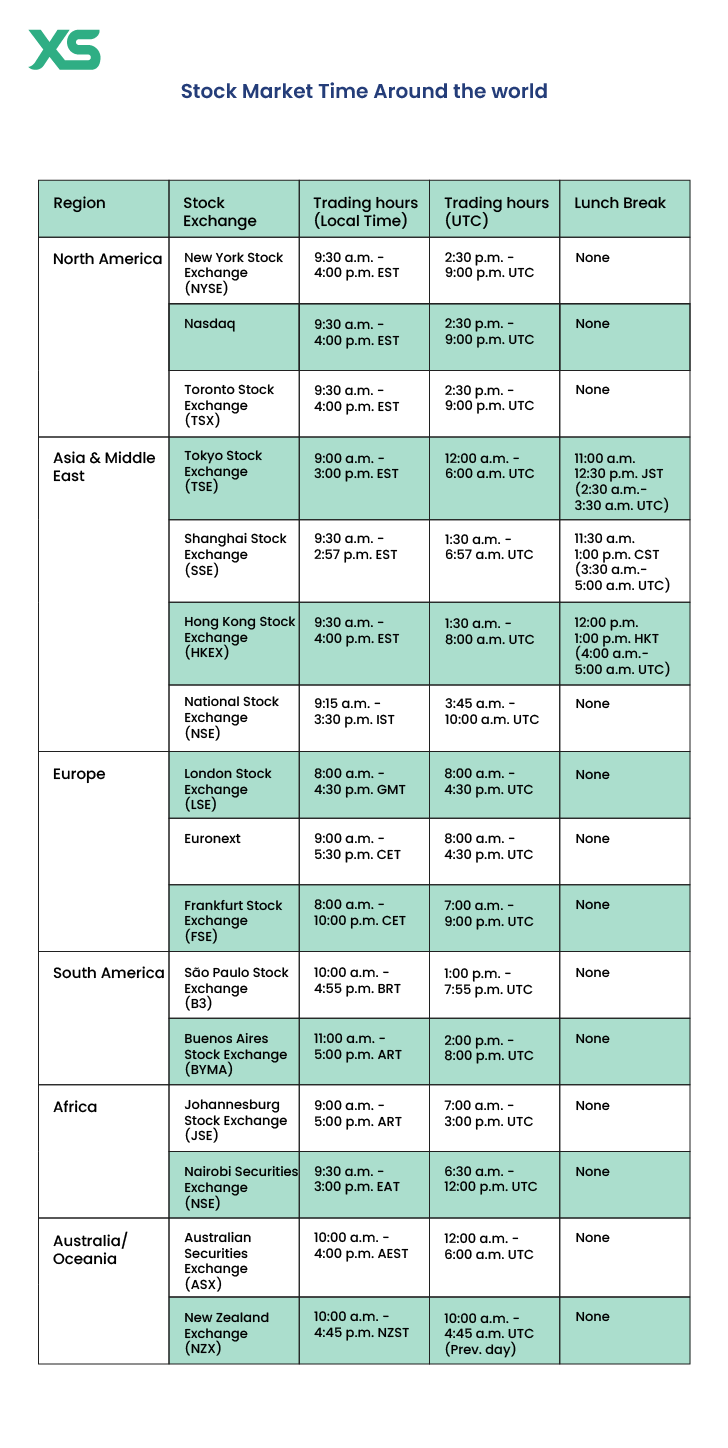
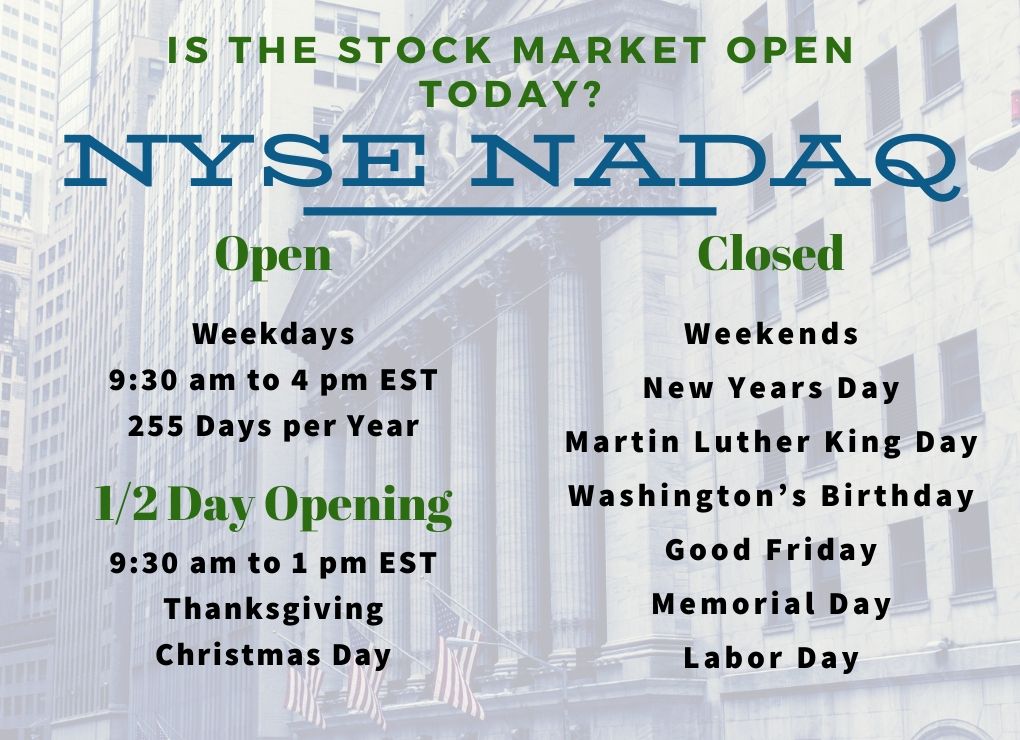
Both the New York Stock Exchange (NYSE) and the NASDAQ Stock Market adhere to the same standard trading hours for their regular sessions. These are:
- Opening Bell: 9:30 AM Eastern Time (ET)
- Closing Bell: 4:00 PM Eastern Time (ET)
This 6.5-hour window, Monday through Friday, defines the official trading day when the vast majority of transactions occur and when market participants can expect the highest liquidity and tightest spreads. During these hours, public companies’ shares are actively bought and sold, prices fluctuate in response to news and economic data, and major market indices like the S&P 500, Dow Jones Industrial Average, and NASDAQ Composite reflect the collective sentiment and performance of thousands of companies.
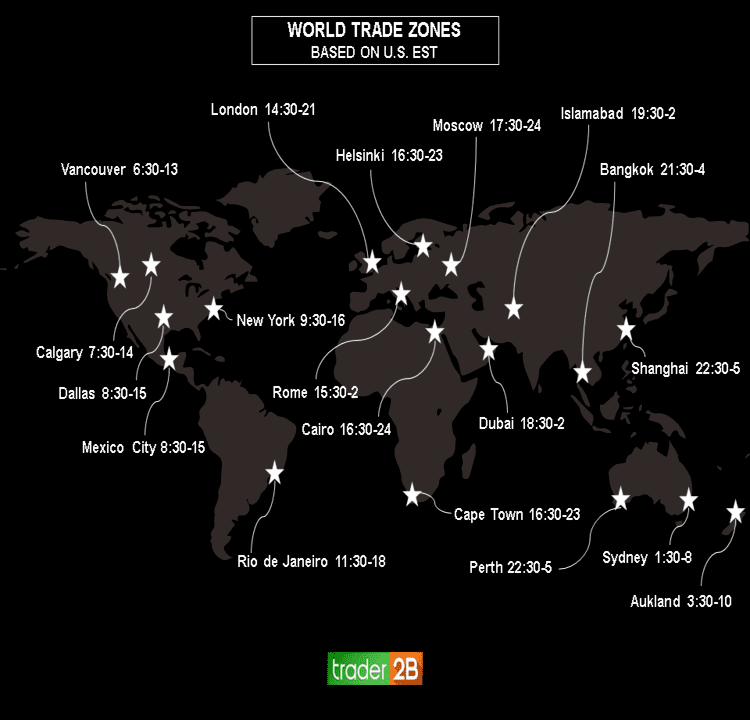
It’s crucial to note that these hours are based on Eastern Time (ET), which shifts between Eastern Standard Time (EST) and Eastern Daylight Time (EDT) throughout the year. For investors located in different time zones, converting these hours to their local time is an essential first step. For example, an investor on the West Coast of the US (Pacific Time) would see the market open at 6:30 AM PT and close at 1:00 PM PT. International investors must also factor in their local time difference and potential daylight saving adjustments.
Weekends and Federal Holidays: When the Markets Rest
The US stock market observes weekends and certain federal holidays, during which all regular trading is suspended. This allows market participants to observe public holidays and provides a break from the intense pace of daily trading. Key holidays typically observed by the NYSE and NASDAQ include:
- New Year’s Day
- Martin Luther King, Jr. Day
- Presidents’ Day
- Good Friday
- Memorial Day
- Juneteenth National Independence Day
- Independence Day (July 4th)
- Labor Day
- Thanksgiving Day
- Christmas Day
Occasionally, if a holiday falls on a weekend, the market might observe it on the preceding Friday or the following Monday. It’s also common for markets to close early on days preceding or following a major holiday, such as Black Friday (the day after Thanksgiving) or Christmas Eve. Savvy investors always consult an official market holiday calendar to avoid missing critical trading days or attempting to place orders when the market is closed. Understanding these breaks is vital for planning trades, managing portfolios, and avoiding surprises.
Beyond the Standard: Pre-Market and After-Hours Trading
While the core 9:30 AM to 4:00 PM ET window is the standard, modern financial markets offer opportunities for trading outside these hours. These extended sessions, known as pre-market and after-hours trading, provide flexibility but also come with distinct characteristics and risks.
The Dynamics of Pre-Market Trading
Pre-market trading refers to the period before the official market open. For US equities, this typically begins as early as 4:00 AM ET and runs until the opening bell at 9:30 AM ET. During this time, trading occurs on electronic communication networks (ECNs) rather than through the traditional exchange floor or NASDAQ’s central matching system.
Investors might engage in pre-market trading for several reasons:
- Reacting to Overnight News: Major corporate announcements, earnings reports, or economic data released before market open often trigger significant price movements in pre-market.
- Capitalizing on Early Opportunities: Traders hoping to get ahead of the crowd or execute trades based on fresh information can use pre-market sessions.
- Flexibility for Global Investors: For those in different time zones, pre-market hours may align better with their local working day.
However, pre-market trading is characterized by lower liquidity and wider bid-ask spreads. With fewer participants, it can be harder to find a buyer or seller for certain securities, potentially leading to larger price discrepancies and increased volatility. It’s a more challenging environment, often dominated by institutional traders and experienced individuals.
After-Hours Trading: Extending the Opportunity
Similar to pre-market, after-hours trading extends beyond the 4:00 PM ET closing bell, typically running until 8:00 PM ET, though this can vary by brokerage. This session also operates primarily on ECNs.
Motivations for after-hours trading mirror those for pre-market, but often revolve around:
- Responding to Late-Breaking News: Many companies release earnings reports or make significant announcements immediately after the market closes, prompting after-hours trading activity.
- Adjusting Positions: Investors might use after-hours to adjust their portfolios based on the day’s performance or new information.
- Convenience: For some, after-hours may be the only time they can actively manage their investments.
Risks and Opportunities in Extended Hours
Both pre-market and after-hours trading present a unique set of risks and opportunities:
Opportunities:
- Early Reaction to News: The ability to trade on news before the general market can offer significant first-mover advantage.
- Increased Flexibility: Investors with demanding schedules or in different time zones can participate more easily.
- Potential for Larger Gains: Significant price movements can occur if news is particularly impactful and causes a gap-up or gap-down.
Risks:
- Lower Liquidity: Fewer participants mean fewer buyers and sellers, making it difficult to execute large orders without impacting the price.
- Wider Spreads: The difference between the highest bid and lowest ask price can be significantly wider than during regular hours, leading to less favorable execution prices.
- Increased Volatility: Prices can be more erratic and prone to large swings due to the lower liquidity and fewer market makers stabilizing prices.
- Limited Order Types: Not all order types (e.g., limit orders, stop-loss orders) may function as effectively or be available during extended hours, requiring investors to be more vigilant.
- Information Asymmetry: Information may be less widely disseminated, and rumors can have a more pronounced, albeit temporary, effect.
Due to these factors, extended-hours trading is generally recommended for experienced investors who understand the heightened risks involved and have strategies to mitigate them.
Navigating Different US Financial Markets
While stocks dominate much of the conversation, the US financial landscape is vast, encompassing various other markets, each with its own operating hours and characteristics.
Fixed Income Markets: Bonds and Treasury Securities
The US fixed income market, which includes government bonds (Treasuries), corporate bonds, and municipal bonds, has slightly different operating hours compared to equities. Trading in US Treasury securities, for example, is predominantly over-the-counter (OTC) and effectively operates almost 24 hours a day, five days a week, starting Sunday evening ET and concluding Friday afternoon ET. However, the most liquid period, corresponding to the domestic business day, is generally considered to be from 8:00 AM ET to 5:00 PM ET. Corporate bonds and other fixed-income instruments often follow a similar pattern, with peak liquidity during regular business hours.
Commodities and Futures Markets: A 24-Hour World (with US specifics)
Commodities markets, where raw materials like oil, gold, natural gas, and agricultural products are traded, often operate globally and nearly 24 hours a day. However, major US-based exchanges like the Chicago Mercantile Exchange (CME) Group, which hosts futures contracts for many commodities, have specific electronic trading hours that cover most of the day, often starting Sunday evening and running through Friday afternoon. For instance, crude oil futures on NYMEX (part of CME Group) trade electronically from Sunday 6:00 PM ET to Friday 5:00 PM ET, with a daily one-hour break. While accessible globally, the most active periods for these contracts often align with US market hours, especially for contracts heavily influenced by US supply and demand.
Foreign Exchange (Forex) Markets: Continuous Global Trading
The foreign exchange (Forex or FX) market is unique in that it is truly a 24-hour global market, largely decentralized and OTC. It begins with the opening of the Sydney market on Sunday evening (ET) and concludes with the close of the New York market on Friday afternoon (ET). This continuous trading is facilitated by overlapping market sessions across major financial hubs: Sydney, Tokyo, London, and New York. While continuous, different currency pairs exhibit peak liquidity and volatility during the overlap of their respective regional trading sessions. For example, USD/EUR trading is most active when both the London and New York markets are open. For US-based traders, the New York session runs from approximately 8:00 AM ET to 5:00 PM ET, representing the core US trading window within the broader global FX market.
The Strategic Importance of Market Hours for Investors
Understanding when markets open and close, and the dynamics of extended hours, is not merely a logistical detail; it’s a critical component of a robust investment strategy.
Maximizing Opportunities During Peak Volatility
The market open and close are often periods of heightened volatility and increased trading volume. The first and last hour of the regular trading session are frequently characterized by significant price movements as investors react to overnight news, previous day’s closing prices, or prepare for the day’s close.
- Opening Hour: Investors quickly absorb all information that has accumulated since the previous close. This can lead to “gap-ups” or “gap-downs” at the open and rapid price discovery.
- Closing Hour: Traders might be closing out positions, executing last-minute orders, or engaging in “window dressing” (pushing up prices of certain stocks to make portfolios look better).
Experienced day traders and short-term investors often focus on these periods of higher liquidity and volatility to capitalize on rapid price swings. Long-term investors, while less focused on minute-by-minute price action, still need to be aware that their limit orders or market orders placed during off-hours might be executed at significantly different prices once the market opens and liquidity improves.
Planning Your Trading and Investing Schedule
Knowing market hours allows investors to plan their research, analysis, and execution effectively.
- Pre-Market Analysis: Many investors use the hours leading up to the 9:30 AM ET open to review news, earnings reports, and economic data, preparing their trading plan for the day.
- Order Placement: Understanding market hours helps in deciding when to place market orders (which execute immediately at the best available price) versus limit orders (which execute only at a specified price or better). Placing market orders during low-liquidity extended hours can lead to unfavorable fills.
- Risk Management: Investors can proactively set stop-loss orders or take-profit orders during active hours to manage risk, rather than relying on less predictable extended-hours executions.
- Time Zone Management: For global investors, planning around the 9:30 AM – 4:00 PM ET window is essential to participate actively when the US market is most liquid.
The Impact of Market Open and Close on Price Action
The psychological and structural factors surrounding the open and close can significantly influence price action. Institutional order flow, news catalysts, and the influx of retail orders can create predictable patterns or sudden shifts. For instance, a stock might see an initial surge at the open, only to consolidate later, or experience a late-day rally based on anticipatory buying before a significant event. Understanding these tendencies, while never guaranteeing outcomes, provides a layer of insight into market behavior.
Tools and Tips for Staying Informed
In today’s fast-paced financial world, staying informed about market hours and related news is paramount for successful investing.
Essential Financial Calendars and News Sources
Reliable information is an investor’s best friend.
- Official Exchange Calendars: Always refer to the official websites of the NYSE and NASDAQ for the most accurate information on trading hours and holiday schedules. Many brokerage platforms also integrate these calendars.
- Financial News Outlets: Major financial news providers like Bloomberg, Reuters, Wall Street Journal, Financial Times, and CNBC regularly report on market openings, closings, and any unusual trading hours.
- Economic Calendars: These calendars track key economic data releases (e.g., inflation reports, unemployment figures, central bank announcements) which often coincide with or influence market open periods.
- Earnings Calendars: Company earnings reports are major catalysts. Knowing when a company you own or are tracking is scheduled to release earnings allows you to anticipate potential volatility around those times.
Leveraging Technology for Real-Time Market Data
Modern technology offers powerful tools to monitor market activity and stay abreast of opening times.
- Brokerage Platforms: Most online brokerage platforms provide real-time quotes, market hours, and alerts for specific stocks or market events.
- Financial Apps: Mobile apps from financial news providers or dedicated market tracking apps (e.g., Yahoo Finance, Google Finance) offer instant access to market data, news feeds, and personalized watchlists.
- Algorithmic Trading Tools: For advanced traders, algorithmic systems can be programmed to execute trades automatically based on market opening conditions, predefined price levels, or news triggers, removing the need for constant manual oversight during specific time windows.
Best Practices for Global Investors
For investors outside the US, managing time zone differences is crucial.
- Time Zone Converters: Use online tools or built-in software features to convert Eastern Time to your local time.
- Set Reminders: Schedule calendar alerts for market opening and closing times, as well as for important economic announcements.
- Understand Liquidity Cycles: Recognize that while US markets might be open, peak liquidity for certain asset classes (e.g., European stocks, Asian currencies) might occur during overlapping local market hours.
- Utilize Limit Orders: When placing orders during off-hours or low-liquidity periods, always use limit orders to control the maximum or minimum price at which you are willing to buy or sell, protecting yourself from adverse price movements.
In conclusion, understanding when the US market opens is far more than a simple fact; it’s a foundational element of informed and strategic financial participation. From the standard core trading sessions to the extended hours and the unique rhythms of different asset classes, market timings dictate opportunity, risk, and the very flow of capital. By mastering these schedules and leveraging the right tools, investors can position themselves for greater success in the dynamic world of finance.
aViewFromTheCave is a participant in the Amazon Services LLC Associates Program, an affiliate advertising program designed to provide a means for sites to earn advertising fees by advertising and linking to Amazon.com. Amazon, the Amazon logo, AmazonSupply, and the AmazonSupply logo are trademarks of Amazon.com, Inc. or its affiliates. As an Amazon Associate we earn affiliate commissions from qualifying purchases.