
For investors and traders alike, understanding the precise opening and closing times of financial markets globally is not just a matter of curiosity—it’s a critical component of strategic planning, risk management, and capitalizing on opportunities. The financial world operates on a complex, interconnected schedule, with various asset classes and geographic regions adhering to their own distinct trading hours. From the traditional ringing of the opening bell on a stock exchange to the continuous, decentralized flow of the foreign exchange market, knowing “when the market opens” can significantly impact trading decisions, liquidity, and even the emotional landscape of market participants.
This comprehensive guide delves into the intricate timings of the world’s major trading markets, exploring the standard operating hours for stocks, forex, commodities, and cryptocurrencies. We’ll also examine the crucial role of time zones, the impact of holidays, and the rise of extended trading sessions. By demystifying market schedules, both seasoned professionals and nascent investors can optimize their strategies, ensuring they are always in sync with the pulse of the global financial system.
Understanding Global Stock Market Operating Hours
The stock market is often what people first think of when discussing trading hours. However, there isn’t one universal stock market; rather, there are numerous exchanges operating independently around the world, each with its own schedule dictated by local business hours and regulatory frameworks.
North American Markets: The Bellwethers of Global Equities
North America hosts some of the world’s largest and most influential stock exchanges, setting the pace for global trading activities.
The New York Stock Exchange (NYSE) and NASDAQ
These two giants, both located in New York City, are the primary venues for trading U.S. equities.
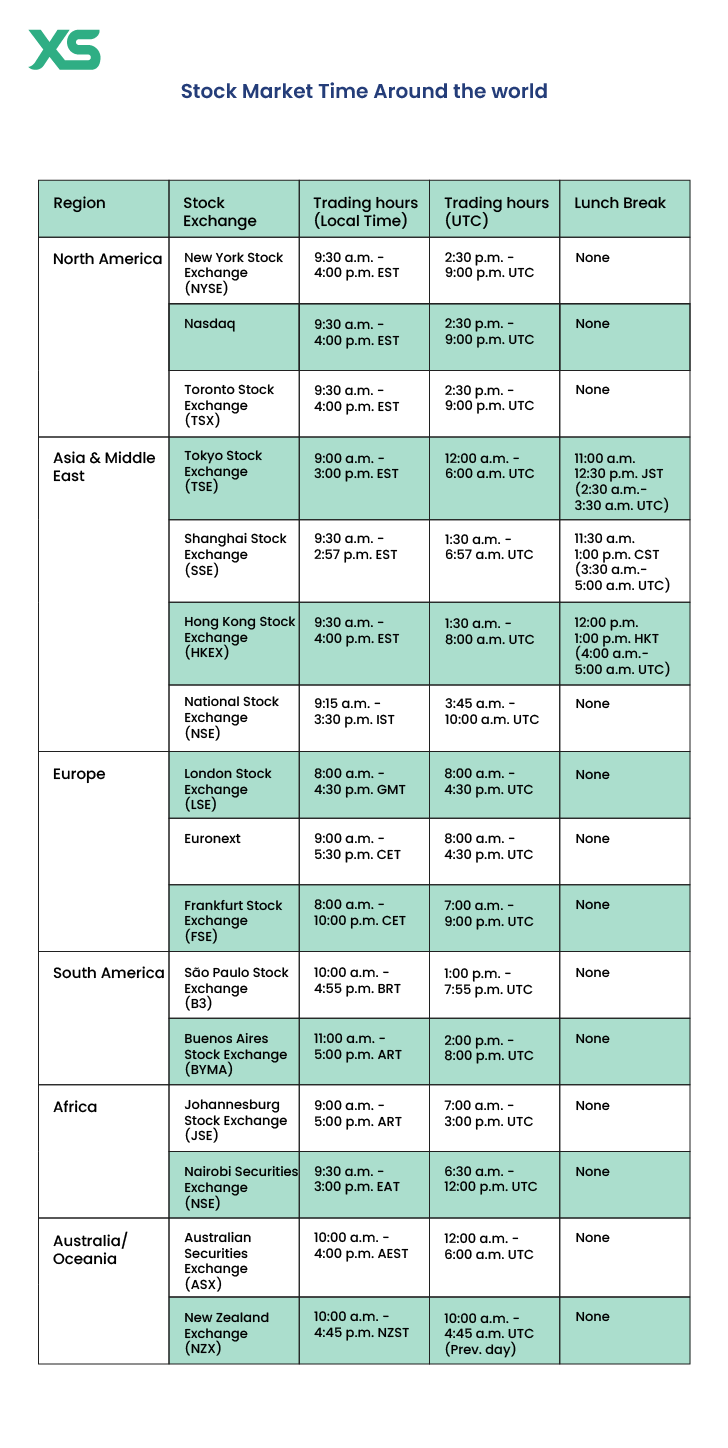
- Standard Trading Hours: Both the NYSE and NASDAQ operate from 9:30 AM to 4:00 PM Eastern Time (ET), Monday through Friday. This seven-and-a-half-hour window is often referred to as “regular trading hours.”
- Pre-Market Trading: Activity often begins much earlier, typically around 4:00 AM ET, and continues until the regular market open. This allows institutional investors and high-frequency traders to react to overnight news or earnings reports.
- After-Hours Trading: Trading can extend well beyond the 4:00 PM close, usually until 8:00 PM ET. This session provides another opportunity for investors to respond to late-breaking news or make trades outside of regular hours, though liquidity is generally thinner.
- Canadian Markets (TSX): The Toronto Stock Exchange (TSX) generally follows a similar schedule to its U.S. counterparts, typically running from 9:30 AM to 4:00 PM Eastern Time, Monday through Friday.
European Markets: A Mosaic of Trading Sessions
Europe’s financial landscape is characterized by a network of significant exchanges, each serving as a hub for its respective region.
The London Stock Exchange (LSE)
As one of the oldest and most international exchanges, the LSE is a cornerstone of European finance.
- Standard Trading Hours: The LSE operates from 8:00 AM to 4:30 PM Greenwich Mean Time (GMT) or British Summer Time (BST) when applicable, Monday through Friday. This timeframe aligns with the typical European workday, overlapping with both Asian closing and U.S. opening hours.
Euronext and Deutsche Börse
Euronext operates exchanges in Paris, Amsterdam, Brussels, Lisbon, Oslo, and Dublin, while the Deutsche Börse is based in Frankfurt.
- Standard Trading Hours: Most major European exchanges, including those under Euronext and the Deutsche Börse (Xetra), generally trade from 9:00 AM to 5:30 PM Central European Time (CET), Monday through Friday. These hours are designed to facilitate trading across various European time zones.
Asian Markets: Kicking Off the Global Trading Day
Due to the eastward progression of time zones, Asian markets are often the first to open each new trading day, providing early indications for global sentiment.
Tokyo Stock Exchange (TSE)
The TSE is the largest stock exchange in Japan and a key player in the Asian financial markets.
- Standard Trading Hours: The TSE has a unique split session: 9:00 AM to 11:30 AM Japan Standard Time (JST) for the morning session, followed by a lunch break, and then 12:30 PM to 3:00 PM JST for the afternoon session, Monday through Friday.
Shanghai Stock Exchange (SSE) and Hong Kong Stock Exchange (HKEX)
These exchanges are critical for accessing the vast Chinese market and broader Asia-Pacific region.
- Standard Trading Hours (SSE): Similar to Tokyo, the SSE operates in two sessions: 9:30 AM to 11:30 AM China Standard Time (CST) and 1:00 PM to 3:00 PM CST, Monday through Friday.
- Standard Trading Hours (HKEX): The HKEX also features a lunch break: 9:30 AM to 12:00 PM HKT (Hong Kong Time) and 1:00 PM to 4:00 PM HKT, Monday through Friday.
Australian Market: The ASX
The Australian Securities Exchange (ASX) is a significant player in the Oceania region, bridging Asian and North American trading sessions.
- Standard Trading Hours: The ASX operates from 10:00 AM to 4:00 PM Australian Eastern Standard Time (AEST) or Australian Eastern Daylight Time (AEDT) when applicable, Monday through Friday.
Beyond Stocks: Opening Hours for Other Financial Markets
While stock exchanges are prominent, the global financial market encompasses a much broader array of assets, each with its own trading characteristics and schedules.
Foreign Exchange (Forex) Market: A 24/5 Operation
The forex market is unique in its continuous nature, making it the most liquid financial market in the world.
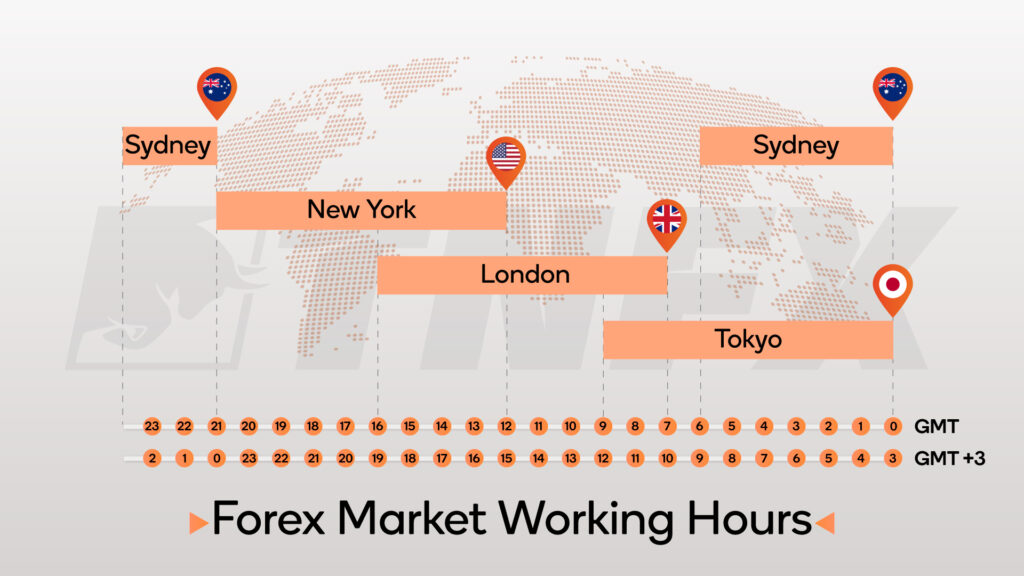
- Continuous Trading: Unlike stock markets, the forex market does not have a single central exchange. Instead, it operates through a global network of banks, brokers, and institutions, allowing it to trade 24 hours a day, five days a week, typically from Sunday evening ET to Friday afternoon ET.
- Major Trading Sessions: While 24-hour, the market’s liquidity and volatility fluctuate significantly based on the opening and closing of major financial centers:
- Sydney Session: Kicks off the week (Sunday evening ET)
- Tokyo Session: Overlaps with Sydney
- London Session: Overlaps with Tokyo and New York
- New York Session: Overlaps with London and concludes the week (Friday afternoon ET)
- Advantages: The 24/5 nature allows traders in different time zones to participate actively and provides flexibility for responding to global economic news at any time.
Commodities Markets: Futures and Spot Trading
Commodities, ranging from crude oil and natural gas to gold, silver, and agricultural products, are traded on specialized exchanges.
- Futures Exchanges: Major commodity futures are traded on exchanges like the CME Group (which includes NYMEX and CBOT) in the U.S. and ICE Futures Europe. These exchanges have specific trading hours that can vary by commodity. For instance:
- Crude Oil (WTI): Electronically traded on NYMEX from Sunday 6:00 PM ET to Friday 5:00 PM ET, with a daily 60-minute break from 5:00 PM to 6:00 PM ET.
- Gold: Futures trade on COMEX from Sunday 6:00 PM ET to Friday 5:00 PM ET, also with a 60-minute daily break.
- Spot Markets: For immediate delivery (spot trading), many commodities are also available through various brokers, often reflecting the underlying futures market’s hours, or in some cases, offering near 24-hour trading, especially for precious metals.
Cryptocurrency Markets: The 24/7 Digital Frontier
Cryptocurrencies operate in a fundamentally different paradigm from traditional markets.
- Continuous Availability: The decentralized and digital nature of cryptocurrencies means they trade 24 hours a day, 7 days a week, 365 days a year. There are no “opening” or “closing” bells, public holidays, or weekends in the crypto world.
- Global Exchanges: Major exchanges like Binance, Coinbase, Kraken, and others facilitate continuous trading, allowing participants worldwide to buy, sell, and exchange digital assets at any time.
- Implications: This constant availability means that prices can fluctuate rapidly at any moment, requiring traders to remain vigilant or employ automated trading strategies. It also makes crypto highly accessible to individuals across all time zones without restrictions.
Navigating Market Nuances: Weekends, Holidays, and Extended Hours
Beyond standard weekday hours, several factors introduce complexities to market schedules that all traders and investors must consider.
Public Holidays and Early Closures
Financial markets are generally closed on public holidays in their respective countries.
- Major Holidays: In the U.S., this includes days like New Year’s Day, Martin Luther King Jr. Day, Presidents’ Day, Good Friday, Memorial Day, Juneteenth, Independence Day, Labor Day, Thanksgiving Day, and Christmas Day. Similar national holidays impact exchanges worldwide.
- Half-Days/Early Closures: Some holidays, such as the day after Thanksgiving (Black Friday) or Christmas Eve, may see markets operate on an abbreviated schedule, closing early.
- Impact: Closures mean no trading activity, leading to pent-up demand or supply that can result in significant price gaps when markets reopen. Traders must check holiday schedules well in advance.
Pre-Market and After-Hours Trading
These sessions extend the trading day for equities beyond the regular 9:30 AM to 4:00 PM window.
- Mechanism: Pre-market and after-hours trading occur on electronic communication networks (ECNs) rather than the floor of an exchange.
- Characteristics:
- Lower Liquidity: Fewer participants mean wider bid-ask spreads and less trading volume. This can lead to greater price volatility for individual trades.
- Increased Risk: Thinner liquidity means that large orders can move the price significantly, potentially leading to less favorable execution for retail traders.
- News Reaction: These sessions are often used by institutional investors to react immediately to corporate earnings announcements or major news events released outside regular market hours.
- Accessibility: Many retail brokers offer access to pre-market and after-hours trading, but investors should be aware of the inherent risks.
Impact of Time Zones and Daylight Saving
Global trading involves a constant interplay of time zones, which shift throughout the year due to Daylight Saving Time (DST).
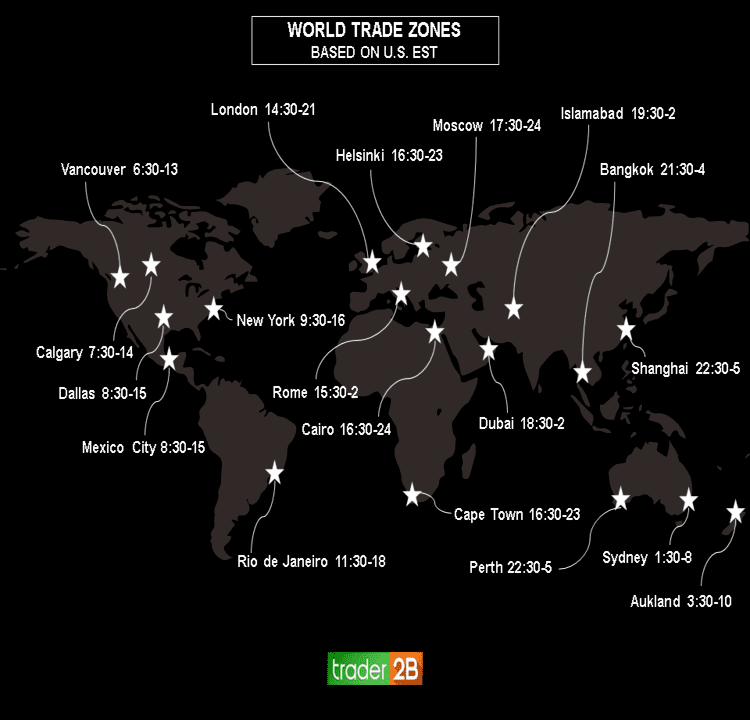
- Coordination: Traders participating in international markets must convert opening and closing times to their local time. Financial news services and trading platforms typically provide local time equivalents.
- DST Changes: The staggered adoption and ending of DST across different regions (e.g., U.S. and Europe having different start/end dates for DST) mean that the relative overlap of trading sessions can change for a few weeks each spring and autumn. This requires careful attention to avoid missed opportunities or mistimed trades.
Why Market Hours Matter for Investors and Traders
Understanding market hours is more than just knowing “when to trade”; it’s fundamental to developing robust investment and trading strategies.
Liquidity and Volatility Considerations
Market hours directly influence the availability of buyers and sellers and the degree of price fluctuations.
- Peak Liquidity: During regular trading hours, especially when major markets overlap (e.g., London and New York forex sessions), liquidity is highest. This means tight bid-ask spreads, easier execution of large orders, and less slippage.
- Lower Liquidity: Pre-market, after-hours, and holiday periods typically have lower liquidity, leading to wider spreads and higher potential for price manipulation or unexpected moves.
- Volatility: News released during closed market hours can create significant volatility when markets reopen. Similarly, specific trading sessions (e.g., the New York stock market open) are often characterized by heightened volatility.
Strategic Planning and Risk Management
Market hours are a cornerstone of effective trading strategy and risk mitigation.
- Trading Windows: Traders often develop strategies tailored to specific market windows, such as day trading during peak liquidity or swing trading based on overnight moves.
- Monitoring and Reaction: Knowing when markets open and close allows investors to schedule their monitoring of positions and prepare for potential reactions to news events.
- Risk of Gaps: For positions held overnight or over a weekend/holiday, there is a risk of “gaps” in price action due to news or events occurring when the market is closed. Understanding this risk is crucial for setting stop-losses and managing exposure.
Accessing Global Opportunities
The staggered opening of global markets presents continuous opportunities.
- Diversification: Investors can diversify across different geographic regions and asset classes, allowing them to trade around the clock.
- Arbitrage: Slight price differences for the same asset on different exchanges can create arbitrage opportunities for sophisticated traders who can act quickly across various market openings.
- Following the Sun: The “market open” effectively travels across the globe, allowing traders to react to economic data releases and geopolitical events as they unfold in different time zones.
Tools and Strategies for Tracking Market Openings
In today’s fast-paced financial world, staying informed about market hours is easier than ever, thanks to a wealth of digital tools and resources.
Financial News Services and Platforms
Reliable financial news outlets and data providers are indispensable.
- Bloomberg, Reuters, Wall Street Journal: These services offer real-time market data, news, and comprehensive calendars for global market holidays and special trading hours.
- Specialized Market Calendars: Websites like Investing.com, MarketWatch, and various brokerage platforms provide interactive calendars that automatically adjust to your local time zone, highlighting upcoming closures or early finishes.
Trading Platforms and Brokerage Tools
Modern trading platforms are designed to keep users informed.
- Integrated Schedules: Most advanced trading platforms (e.g., MetaTrader, Thinkorswim, Interactive Brokers) display current market status (open/closed) for various instruments and often include built-in market hour calendars.
- Alerts and Notifications: Many platforms allow users to set up custom alerts for market openings, news releases, or specific price movements, ensuring they don’t miss critical trading windows.
Developing a Personalized Trading Schedule
The ultimate strategy is to integrate market hours into a personalized trading routine.
- Time Zone Awareness: Always confirm market hours in your local time zone.
- Asset-Specific Research: Understand the specific operating hours for each asset you trade (e.g., stocks vs. commodities vs. crypto).
- Holiday Planning: Proactively review holiday schedules for all relevant markets to anticipate closures and their potential impact.
- Risk Adjustment: Adjust your trading strategies, position sizing, and stop-loss orders based on the liquidity and volatility expected during different market hours.
In conclusion, the question “when does the trading market open?” unpacks a complex, dynamic landscape fundamental to successful participation in the global financial system. By meticulously understanding the various opening and closing times, not just for stocks but for all major asset classes, and factoring in the nuances of extended hours, holidays, and time zone shifts, investors and traders can enhance their strategic decision-making, manage risk more effectively, and ultimately position themselves for greater success in the ever-evolving world of finance.
aViewFromTheCave is a participant in the Amazon Services LLC Associates Program, an affiliate advertising program designed to provide a means for sites to earn advertising fees by advertising and linking to Amazon.com. Amazon, the Amazon logo, AmazonSupply, and the AmazonSupply logo are trademarks of Amazon.com, Inc. or its affiliates. As an Amazon Associate we earn affiliate commissions from qualifying purchases.