
For anyone looking to engage with the financial markets, whether as a seasoned investor or a curious beginner, understanding the operational hours of the stock market is foundational. It’s not just about knowing when you can place an order; it’s about grasping the dynamics of liquidity, volatility, and information flow that are intrinsically linked to the market clock. In the United States, the primary stock exchanges, the New York Stock Exchange (NYSE) and the Nasdaq Stock Market, adhere to specific trading schedules that define the core period of market activity.
The simple answer to “what time does the stock market open in the US?” is 9:30 AM Eastern Time (ET). The market then closes at 4:00 PM ET. However, this straightforward answer only scratches the surface of a complex system that includes pre-market and after-hours trading, market holidays, and early closures, all of which significantly impact trading strategies and investment outcomes. Delving into these nuances is crucial for developing an informed and effective approach to investing.
The Core Trading Day: NYSE and Nasdaq Standard Hours
The period between 9:30 AM and 4:00 PM ET represents the official “regular trading hours” for most US equities. This six-and-a-half-hour window is when the vast majority of trading volume occurs, price discovery is most efficient, and liquidity is at its peak. Understanding the characteristics of this core trading day is paramount for any investor.
Unpacking the 9:30 AM to 4:00 PM ET Window
This standard trading window is a cornerstone of the US financial system, setting the rhythm for global markets. The opening bell ceremony at 9:30 AM ET, often broadcast live, symbolizes the commencement of a new trading day, while the closing bell at 4:00 PM ET marks its end. These times are not arbitrary; they are deeply rooted in historical practice and designed to optimize market functionality and accessibility.
During these hours, a confluence of factors contributes to robust market activity. Institutional investors, mutual funds, hedge funds, and retail traders are all actively participating, driving high trading volumes. This concentration of activity ensures tight bid-ask spreads, meaning the difference between the highest price a buyer is willing to pay and the lowest price a seller is willing to accept is minimal. Tight spreads are beneficial for traders as they reduce transaction costs and allow for more efficient execution of orders. Furthermore, regulatory oversight is most intense during these hours, providing an added layer of protection and transparency. News announcements, corporate earnings reports, and economic data releases are often strategically timed to coincide with or precede these regular hours, maximizing their impact and allowing the market to react in a highly liquid environment. The sheer volume of participants and capital during these hours also contributes to the market’s efficiency in pricing assets, as more information is rapidly incorporated into stock prices.
Eastern Time (ET) as the Standard
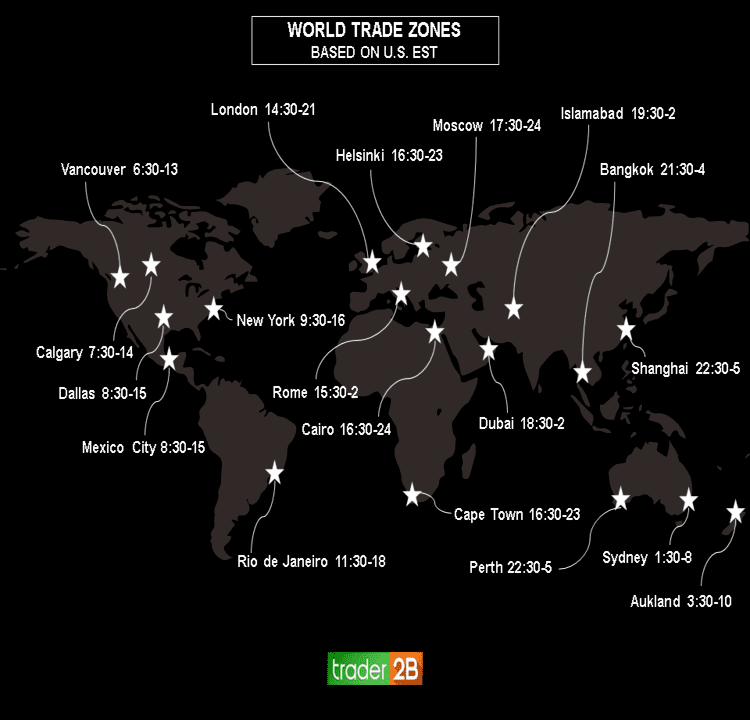
The designation of Eastern Time (ET) as the standard for US stock market hours is not a coincidence. Both the New York Stock Exchange (NYSE) and the Nasdaq Stock Market are physically located in New York City, which observes Eastern Time. This historical and geographical centralization established ET as the default reference point for financial market operations across the country and, to a large extent, globally. For investors residing in different time zones across the United States or internationally, understanding and correctly converting ET is a critical step in effective financial planning and trading.
For instance, an investor on the West Coast (Pacific Time) needs to remember that the market opens at 6:30 AM PT and closes at 1:00 PM PT. In the Central Time zone, it’s 8:30 AM to 3:00 PM CT, and in the Mountain Time zone, 7:30 AM to 2:00 PM MT. These time differences have significant implications. West Coast investors, for example, might find themselves waking up very early to catch the market open or navigating midday trading during their morning routines. The implications extend beyond just convenience; they influence when market-moving news is consumed and how rapidly one can react.
Furthermore, the impact of Daylight Saving Time (DST) must be considered. While most of the US observes DST, Arizona and Hawaii do not. This means that for a period during the year, the time difference between these states and New York might shift by an hour. Investors must remain vigilant about these seasonal adjustments to ensure they are always referring to the correct market time. Financial platforms and news services typically display market times in ET, sometimes with an option to convert to the user’s local time, but personal awareness and cross-referencing remain invaluable. This standardized approach to time ensures uniformity and reduces confusion across the vast landscape of market participants, but it places the onus on individuals to adapt their schedules and understanding.
Beyond the Bell: Exploring Pre-Market and After-Hours Trading
While 9:30 AM to 4:00 PM ET defines the core trading day, the stock market doesn’t entirely shut down outside these hours. Pre-market and after-hours trading offer extended opportunities for investors to react to news, earnings reports, or economic data releases that occur outside the standard window. However, these periods come with their own distinct characteristics, risks, and benefits.
Pre-Market Trading: Getting a Head Start
Pre-market trading typically runs from as early as 4:00 AM ET up to the opening bell at 9:30 AM ET. This period allows market participants to place trades before the official market open, offering a crucial window to react to overnight developments, such as international market movements, geopolitical events, or company announcements made before the trading day begins.
Participation in pre-market trading is often dominated by institutional investors, professional traders, and sophisticated retail investors who have access to advanced trading platforms and rapid information feeds. The primary advantage is the ability to react quickly to news that could significantly impact a stock’s price, potentially getting ahead of the curve before the larger market reacts at 9:30 AM. This can lead to opportunities for substantial gains or, critically, for mitigating potential losses by exiting positions early.
However, pre-market trading is characterized by significantly lower liquidity compared to regular hours. Fewer buyers and sellers mean that bid-ask spreads are typically much wider, and even small orders can have a disproportionate impact on a stock’s price. This lower liquidity also translates to higher volatility and increased price risk. Executing large orders can be challenging without moving the market against oneself, and guaranteed execution at desired prices is far less certain. For the average retail investor, navigating pre-market trading requires a deep understanding of market mechanics and a higher tolerance for risk. Many brokers offer access to pre-market trading, but it’s essential to understand the limitations and potential pitfalls before diving in.
After-Hours Trading: Extending Opportunities
After-hours trading picks up immediately after the closing bell at 4:00 PM ET and can extend as late as 8:00 PM ET. Similar to pre-market, this period allows investors to react to late-breaking news, corporate earnings announcements released post-market, or analyst upgrades/downgrades that come out after the standard trading day.
This segment of the trading day is particularly popular for reacting to earnings reports, which are frequently released after the market closes to give investors time to digest the information before the next trading day. Being able to trade immediately on this information can be a significant advantage, allowing investors to capitalize on immediate price movements or adjust their portfolios based on new data without waiting for the next morning.
The advantages of after-hours trading mirror those of pre-market trading: flexibility and the ability to respond swiftly to new information. However, the disadvantages are also similar and often more pronounced. Liquidity can be even lower than in pre-market sessions, leading to even wider bid-ask spreads and increased volatility. The risk of significant price swings on minimal volume is higher, making it a more challenging environment for risk management. Stop-loss orders placed during regular hours may not trigger at desired prices during after-hours trading due to these liquidity issues and price gaps. Both pre-market and after-hours trading are executed through Electronic Communication Networks (ECNs) rather than the physical exchange floors, which connect buyers and sellers directly. While offering valuable flexibility, these extended hours demand extra caution and a clear understanding of their unique trading environment.
The Mechanism of Extended Hours Trading
The capability for pre-market and after-hours trading is primarily facilitated by Electronic Communication Networks (ECNs). Unlike the traditional, centralized stock exchanges (NYSE, Nasdaq) which operate during regular hours, ECNs are automated systems that match buy and sell orders electronically. They aggregate orders from various participants and execute trades efficiently outside the standard market window.
For investors to participate in extended hours trading, they typically need to enable this feature with their brokerage account, as not all orders are automatically eligible. Furthermore, investors usually need to specify “EXT” or “Day + EXT” as the time-in-force instruction for their orders, indicating they wish for the order to be valid during extended hours. The types of orders available might also be more limited during these periods; for instance, only limit orders (orders to buy or sell at a specific price or better) are generally accepted, as market orders (orders to buy or sell at the best available current price) carry too much risk of adverse execution due to the lower liquidity. Understanding the operational intricacies of ECNs and order types is fundamental for successful engagement in these non-standard trading sessions.
Market Holidays, Early Closures, and Their Financial Impact
Beyond the daily open and close, the US stock market observes a calendar of holidays and occasional early closures. These interruptions to the regular trading schedule are critical for investors to be aware of, as they can impact trading strategies, settlement cycles, and overall market sentiment.
Understanding Scheduled Market Closures
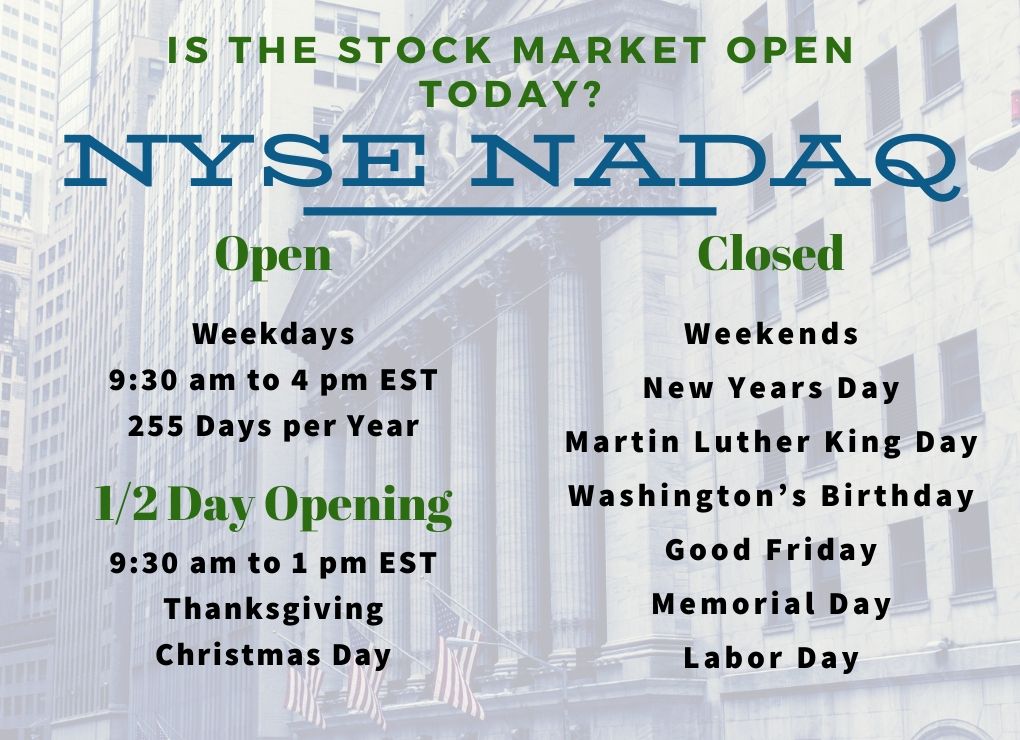
The US stock market calendar includes several federal holidays on which the exchanges are fully closed. These typically include:
- New Year’s Day (January 1)
- Martin Luther King, Jr. Day (Third Monday in January)
- Presidents’ Day (Third Monday in February)
- Good Friday (Varies annually, before Easter Sunday)
- Memorial Day (Last Monday in May)
- Juneteenth National Independence Day (June 19)
- Independence Day (July 4)
- Labor Day (First Monday in September)
- Thanksgiving Day (Fourth Thursday in November)
- Christmas Day (December 25)
When these holidays fall on a weekend, the market typically observes them on the closest weekday (e.g., if Christmas falls on a Saturday, the market might be closed on the preceding Friday). These closures are not merely days off; they are integral to the financial system. They provide a pause for reflection, allow financial institutions to reconcile accounts without active trading, and prevent market manipulation during periods of potentially ultra-low liquidity. For investors, knowing these dates is crucial for planning when to initiate or close trades, especially those with short-term horizons. Failing to account for a market holiday could leave an investor unable to react to news over an extended break, potentially exposing them to unexpected price gaps when trading resumes.
Navigating Early Market Closures
In addition to full-day holidays, the US stock market also has a tradition of early closures on certain days, typically concluding trading at 1:00 PM ET instead of 4:00 PM ET. Common examples include the day before Independence Day (if it falls on a weekday), the day after Thanksgiving (Black Friday), and Christmas Eve (if it falls on a weekday).
These reduced trading hours can significantly impact market dynamics. The abbreviated session often leads to lower trading volumes and, consequently, reduced liquidity. This can amplify price movements, making the market more susceptible to volatility even from minor news or trading activity. Traders might experience wider bid-ask spreads and find it harder to execute large orders without affecting prices. For investors, it means any market-moving news released during or immediately after these shortened sessions can have an outsized impact at the next full open. It also necessitates adjusting one’s trading schedule and expectations for order execution.
Planning Around Market Interruptions
Proactive planning is essential for investors to mitigate risks associated with market holidays and early closures. Regularly checking the official calendars published by the NYSE and Nasdaq is a fundamental practice. Brokers typically notify clients of upcoming market closures as well.
These interruptions can affect more than just immediate trading. They impact settlement dates for trades, meaning the date on which a security transaction is finalized and ownership (and funds) are transferred. Most US equity trades settle on a T+2 basis (trade date plus two business days). A market holiday can extend this settlement period, potentially delaying the availability of funds from a sale or the ownership of purchased shares. Understanding these implications is crucial for managing cash flow and portfolio liquidity, especially for those who frequently move funds or actively trade. Furthermore, the absence of trading activity during closures means that market-moving news, economic data, or geopolitical events that occur during these periods cannot be immediately priced in. This can lead to significant “gap” openings when the market reopens, where prices jump or drop substantially from the previous close. Being aware of these possibilities allows investors to adjust their risk exposure, perhaps by reducing position sizes or hedging against potential downside, before an extended market break.
The Strategic Importance of Knowing Market Hours for Investors
Understanding the stock market’s operational hours is more than just a matter of logistics; it’s a critical component of a well-rounded investment strategy. Each segment of the trading day—regular hours, pre-market, and after-hours—presents unique opportunities and risks that informed investors must navigate.
Optimizing Trading Decisions
The strategic importance of market hours lies in how they influence liquidity, volatility, and information flow. The regular trading session (9:30 AM – 4:00 PM ET) is characterized by high liquidity and efficient price discovery, making it ideal for the execution of most orders. Within this window, the “opening bell” and “closing bell” periods are often the most volatile and high-volume. The first 30-60 minutes after the open typically see investors reacting to overnight news, leading to rapid price movements. Similarly, the final hour before the close can see increased activity as institutions adjust positions and day traders close out their books. Understanding these intra-day dynamics allows day traders to time their entries and exits for maximum advantage, while long-term investors might choose to place orders during less volatile mid-day periods to ensure better execution prices.
For investors who react to earnings reports, knowing when these reports are typically released (often after the close or before the open) dictates whether to trade in the after-hours/pre-market or wait for the regular session. Trading during extended hours, despite the risks, can offer early entry or exit points based on new information, potentially capitalizing on or avoiding significant price moves.
Managing Risk and Volatility
The varying levels of liquidity and volatility across different trading periods necessitate tailored risk management strategies. During pre-market and after-hours sessions, the lower liquidity means that prices can be highly volatile, and even small orders can cause significant price swings. This heightened risk makes strategies like using market orders particularly dangerous, as they might execute at prices far worse than anticipated. Instead, using limit orders (specifying the maximum price you’ll pay or minimum you’ll accept) is crucial for controlling execution prices during extended hours.
Long-term investors, while less concerned with minute-by-minute price fluctuations, still benefit from understanding these periods. Major news released after-hours can cause a significant gap up or down at the next day’s open. Being aware of this allows investors to anticipate potential moves and adjust their portfolios or simply avoid the emotional trap of reacting impulsively to early price action. For instance, if an investor holds a stock with an after-hours negative earnings surprise, they can psychologically prepare for a likely drop at the open and avoid panic selling, or even use it as a buying opportunity if they believe in the long-term thesis.
Accessing Information and Resources
Effective investing, regardless of market hours, relies on timely and accurate information. Leveraging financial news outlets, subscription services, and your brokerage’s analytical tools is crucial. Many platforms provide real-time market data, pre-market and after-hours quotes, and integrated news feeds that update throughout the day and night. Setting up alerts for specific stocks or market-moving news can help investors stay informed even when not actively watching the screen. Understanding market hours also means knowing when key economic data (e.g., inflation reports, unemployment figures) or Federal Reserve announcements are typically released, as these often occur during regular trading hours and can cause immediate and significant market reactions.
Impact on Global Markets
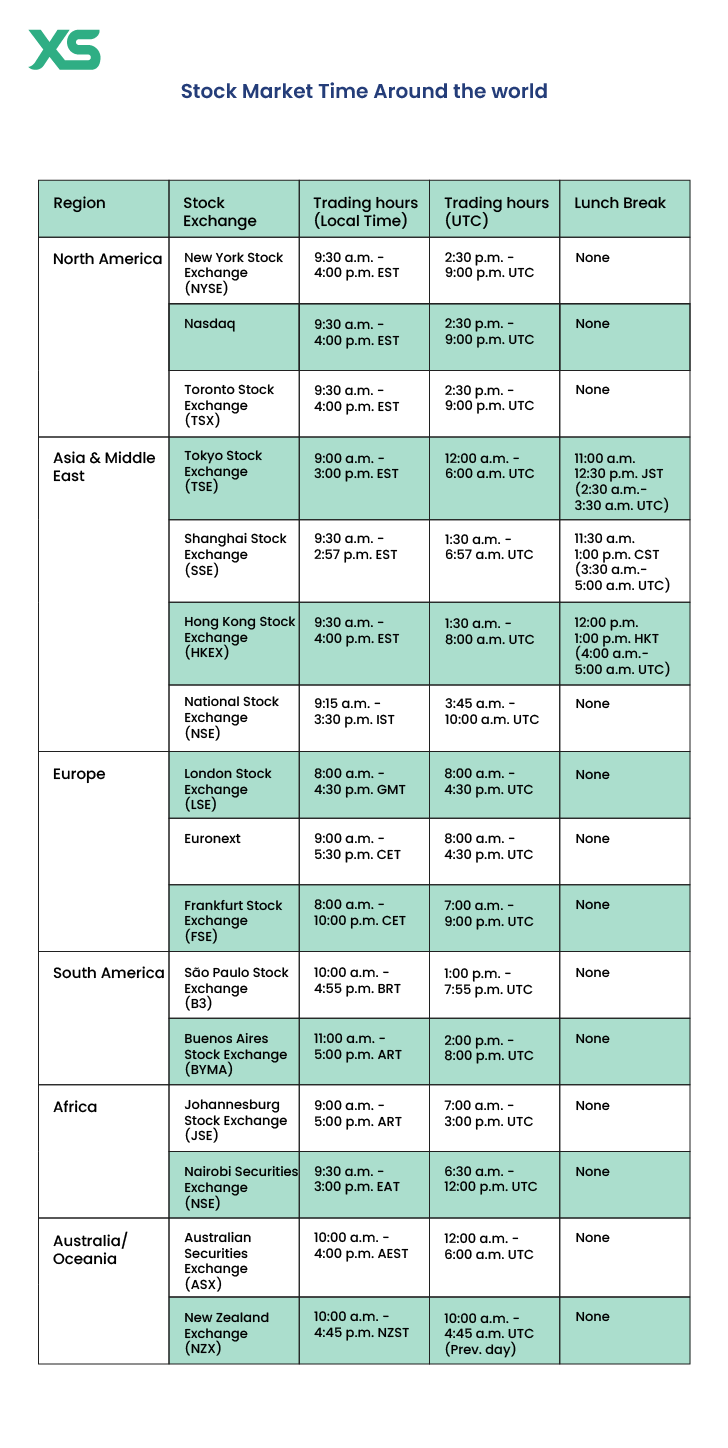
While this discussion focuses on US market hours, it’s important to acknowledge that the world’s financial markets are interconnected. The closing of the US market often coincides with the opening of Asian markets, followed by European markets, creating a continuous global trading cycle. Developments in one major market can significantly influence others. For instance, strong or weak performance in Asian or European markets overnight can set the tone for the US market’s open. For investors with global portfolios or an interest in international ETFs, understanding this interconnectedness and how US market hours fit into the broader global picture is an added layer of strategic importance.
Ultimately, mastering the “when” of the stock market empowers investors to make more rational, less emotional decisions. It allows for the careful timing of trades, the effective management of risk, and the proactive assimilation of market-moving information. The stock market is a dynamic entity, and being well-versed in its rhythms is a powerful asset in the pursuit of financial goals.
The US stock market, with its standard 9:30 AM to 4:00 PM ET trading window, along with pre-market and after-hours sessions, presents a structured yet complex environment for investors. Understanding these operational hours, along with market holidays and early closures, is far more than a trivial detail; it is a fundamental aspect of informed investing. It dictates when liquidity is highest, when volatility peaks, and how swiftly one can react to new information. By grasping these temporal dynamics, investors can optimize their trading strategies, manage risk more effectively, and ultimately position themselves for greater success in the pursuit of their financial objectives. In the world of money, timing truly can be everything.
aViewFromTheCave is a participant in the Amazon Services LLC Associates Program, an affiliate advertising program designed to provide a means for sites to earn advertising fees by advertising and linking to Amazon.com. Amazon, the Amazon logo, AmazonSupply, and the AmazonSupply logo are trademarks of Amazon.com, Inc. or its affiliates. As an Amazon Associate we earn affiliate commissions from qualifying purchases.