
For both seasoned investors and curious newcomers, understanding the intricacies of the stock market can be a journey of continuous learning. One fundamental aspect, often overlooked in its simplicity, yet profoundly impactful, is the concept of stock market closing time. It’s more than just when the bell rings to signal the end of the trading day; it represents a pivotal moment that influences investment strategies, market analysis, and the very rhythm of global finance. This article delves into what stock market closing time truly signifies, exploring its variations, implications, and the activities that continue long after the official close.
The Standard Trading Day: A Look at Core Hours
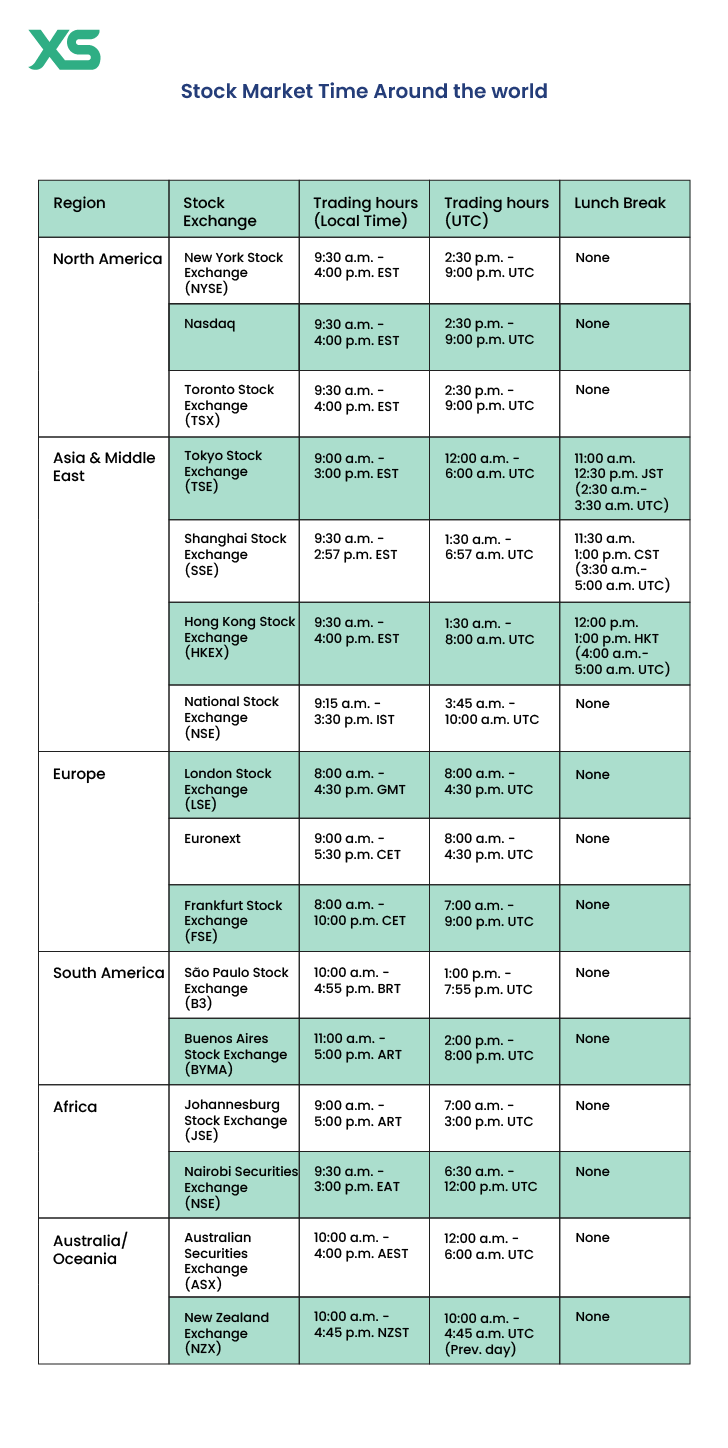
At its most basic, stock market closing time refers to the precise moment when a particular exchange ceases its regular trading operations for the day. While this concept appears straightforward, the specifics vary significantly across different markets and regions. The typical trading day dictates not only when investors can actively buy and sell securities but also frames the release of corporate earnings, economic data, and other market-moving news.
The NYSE and Nasdaq Model
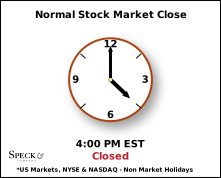
In the United States, the New York Stock Exchange (NYSE) and the Nasdaq Stock Market set the benchmark for many global exchanges. Their standard trading hours are from 9:30 AM Eastern Time (ET) to 4:00 PM ET, Monday through Friday. This six-and-a-half-hour window is considered the “regular trading session” where the vast majority of transactions occur, and liquidity is at its peak. The closing bell at 4:00 PM ET marks the official end of this session, finalizing the daily prices for thousands of publicly traded companies.
This consistent schedule, maintained diligently, provides a predictable framework for investors worldwide. It allows for the orderly aggregation of buying and selling pressure, culminating in definitive closing prices that serve as crucial reference points for portfolio valuations, index calculations, and financial reporting.
Half-Day Trading and Holiday Closures
While the 9:30 AM to 4:00 PM ET schedule is standard, it’s not without exceptions. Financial markets observe numerous public holidays throughout the year, during which they remain entirely closed (e.g., Christmas Day, Thanksgiving Day, New Year’s Day). Additionally, some holidays or specific market events may lead to “half-day trading” sessions, where the market closes earlier than usual, typically around 1:00 PM ET. Examples often include the day after Thanksgiving or certain days preceding major holidays. These abbreviated sessions, while less common, require investors to adjust their strategies and expectations, as liquidity can be thinner and volatility potentially higher during these reduced hours. Staying informed about the exchange’s holiday calendar is paramount for any active participant.
Global Variations in Market Closing Times
The global nature of finance means that while one market might be closing, another is just beginning its day, or is in full swing. This asynchronous operation is a fundamental characteristic of the international financial system, driven by time zones and local market traditions. Understanding these variations is crucial for investors with international portfolios or those who follow global economic trends.
European and Asian Market Hours
Across the Atlantic, European exchanges operate on their respective local times. For instance, the London Stock Exchange (LSE) typically trades from 8:00 AM to 4:30 PM Greenwich Mean Time (GMT). Euronext, which operates exchanges in Paris, Amsterdam, Brussels, Lisbon, and Dublin, generally follows similar hours, usually from 9:00 AM to 5:30 PM Central European Time (CET).
Moving further east, Asian markets present another set of timings, often influenced by a lunch break mid-session. The Tokyo Stock Exchange (TSE), for example, typically operates from 9:00 AM to 11:30 AM, breaks for lunch, and then reopens from 12:30 PM to 3:00 PM Japan Standard Time (JST). Similarly, the Shanghai Stock Exchange (SSE) and Hong Kong Stock Exchange (HKEX) also incorporate midday breaks into their trading schedules, with closing times generally around 3:00 PM or 4:00 PM local time.
Implications of Time Zone Differences
These disparate operating hours mean that a significant portion of the world’s trading activity occurs while U.S. markets are closed, and vice-versa. For a U.S. investor, major economic news released in Asia overnight could already be priced into Asian stocks before the NYSE even opens. This constant flow of information and capital across different time zones necessitates a global perspective for serious investors, highlighting the interconnectedness of seemingly independent markets. The closing price of a stock on one exchange might influence the opening price of a related security on another, several hours later.
Beyond the Bell: Pre-Market and After-Hours Trading
The official closing time at 4:00 PM ET for U.S. markets doesn’t necessarily mean all trading ceases. Modern electronic trading systems have extended the ability to trade securities outside the standard market hours through “pre-market” and “after-hours” sessions. These extended sessions cater to a specific set of needs and come with their own unique dynamics.
Pre-Market Trading Defined
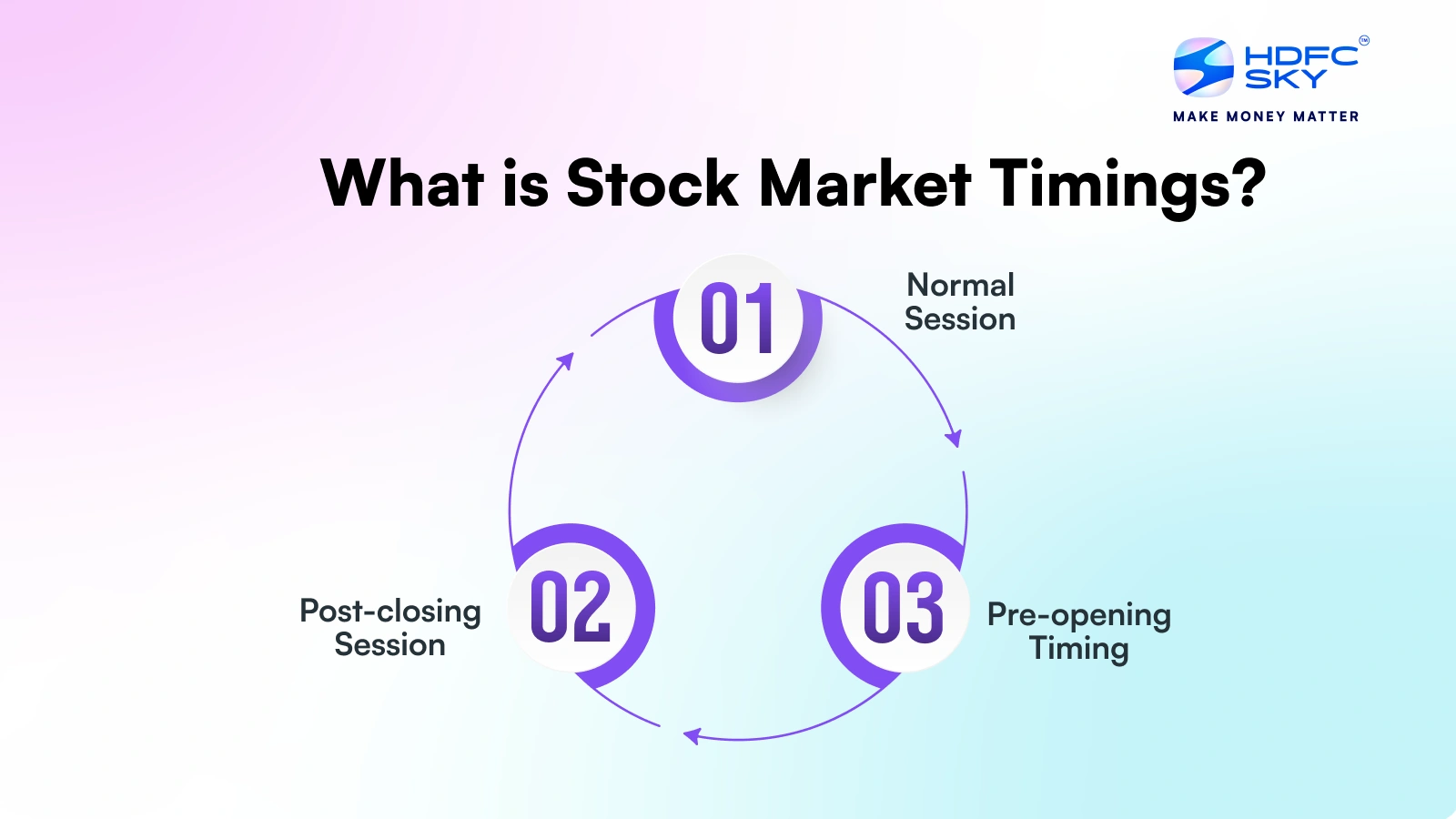
Pre-market trading refers to the period before the regular market opens. For U.S. markets, this typically runs from 4:00 AM ET to 9:30 AM ET. During this window, investors can place orders that are executed before the opening bell. This session is particularly active when major news, such as corporate earnings reports, economic data, or significant geopolitical events, breaks before the market officially opens. Traders use this time to react swiftly to new information, attempting to capitalize on early price movements or mitigate potential losses.
After-Hours Trading Explained
Conversely, after-hours trading occurs immediately following the regular closing bell, typically from 4:00 PM ET to 8:00 PM ET. Similar to pre-market trading, this session allows investors to react to news released after market close, such as late-breaking earnings announcements or analyst downgrades. The flexibility offered by after-hours trading is a significant advantage for institutional investors and active traders who need to manage their positions beyond standard market hours.
Risks and Opportunities in Extended Sessions
While extended-hours trading provides flexibility and opportunities for quick reactions, it also presents unique risks. The most significant is lower liquidity. With fewer participants, spreads between bid and ask prices tend to be wider, making it harder to execute trades at desired prices. This reduced liquidity can also lead to higher volatility, as even small orders can cause disproportionately large price swings. Additionally, price discovery can be less efficient, and information may not be as widely disseminated as during regular hours. Despite these risks, extended sessions offer a crucial avenue for informed investors to act on timely information, manage risk, and potentially gain an edge by reacting ahead of the broader market.
The Significance of Closing Time for Investors
The stock market closing time is far more than an arbitrary cut-off. It holds profound significance for a multitude of market participants, influencing everything from trading strategy to portfolio valuation and risk management.
Finalizing Daily Prices and Portfolio Valuation
The closing price of a stock is perhaps its most critical daily metric. It represents the final consensus value of a security for that trading day, derived from the cumulative supply and demand over the regular session. This price is used to calculate daily returns, update portfolio values, and determine the performance of indices like the S&P 500 or Dow Jones Industrial Average. For mutual funds and ETFs, the Net Asset Value (NAV) is often calculated based on the closing prices of their underlying holdings. Investors rely on these definitive closing prices to assess their holdings’ performance, make informed decisions, and track their long-term financial goals.
Market-on-Close Orders and Order Execution
Closing time is particularly relevant for certain types of trading orders. A “Market-on-Close” (MOC) order, for instance, instructs a broker to buy or sell a security at its closing price. These orders are often placed by institutional investors seeking to balance their portfolios or manage index exposure at the precise end-of-day valuation. The execution of such orders can sometimes contribute to significant trading volume and price movements in the final minutes of a trading session. Understanding how these orders interact with market dynamics in the run-up to the close is a key element of advanced trading strategies.
Impact on News and Data Dissemination
Many companies and economic agencies strategically release their critical announcements either before the market opens or after it closes. This practice aims to allow investors sufficient time to digest the information without the immediate pressure of an active trading session. Earnings reports, analyst ratings, and macroeconomic data releases (e.g., inflation figures, employment numbers) are frequently timed this way. The after-hours and pre-market sessions then become critical arenas where initial reactions to this news play out, setting the stage for the next regular trading day.
Factors Affecting Market Hours and Closures
While the stock market aims for consistent operation, various factors can lead to deviations from standard closing times or even complete closures. Being aware of these possibilities is part of comprehensive risk management for investors.
Market Circuit Breakers
In extreme circumstances, sudden and severe market downturns can trigger “circuit breakers.” These are automated systems designed to temporarily halt trading across exchanges to provide investors time to absorb information and prevent panic selling. For instance, the NYSE and Nasdaq have three levels of circuit breakers tied to drops in the S&P 500 index (7%, 13%, and 20%). A 7% or 13% drop before 3:25 PM ET would halt trading for 15 minutes. A 20% drop at any time would halt trading for the remainder of the day. While rare, these events instantly override standard closing times to protect market integrity.
Unforeseen Events and Technical Issues
Beyond planned holidays or structured circuit breakers, markets can also be affected by unforeseen events. Natural disasters, national emergencies, or severe technical malfunctions can necessitate temporary closures or early halts to trading. In such cases, market operators prioritize safety, data integrity, and the orderly functioning of the financial system, overriding the standard closing schedule to prevent chaos or ensure fair and equitable trading conditions. While infrequent, historical examples exist where events like the 9/11 attacks or major power outages led to multi-day closures.
In conclusion, the stock market closing time is a cornerstone of market operations, dictating the rhythm of global finance. It’s not merely a fixed point on the clock but a dynamic element influenced by geography, technology, and unforeseen events. For investors, understanding its nuances—from standard hours and global variations to extended sessions and exceptional closures—is essential for making informed decisions, managing risk, and navigating the ever-evolving landscape of the financial markets. It underscores the precision and structure that underpin the complex world of investing, providing a critical anchor in a sea of constant change.
aViewFromTheCave is a participant in the Amazon Services LLC Associates Program, an affiliate advertising program designed to provide a means for sites to earn advertising fees by advertising and linking to Amazon.com. Amazon, the Amazon logo, AmazonSupply, and the AmazonSupply logo are trademarks of Amazon.com, Inc. or its affiliates. As an Amazon Associate we earn affiliate commissions from qualifying purchases.