
In the dynamic world of finance, few terms are as fundamental yet often misunderstood as “a share of stock.” For many, it represents a ticket to potential wealth, a slice of a company’s success, or a complex financial instrument best left to experts. However, at its core, a share of stock is a remarkably straightforward concept with profound implications for both companies and individual investors. It is the bedrock upon which much of modern corporate finance and personal wealth creation is built. Understanding what a share of stock truly entails is not just an academic exercise; it’s an essential first step for anyone looking to navigate the investment landscape, build a diversified portfolio, or simply comprehend the economic forces that shape our world. This article will demystify shares of stock, breaking down their essence, purpose, value drivers, and the benefits and risks associated with their ownership.

The Fundamentals of Stock Ownership
To grasp the full picture of stock ownership, one must first understand its foundational definitions, the motivations behind its issuance, and the distinct forms it can take.
Defining a Share of Stock
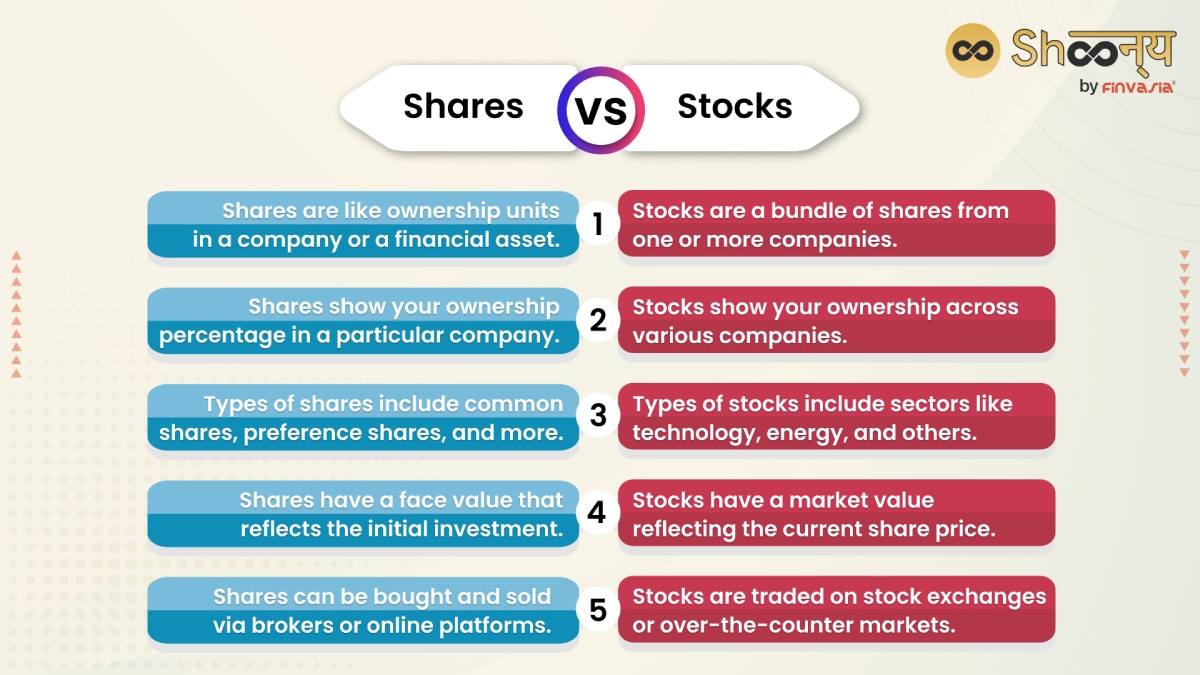
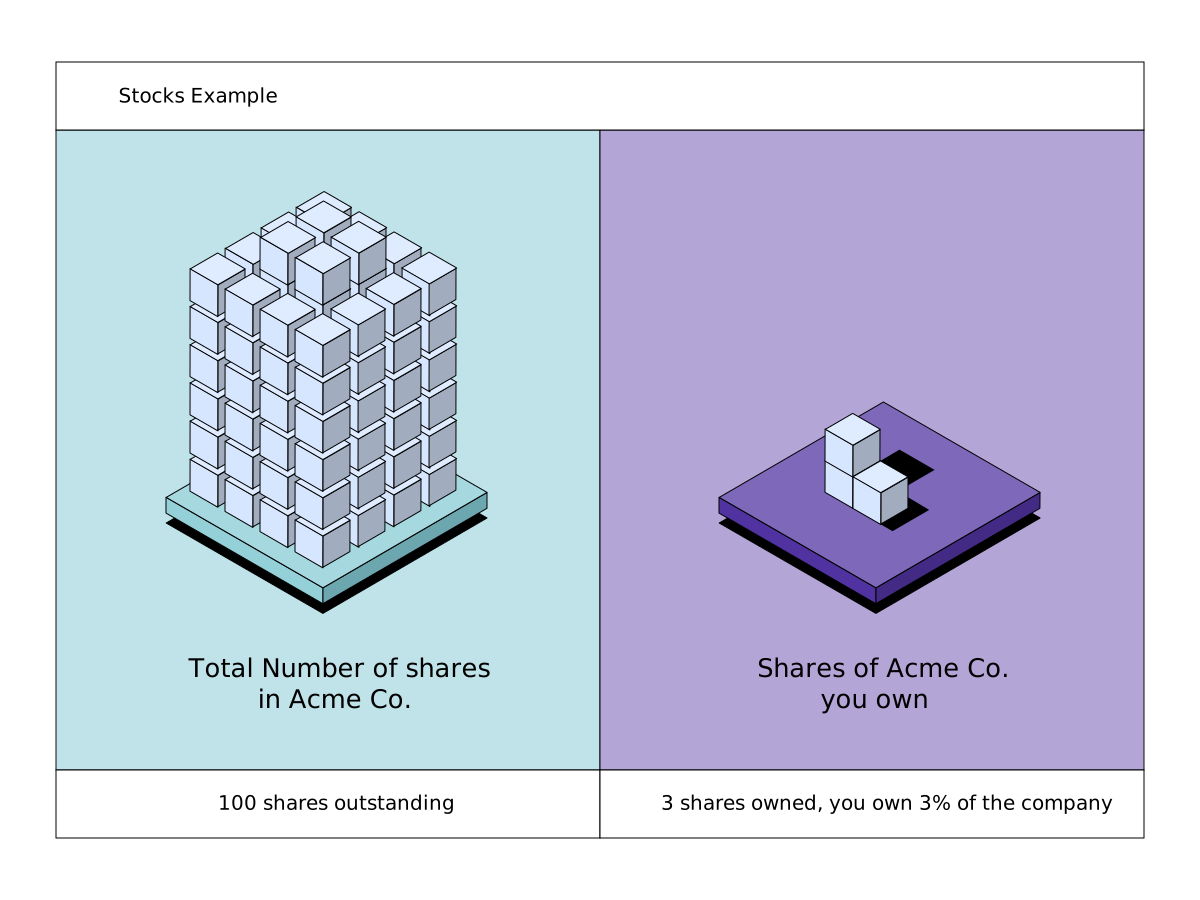
At its most basic, a share of stock, often simply called a stock or equity, represents a fractional ownership interest in a company. When you purchase a share, you become a part-owner, however small, of that corporation. This ownership bestows upon you certain rights and claims on the company’s assets and earnings. Imagine a company’s entire value being divided into millions or billions of tiny pieces; each piece is a share. This concept of equity ownership is distinct from debt (like bonds), where an investor merely lends money to a company without acquiring an ownership stake. As an equity holder, you are exposed to both the potential for significant gains if the company thrives and the risk of loss if it falters.
Why Companies Issue Shares
Companies primarily issue shares of stock for one crucial reason: to raise capital. When a business needs funds to expand operations, invest in new projects, research and develop new products, acquire other companies, or reduce debt, it has two primary avenues: borrowing money (debt financing) or selling ownership stakes (equity financing). Issuing shares, especially through an Initial Public Offering (IPO) when a private company first offers its shares to the public, allows a company to access a broad pool of capital from investors who believe in its future prospects. Unlike debt, which typically requires regular interest payments regardless of company performance, equity financing does not burden the company with fixed obligations. Instead, shareholders participate in the company’s long-term success, potentially seeing their investment grow in value as the company prospers. This capital injection is vital for growth and innovation, fueling economic expansion.
Types of Stock: Common vs. Preferred
While the general concept of a share remains consistent, there are two primary types of stock, each with distinct characteristics:
- Common Stock: This is the most prevalent type of stock and what most people refer to when they talk about “stocks.” Common stockholders typically have voting rights, meaning they can elect the board of directors and vote on corporate policies. These rights give them a say, albeit often a small one for individual investors, in the company’s management. Common stock offers the greatest potential for capital appreciation (price growth) and typically represents the highest risk and reward. Dividends for common stock are not guaranteed and are paid at the discretion of the company’s board, after preferred shareholders have received theirs.
- Preferred Stock: Preferred stock differs in several key ways. Preferred shareholders generally do not have voting rights. However, they typically receive fixed dividend payments before common stockholders do. In the event of liquidation, preferred shareholders also have a higher claim on the company’s assets than common stockholders, meaning they get paid back before common shareholders if the company goes bankrupt. Due to their fixed dividends and priority in liquidation, preferred stocks are often considered less volatile than common stocks and are sometimes viewed as a hybrid between stocks and bonds, appealing to income-focused investors.
How Stock Value is Determined and Changes
The price of a share of stock in the open market is not static; it is a dynamic reflection of a multitude of factors, constantly shifting based on perceptions, performance, and broader economic currents. Understanding these drivers is crucial for any investor.
Supply and Demand Dynamics
At the most fundamental level, the price of a stock is determined by the forces of supply and demand. If more investors want to buy a particular stock than sell it, its price will rise. Conversely, if more investors are selling than buying, the price will fall. This dynamic is influenced by a myriad of factors, including news events (positive or negative), analyst ratings, company announcements, broader market sentiment, and even speculative trading. The collective actions and expectations of millions of investors worldwide create the fluctuating prices we observe on stock exchanges. High demand suggests strong investor confidence or perceived future growth, while low demand or high supply may indicate concerns or a lack of interest.
Company Performance and Financial Health
While market sentiment plays a role, the underlying financial health and performance of the company itself are paramount. Investors buy shares in the hope that the company will grow, increase its profits, and become more valuable over time. Key indicators of company performance include:
- Earnings and Revenue: Strong, consistent growth in revenue (sales) and earnings (profit) typically translates to higher stock prices. Positive surprises in quarterly earnings reports can significantly boost a stock’s value.
- Profitability: Metrics like profit margins, return on equity, and return on assets indicate how efficiently a company is generating profit from its operations and assets.
- Balance Sheet Strength: A healthy balance sheet, characterized by low debt levels and ample cash reserves, signals financial stability and resilience.
- Future Prospects: Beyond current performance, the market heavily discounts future expectations. A company’s innovation pipeline, market position, competitive advantages, and growth strategies all contribute to its perceived future value.
Economic and Industry Factors
The broader economic environment and specific industry trends also exert significant influence on stock prices. No company operates in a vacuum, and external forces can either create tailwinds or headwinds for even the strongest businesses.
- Interest Rates: Higher interest rates can make borrowing more expensive for companies, impacting their profitability, and can also make fixed-income investments (like bonds) more attractive, drawing capital away from stocks.
- Inflation: While some companies can pass on higher costs to consumers, persistent inflation can erode purchasing power and corporate profits, impacting stock valuations.
- GDP Growth: A strong economy, indicated by robust Gross Domestic Product (GDP) growth, generally fosters higher corporate earnings and investor confidence, leading to a rising stock market.
- Industry Trends and Regulations: Sector-specific trends (e.g., the rise of AI, shifts in consumer preferences) can favor or hinder particular industries. New government regulations or policy changes can also significantly impact a company’s operational costs and market opportunities. Geopolitical events, trade policies, and global supply chain disruptions are further external factors that can create volatility and influence stock prices.
The Benefits and Risks of Investing in Stocks
Investing in shares of stock offers a potent path to wealth accumulation but comes with inherent risks that investors must understand and manage.
Potential for Capital Appreciation
One of the most appealing aspects of stock ownership is the potential for capital appreciation. This refers to the increase in the value of your investment over time. If you buy shares of a company at a certain price and the company grows and becomes more profitable, its stock price is likely to rise. When you sell those shares at a higher price than you paid, the difference is your capital gain. Historically, over long periods, the stock market has demonstrated a strong upward trend, outperforming many other asset classes and offering a powerful hedge against inflation. This long-term growth potential is a primary driver for many investors seeking to build wealth.
Dividend Income
Beyond capital appreciation, many companies distribute a portion of their profits directly to shareholders in the form of dividends. Dividends are typically paid quarterly and can provide a regular stream of income, making stocks attractive to investors seeking cash flow, particularly retirees or those looking for passive income. Not all companies pay dividends; growth-oriented companies often reinvest all their earnings back into the business for expansion. However, mature, stable companies in established industries are often reliable dividend payers. Reinvesting these dividends can further accelerate wealth accumulation through the power of compounding.
Liquidity and Accessibility
Shares of stock traded on major exchanges are highly liquid assets. This means they can be easily bought and sold quickly, typically within seconds during market hours, without significantly impacting their price. This liquidity provides investors with flexibility, allowing them to access their capital when needed. Furthermore, investing in stocks has become incredibly accessible thanks to online brokerage platforms, which have lowered entry barriers and made it possible for individuals to invest with relatively small amounts of capital and low transaction fees. This democratization of investing has opened up opportunities for a broad spectrum of the population.
Market Volatility and Loss of Principal
While the upside potential is significant, stocks are also subject to market volatility. Stock prices can fluctuate dramatically over short periods due to economic news, company performance, geopolitical events, or shifts in investor sentiment. There is no guarantee that a stock’s value will increase, and indeed, it can decline. The most significant risk is the loss of principal, meaning you could lose some or all of the money you invested if the company performs poorly or the market experiences a downturn. Unlike bank accounts, stock investments are not typically insured against losses.
Business-Specific Risks
Beyond broader market risks, individual companies face specific risks that can impact their stock price. These include:
- Operational Risks: Poor management decisions, product failures, supply chain disruptions, or intense competition can severely impact a company’s profitability and future prospects.
- Industry Risks: Changes in consumer preferences, technological obsolescence, or increased regulatory scrutiny specific to an industry can disproportionately affect companies within that sector.
- Financial Risks: High debt levels, inability to manage cash flow, or a failure to adapt to changing economic conditions can lead to financial distress, even bankruptcy, which would likely result in shareholders losing their entire investment.
Navigating the Stock Market: How to Get Started
For those ready to explore the potential of stock investing, a thoughtful and structured approach is key to mitigating risks and maximizing opportunities.
Setting Financial Goals and Risk Tolerance
Before diving into the market, it’s crucial to define your financial goals. Are you saving for retirement, a down payment on a house, or a child’s education? Your goals will dictate your investment horizon (short-term vs. long-term) and influence the level of risk you should consider. Equally important is understanding your risk tolerance—how much volatility are you comfortable with, and how much potential loss can you bear emotionally and financially? A conservative investor might favor stable, dividend-paying stocks, while an aggressive investor might seek high-growth, potentially more volatile companies. Aligning your investments with your personal risk profile is fundamental to successful and sustainable investing.
Research and Due Diligence
Successful investing is rarely about guessing; it’s about informed decision-making. Thorough research and due diligence are paramount. This involves:
- Understanding the Company: Investigate what the company does, its business model, its products or services, and its competitive landscape.
- Analyzing Financial Statements: Review quarterly and annual reports (10-K and 10-Q filings with regulatory bodies like the SEC in the U.S.) to understand the company’s revenue, expenses, profits, assets, liabilities, and cash flow.
- Evaluating Management: Assess the experience and track record of the company’s leadership team.
- Industry Analysis: Understand the trends, opportunities, and challenges within the industry in which the company operates. Utilize reliable financial news sources, analyst reports, and independent research tools to gather comprehensive information.
Choosing a Brokerage Account
To buy and sell shares of stock, you need a brokerage account. Online discount brokerages have made this process incredibly accessible and affordable. When choosing a broker, consider:
- Fees and Commissions: Look for low or zero-commission trades, but be aware of other potential fees (e.g., account maintenance, transfer fees).
- Platform Features: Evaluate the user-friendliness of their website and mobile app, research tools, charting capabilities, and educational resources.
- Customer Service: Good customer support can be invaluable, especially for new investors.
- Investment Options: Ensure the broker offers access to the types of investments you’re interested in (e.g., individual stocks, ETFs, mutual funds).
Diversification and Long-Term Perspective
Two bedrock principles of prudent stock investing are diversification and maintaining a long-term perspective.
- Diversification: Do not put all your eggs in one basket. Spread your investments across different companies, industries, and geographic regions to reduce risk. If one investment performs poorly, others might perform well, cushioning the impact on your overall portfolio. Exchange-Traded Funds (ETFs) and mutual funds, which hold baskets of stocks, are excellent tools for instant diversification.
- Long-Term Perspective: The stock market is prone to short-term fluctuations, but historically, it has rewarded patient, long-term investors. Trying to time the market (buying low and selling high consistently) is notoriously difficult. Instead, focus on investing in quality companies and holding them for years, allowing your investments to grow through compounding and ride out market downturns. Emotional decisions driven by short-term news often lead to poor outcomes.
Conclusion
A share of stock, while seemingly simple, is a powerful financial instrument representing fractional ownership in a company, offering both incredible opportunities for wealth creation and inherent risks. It enables companies to raise vital capital for growth and allows individuals to participate in the success of businesses and potentially build significant personal wealth. By understanding the fundamentals of stock ownership, the myriad factors that drive its value, and the critical balance between benefits and risks, investors can approach the market with confidence and make informed decisions. A disciplined approach, rooted in clear financial goals, thorough research, prudent diversification, and a steadfast long-term perspective, remains the cornerstone of successful stock investing, transforming what might seem complex into an accessible path toward financial empowerment.
aViewFromTheCave is a participant in the Amazon Services LLC Associates Program, an affiliate advertising program designed to provide a means for sites to earn advertising fees by advertising and linking to Amazon.com. Amazon, the Amazon logo, AmazonSupply, and the AmazonSupply logo are trademarks of Amazon.com, Inc. or its affiliates. As an Amazon Associate we earn affiliate commissions from qualifying purchases.