
A stock market crash is often depicted in dramatic terms: headlines blaring, tickers flashing red, and investors gripped by fear. While the imagery might be sensationalized, the reality of a market crash is indeed a profound and complex event with far-reaching consequences that extend well beyond the trading floors. It’s a period of intense financial turbulence, marked by a sudden and steep decline in stock prices, often accompanied by widespread panic and uncertainty. Understanding the mechanics, impacts, and responses to such an event is crucial for anyone involved in finance, from individual investors to national policymakers.

Beyond the immediate financial losses, a stock market crash sets off a chain reaction that can reverberate through the entire economy, affecting businesses, employment, and even the social fabric of a nation. It tests the resilience of financial systems, the wisdom of economic policies, and the resolve of investors. This deep dive aims to demystify what happens during a stock market crash, offering insights into its causes, effects, and the strategies employed to navigate such challenging times.
Understanding the Dynamics of a Market Downturn
Before delving into the consequences, it’s important to define what constitutes a stock market crash and how it differs from more common market fluctuations.
Defining a Stock Market Crash
A stock market crash is generally characterized by a sharp, sudden, and often unexpected drop in stock prices across a significant portion of the market. While there’s no universally agreed-upon percentage, a decline of 20% or more in a major index (like the S&P 500) from its recent peak, over a short period, is often considered a benchmark for a bear market, and a crash typically involves a much more rapid descent within that bear market territory. These events are usually fueled by a combination of underlying economic weaknesses, speculative bubbles, and a sudden loss of investor confidence that triggers a cascade of selling.
Unlike gradual declines, crashes are dramatic, volatile, and often accompanied by high trading volumes as investors rush to exit positions. They represent a significant disruption to market equilibrium, often signaling deeper economic troubles or acting as a catalyst for a recession.
Distinguishing Crashes from Corrections
It’s vital to differentiate a stock market crash from a market correction. A correction is a decline of at least 10% but less than 20% from a recent peak. Corrections are relatively common and can occur several times within a bull market, serving as healthy pauses that allow the market to digest gains and reduce overvaluation. They are typically shorter-lived and less severe in their economic impact than crashes.
Crashes, on the other hand, are rarer, more extreme, and often signify a paradigm shift in investor sentiment and economic outlook. They can lead to protracted periods of negative returns and take much longer for the market to recover. While both involve falling prices, the scale, speed, and underlying psychological drivers distinguish a crash as a far more impactful event.
The Ripple Effects Across the Economy and Society
The impact of a stock market crash is multifaceted, radiating outwards from individual portfolios to the broader economy and even social structures.
Immediate Financial Fallout for Investors
For individual and institutional investors, the most immediate consequence is a significant and often devastating loss in portfolio value. Retirement accounts, college savings, and investment funds can shrink dramatically in a short period. This erosion of wealth can lead to immense emotional stress, prompting many to panic-sell their holdings, thereby locking in losses and exacerbating the market’s decline. Those nearing retirement may find their plans severely disrupted, while younger investors may see years of accumulated gains wiped out. The “wealth effect” reverses, as people feel poorer and thus less inclined to spend.
Impact on Businesses and Employment
Businesses are hit on multiple fronts. Companies that rely on equity markets for capital raising find it difficult and expensive to secure funding, hindering expansion and innovation. Consumer spending, a major driver of economic growth, plummets as people become more cautious and financially insecure. This reduction in demand directly impacts corporate revenues and profits.
In response, businesses often cut costs, which frequently translates to layoffs and hiring freezes. Unemployment rates surge, creating a vicious cycle where less employment leads to less spending, further weakening the economy. Small businesses, often with less financial cushion, are particularly vulnerable during these times, leading to closures and further job losses.
Broader Economic Contraction and Recessionary Pressures
A sustained stock market crash almost invariably leads to a broader economic contraction, often tipping the economy into a recession or deepening an existing one. The loss of confidence among consumers and businesses slows down economic activity significantly. Investment in new projects dries up, manufacturing output declines, and international trade can suffer. The financial sector, which often plays a role in market excesses, can also face severe stress, leading to credit crunches where banks become hesitant to lend, further stifling economic growth. This tightening of credit can be a particularly damaging blow to businesses and individuals alike.
Psychological and Social Repercussions
Beyond the economic figures, stock market crashes have profound psychological and social impacts. Widespread financial anxiety and fear can permeate society, leading to a general sense of unease and pessimism about the future. Trust in financial institutions and government policies can erode, potentially leading to social unrest or increased political polarization. The perceived fairness of the economic system may also come into question, exacerbating existing inequalities as those with less diversified assets or lower incomes are often hit hardest.
The Role of Policy Makers and Central Banks
In the face of a crash, governments and central banks are expected to intervene to stabilize markets and mitigate economic damage. Their actions are critical in shaping the duration and severity of the downturn.
Monetary Policy Responses: Interest Rates and Quantitative Easing
Central banks, like the U.S. Federal Reserve, typically respond by easing monetary policy. This often involves cutting benchmark interest rates to near zero, making it cheaper for banks to borrow and, in theory, encouraging lending and investment. They might also engage in quantitative easing (QE), which involves buying large quantities of government bonds and other financial assets from commercial banks. This injects liquidity into the financial system, lowers long-term interest rates, and aims to stimulate economic activity by making credit more accessible. The goal is to prevent a liquidity crisis and provide a backstop for the financial system.
Fiscal Interventions: Stimulus Packages and Bailouts
Governments, through their fiscal policy, can deploy a range of tools. This often includes implementing large-scale stimulus packages, which involve increased government spending on infrastructure projects, unemployment benefits, and direct payments to citizens. These measures aim to boost aggregate demand, create jobs, and provide a safety net for those most affected.
In severe cases, governments might also resort to bailouts of crucial industries or financial institutions deemed “too big to fail.” While controversial, these interventions are often justified as necessary to prevent a cascading collapse of the financial system, though they can raise concerns about moral hazard and the allocation of public funds.
Regulatory Measures and Reforms
Following major crashes, there is often a push for regulatory reforms aimed at preventing future crises. These reforms might include stricter oversight of financial institutions, limits on speculative trading practices, enhanced transparency requirements, and new consumer protection laws. The goal is to identify and address systemic weaknesses that contributed to the crash, thereby increasing the stability and integrity of the financial markets. Examples include the Glass-Steagall Act after the Great Depression or the Dodd-Frank Act after the 2008 financial crisis.
Navigating the Storm: Strategies for Investors
While the headlines might scream doom, a stock market crash is not necessarily an end-of-the-world scenario for prepared investors. Strategic thinking and emotional discipline are key.
The Peril of Panic Selling and the Power of Patience
The most common mistake investors make during a crash is panic selling. Reacting to fear by liquidating investments locks in losses and removes any chance of participating in the subsequent recovery. Historical data consistently shows that markets eventually recover from crashes, though the timeline can vary. Investors with a long-term horizon who maintain their positions or even incrementally invest during the downturn often fare better in the long run. Patience, coupled with an understanding of market cycles, is a powerful antidote to panic.
Embracing Diversification and Asset Allocation
A well-diversified portfolio across different asset classes (stocks, bonds, real estate, commodities), geographies, and industries is critical. Diversification helps cushion the blow during a crash because not all assets move in lockstep. While stocks might plunge, bonds or gold might hold their value or even rise, providing a hedge. Appropriate asset allocation, aligned with an investor’s risk tolerance and time horizon, ensures that a portfolio is resilient enough to withstand market shocks.
The Long-Term Perspective and Dollar-Cost Averaging
Adopting a long-term investment perspective is paramount. For long-term investors, market crashes can be seen as temporary setbacks, or even opportunities. Dollar-cost averaging, which involves investing a fixed amount of money at regular intervals regardless of market fluctuations, can be particularly effective during volatile periods. When prices are low during a crash, regular contributions buy more shares, reducing the average cost per share over time and potentially enhancing returns when the market recovers.
Identifying Opportunities Amidst Volatility
While fear dominates during a crash, astute investors recognize that these periods can present significant buying opportunities. High-quality companies that were overvalued before the crash might become available at bargain prices. Investing during a downturn, though counter-intuitive and emotionally challenging, can yield substantial returns in the subsequent recovery phase. However, this requires careful research, a strong conviction in the long-term prospects of the investments, and the financial capacity to weather continued volatility.
Historical Precedents and Lessons Learned
History is replete with examples of stock market crashes, each offering valuable lessons about market dynamics, human psychology, and economic resilience.
Echoes from the Past: Major Crashes and Their Aftermath
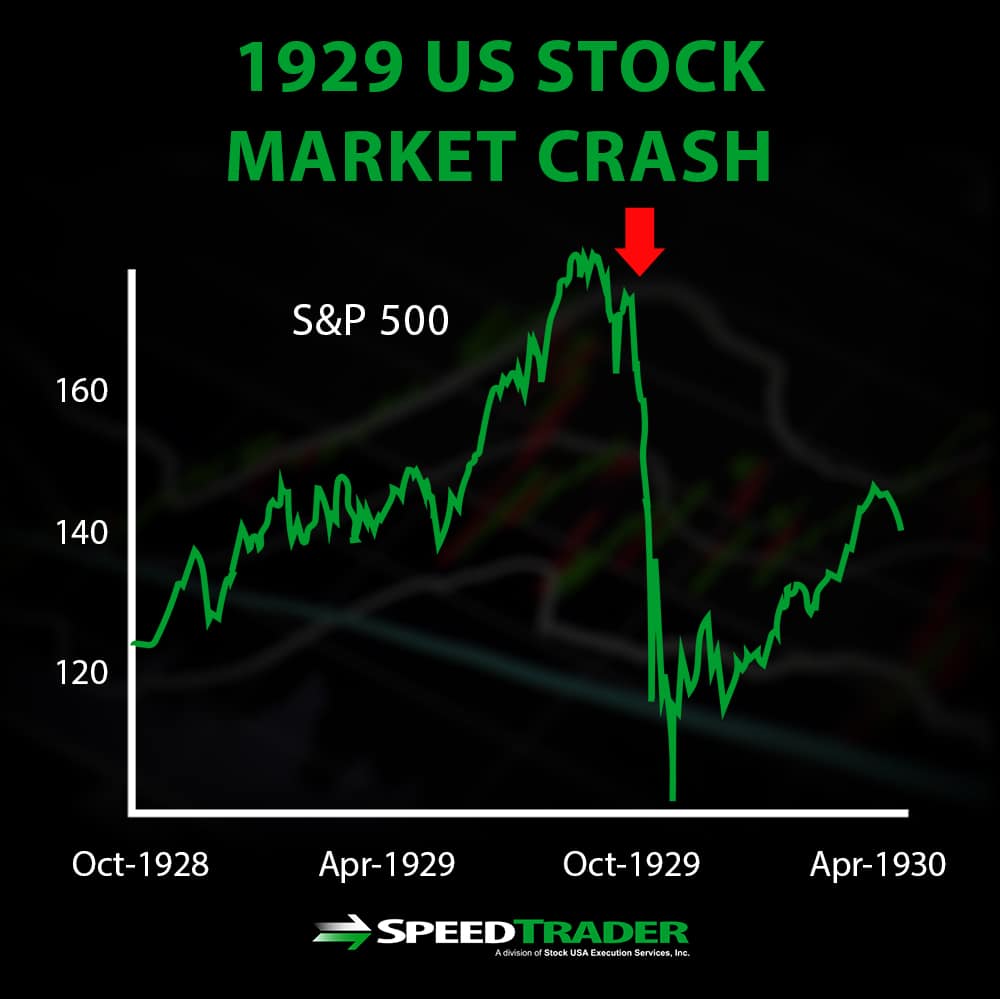
From the infamous Wall Street Crash of 1929, which ushered in the Great Depression, to Black Monday in 1987, the Dot-com Bubble burst in 2000, and the Global Financial Crisis of 2008, each event left its indelible mark. The COVID-19 induced market drop in early 2020 also demonstrated how quickly markets can react to unforeseen global events. Each crash had unique triggers and characteristics, but common threads include periods of excessive speculation, overvaluation, and a sudden shock that punctured investor confidence.
The aftermath of these crashes consistently shows that markets eventually recover and often reach new highs, reinforcing the importance of a long-term view and the inherent growth trajectory of economies. However, the recovery period can be lengthy and painful.

Building Resilience for Future Market Shocks
The lessons learned from past crashes have shaped modern financial regulation, monetary policy tools, and investment strategies. They underscore the need for vigilance against speculative bubbles, robust financial oversight, and diversified personal financial planning. For individuals, the key takeaway is to prepare for the inevitable market downturns by maintaining an emergency fund, diversifying investments, avoiding excessive leverage, and cultivating the emotional fortitude to stick to a well-thought-out investment plan through thick and thin.
In conclusion, a stock market crash is a formidable event with profound implications for investors, businesses, and the broader economy. While it brings significant challenges and uncertainty, it also serves as a critical stress test for financial systems and a powerful teacher for those willing to learn its lessons. By understanding its mechanisms, being prepared, and exercising discipline, investors can navigate these turbulent periods and emerge stronger on the other side.
aViewFromTheCave is a participant in the Amazon Services LLC Associates Program, an affiliate advertising program designed to provide a means for sites to earn advertising fees by advertising and linking to Amazon.com. Amazon, the Amazon logo, AmazonSupply, and the AmazonSupply logo are trademarks of Amazon.com, Inc. or its affiliates. As an Amazon Associate we earn affiliate commissions from qualifying purchases.