
In the dynamic world of personal finance, few concepts hold as much intrigue and potential as stock investment. For many, the stock market appears as a complex, intimidating entity, a realm reserved for financial wizards and seasoned professionals. However, at its core, stock investment is a straightforward principle: buying a small piece of a company with the expectation that its value will grow over time, thereby increasing your wealth. This foundational guide will demystify stock investment, explaining its mechanisms, benefits, risks, and how individuals can strategically navigate this powerful avenue for financial growth.
Understanding stock investment is crucial for anyone looking to build long-term wealth, combat inflation, and achieve financial independence. It’s not merely about buying shares; it’s about becoming a part-owner of businesses, participating in their successes, and leveraging the power of capital markets to reach your financial aspirations. From the burgeoning startup to the global conglomerate, companies rely on stock markets to raise capital, and in return, offer investors a share in their future prosperity. This article will break down the essentials, providing a clear, insightful, and engaging roadmap for understanding and participating in the stock market.
Understanding the Basics of Stock Investment
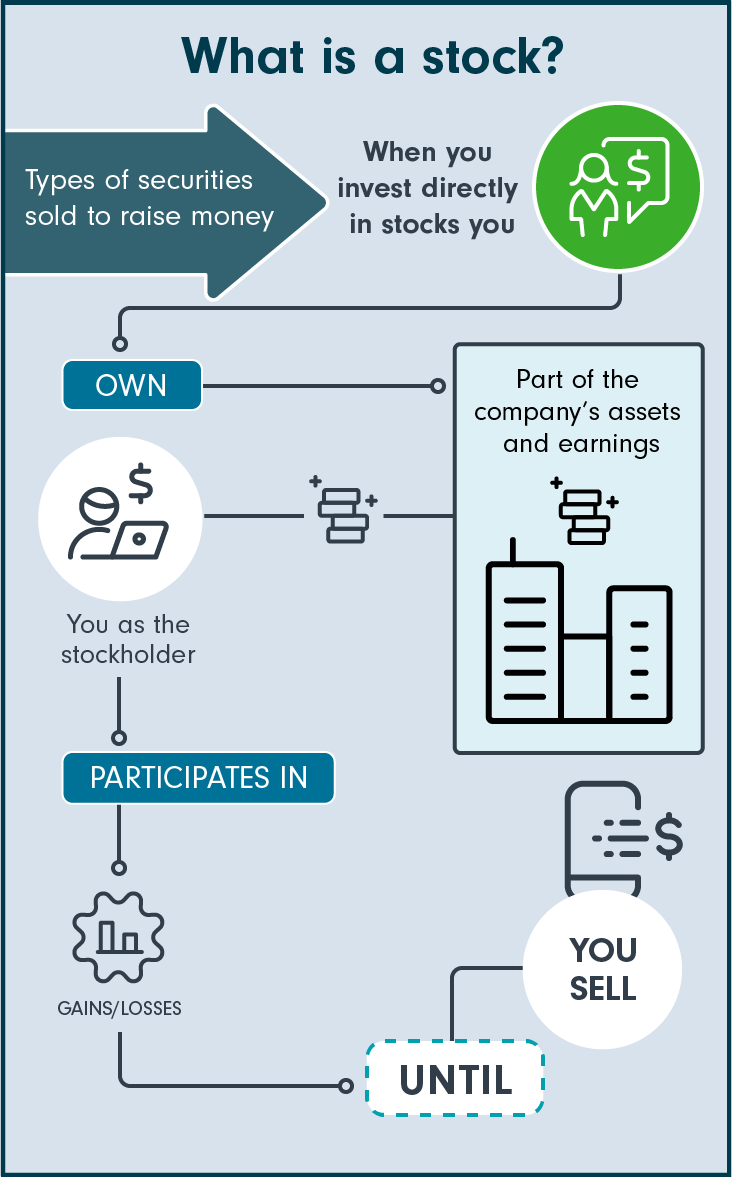
At the heart of stock investment lies the concept of equity ownership. When you buy a stock, you’re not just buying a piece of paper; you’re acquiring a fractional ownership in a company, giving you a claim on its assets and earnings.
What is a Stock?
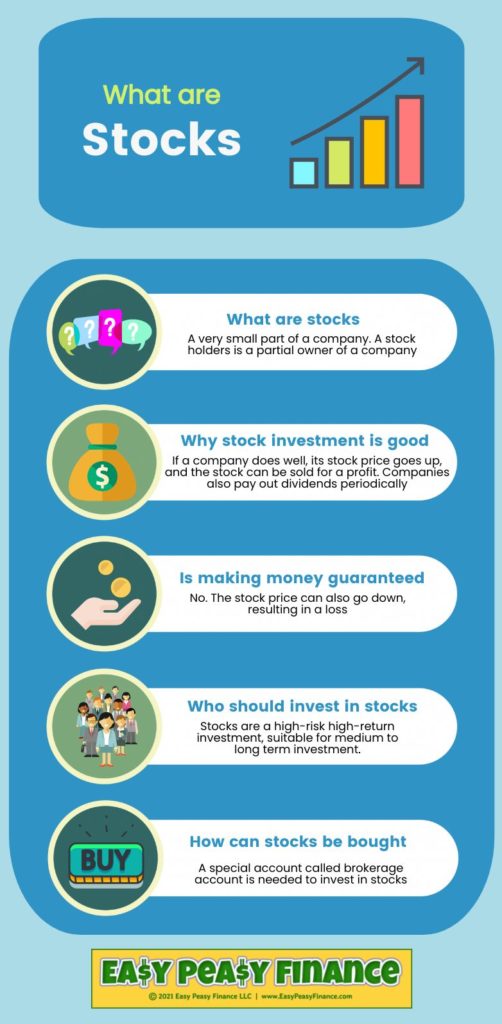
A stock, also known as equity, represents a share in the ownership of a company. When a company issues stock, it divides its ownership into many small units. These units are then sold to the public or private investors. By purchasing stock, you become a shareholder, meaning you own a tiny portion of that company. The number of shares you own relative to the total shares outstanding determines your percentage of ownership. For example, if a company has 1 million shares outstanding and you own 1,000 shares, you own 0.1% of that company. This ownership comes with certain rights, such as voting on corporate matters (in the case of common stock) and a claim on a portion of the company’s profits.
Why Do Companies Issue Stocks?
Companies primarily issue stocks to raise capital, which is money needed for various purposes such as expansion, research and development, paying off debt, or launching new products. This process is often referred to as “going public” through an Initial Public Offering (IPO). Instead of borrowing money from banks and incurring interest, companies can sell ownership stakes to investors. This allows them to fund their operations and growth without taking on debt. For investors, buying these stocks offers an opportunity to participate in the company’s potential future success and profit from its growth.
Common Stock vs. Preferred Stock
While all stocks represent ownership, there are two primary types: common stock and preferred stock, each with distinct characteristics and rights.
- Common Stock: This is the most prevalent type of stock. Common stockholders have voting rights in corporate decisions, such as electing the board of directors. They also have the potential for greater capital appreciation if the company performs well. However, in the event of liquidation, common stockholders are the last to receive payment after creditors and preferred stockholders. The value of common stock is highly sensitive to the company’s performance and market sentiment.
- Preferred Stock: Preferred stock typically does not carry voting rights but offers other advantages. Preferred stockholders usually receive fixed dividend payments before common stockholders do, and these dividends are often guaranteed. In the event of a company’s liquidation, preferred stockholders have a higher claim on assets than common stockholders. Because of their fixed dividends and priority in liquidation, preferred stocks are often considered less volatile than common stocks and are sometimes viewed as a hybrid between stocks and bonds.
The Mechanisms of Stock Market Trading
Understanding how stocks are bought and sold is crucial for any aspiring investor. The stock market is a vast, interconnected ecosystem designed to facilitate these transactions efficiently.
Stock Exchanges and Their Role
Stock exchanges are centralized marketplaces where buyers and sellers meet to trade stocks. They provide the infrastructure and regulations necessary for fair and orderly trading. Major stock exchanges globally include the New York Stock Exchange (NYSE), Nasdaq, London Stock Exchange (LSE), and Tokyo Stock Exchange (TSE), among many others. These exchanges operate like auctions, matching buy and sell orders. They play a critical role in determining the price of stocks based on supply and demand, ensuring transparency, and protecting investors through strict rules and oversight bodies like the Securities and Exchange Commission (SEC) in the U.S.
Brokers and Trading Platforms
Individual investors cannot directly buy and sell stocks on an exchange. Instead, they must go through a licensed intermediary called a broker. Brokers act on behalf of investors to execute trades. In today’s digital age, most individual investors use online brokerage platforms, which provide tools for research, account management, and trade execution. Examples include Charles Schwab, Fidelity, Vanguard, Robinhood, and E-Trade. When you place an order to buy or sell a stock through your brokerage account, the broker routes that order to the appropriate exchange, where it is matched with a corresponding order.
Market Orders vs. Limit Orders
When placing a trade, investors typically use one of two main order types:
- Market Order: A market order instructs your broker to buy or sell a stock immediately at the best available price. While it guarantees execution, it does not guarantee a specific price. In fast-moving markets, the executed price might be slightly different (higher for a buy, lower for a sell) from the price you saw when placing the order. Market orders are generally used when speed of execution is prioritized over a specific price.
- Limit Order: A limit order allows you to specify the maximum price you’re willing to pay for a stock (a buy limit order) or the minimum price you’re willing to accept when selling (a sell limit order). Your order will only be executed if the market price reaches your specified limit or a better price. Limit orders provide greater control over the price of your trade but do not guarantee execution. If the market never reaches your specified price, your order will not be filled.
Benefits and Risks of Stock Investment
Investing in stocks offers compelling advantages but also comes with inherent risks. A balanced understanding of both is essential for informed decision-making.
Potential for Capital Appreciation
One of the most attractive benefits of stock investment is the potential for capital appreciation. As a company grows, becomes more profitable, and expands its market share, the value of its stock typically increases. This increase in stock price allows investors to sell their shares at a higher price than they bought them, realizing a capital gain. Historically, over long periods, the stock market has delivered higher average returns compared to other asset classes like bonds or savings accounts, making it a powerful tool for wealth accumulation.
Dividend Income
Beyond capital appreciation, many companies distribute a portion of their profits to shareholders in the form of dividends. Dividends can be a significant source of regular income for investors, especially those focusing on income-generating strategies. Mature, profitable companies are often known for consistent dividend payments. Reinvesting these dividends can further compound returns over time, accelerating wealth growth through the magic of compound interest.
Inflation Hedge
Inflation erodes the purchasing power of money over time. Stocks, particularly those of strong, growing companies, can act as an effective hedge against inflation. As the cost of goods and services rises, companies with pricing power can pass those costs onto consumers, potentially increasing their revenues and profits. This, in turn, can lead to an increase in their stock prices, helping investors maintain or even grow their purchasing power in real terms.
Market Volatility and Loss of Principal
While the potential returns are high, so are the risks. Stock prices can be highly volatile, fluctuating significantly in response to company news, industry trends, economic indicators, and geopolitical events. There is no guarantee that a stock will increase in value; in fact, you could lose a significant portion, or even all, of your initial investment. Market downturns, often called “bear markets,” can see broad declines across many stocks, impacting even well-managed portfolios.
Company-Specific Risks
Beyond broad market risks, individual companies face specific challenges that can impact their stock price. These include poor management decisions, competitive pressures, technological obsolescence, regulatory changes, product failures, or accounting scandals. Even fundamentally strong companies can experience setbacks that lead to a decline in their stock value. Diversification – spreading investments across various companies and industries – is a crucial strategy to mitigate these company-specific risks.
Getting Started with Stock Investment
Embarking on your stock investment journey requires thoughtful planning and execution. Here’s a step-by-step guide to help you begin.
Define Your Financial Goals
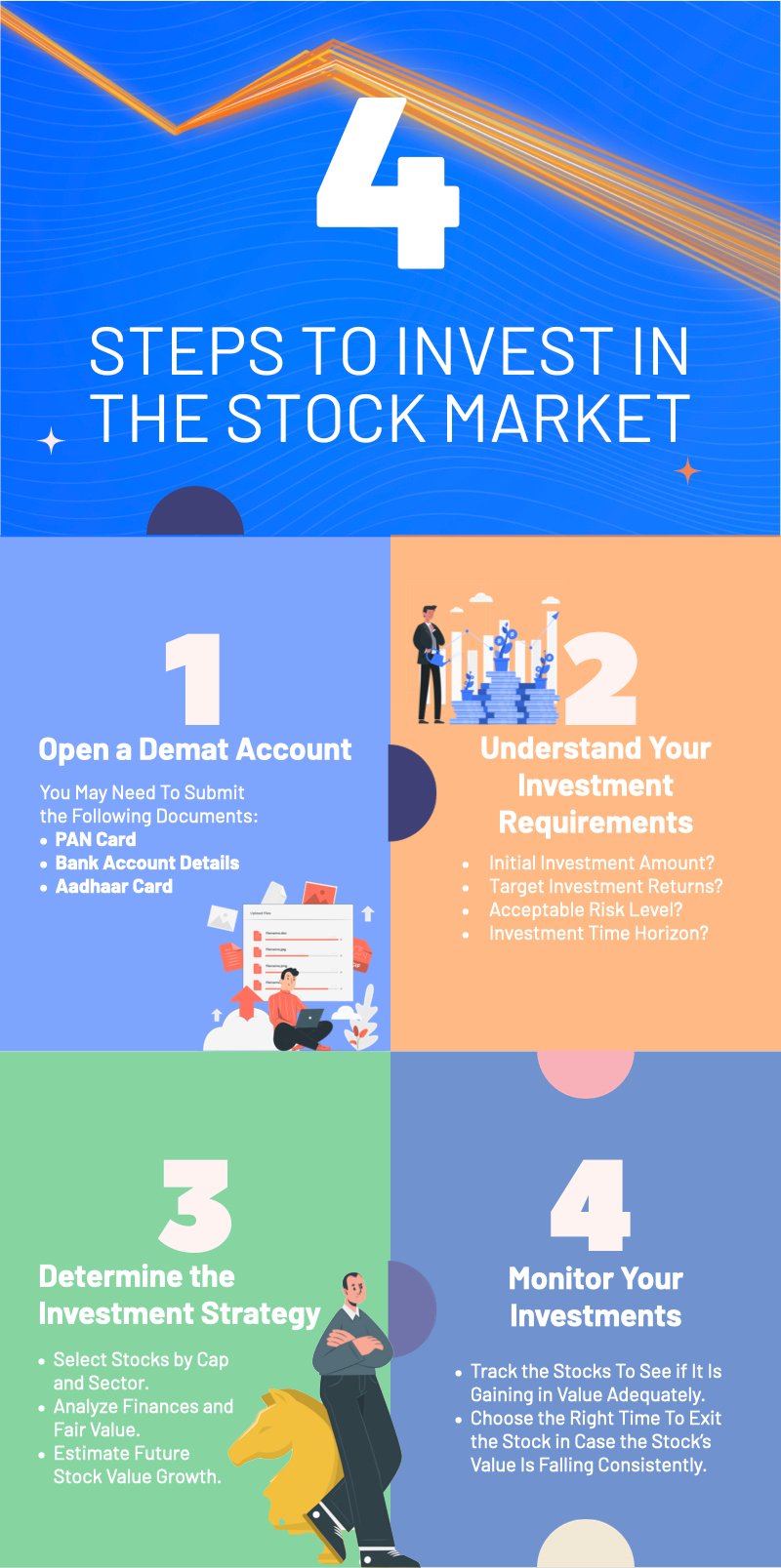
Before investing a single dollar, clarify why you are investing. Are you saving for retirement, a down payment on a house, your children’s education, or simply building wealth? Your goals will dictate your investment horizon (long-term vs. short-term), your risk tolerance, and the amount of money you need to invest. Having clear, measurable goals will help you stay disciplined and make appropriate investment decisions.
Choose a Brokerage Account
As mentioned, you need a brokerage account to buy and sell stocks. Research different online brokers, comparing their fees (commissions, account maintenance fees), available investment products, research tools, customer service, and minimum deposit requirements. Many reputable brokers offer commission-free trading for stocks and ETFs, making it more accessible for new investors. Look for a platform that aligns with your needs and comfort level.
Research and Due Diligence
Never invest in a company you don’t understand. Conduct thorough research before buying any stock. This involves examining the company’s financial statements (income statement, balance sheet, cash flow statement), understanding its business model, competitive landscape, management team, and future growth prospects. Read analyst reports, news articles, and the company’s annual reports (10-K filings for U.S. companies). Due diligence is paramount to making informed investment decisions and avoiding speculative bets.
Start with a Diversified Portfolio
For beginners, starting with a diversified portfolio is highly recommended. Instead of picking individual stocks, consider investing in exchange-traded funds (ETFs) or mutual funds that track broad market indices, such as the S&P 500. These funds automatically invest in a basket of many different stocks, providing instant diversification and reducing the risk associated with any single company. As you gain experience and confidence, you can gradually add individual stocks to your portfolio.
Key Investment Strategies and Considerations
Once you’re ready to invest, understanding different strategies can help you tailor your approach to your financial goals and risk tolerance.
Growth Investing
Growth investing focuses on companies that are expected to grow at an above-average rate compared to the overall market. These companies typically reinvest their earnings back into the business to fuel further expansion, rather than paying out dividends. Growth stocks often trade at higher price-to-earnings (P/E) ratios, reflecting investors’ expectations for future high growth. Examples include technology companies and emerging industries. Growth investing carries higher risk but also offers the potential for substantial returns.
Value Investing
Value investing involves identifying stocks that are trading below their intrinsic worth. Value investors seek out companies that the market has overlooked or undervalued due to temporary setbacks or negative sentiment. They look for strong companies with solid fundamentals, good management, and sustainable competitive advantages, but whose stock price doesn’t fully reflect these qualities. Famous value investors like Warren Buffett have demonstrated the long-term success of this patient, research-intensive strategy.
Income Investing (Dividend Stocks)
Income investing prioritizes generating regular income from investments, often through dividends. Investors pursuing this strategy focus on companies with a history of consistent dividend payments and strong cash flows. These often include mature companies in stable industries, such as utilities, consumer staples, and real estate investment trusts (REITs). While growth might be slower, the steady stream of dividends can provide a reliable income source or be reinvested to compound returns.
The Importance of Diversification
Diversification is perhaps the most critical principle in investing. It means spreading your investments across different asset classes, industries, geographic regions, and company sizes to reduce risk. The adage “don’t put all your eggs in one basket” perfectly encapsulates this concept. A diversified portfolio can cushion the blow if one particular investment performs poorly, as other investments may perform well. Diversification doesn’t eliminate risk entirely, but it significantly reduces the impact of any single negative event on your overall portfolio.
Long-Term vs. Short-Term Investing
- Long-Term Investing: This strategy involves holding investments for several years or even decades, aiming to benefit from compounding returns and ride out short-term market fluctuations. For most individual investors, especially those saving for retirement, a long-term approach is recommended. It allows time for investments to recover from downturns and for economic growth to translate into higher asset values.
- Short-Term Investing/Trading: This involves buying and selling stocks frequently, sometimes within hours or days, to profit from small price movements. Day trading and swing trading fall into this category. Short-term trading is highly speculative, requires significant time commitment, advanced knowledge, and is associated with extremely high risk. It is generally not recommended for novice investors.
In conclusion, stock investment is a powerful vehicle for building wealth and achieving financial goals. While it demands careful research, a clear understanding of market dynamics, and a tolerance for risk, the potential rewards make it an indispensable component of a well-rounded financial plan. By starting with the basics, setting clear goals, diversifying wisely, and committing to a long-term perspective, anyone can embark on a successful journey in the world of stock investment.
aViewFromTheCave is a participant in the Amazon Services LLC Associates Program, an affiliate advertising program designed to provide a means for sites to earn advertising fees by advertising and linking to Amazon.com. Amazon, the Amazon logo, AmazonSupply, and the AmazonSupply logo are trademarks of Amazon.com, Inc. or its affiliates. As an Amazon Associate we earn affiliate commissions from qualifying purchases.