
Embarking on the journey of stock market investing can feel like stepping into a complex labyrinth, filled with unfamiliar terminology, fluctuating numbers, and a myriad of strategies. Yet, it remains one of the most powerful avenues for wealth creation and financial independence. The good news is that learning about stocks is an accessible endeavor for anyone with dedication and the right resources. This guide will demystify the process, offering a structured approach to understanding, navigating, and ultimately thriving in the world of stock market investing. From foundational concepts to practical application and continuous learning, we’ll equip you with the insights needed to confidently build your investment knowledge.
Laying the Foundation: What Are Stocks and Why Invest?
Before diving into complex strategies, a solid understanding of the basics is paramount. Stocks are more than just numbers on a screen; they represent a fundamental economic concept central to capitalism.
Defining Stocks: A Slice of Ownership
At its core, a stock (also known as equity) signifies a fractional ownership in a company. When you buy a share of stock, you become a part-owner of that business. This ownership entitles you to a claim on the company’s assets and earnings, proportional to the number of shares you hold. Companies issue stocks to raise capital, which they then use to fund operations, expansion, or new projects. For investors, purchasing stocks offers a direct way to participate in the growth and profitability of these businesses.
Why Stocks Matter for Wealth Building
Stocks have historically outperformed most other asset classes over the long term, making them a cornerstone of many successful wealth-building strategies. Their appeal lies primarily in two potential avenues for returns:
- Capital Appreciation: If the company performs well, its value increases, and so does the value of its shares. Investors can profit by selling their shares at a higher price than they bought them.
- Dividends: Some companies distribute a portion of their profits to shareholders in the form of dividends, providing a regular income stream.
By investing in stocks, individuals can harness the power of economic growth and corporate innovation, allowing their capital to grow significantly over decades, often outpacing inflation and contributing substantially to retirement savings or other long-term financial goals.
Understanding Basic Terminology
Navigating the stock market requires familiarity with its unique lexicon. Here are a few essential terms to get you started:
- Share: A single unit of ownership in a company.
- Dividend: A payment made by a corporation to its shareholders, usually as a distribution of profits.
- Market Capitalization (Market Cap): The total value of a company’s outstanding shares, calculated by multiplying the current share price by the number of shares outstanding.
- IPO (Initial Public Offering): The first time a company offers its stock for sale to the general public.
- Bull Market: A market condition where prices are rising or are expected to rise.
- Bear Market: A market condition where prices are falling or are expected to fall.
- Brokerage Account: An investment account with a licensed brokerage firm that allows you to buy and sell stocks and other securities.
Leveraging Diverse Learning Resources
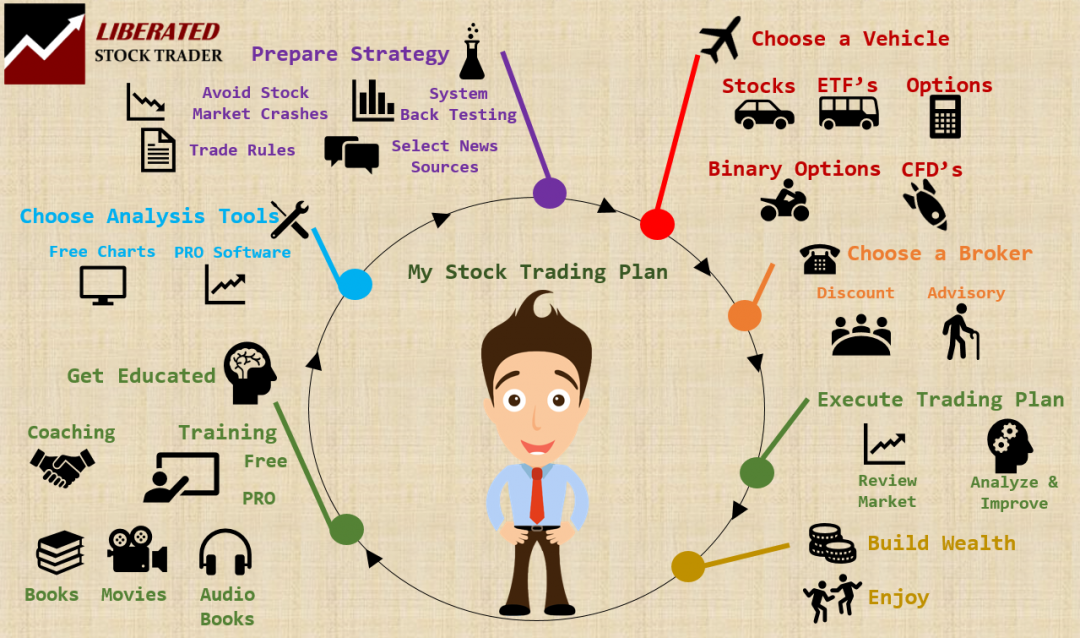
The abundance of information available today can be overwhelming, but it also means there’s a learning pathway for every preference. Combining various resources can provide a well-rounded education.
Books and Educational Literature
Books offer structured knowledge and often provide timeless wisdom from seasoned investors. Starting with classics can build a strong conceptual framework, while contemporary guides can update you on modern market dynamics.
- For Beginners: “The Intelligent Investor” by Benjamin Graham (though dense, it’s foundational), “A Random Walk Down Wall Street” by Burton Malkiel, and “Rich Dad Poor Dad” by Robert Kiyosaki (for mindset).
- For Practical Application: “One Up On Wall Street” by Peter Lynch and “Common Stocks and Uncommon Profits” by Philip Fisher.
These books teach not just what to invest in, but how to think about investing.
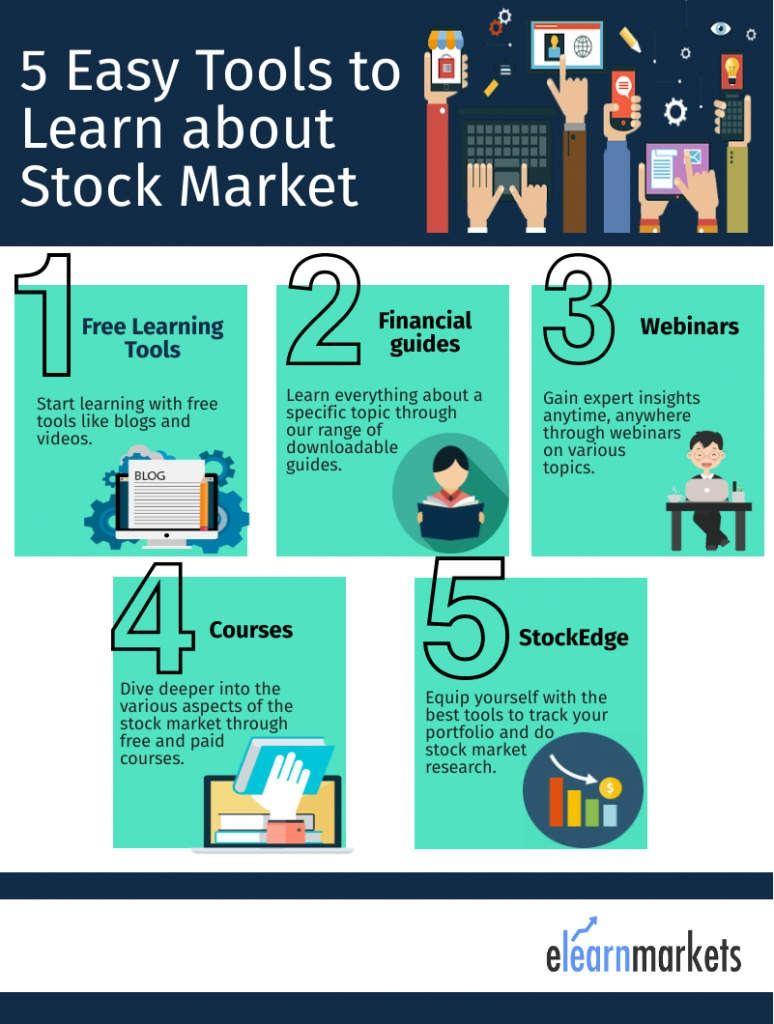
Online Courses and Platforms
The digital age has democratized education, offering flexible and often interactive learning experiences. Many reputable platforms provide courses tailored to different skill levels.
- MOOCs (Massive Open Online Courses): Platforms like Coursera, edX, and Udemy offer courses from universities and industry experts on finance, investing, and market analysis.
- Brokerage Resources: Most online brokerage firms (e.g., Fidelity, Charles Schwab, E*TRADE) provide extensive educational materials, tutorials, webinars, and articles for their clients, often free of charge. These are excellent for learning the practicalities of using their platforms and understanding market mechanics.
- YouTube Channels & Podcasts: Many financial educators offer free content. Always vet the credibility of the source.
Reputable Financial News and Websites
Staying informed about market trends, economic indicators, and company news is crucial. Rely on established, credible sources.
- News Outlets: The Wall Street Journal, Bloomberg, Financial Times, and Reuters provide in-depth financial reporting and analysis.
- Educational Websites: Investopedia is an invaluable resource for defining financial terms, explaining concepts, and offering practical guides. Sites like Morningstar provide independent research and analysis on funds and stocks.
- Company Filings: For serious investors, learning to read SEC filings (like 10-K annual reports and 10-Q quarterly reports) on the SEC EDGAR database is essential for understanding a company’s financial health directly from the source.
The Value of Mentors and Financial Advisors
While self-education is powerful, learning from experienced individuals can accelerate your progress and provide personalized insights.
- Mentors: If you know someone experienced in investing, seeking their guidance can offer practical advice and help you avoid common pitfalls.
- Financial Advisors: For those seeking tailored strategies and comprehensive financial planning, a certified financial planner (CFP) can be an excellent resource. They can help you define your financial goals, assess your risk tolerance, and build a diversified portfolio that aligns with your objectives. Ensure they are fiduciaries, meaning they are legally obligated to act in your best interest.
Practical Application: Learning by Doing
Theory alone is insufficient; practical experience solidifies understanding and builds confidence. Starting small and strategically engaging with the market is key.
Starting with Paper Trading or Simulations
Before committing real capital, practice with virtual money. Many brokerage platforms offer “paper trading” accounts that simulate live market conditions without actual financial risk. This allows you to:
- Experiment with different investment strategies.
- Get comfortable with the brokerage platform’s interface.
- Learn how to place orders, manage a portfolio, and track performance.
- Experience market volatility and psychological pressures without real consequences.
It’s an invaluable sandbox for trial and error.
Beginning with Small, Diversified Investments
Once you feel confident enough to invest real money, start small. You don’t need a large sum to begin. Many brokerages offer fractional shares, allowing you to buy portions of expensive stocks.
- Index Funds or ETFs: For beginners, exchange-traded funds (ETFs) or mutual funds that track broad market indices (like the S&P 500) are excellent starting points. They offer immediate diversification and typically lower risk than individual stocks, providing exposure to hundreds or thousands of companies at once.
- Small Individual Stock Positions: If you wish to pick individual stocks, start with a small number of shares in companies you understand and believe in. This approach helps you learn about company-specific research and the impact of individual company news.
How to Research and Analyze Companies
Successful stock picking requires diligent research. There are two primary approaches:
- Fundamental Analysis: This involves evaluating a company’s intrinsic value by examining its financial statements (income statement, balance sheet, cash flow statement), management quality, industry position, competitive advantages, and macroeconomic factors. The goal is to determine if the stock’s current price is above or below its true value.
- Technical Analysis: This approach involves evaluating investments by analyzing statistical trends gathered from trading activity, such as price movement and volume. Technical analysts look for patterns and signals in charts to predict future price movements. While often controversial, it’s a tool many traders use for short-term decisions.
For long-term investors, fundamental analysis is generally more critical.
Understanding Market Dynamics
The stock market is a dynamic entity influenced by a multitude of factors, from economic reports to geopolitical events.
- Bull vs. Bear Markets: Understanding these cycles is crucial. A bull market signifies optimism and rising prices, while a bear market indicates pessimism and falling prices. Learning to recognize these trends and adapt your strategy accordingly can protect capital and uncover opportunities.
- Economic Indicators: Keep an eye on key economic data like GDP growth, inflation rates, interest rates, and employment figures. These indicators significantly influence corporate earnings and investor sentiment.
Mastering Core Investment Principles
Beyond simply buying and selling, successful investing hinges on adhering to a few fundamental principles that protect capital and foster long-term growth.
The Imperative of Diversification
“Don’t put all your eggs in one basket” is perhaps the oldest and most vital investment adage. Diversification involves spreading your investments across various asset classes, industries, and geographies to minimize risk. If one investment performs poorly, others may compensate, cushioning the impact on your overall portfolio.
- Asset Allocation: Mix stocks with bonds, real estate, or other alternative assets.
- Sector Diversification: Don’t just invest in tech; spread across healthcare, consumer goods, financials, etc.
- Geographic Diversification: Consider international stocks to avoid over-reliance on a single economy.
Risk Management Strategies
Risk is inherent in investing, but it can be managed.
- Stop-Loss Orders: These are instructions to sell a security when it reaches a certain price, limiting potential losses.
- Position Sizing: Determine how much capital you’re willing to allocate to any single investment. Never risk more than a small percentage of your total portfolio on one stock.
- Research and Due Diligence: Thoroughly understanding your investments is the best defense against unforeseen risks.
The Power of Long-Term Investing
While the allure of quick profits is strong, true wealth in the stock market is most often built through a long-term perspective, leveraging the power of compounding.
- Compounding: This is the process where the returns you earn on your investments also earn returns, leading to exponential growth over time. Reinvesting dividends and letting your capital grow undisturbed for decades can lead to astonishing results.
- Ignoring Short-Term Noise: Resist the temptation to constantly check your portfolio or react to daily market fluctuations. Focus on the underlying business fundamentals and your long-term goals.
Emotional Discipline in Investing
Perhaps the most challenging aspect of investing is managing your own emotions. Fear and greed are powerful drivers that can lead to poor decisions.
- Avoid Panic Selling: During market downturns, fear can lead investors to sell at the worst possible time, locking in losses.
- Avoid FOMO (Fear of Missing Out): During market rallies, greed can push investors into speculative investments at inflated prices.
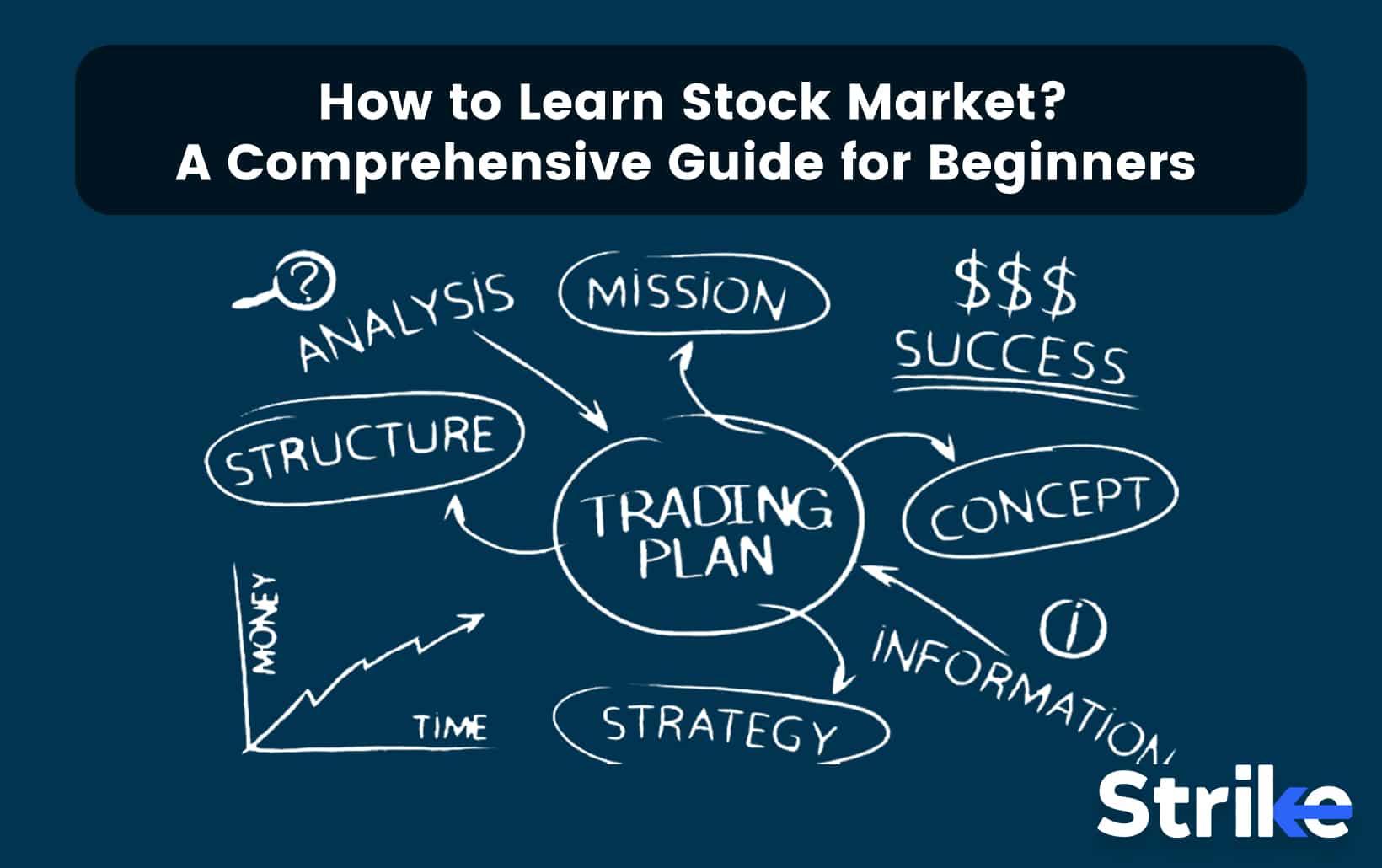
Develop a clear investment plan and stick to it, regardless of market sentiment. Rationality, patience, and discipline are your greatest assets.
Cultivating a Lifelong Learning Mindset
The financial world is constantly evolving. What works today might not work tomorrow, and new opportunities emerge regularly. Therefore, continuous learning is not optional; it’s essential.
Staying Current with Market News and Economic Trends
Regularly read financial news from diverse, reputable sources. Pay attention to economic data releases, central bank policies, technological advancements, and geopolitical events. These broader trends significantly impact individual companies and the overall market. Subscribe to newsletters, follow respected financial journalists, and participate in investing forums (with caution and critical thinking).
Reviewing and Adapting Your Investment Strategy
Your financial goals, risk tolerance, and market conditions can change over time.
- Periodic Review: Annually or bi-annually, review your portfolio’s performance, assess your asset allocation, and rebalance if necessary to bring it back in line with your target percentages.
- Strategy Evolution: As you gain experience, you might refine your investment philosophy or explore new strategies. Be open to adapting, but avoid chasing fads or making impulsive changes.
Learning from Both Successes and Setbacks
Every investment decision, whether profitable or not, offers a learning opportunity.
- Analyze Your Wins: Understand why an investment performed well. Was it due to good research, market trends, or sheer luck?
- Analyze Your Losses: Critically examine what went wrong. Was your initial analysis flawed? Did you miss a crucial piece of information? Did emotions play a role?
Keeping an investment journal can be incredibly helpful for tracking decisions and reflecting on outcomes, fostering a continuous loop of learning and improvement.
Learning about stocks is an ongoing process, not a destination. It demands curiosity, patience, and a commitment to continuous education. By starting with the fundamentals, leveraging diverse resources, gaining practical experience, adhering to core principles, and maintaining a lifelong learning mindset, you can build a robust understanding of the stock market and confidently navigate your path to financial success.
aViewFromTheCave is a participant in the Amazon Services LLC Associates Program, an affiliate advertising program designed to provide a means for sites to earn advertising fees by advertising and linking to Amazon.com. Amazon, the Amazon logo, AmazonSupply, and the AmazonSupply logo are trademarks of Amazon.com, Inc. or its affiliates. As an Amazon Associate we earn affiliate commissions from qualifying purchases.