
Spirit Halloween is more than just a store; it is a cultural phenomenon, a harbinger of autumn, and a masterclass in seasonal branding. For a few fleeting months each year, empty storefronts across North America transform into bustling emporiums of ghoulish delight, only to vanish as quickly as they appeared once Halloween passes. This transient nature, far from being a weakness, is the very core of Spirit Halloween’s powerful brand identity, turning scarcity into a strategic advantage and anticipation into a potent marketing tool.
At its heart, Spirit Halloween embodies a unique blend of retail agility and deep understanding of consumer psychology surrounding one of the year’s most celebrated holidays. It’s a brand built on nostalgia, fantasy, and the communal joy of dressing up and decorating. This article delves into the strategic branding behind Spirit Halloween’s enduring success, examining how a temporary business model has cultivated a permanent place in the cultural imagination and achieved remarkable market dominance in the Halloween retail sector.
The Ephemeral Empire: Spirit Halloween’s Core Brand Identity
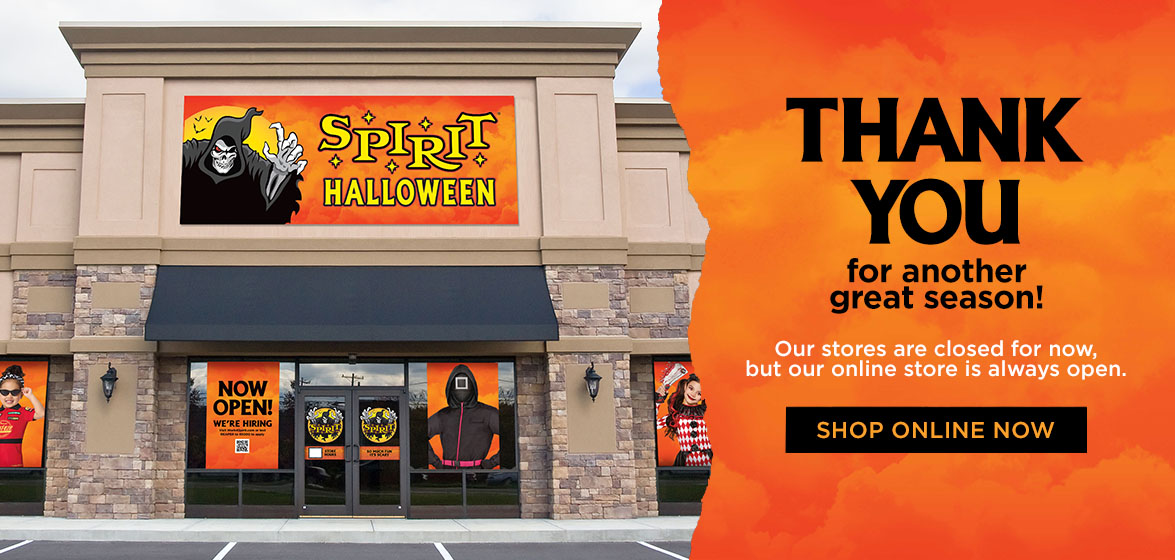
Spirit Halloween’s brand identity is meticulously crafted around its temporary existence and its singular focus on the Halloween experience. This limited-time availability creates a sense of urgency and excitement that permanent retailers struggle to replicate, making each annual appearance an event in itself.
A Legacy Forged in Liminal Spaces: The Origin and Growth of Spirit Halloween
Founded in 1983 in a San Francisco mall, Spirit Halloween began as a modest endeavor to capitalize on the growing popularity of Halloween. Over the decades, it evolved, eventually being acquired by Spencer Gifts in 1999. This acquisition was a pivotal moment, allowing Spirit Halloween to leverage Spencer Gifts’ extensive retail expertise and supply chain, scaling its operation dramatically. The brand’s origin story is one of opportunistic foresight, recognizing the untapped potential in dedicated Halloween retail. Its growth wasn’t about building conventional year-round stores, but about perfecting the art of the pop-up – a strategy that would become synonymous with its brand. From a handful of locations, it expanded to over 1,400 stores annually, becoming the undisputed leader in the Halloween specialty retail space. This growth trajectory is a testament to the power of a highly focused brand vision coupled with an agile operational model, cementing Spirit Halloween’s identity as the ultimate, albeit temporary, destination for all things spooky.
The Pop-Up Paradox: Scarcity, Urgency, and Brand Excitement
The essence of Spirit Halloween’s branding lies in its paradoxical pop-up model. By definition, a pop-up is temporary, suggesting fragility or impermanence. Yet, for Spirit Halloween, this transience is its greatest strength, fostering a robust and highly anticipated brand image. The annual appearance of Spirit Halloween stores signals the unofficial start of the Halloween season, building immense excitement and urgency. Consumers know they have a limited window to explore the offerings, which drives foot traffic and conversion. This scarcity principle is a powerful psychological tool: knowing something won’t be around forever makes it more desirable. The brand consciously leverages this by taking over vacant retail spaces, often in highly visible locations, creating a dramatic transformation that captures attention. The sudden appearance and eventual disappearance of its stores become part of its annual marketing ritual, making the brand feel special, exclusive, and truly seasonal, rather than just another year-round retail chain. This strategic impermanence is a masterclass in making a temporary presence yield lasting brand impact.
Beyond Costumes: Curating the Halloween Experience
While costumes are undoubtedly a major draw, Spirit Halloween has successfully branded itself as the ultimate curator of the entire Halloween experience, transcending mere product sales. The brand understands that Halloween is a holiday of immersion, transformation, and celebration. Consequently, its product assortment goes far beyond outfits, encompassing elaborate decorations, animatronics, party supplies, and accessories for every imaginable theme. The stores themselves are designed to be immersive experiences, often dimly lit, adorned with theatrical displays, and featuring creepy soundscapes. This sensory branding transforms a shopping trip into an adventure, allowing customers to fully inhabit the spirit of Halloween even before the holiday arrives. By offering a comprehensive range of products that cater to every facet of the holiday – from family-friendly fun to genuinely terrifying setups – Spirit Halloween positions its brand as the authoritative source for bringing Halloween visions to life. It’s not just selling items; it’s selling the complete Halloween dream, making the brand indispensable to enthusiasts.
Crafting the Brand Narrative: Marketing and Customer Engagement
Spirit Halloween’s marketing strategy is brilliantly aligned with its pop-up model, transforming its very operation into a powerful brand narrative that engages customers long before doors even open.
Anticipation as a Marketing Tool: Leveraging the “Empty Store” Phenomenon
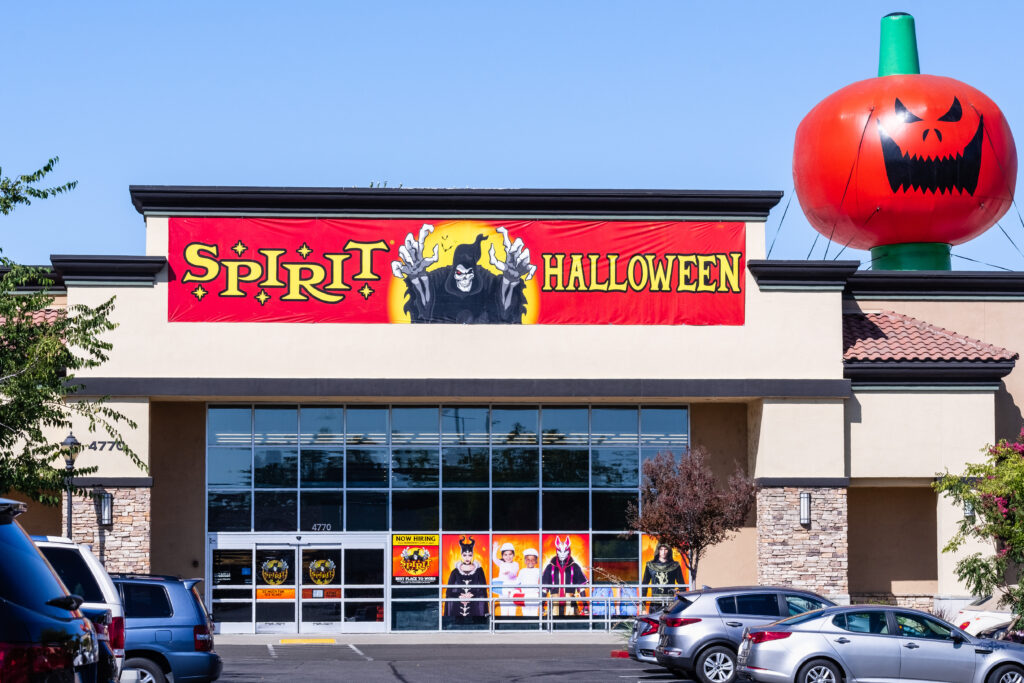
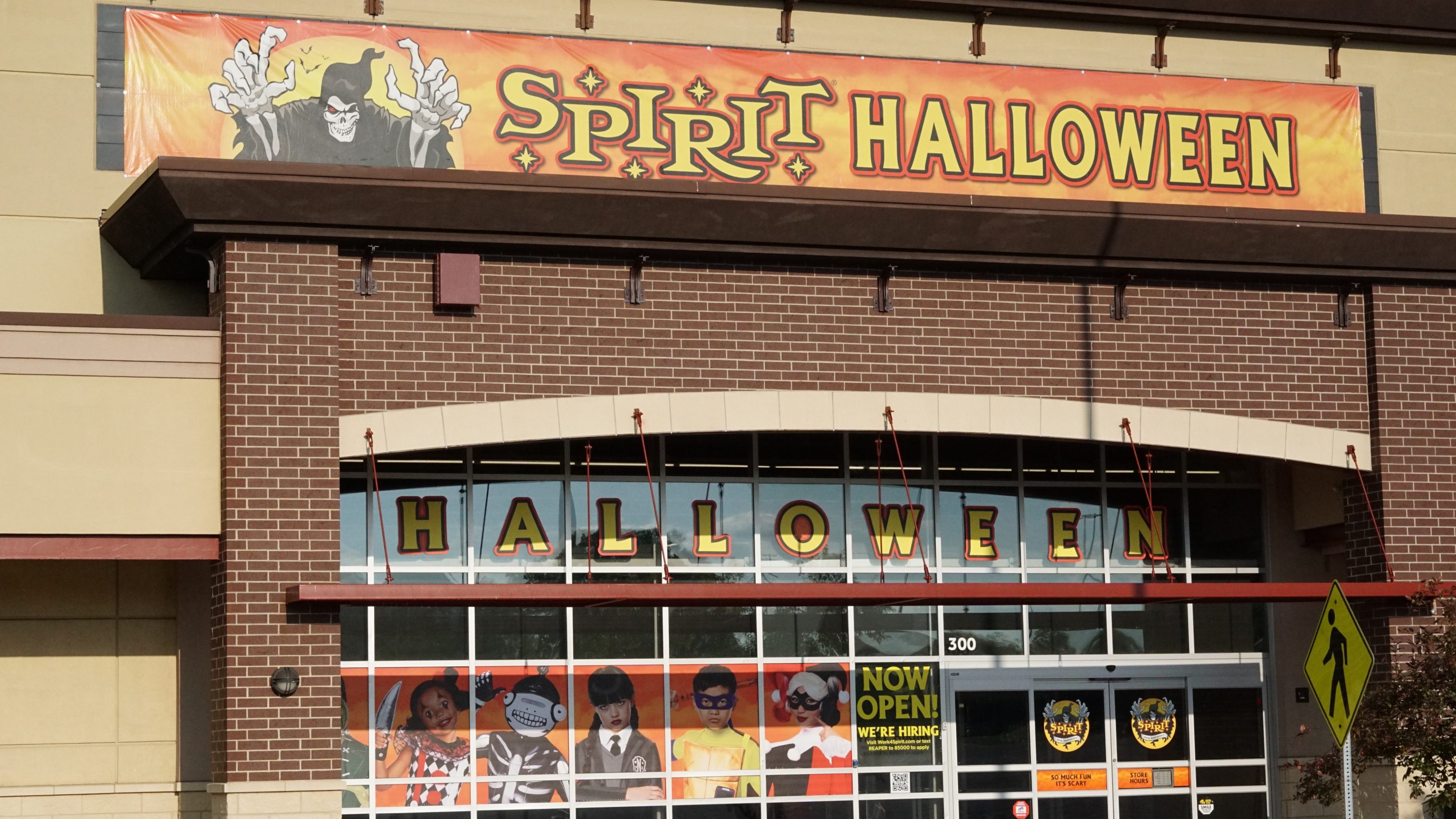
One of the most effective and organic marketing tools Spirit Halloween possesses is the transformation of its physical locations. When a “Spirit Halloween” banner appears on a previously vacant storefront, often weeks before the store is ready to open, it generates immediate buzz. This “empty store” phenomenon acts as a highly visible, community-level billboard, signaling the impending arrival of the Halloween season. Social media lights up with sightings, discussions, and expressions of excitement, turning what would typically be a logistical operation into a viral marketing campaign. People share photos, speculate on opening dates, and plan their visits. This anticipation is deliberately cultivated; the brand doesn’t just open its doors quietly. It makes its presence known dramatically, creating a sense of collective excitement and shared ritual. This strategy is cost-effective and remarkably potent, tapping into the communal joy and anticipation associated with seasonal traditions. The brand doesn’t just sell costumes; it sells the feeling of Halloween anticipation itself.
In-Store Immersion: Sensory Branding and Thematic Design
The moment a customer steps into a Spirit Halloween store, they are enveloped in an experience carefully designed to reinforce the brand’s identity as the ultimate Halloween destination. This is sensory branding at its finest. The lighting is often low, creating an eerie ambiance. The air might carry a distinct, slightly musty smell reminiscent of old attics or haunted houses. The stores are filled with an array of sound effects – cackles, thunder, spooky music – that create an immersive atmosphere. The product displays are not merely functional; they are elaborate theatrical sets, showcasing animatronics in motion, dimly lit corridors of masks, and themed sections for different horror genres or costume categories. This thematic design transforms a shopping trip into an exploration, a mini-haunted house experience. The brand understands that the journey is as important as the purchase. By creating such a rich, multisensory environment, Spirit Halloween reinforces its promise of delivering the Halloween spirit, making the act of shopping a memorable and engaging part of the holiday celebration itself.
From Niche to Mainstream: Broadening Appeal While Retaining Authenticity
Spirit Halloween’s success lies in its ability to cater to a broad audience – from young children and families to serious horror enthusiasts and adult party-goers – while maintaining its authentic, Halloween-centric brand identity. Initially perceived as a niche retailer for dedicated Halloween lovers, the brand has shrewdly expanded its appeal. It offers a wide range of licensed costumes from popular movies, TV shows, and video games, tapping into current pop culture trends. Simultaneously, it continues to provide classic costumes, horror-themed decor, and professional-grade makeup, satisfying its core demographic. This balance is crucial for brand longevity. Spirit Halloween avoids diluting its core spooky identity by ensuring that even its most mainstream offerings are presented within the immersive Halloween framework. It’s about being accessible without becoming generic, and relevant without sacrificing its unique flair. This strategic broadening of appeal has allowed the brand to capture a significant market share, proving that a highly specialized brand can achieve mainstream success by understanding and evolving with its diverse consumer base.
The Strategic Brilliance: Operational Branding and Market Dominance
Spirit Halloween’s branding success is not just about marketing; it’s deeply interwoven with its operational strategy, particularly its mastery of seasonal logistics and real estate.
Agile Footprint, Massive Impact: Real Estate as a Brand Play
One of the most striking elements of Spirit Halloween’s operational branding is its real estate strategy. The brand primarily leases vacant retail spaces, often former big-box stores, for short-term periods. This agile footprint minimizes overhead costs, but more importantly, it becomes a powerful brand statement. The transformation of a derelict space into a vibrant, spooky spectacle is part of the annual “magic” of Spirit Halloween. It suggests resourcefulness and ingenuity, reinforcing its transient, almost mystical, presence. This strategy allows the brand to be highly flexible, appearing in high-traffic areas and adapting its number of locations based on market conditions and available spaces. Each new location, often a familiar but empty building, is imbued with new life and purpose, becoming a temporary monument to Halloween. This real estate model is not merely pragmatic; it’s a fundamental pillar of its corporate identity, communicating efficiency, adaptability, and an almost guerrilla-style market penetration that makes the brand feel ubiquitous during its season.
Supply Chain Synchronization: Branding Through Product Availability
For a seasonal pop-up retailer, an efficient and synchronized supply chain is not just an operational necessity; it’s a key component of its brand promise. Spirit Halloween’s brand relies on having the latest, most sought-after costumes and decorations available precisely when consumers are ready to buy. This requires impeccable timing in sourcing, manufacturing, shipping, and distribution to thousands of temporary locations within a tight window. Any significant delays or stock-outs could severely damage the brand’s reputation for being the go-to Halloween expert. The brand’s ability to consistently deliver a vast and diverse inventory – from niche horror masks to trending character costumes – underpins its authority and reliability in the market. It means that when customers excitedly walk into a Spirit Halloween store, they are met with a cornucopia of options, reinforcing the brand’s image as the definitive destination. This operational excellence in supply chain management translates directly into a strong brand image of dependability and comprehensive selection, crucial for a business with such a limited selling season.
Cultivating Brand Loyalty in a Temporary Business
Building brand loyalty for a business that disappears for eight months of the year is a unique challenge, yet Spirit Halloween has largely succeeded. It achieves this through consistent positive experiences, a strong emotional connection, and strategic marketing initiatives. Each year, customers know they can count on Spirit Halloween to deliver the goods, fostering trust and repeat visitation. The brand cultivates an emotional connection by tapping into the nostalgia and excitement of Halloween – it’s a brand associated with happy memories, creativity, and community. Furthermore, Spirit Halloween leverages its online presence year-round, maintaining brand visibility through e-commerce and social media engagement, which allows enthusiasts to connect and shop even outside the physical store season. Its “Spirit of Children” charity initiative, which raises funds for children’s hospitals, also creates a positive brand association, aligning the fun of Halloween with a meaningful cause. By consistently delivering on its promise of an immersive Halloween experience and building an emotional rapport, Spirit Halloween has managed to transform its temporary customers into loyal brand advocates.
Future Horizons: Evolving the Spirit Halloween Brand
As retail landscapes shift and consumer behaviors evolve, Spirit Halloween, despite its established model, continues to adapt and innovate to maintain its brand relevance and market dominance.
Digital Integration and Omni-Channel Branding
While its physical pop-up stores are iconic, Spirit Halloween has increasingly focused on digital integration to extend its brand reach beyond its seasonal brick-and-mortar presence. Its e-commerce platform serves as a year-round hub for Halloween enthusiasts, allowing them to browse, plan, and purchase items long before the physical stores open, or to find items that might be out of stock locally. This omni-channel approach ensures that the brand is accessible whenever and wherever customers choose to engage. Social media plays a crucial role in maintaining brand visibility and engagement throughout the year, fostering a community of Halloween lovers. Spirit Halloween actively uses platforms like Instagram, TikTok, and Facebook to showcase new products, share costume ideas, run contests, and amplify the anticipation for its annual return. This digital strategy ensures that the Spirit Halloween brand remains top-of-mind, seamlessly blending the ephemeral physical experience with a continuous digital presence.
Facing Competition and Market Shifts
The Halloween retail market is not without its competitors. Big-box retailers, online marketplaces, and even local costume shops vie for consumer dollars. Spirit Halloween maintains its competitive edge by continuously reinforcing its brand as the definitive, most comprehensive source for Halloween. It achieves this by focusing on product breadth, depth, and the immersive in-store experience that general retailers often cannot replicate. The brand must also adapt to changing consumer preferences, such as the growing demand for sustainable products, inclusive sizing, and diverse costume options. Its agility in sourcing and merchandising allows it to quickly respond to these shifts, ensuring its brand remains relevant and appealing. The brand’s ability to quickly pivot to trending themes and characters, while also offering timeless classics, is key to staying ahead in a fast-paced market.
The Enduring Allure: Why the Brand Persists
Spirit Halloween’s enduring success is a testament to a brilliantly executed brand strategy that has turned a perceived limitation (its temporary nature) into its greatest asset. It’s a brand that has mastered the art of creating anticipation, delivering an immersive experience, and fostering emotional connections with its audience. Its distinct corporate identity, agile operational model, and ingenious marketing tactics combine to make it more than just a seasonal retailer; it’s an annual tradition, a cultural touchstone, and an eagerly awaited signifier of the Halloween season. As long as the spirit of Halloween lives, the Spirit Halloween brand will continue to materialize, delight, and disappear, leaving behind a trail of spooky memories and anticipation for its next grand return. Its ability to evoke wonder, excitement, and a sense of collective celebration ensures its place as a quintessential part of the holiday landscape, year after ephemeral year.
aViewFromTheCave is a participant in the Amazon Services LLC Associates Program, an affiliate advertising program designed to provide a means for sites to earn advertising fees by advertising and linking to Amazon.com. Amazon, the Amazon logo, AmazonSupply, and the AmazonSupply logo are trademarks of Amazon.com, Inc. or its affiliates. As an Amazon Associate we earn affiliate commissions from qualifying purchases.