
In the ever-evolving landscape of digital technology, the ability to instantly identify a song playing around you was once considered science fiction. Today, it’s a ubiquitous feature, largely thanks to pioneering applications like SoundHound. At its core, SoundHound is a revolutionary audio recognition technology and a sophisticated AI-driven platform that empowers users to discover music, navigate the world with voice, and interact with digital content in unprecedented ways. More than just a song identification app, SoundHound represents a significant leap in how humans interface with technology through sound and voice, embedding intelligence directly into our daily auditory experiences.
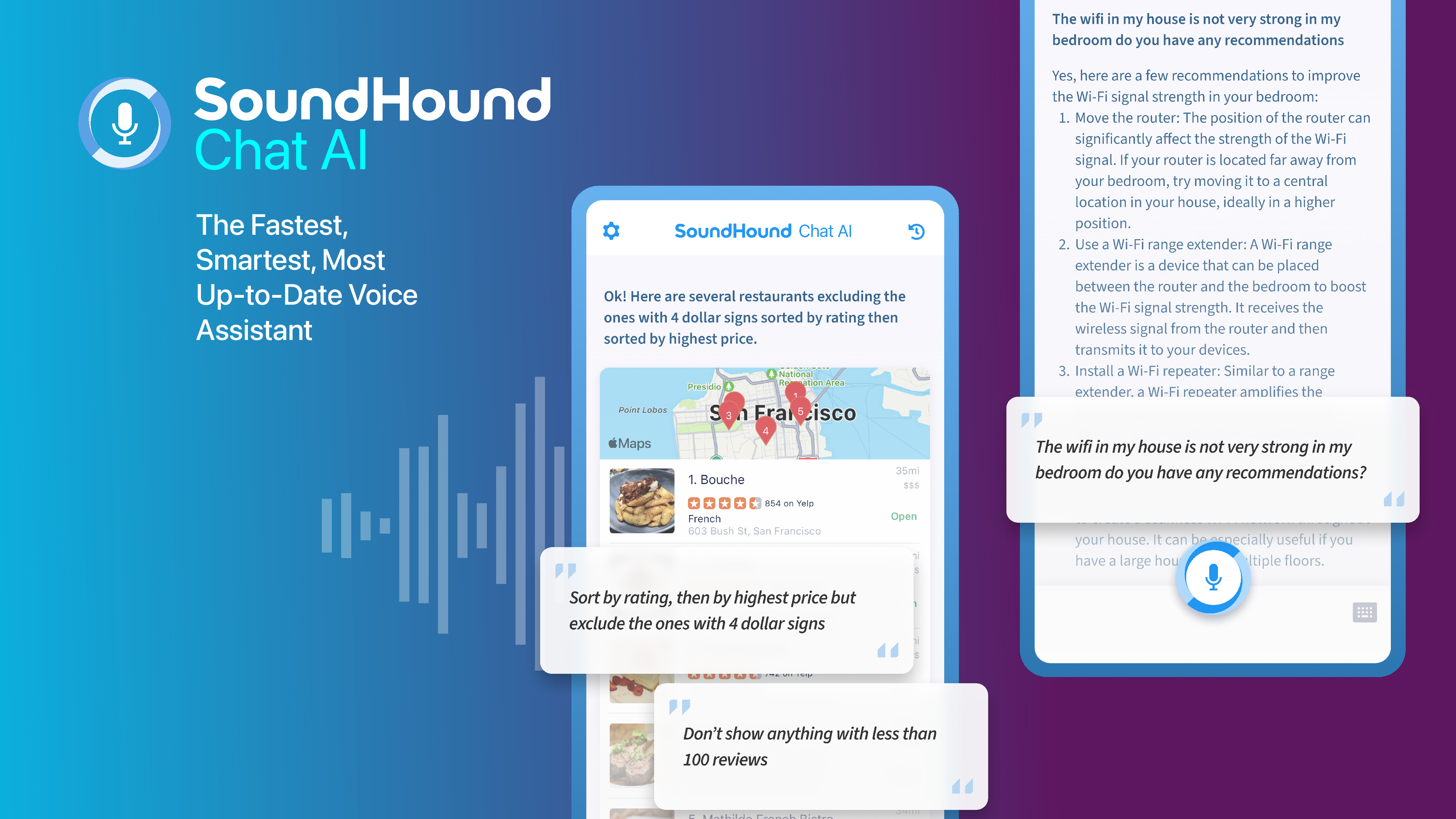
This article delves into SoundHound’s technological underpinnings, its expansive feature set, its journey through the competitive tech arena, and its ambitious trajectory into the future of voice AI. It is a testament to the power of advanced algorithms and artificial intelligence in transforming passive listening into active discovery and interaction, marking SoundHound as a pivotal player in the realm of modern digital technology.
The Core Technology Behind Music Discovery
SoundHound’s ability to identify music with remarkable speed and accuracy is not magic but the result of decades of research and development in sophisticated audio processing and artificial intelligence. Its foundation lies in intricate algorithms designed to parse, analyze, and match audio patterns, even under challenging conditions.
From Acoustic Fingerprinting to AI
The journey of music recognition technology began with the concept of “acoustic fingerprinting.” Unlike traditional audio identifiers that rely on metadata embedded in a file, acoustic fingerprinting creates a unique, compact digital summary of an audio passage based on its intrinsic sound characteristics. Imagine distilling the complex waveform of a song into a distinct mathematical signature. SoundHound, initially under its predecessor Midomi, built upon this principle, developing a proprietary engine capable of not just identifying recorded music but also recognizing sung or hummed melodies.
Over time, this foundational technology has been significantly enhanced by advancements in artificial intelligence and machine learning. Today, SoundHound leverages deep learning models to improve recognition accuracy, speed, and robustness across diverse audio environments. These AI models are trained on vast datasets of music, enabling them to discern subtle patterns, filter out noise, and effectively match even partial or distorted audio inputs. This shift from pure signal processing to AI-augmented recognition has been crucial in maintaining SoundHound’s edge.
The SoundHound Algorithm: How it Works
At the heart of SoundHound’s operation is a multi-stage recognition algorithm. When a user activates the app to identify a song, the device’s microphone captures a short segment of audio. This audio clip is then immediately processed through several layers:
- Preprocessing: The raw audio signal is cleaned to reduce background noise, normalize volume levels, and isolate the relevant musical components.
- Feature Extraction: The cleaned audio is then analyzed to extract specific acoustic features, such as pitch, rhythm, timbre, and harmonic content. These features are translated into a compact digital “fingerprint.”
- Database Matching: This digital fingerprint is then rapidly compared against a massive database of millions of songs, each with its own pre-computed acoustic fingerprint. The matching algorithm is highly optimized for speed and resilience, allowing it to find exact or near-exact matches even if the input audio is imperfect.
- Confidence Scoring: The system calculates a confidence score for potential matches. If a match exceeds a certain threshold, the song information (artist, title, album) is presented to the user.
This entire process typically takes mere seconds, providing a seamless and almost instantaneous discovery experience for the user. The efficiency of this algorithm, combined with a continually expanding music database, is what makes SoundHound a powerful tool for music identification.
Real-time Recognition vs. Humming Capabilities
One of SoundHound’s early differentiators and a testament to its advanced algorithm was its ability to identify music not just from external sources but also from a user’s own singing or humming. While other early identifiers required pristine, recorded audio, SoundHound’s technology could interpret human vocalizations – often imperfect and off-key – and match them to recorded songs.
This “hum-to-search” capability is a more complex task than real-time recognition of recorded music. It involves sophisticated pitch detection and melodic contour analysis, essentially translating a human’s vocal interpretation into a musical query that can then be compared against the acoustic fingerprints of recorded tracks. This functionality demonstrated the depth of SoundHound’s audio analysis capabilities and provided a unique, highly engaging way for users to discover songs they had in their head but couldn’t name. It significantly broadened the scope of music discovery beyond just environmental listening.
Beyond Song Identification: Key Features and User Experience
While song identification is SoundHound’s foundational strength, the platform has evolved into a comprehensive music discovery and voice interaction hub, integrating a wide array of features that enhance the user experience and extend its utility far beyond a simple “what’s that song?” query.
Voice-Activated Search and Discovery
SoundHound spearheaded the integration of sophisticated voice AI into its application long before voice assistants became commonplace. Users can speak naturally to SoundHound, asking it to identify songs, play music, or even search for specific artists or genres. This conversational interface, powered by SoundHound’s proprietary Houndify AI platform, offers a more intuitive and hands-free way to interact with music.
The voice-activated search extends beyond just identification; it allows users to delve deeper into the music catalog. For example, a user could ask, “What was the top song in 1985?” or “Show me songs by Queen,” and SoundHound would provide relevant results. This capability transforms the app from a reactive identifier into a proactive discovery engine, making it a powerful tool for exploring music history and personal preferences through natural language commands.
Live Lyrics and Integrated Content
Once a song is identified, SoundHound doesn’t stop there. It provides a rich tapestry of supplementary information designed to deepen the user’s connection with the music. A standout feature is “LiveLyrics,” which displays lyrics in sync with the song as it plays. This immersive experience is invaluable for karaoke enthusiasts, language learners, or anyone who wants to fully grasp the words of their favorite tracks. The real-time synchronization is a technological feat, requiring precise timing and database management to align text with audio playback.
Beyond lyrics, SoundHound typically offers a wealth of additional content, including artist biographies, discographies, album art, release dates, and links to watch music videos. This integrated approach turns a simple song identification into an educational and engaging multimedia experience, providing context and depth to every discovery.
Ecosystem Integration: Streaming Services and Smart Devices

Recognizing that users consume music through various platforms, SoundHound has strategically integrated with popular streaming services like Spotify, Apple Music, YouTube, and others. After identifying a song, the app often provides direct links to listen to the full track on a user’s preferred service. This seamless hand-off enhances convenience and ensures that discovered music can be immediately enjoyed and added to personal libraries.
Furthermore, SoundHound’s underlying AI, Houndify, powers voice assistants and smart devices across a range of categories. This extends SoundHound’s reach beyond its mobile app, embedding its intelligence into cars, smart home devices, and other IoT (Internet of Things) gadgets. This broader ecosystem integration underscores SoundHound’s ambition to be a foundational voice AI technology, not just a standalone music app.
SoundHound’s Evolution and Market Position
SoundHound’s journey is a compelling narrative of technological innovation, strategic adaptation, and navigating a competitive market landscape. From its early days as a pioneering music recognition service to its current position as a multifaceted voice AI platform, its evolution reflects significant shifts in the tech industry.
A Legacy of Innovation: Midomi to SoundHound
The origins of SoundHound trace back to Midomi, a music search engine launched in 2005. Midomi was groundbreaking for its ability to allow users to sing or hum into a microphone to identify songs, a feature that was revolutionary at the time. This core technology, developed by SoundHound Inc. (then known as Midomi Inc.), laid the groundwork for what would eventually become the SoundHound app.
In 2009, the company rebranded its mobile application as SoundHound, focusing on real-time music identification and discovery. This strategic move capitalized on the burgeoning smartphone market and the increasing demand for instant information. SoundHound consistently pushed the boundaries of audio recognition, adding features like voice search, live lyrics, and deeper content integration, establishing itself as a leader in the field and setting high benchmarks for competitors. This continuous innovation cemented its reputation as a technology-first company dedicated to enhancing auditory interaction.
Navigating the Competitive Landscape (e.g., Shazam)
SoundHound has operated in a highly competitive market, most notably alongside Shazam, another prominent music recognition app. While both offer similar core functionalities, they have historically differentiated themselves through various technological and feature-based approaches. SoundHound often emphasized its “hum-to-search” capability and more robust voice AI (Houndify) as key differentiators.
The competitive pressure spurred both companies to innovate rapidly, leading to advancements in recognition speed, accuracy, and the integration of value-added features. SoundHound’s focus on building a comprehensive voice AI platform through Houndify also set it apart, positioning it not just as a music app but as a foundational technology provider for intelligent assistants across various industries. This strategic pivot allowed SoundHound to diversify its revenue streams and reduce reliance on a single product, leveraging its core audio AI expertise more broadly.
Expanding Horizons: Voice AI and SoundHound for Developers
Recognizing the immense potential of its underlying voice AI technology, SoundHound Inc. made a strategic decision to open up its platform to developers. Through its Houndify platform, companies and developers can integrate SoundHound’s advanced conversational AI capabilities into their own products and services. This includes not just music recognition but also sophisticated natural language understanding (NLU), speech-to-meaning technology, and a vast domain knowledge base.
Houndify allows developers to create custom voice assistants and interactive experiences for a wide range of applications, from smart home devices and automotive infotainment systems to customer service bots and enterprise solutions. This “AI-as-a-service” model represents a significant expansion of SoundHound’s market presence, shifting it from solely a consumer app provider to a critical infrastructure provider in the burgeoning voice AI economy. This move showcases SoundHound’s ambition to power the next generation of voice-enabled products and services globally.
The Future of SoundHound: Shaping Voice AI and Audio Interaction
SoundHound’s journey from a niche music identifier to a comprehensive voice AI platform positions it at the forefront of several transformative technological trends. Its future trajectory is firmly rooted in the continued development and deployment of sophisticated artificial intelligence, with a particular emphasis on natural language processing and intelligent audio interaction.
Advancements in Conversational AI
The future of SoundHound is intrinsically linked to the evolution of conversational AI. The company is continuously investing in refining its natural language understanding (NLU) and speech-to-meaning capabilities, aiming to make human-computer interactions feel even more natural and intuitive. This includes improving context awareness, enabling multi-turn conversations, and supporting a wider array of languages and accents with higher accuracy.
Future advancements will likely see SoundHound’s AI become even more proactive and personalized, capable of anticipating user needs, offering intelligent recommendations, and seamlessly integrating with various digital services. The goal is to move beyond simple command-and-response systems to create truly intelligent virtual assistants that can understand nuanced requests and engage in meaningful dialogues, blurring the lines between human and AI interaction.
SoundHound’s Role in Automotive and IoT
One of the most significant growth areas for SoundHound’s technology is in the automotive and Internet of Things (IoT) sectors. Modern vehicles are increasingly becoming connected and voice-enabled, and SoundHound’s Houndify platform is an ideal solution for powering these in-car assistants. Its ability to understand complex commands, identify music, and integrate with navigation and communication systems makes it a powerful asset for enhancing the driving experience. Drivers can control vehicle functions, find points of interest, or stream music using natural voice commands, greatly improving safety and convenience.
Similarly, in the rapidly expanding IoT landscape, SoundHound’s AI can enable voice control for smart home devices, appliances, and wearables. Imagine interacting with your thermostat, oven, or smart speaker using the same fluid conversational intelligence found in SoundHound’s core app. The pervasive nature of IoT devices presents a vast opportunity for SoundHound to embed its AI in countless everyday objects, making technology more accessible and responsive.

The Broader Impact on Digital Interaction
SoundHound’s technological contributions are shaping the broader landscape of digital interaction. By making voice a primary interface, it contributes to a future where screens become less central, and natural communication with technology is the norm. This has profound implications for accessibility, allowing individuals with visual impairments or mobility challenges to interact with devices more easily.
Furthermore, SoundHound’s focus on “Collective AI” – where a vast network of domains and services can be accessed and combined through a single voice interface – points towards a more integrated and intelligent digital ecosystem. This vision aims to break down the silos between different apps and services, enabling users to accomplish complex tasks with simple voice commands, effectively making the entire digital world accessible through conversation. As SoundHound continues to refine its AI and expand its partnerships, it is poised to play an even more significant role in defining how we interact with technology in the coming decades, making the world more responsive to the sound of our voices.
aViewFromTheCave is a participant in the Amazon Services LLC Associates Program, an affiliate advertising program designed to provide a means for sites to earn advertising fees by advertising and linking to Amazon.com. Amazon, the Amazon logo, AmazonSupply, and the AmazonSupply logo are trademarks of Amazon.com, Inc. or its affiliates. As an Amazon Associate we earn affiliate commissions from qualifying purchases.