
Embarking on the journey of stock market investing can seem daunting, a complex maze of jargon, charts, and seemingly unpredictable movements. Yet, for countless individuals, it stands as one of the most powerful avenues for wealth creation and financial independence. The beauty of the stock market is its accessibility; it’s no longer an exclusive club for the ultra-rich or financial elite. With the right knowledge, a clear strategy, and a disciplined approach, anyone can begin to build their financial future through smart investing. This guide aims to demystify the process, providing a clear, step-by-step roadmap for beginners to confidently navigate their initial foray into the world of stocks. It’s about more than just picking stocks; it’s about understanding principles, managing risk, and cultivating a long-term perspective.
Building Your Foundation: Essential Pre-Investment Steps
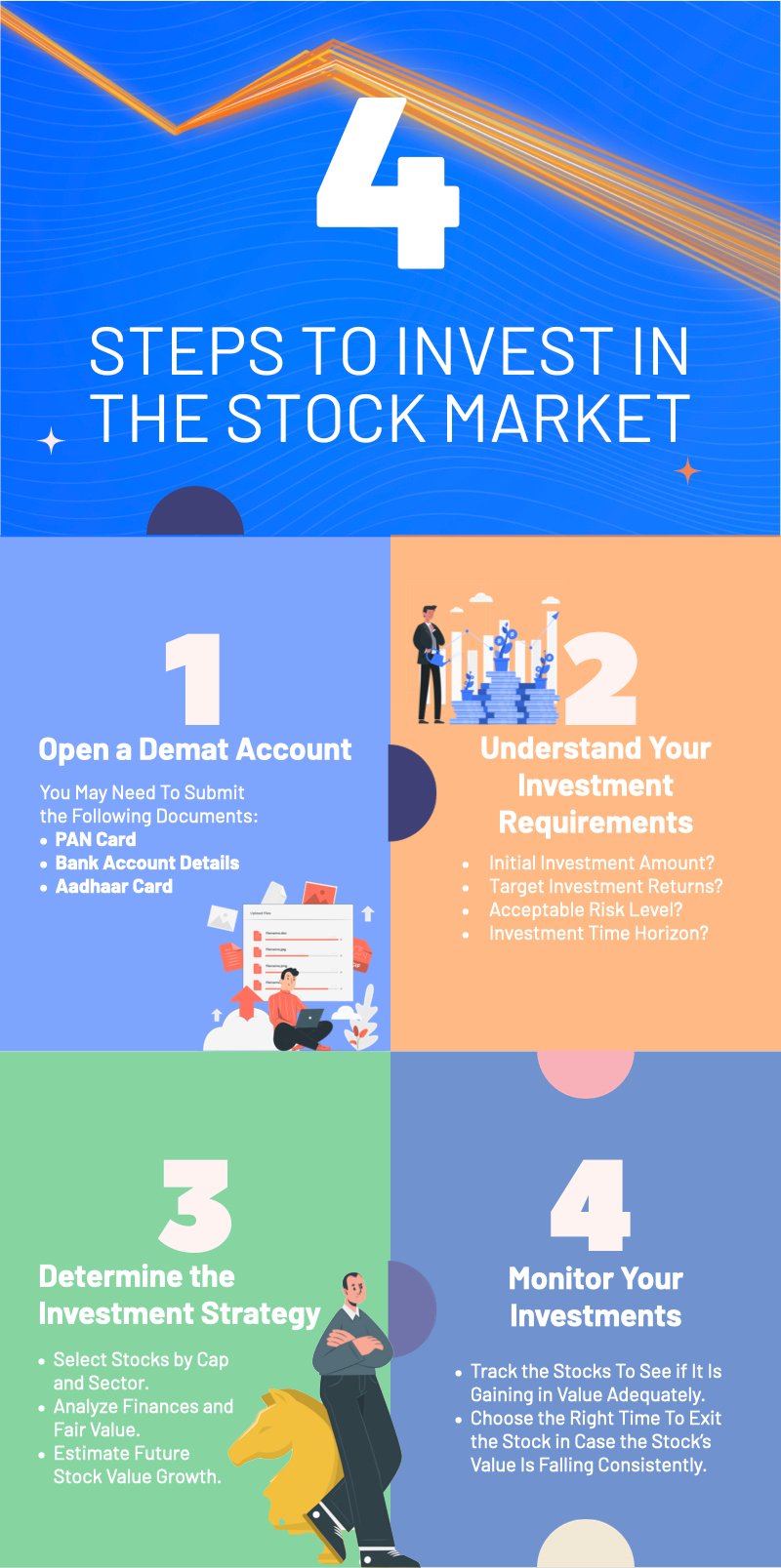
Before you even consider opening a brokerage account or buying your first share, it’s crucial to lay a solid financial foundation. This preliminary work is perhaps the most overlooked yet vital step, ensuring that your investment journey is sustainable and aligned with your broader financial well-being. Rushing into the market without a clear understanding of your personal finances can lead to stress, poor decisions, and potential setbacks.
Defining Your Financial Goals
Every investment decision should be tethered to a specific financial goal. Are you saving for a down payment on a house, retirement, your child’s education, or simply long-term wealth accumulation? Your goals will dictate your investment horizon (how long you plan to invest) and, consequently, your risk tolerance. Short-term goals (under 5 years) are generally ill-suited for the volatility of the stock market, as there might not be enough time to recover from potential downturns. Long-term goals, conversely, benefit immensely from the market’s historical upward trend and the power of compounding. Clearly articulated goals provide direction and motivation, transforming abstract investing into a purposeful endeavor.
Assessing Your Risk Tolerance
Risk tolerance is your psychological comfort level with the potential for investment losses in exchange for higher returns. It’s a deeply personal metric influenced by your age, income stability, financial responsibilities, and even your personality. A young investor with a stable job and few dependents might have a higher risk tolerance, comfortable with more aggressive investments that offer greater growth potential but also higher volatility. Conversely, someone nearing retirement will likely prioritize capital preservation and opt for a more conservative portfolio. Understanding your risk tolerance prevents emotional decision-making during market fluctuations and helps you stick to your investment plan, even when the going gets tough. Be honest with yourself about how much you can truly afford to lose without it significantly impacting your peace of mind or financial stability.
Establishing a Strong Financial Base
Investing in the stock market should only commence once you have a stable financial footing. This means having an emergency fund in place, typically covering 3-6 months of living expenses, stored in an easily accessible, liquid account like a high-yield savings account. This fund acts as a critical buffer, preventing you from having to sell investments at an inopportune time to cover unexpected expenses. Furthermore, it’s advisable to pay down high-interest debt, such as credit card balances. The guaranteed return from eliminating high-interest debt often outperforms potential stock market returns and significantly improves your overall financial health. Only after these prerequisites are met should you allocate disposable income to investments, ensuring that your core financial security remains uncompromised.
Choosing Your Vehicle: Selecting a Brokerage Account
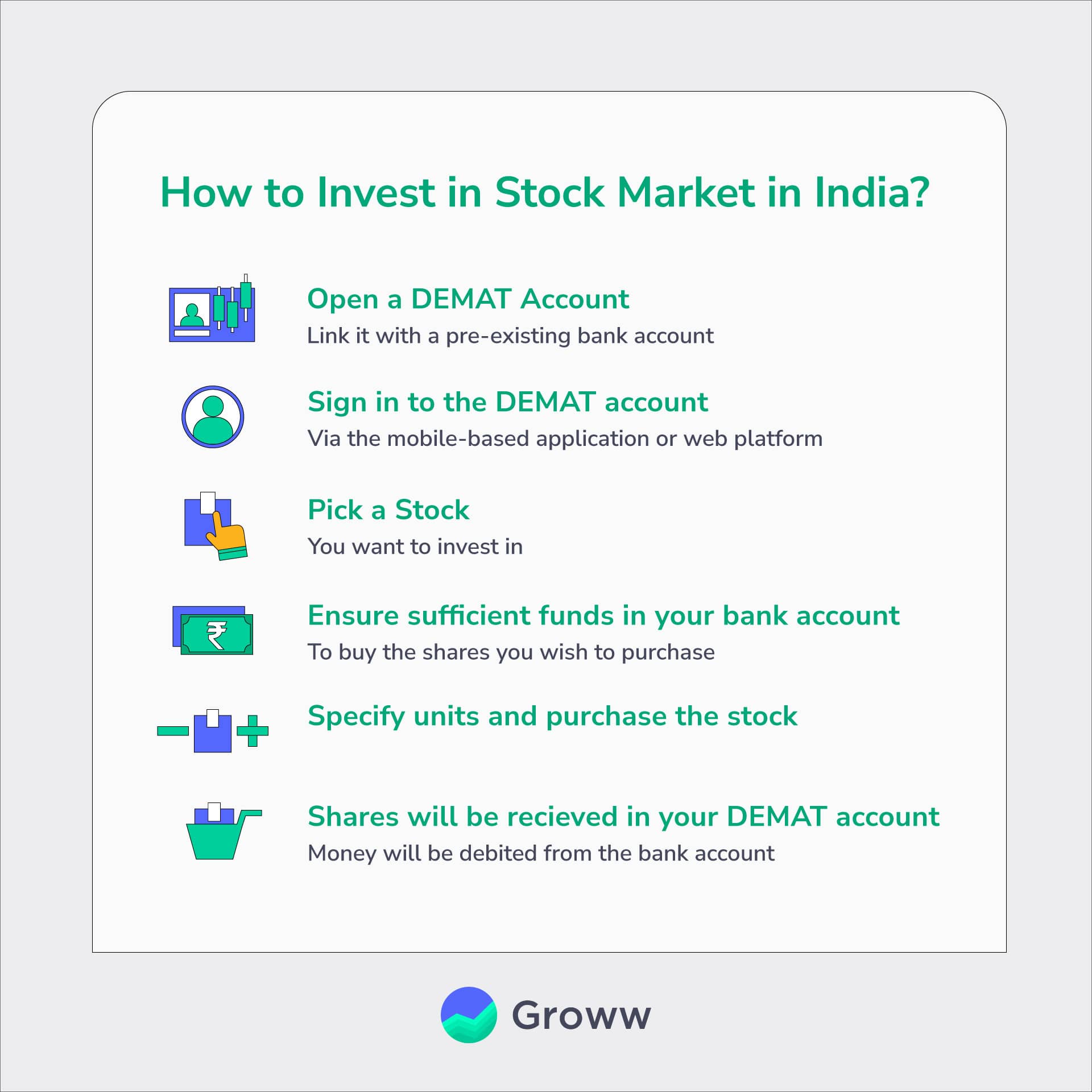
Once your financial foundation is solid, the next practical step is to open a brokerage account. This account acts as your gateway to the stock market, allowing you to buy, sell, and hold various investment products. The proliferation of online brokers has made this process simpler and more affordable than ever before, but choosing the right one requires careful consideration.
Types of Brokerage Accounts
There are several types of accounts suitable for individual investors, each with distinct features and tax implications:
- Taxable Brokerage Accounts: These are general investment accounts where you pay taxes on capital gains and dividends in the year they are realized. They offer maximum flexibility in terms of withdrawals but lack tax-advantaged growth.
- Retirement Accounts (IRAs): Individual Retirement Accounts (IRAs) offer significant tax advantages for long-term savings.
- Traditional IRA: Contributions might be tax-deductible, and taxes are paid upon withdrawal in retirement.
- Roth IRA: Contributions are made with after-tax money, and qualified withdrawals in retirement are tax-free. Roth IRAs are particularly attractive for those who expect to be in a higher tax bracket in retirement.
- Employer-Sponsored Plans (401(k), 403(b)): While not strictly brokerage accounts, these plans offered by employers are often the first introduction to investing for many. They come with tax benefits and often employer matching contributions, which are essentially free money. It’s crucial to maximize employer matching before considering other investment avenues.
Factors to Consider When Choosing a Broker
Selecting the right online broker is a crucial decision that can impact your investment experience and costs.
- Fees and Commissions: Many brokers now offer commission-free trading for stocks and ETFs, which is a huge advantage for beginners. However, be aware of other potential fees like account maintenance fees, inactivity fees, or fees for mutual funds.
- Investment Options: Ensure the broker offers access to the types of investments you’re interested in (stocks, ETFs, mutual funds, bonds, options, etc.). Most major brokers offer a wide range.
- Research and Educational Resources: For new investors, robust research tools, educational articles, webinars, and stock screeners are invaluable. They can help you learn, identify opportunities, and make informed decisions.
- Customer Service: Responsive and helpful customer support is essential, especially when you’re just starting out and might have questions or encounter technical issues.
- User Interface and Mobile App: A user-friendly platform, both on desktop and mobile, can make the investing process less intimidating and more efficient.
- Minimum Deposit Requirements: Some brokers have minimum initial deposit requirements, though many now offer accounts with no minimums, making investing accessible even with small amounts.
The Account Opening Process
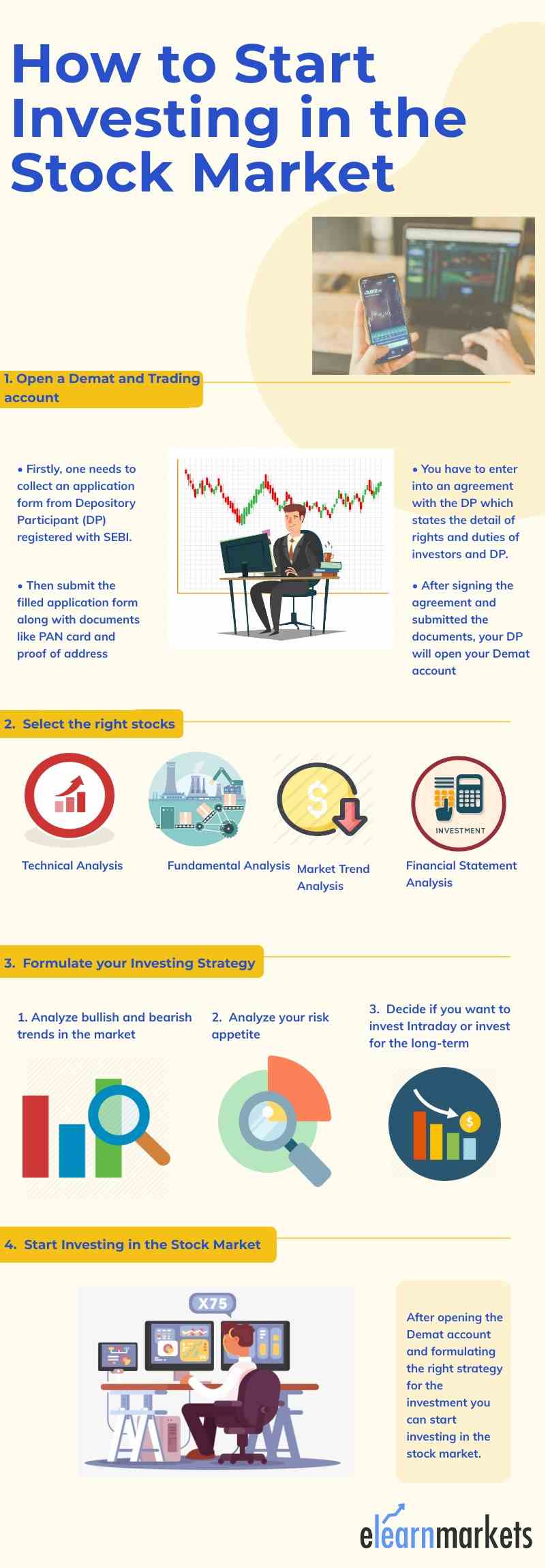
Opening a brokerage account is generally straightforward and can be done online in a matter of minutes. You’ll typically need to provide personal information such as your name, address, date of birth, Social Security number, and employment details. You’ll also need to link a bank account to fund your brokerage account. Most brokers require identity verification, which may involve uploading a photo of your driver’s license or passport. Once your account is opened and funded, you’re ready to start placing trades.
Demystifying Investment Options: Where to Put Your Money
The stock market offers a diverse array of investment vehicles, each with its own characteristics, risk profiles, and potential returns. Understanding these options is key to building a diversified portfolio that aligns with your financial goals and risk tolerance. For beginners, it’s often best to start with simpler, broadly diversified instruments before delving into more complex strategies.
Individual Stocks: Direct Ownership
When you buy an individual stock, you are purchasing a small ownership stake in a specific company. If the company performs well, its stock price may increase, and you might also receive dividends (a portion of the company’s profits distributed to shareholders). The allure of individual stocks is the potential for high returns if you pick a winning company. However, they also carry the highest risk, as the performance of your portfolio is tied to the fortunes of a few select companies. A single company’s poor performance can significantly impact your investment. For new investors, a portfolio composed solely of individual stocks is often too risky due to the lack of diversification. If you choose to invest in individual stocks, thorough research into the company’s financials, industry, and competitive landscape is paramount.
Exchange-Traded Funds (ETFs) and Mutual Funds: Diversification Made Easy
ETFs and mutual funds are excellent starting points for beginners because they offer instant diversification. Instead of buying shares of one company, you buy a single fund that holds a basket of many different stocks (or other assets).
- Mutual Funds: Professionally managed portfolios of stocks, bonds, or other investments. When you invest in a mutual fund, you’re pooling your money with other investors, and a fund manager makes investment decisions on your behalf. They are typically bought directly from the fund company or through a broker. They are priced once a day after the market closes (Net Asset Value or NAV).
- Exchange-Traded Funds (ETFs): Similar to mutual funds in that they hold a collection of assets, but they trade on stock exchanges like individual stocks throughout the day. ETFs are generally favored for their lower expense ratios (management fees) and greater tax efficiency compared to many mutual funds. They come in various forms, tracking broad market indices, specific sectors, commodities, or bonds. For instance, an S&P 500 ETF holds stocks of the 500 largest U.S. companies, giving you broad market exposure with a single purchase.
Index Funds: Passive Investing Power
Index funds are a specific type of mutual fund or ETF designed to passively track a particular market index, such as the S&P 500, the Dow Jones Industrial Average, or the total U.S. stock market. Because they simply mirror an index rather than relying on active management to “beat the market,” index funds typically have very low expense ratios. This makes them incredibly cost-effective. For most new investors, index funds (either as mutual funds or ETFs) are often recommended as the primary building blocks of a diversified portfolio. They provide broad market exposure, minimize individual stock risk, and historically have delivered solid long-term returns.
Implementing Your Strategy: Smart Approaches for New Investors
Once you understand the investment options, it’s time to think about how you’ll approach your investing. A well-defined strategy, executed with discipline, is far more important than trying to “time the market” or pick the next hot stock.
The Power of Diversification
Diversification is the golden rule of investing: “Don’t put all your eggs in one basket.” It means spreading your investments across different asset classes, industries, and geographies to reduce overall risk. If one investment performs poorly, others might perform well, cushioning the impact on your overall portfolio. For beginners, investing in diversified funds like broad-market ETFs or index funds (which automatically hold hundreds or thousands of different stocks) is an excellent way to achieve instant diversification without having to research individual companies. As your portfolio grows, you might consider diversifying further into bonds, international stocks, or different sectors.
Dollar-Cost Averaging: Smoothing Out Volatility
Dollar-cost averaging (DCA) is a simple yet powerful strategy where you invest a fixed amount of money at regular intervals, regardless of market conditions. For example, you might invest $200 every month into an S&P 500 ETF. When prices are high, your fixed amount buys fewer shares; when prices are low, it buys more shares. Over time, this strategy averages out your purchase price, reducing the risk of investing a large lump sum at an unfortunate market peak. DCA removes emotion from investing, encourages consistent savings, and is particularly effective for long-term investors. It also makes investing accessible, allowing you to start with smaller, manageable amounts.
Long-Term Perspective: The Path to Wealth Accumulation
The stock market has historically delivered impressive returns over long periods, but it is also subject to short-term volatility. Market crashes, corrections, and economic downturns are inevitable parts of the investment cycle. New investors often make the mistake of panicking and selling their investments during downturns, locking in losses and missing out on subsequent recoveries. True wealth in the stock market is built through patience and a long-term perspective, typically 10 years or more. By focusing on your long-term goals and resisting the urge to react to daily market fluctuations, you allow the power of compounding to work its magic. Time in the market, not timing the market, is the key to success.
Continuous Learning and Portfolio Monitoring
Investing is an ongoing process of learning and adaptation. The financial landscape is constantly evolving, and staying informed is crucial. Read reputable financial news, educate yourself on economic trends, and understand the basic principles of finance. While a long-term strategy means not constantly tinkering with your portfolio, regular monitoring is still important. Periodically (e.g., once a year), review your portfolio to ensure it still aligns with your goals and risk tolerance. This might involve rebalancing, where you adjust your asset allocation back to your desired percentages, selling some overperforming assets to buy more of the underperforming ones. This disciplined approach ensures your investments remain on track to meet your financial objectives.
Starting your investing journey in the stock market is a proactive step towards securing your financial future. By understanding the foundational steps, choosing the right brokerage, comprehending your investment options, and employing smart strategies, you can confidently build a diversified portfolio. Remember, consistency, patience, and a commitment to continuous learning are your most valuable assets in the journey towards long-term financial success. The stock market is not a get-rich-quick scheme, but a proven engine for wealth growth for those who approach it with diligence and an informed perspective.
aViewFromTheCave is a participant in the Amazon Services LLC Associates Program, an affiliate advertising program designed to provide a means for sites to earn advertising fees by advertising and linking to Amazon.com. Amazon, the Amazon logo, AmazonSupply, and the AmazonSupply logo are trademarks of Amazon.com, Inc. or its affiliates. As an Amazon Associate we earn affiliate commissions from qualifying purchases.