
In the dynamic world of entrepreneurship, a business plan often serves as the compass guiding a venture through uncharted waters. However, its true power lies not just in outlining a vision, but in meticulously charting a path to financial viability and sustained profitability. Far from being a mere formality, a comprehensive business plan is a critical financial tool, essential for securing capital, managing cash flow, and making informed monetary decisions. For any aspiring or established business, understanding the core financial components of this document is paramount to success in the fiercely competitive marketplace. This article will delve into the critical elements a business plan must contain, viewed exclusively through the lens of finance, investment, and business economics.
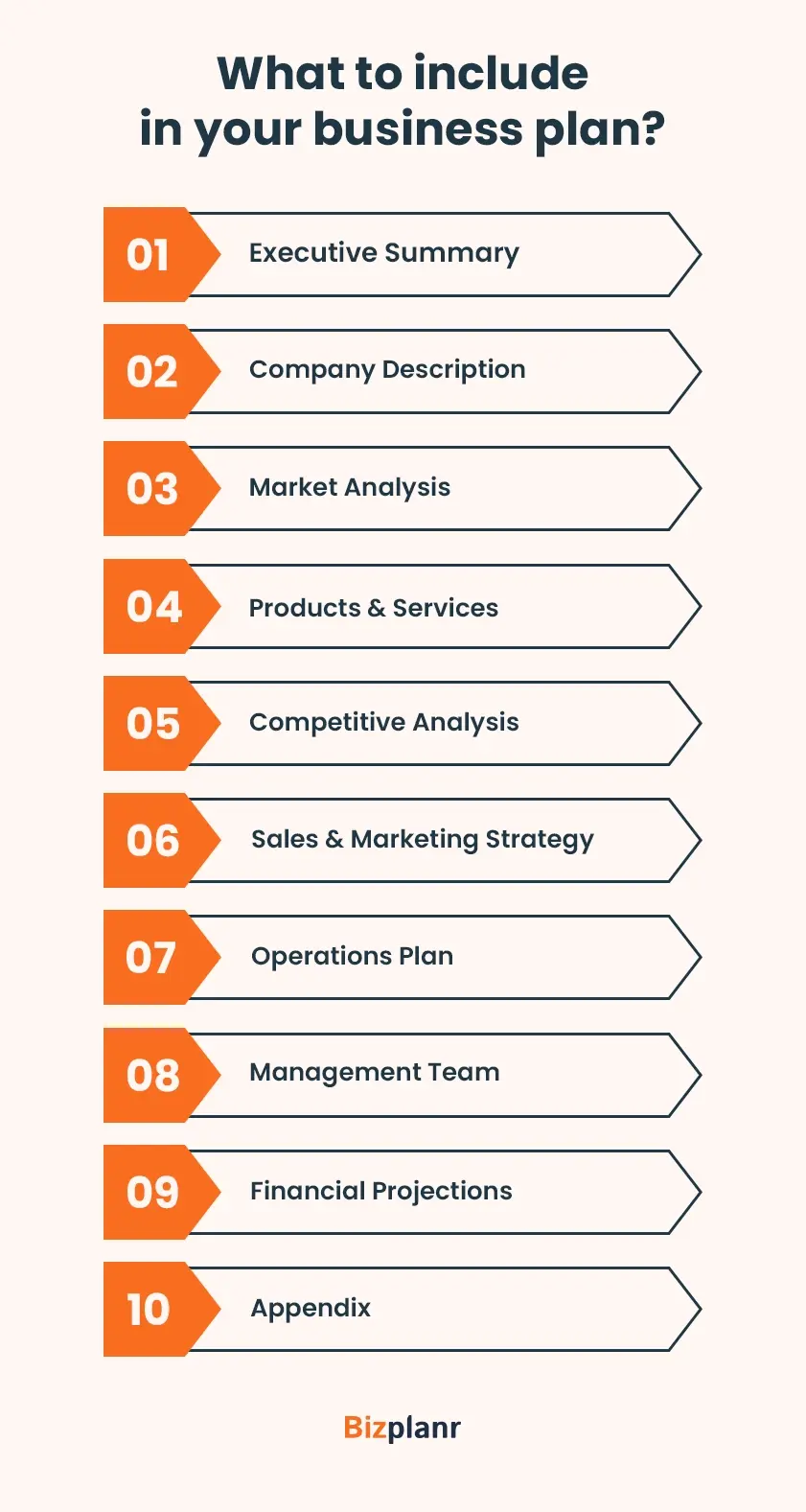
The Business Plan: Your Financial Blueprint for Success
A business plan is much more than a narrative of your entrepreneurial dreams; it’s a rigorous financial model that translates aspirations into tangible monetary objectives and strategies. It’s the primary instrument for assessing a venture’s economic potential and managing its fiscal health.
Beyond the Concept: Establishing Financial Viability from the Outset
Before a single dollar is invested or a product is launched, a business plan must convincingly demonstrate the financial viability of the concept. This involves a deep dive into the underlying economics: identifying potential revenue streams, estimating operational costs, and forecasting profitability margins. It challenges the entrepreneur to quantify every aspect of their idea, from market demand translating into sales figures to the cost of goods sold and overheads. Without a robust financial foundation laid out in the plan, even the most innovative idea remains just that—an idea, lacking the necessary economic justification to attract serious attention or investment. It forces a clear-eyed assessment of whether the venture can generate a return on investment, cover its expenses, and ultimately become a self-sustaining entity in the long term.
The Investor’s Perspective: Crafting a Narrative for Capital Attraction
For any business seeking external funding—whether from angel investors, venture capitalists, or traditional lenders—the business plan is the definitive pitch. It’s the story told through numbers, outlining not just the ‘what’ and ‘how,’ but crucially, the ‘why’ from a financial standpoint. Investors are not just buying into an idea; they are investing in a financial future. They want to see a clear return on their capital, understand the associated risks, and assess the liquidity and solvency of the potential investment. A well-constructed plan clearly articulates the funding request, detailing exactly how the capital will be deployed to generate revenue and profit, and providing a robust repayment strategy or exit plan. It’s about demonstrating sound fiscal management and a clear path to amplifying their initial investment, making it an indispensable tool in the capital attraction process.
Core Financial Elements: Proving and Projecting Monetary Strength
The heart of any effective business plan, particularly when viewed from a financial perspective, lies in its detailed analysis of current financial standing and meticulous projections of future monetary performance. These sections provide the hard data that validate the entire venture.
Executive Summary: Your Financial Snapshot and Funding Appeal
The executive summary, though brief, is arguably the most critical component from a financial vantage point. It provides a concise, compelling overview of the entire plan, highlighting the most attractive financial aspects. This includes a clear statement of the funding sought, a summary of projected revenue and profitability, and an outline of the expected return on investment for potential funders. It should immediately convey the business’s financial health, its market opportunity, and why it represents a sound investment. Think of it as your financial elevator pitch, designed to capture the attention of busy investors or loan officers and compel them to delve deeper into the intricate financial details contained within the full document.
Market & Product Analysis: Unearthing Revenue Streams and Cost Drivers
While not explicitly financial, the market and product analysis sections are foundational to credible financial projections. Understanding the target market, its size, growth potential, and customer demographics directly translates into sales forecasts and pricing strategies. A thorough market analysis identifies the revenue potential, helping to set realistic top-line numbers. Simultaneously, an in-depth look at products or services, including their unique value proposition and the processes for delivery, allows for accurate cost modeling—from the cost of goods sold (COGS) to research and development expenses, and operational overheads. This analysis provides the essential context for constructing realistic financial models, ensuring that revenue projections are grounded in market reality and cost estimates are comprehensive.
The Funding Request: Detailing Capital Needs and Investment Returns
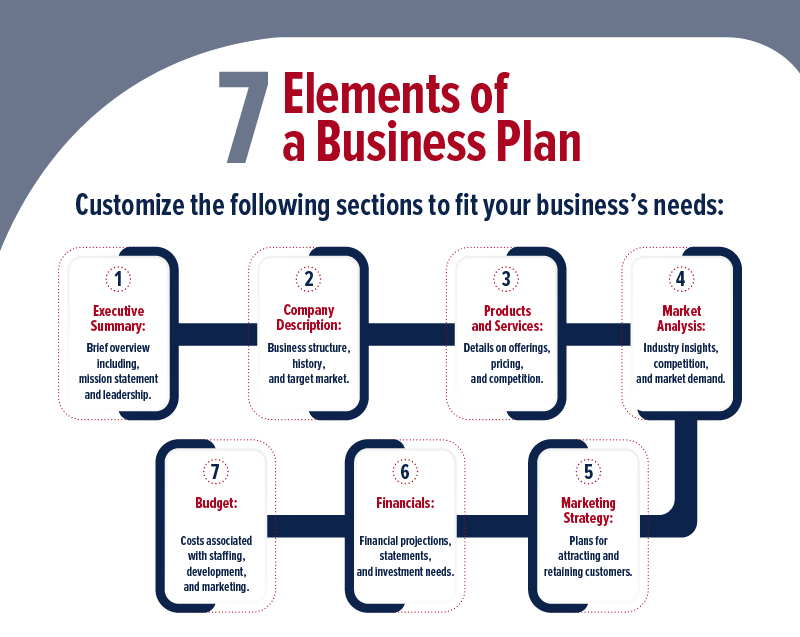
For businesses seeking capital, the funding request section is where specificity pays dividends. It meticulously outlines the exact amount of money required, itemizes how these funds will be utilized (e.g., equipment purchase, inventory, marketing, working capital, R&D), and defines the desired capital structure (e.g., equity, debt, convertible notes). Crucially, it also addresses the expected return on investment (ROI) for investors, the payback period for lenders, and the milestones that the funding will help achieve. This section must be transparent, justified, and compelling, assuring investors that their capital will be prudently managed and will generate the anticipated financial returns within a clearly defined timeline. It’s the entrepreneur’s chance to articulate a clear financial roadmap for utilizing external capital to achieve growth and profitability.
Comprehensive Financial Projections: Charting Your Monetary Future
This is the bedrock of the entire financial component of your business plan. It comprises a set of forward-looking financial statements that predict the venture’s monetary performance over the next three to five years, typically including:
- Income Statements (Profit & Loss): Projecting revenues, COGS, operating expenses, and ultimately, net profit or loss. This statement reveals the profitability of the business.
- Balance Sheets: Providing a snapshot of the company’s assets, liabilities, and owner’s equity at specific points in time. It assesses financial health and solvency.
- Cash Flow Statements: Illustrating the movement of cash into and out of the business from operating, investing, and financing activities. This is often considered the most critical statement for a startup, as “cash is king” for survival. It highlights liquidity and the ability to meet short-term obligations.
Beyond these core statements, robust financial projections should also include a break-even analysis (determining the sales volume needed to cover all costs), key performance indicators (KPIs) relevant to your industry (e.g., customer acquisition cost, lifetime value, gross margin), and potentially valuation considerations for equity investors. These projections are not mere guesses but are built upon the assumptions derived from the market and operational analyses, offering a quantitative glimpse into the company’s potential financial future.
Explaining Financial Assumptions: Building Trust and Transparency
The credibility of your financial projections hinges entirely on the underlying assumptions. This section must transparently detail the rationale behind every major financial estimate. What are your assumptions for sales growth, customer conversion rates, pricing strategies, cost of raw materials, labor costs, marketing spend, and payment terms? Are these assumptions backed by industry research, market data, pilot programs, or expert opinions? Clearly articulating and justifying these assumptions demonstrates due diligence, realism, and a thorough understanding of the financial drivers of your business. It allows investors to assess the potential risks and rewards by understanding the sensitivity of your projections to changes in these core variables, thereby fostering trust and confidence in your financial forecasts.
Operationalizing and Sustaining Financial Health
A business plan doesn’t just detail how money will be made and managed initially; it also outlines the operational and legal frameworks that will ensure ongoing financial health and mitigate risks.
Management & Organizational Structure: The Human Cost and Value
The management team section, while detailing experience and roles, also has significant financial implications. The salaries, benefits, and equity compensation of key personnel represent substantial fixed costs. Investors meticulously scrutinize the team’s financial acumen and ability to execute the financial plan. A strong management team minimizes operational inefficiencies that could erode profits, while a weak one can lead to costly mistakes. This section should implicitly and explicitly connect the human capital to the financial outcomes, demonstrating how the team’s expertise will contribute to revenue generation, cost control, and overall financial performance.
Legal & Risk Management: Protecting Your Financial Assets
The legal structure of the business (e.g., sole proprietorship, LLC, corporation) carries financial consequences regarding liability, taxation, and fundraising capabilities. This section of the business plan should address how the company intends to protect its financial assets through proper legal setup, intellectual property registration, insurance coverage, and compliance with financial regulations. Identifying potential financial risks—such as market downturns, supply chain disruptions, or regulatory changes—and outlining mitigation strategies (e.g., contingency funds, diversification) is crucial. A proactive approach to legal and risk management protects the venture’s financial stability from unforeseen challenges, assuring investors of a thoughtful approach to safeguarding their investment.
Dynamic Financial Planning: The Iterative Process of Monitoring and Adjustment
Finally, a business plan should convey that it is not a static document but a living financial tool. It needs to articulate a process for ongoing financial monitoring, performance measurement against projections, and strategic adjustments. How will the business track its key financial metrics? What financial tools or software will be employed? How often will financial statements be reviewed and updated? Emphasizing this iterative process demonstrates financial prudence and adaptability. It shows that the management team understands that market conditions, competitive landscapes, and internal operations are fluid, and that financial strategies must evolve to sustain growth and profitability. This forward-thinking approach underscores the commitment to long-term financial health and resilience.
In conclusion, a business plan, when constructed with a rigorous focus on financial detail, becomes an indispensable asset. It is the roadmap for monetary success, the language spoken to investors, and the constant guide for operational and strategic decisions. By meticulously addressing each of these financial components, entrepreneurs not only solidify their vision but also dramatically enhance their prospects for securing funding, achieving profitability, and building a financially robust and sustainable enterprise.
aViewFromTheCave is a participant in the Amazon Services LLC Associates Program, an affiliate advertising program designed to provide a means for sites to earn advertising fees by advertising and linking to Amazon.com. Amazon, the Amazon logo, AmazonSupply, and the AmazonSupply logo are trademarks of Amazon.com, Inc. or its affiliates. As an Amazon Associate we earn affiliate commissions from qualifying purchases.