
A business plan is far more than just a document; it’s a critical financial roadmap, an operational blueprint, and a compelling narrative designed to guide a venture from conception to sustainable profitability. For entrepreneurs, it’s an indispensable tool for clarifying objectives, attracting funding, and navigating the complexities of the market. For investors, it’s the primary lens through which they assess risk, evaluate potential returns, and understand the viability of a proposed enterprise. In the realm of business finance, a well-structured business plan is the cornerstone of responsible capital allocation and strategic growth. It details not just what a business intends to do, but how it will generate revenue, manage costs, secure funding, and ultimately deliver financial value to its founders and stakeholders.
The Strategic Blueprint: Laying the Foundation for Financial Success
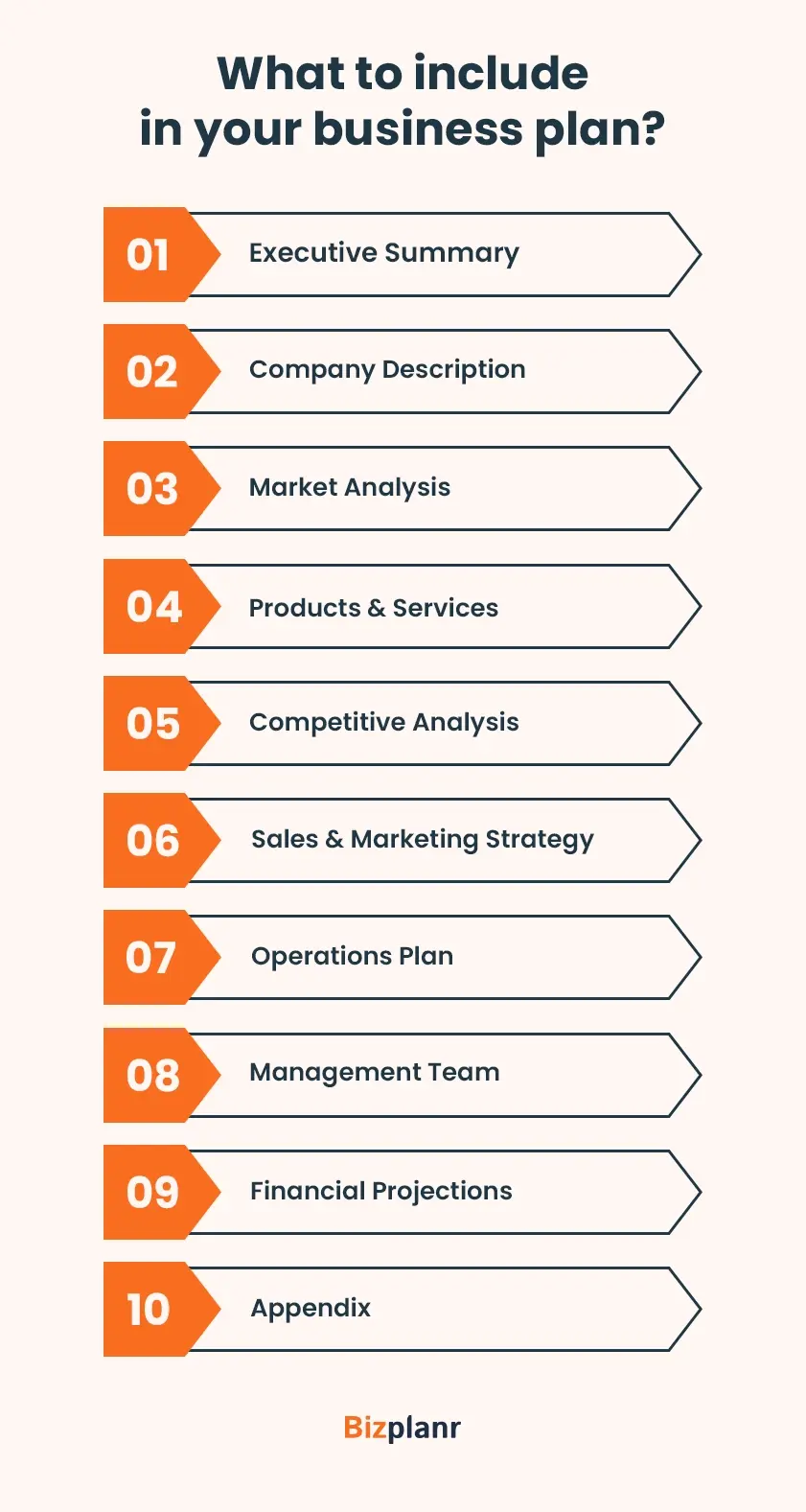
Every robust business plan begins by establishing a clear strategic foundation. These initial sections are crucial for setting the context, defining the business’s purpose, and illustrating its potential within the broader economic landscape. They paint the initial financial picture, outlining the problems the business solves and the market opportunities it aims to capture.
Executive Summary: The Investor’s First Impression and Financial Hook
The Executive Summary is arguably the most vital component of any business plan, especially when seeking capital. It’s a concise, compelling overview that encapsulates the essence of the entire document – typically no more than one to two pages. Its primary purpose is to capture the attention of busy investors, bankers, or potential partners and compel them to delve deeper into the full plan. From a financial perspective, it must immediately highlight the business opportunity, the proposed solution, the target market, the unique selling proposition, the strength of the management team, and, most importantly, the financial projections and funding request. It should quickly articulate the investment opportunity: how much capital is needed, what it will be used for, and the expected return on investment or exit strategy for funders. A strong Executive Summary acts as a financial teaser, demonstrating a clear understanding of market potential and revenue generation capabilities. It summarises the venture’s potential for profitability and scalability, making an immediate case for its financial attractiveness.
Company Description: Defining Your Financial Vehicle and Mission
This section delves into the foundational identity of the business. It explains what the company does, its legal structure (sole proprietorship, partnership, LLC, corporation), its mission statement, vision, and core values. From a financial perspective, the company description clarifies how these elements translate into operational choices that impact financial outcomes. For instance, the legal structure has significant implications for taxation, liability, and fundraising capabilities. A mission statement focused on social impact might require a different financial model than one solely focused on maximizing shareholder value. This section also outlines the business’s stage of development (startup, growth phase, mature) and its long-term objectives, which directly inform the financial projections and strategic funding needs. It’s where you articulate the problem your business solves and the unique value proposition it offers to customers, implicitly linking this value to potential revenue streams and market demand.
Market Analysis: Understanding Revenue Streams and Competitive Landscape
A thorough market analysis is critical for demonstrating the financial viability of a business. This section proves that there is a genuine demand for the product or service and that the market is large enough to sustain profitable operations. It involves extensive research into the industry, market size, growth trends, target market segmentation, and customer demographics, psychographics, and purchasing behaviors. Crucially, it also includes a detailed competitive analysis, identifying direct and indirect competitors, assessing their strengths and weaknesses, their market share, and their pricing strategies.
From a “Money” perspective, the market analysis provides the bedrock for revenue projections. Understanding market size allows for realistic forecasts of potential sales volume. Identifying the target market’s purchasing power informs pricing strategy and projected average transaction values. Analyzing competitor pricing helps to position the business competitively while ensuring profitability. This section must articulate how the business will differentiate itself to capture market share and sustain its competitive advantage, whether through cost leadership, differentiation, or niche focus, all of which have direct financial implications on profit margins and sustainability.
Operationalizing Your Vision for Financial Success
Once the strategic foundation is laid, the business plan shifts to detailing how the vision will be brought to life, focusing on the practical execution that directly impacts revenue generation, cost management, and operational efficiency – all central themes in business finance.
Organization and Management: The Team Behind the Numbers
This section introduces the leadership team, highlighting their relevant experience, expertise, and roles within the company. It also outlines the organizational structure, including key personnel, their responsibilities, and how they contribute to the business’s overall financial health. For investors, the management team is a critical factor in their decision-making process, as even the best idea can fail without capable execution. This section should detail the executive team’s backgrounds, their track records of success, and how their collective skills address the operational and financial challenges of the business. It also addresses the company’s human resources plan, including staffing needs, compensation structures, and training requirements, all of which represent significant cost centers that must be factored into financial projections. A strong, experienced management team instills confidence that the business will be run efficiently, mitigating financial risks and maximizing the likelihood of achieving projected financial targets.
Service or Product Line: Value Proposition and Pricing Strategy
Here, the business plan elaborates on the products or services offered, their features, benefits, and how they meet customer needs. Beyond a simple description, this section focuses on the value proposition – what makes the offering unique and desirable. From a financial viewpoint, this is where the cost of goods sold (COGS) or cost of services is detailed, along with the proposed pricing strategy. Will the product be priced competitively, or will it command a premium due to unique features or brand perception? This decision directly impacts gross margins and overall profitability. The section should also discuss the product lifecycle, potential for future development, intellectual property considerations (patents, trademarks), and research and development costs. Each aspect has a direct financial implication, influencing revenue streams, cost structures, and the long-term financial viability and scalability of the product line.
Marketing and Sales Strategy: Driving Revenue Generation
This section details the concrete plans for attracting customers and generating sales – the lifeblood of any business. It outlines the strategies for promotion, advertising, public relations, digital marketing, sales channels, and distribution. From a financial perspective, this section is crucial because it directly translates into projected revenue and marketing expenditure. It specifies how customer acquisition costs (CAC) will be managed and optimized, and how projected sales volumes will be achieved. For example, a business selling online will detail its e-commerce strategy, SEO efforts, and digital advertising budget, while a brick-and-mortar store will focus on local advertising, foot traffic generation, and in-store promotions. The sales forecast, a key financial projection, is derived directly from the marketing and sales strategies outlined here. It must show a clear path from marketing efforts to actual paying customers and sustainable revenue growth, demonstrating a return on marketing investment.
The Financial Core: Projections and Funding

This is arguably the most critical section for any business plan targeting investors or financial institutions. It provides the concrete numbers that quantify the business’s potential and its capital requirements, directly addressing the “Money” category’s core focus.
Funding Request: Articulating Your Capital Needs
If the business requires external financing, this section is dedicated to clearly outlining the funding needs. It specifies the exact amount of capital requested, how the funds will be utilized (e.g., for equipment purchase, inventory, marketing, working capital, research and development), and the anticipated financial milestones that will be achieved with this investment. Furthermore, it should detail the proposed financial structure of the funding, whether it’s equity investment, debt financing, or a combination. For equity, this would include the percentage of ownership offered in exchange for the investment. For debt, it would specify the repayment terms, interest rates, and collateral (if any). This section is a direct appeal to potential investors or lenders, requiring clarity, transparency, and a compelling justification for every dollar requested, demonstrating a clear path to return on their investment.
Financial Projections: Forecasting Your Business’s Monetary Future
The financial projections are the quantitative heart of the business plan. They translate all the qualitative information from previous sections into concrete monetary figures, typically covering a 3-5 year outlook. This section is where the financial viability and profitability of the business are meticulously laid out. Key financial statements to include are:
- Startup Costs: A detailed breakdown of all initial expenses required to get the business off the ground (e.g., legal fees, equipment, initial inventory, rent deposits, website development).
- Income Statement (Profit & Loss Statement): Projecting revenue, cost of goods sold, gross profit, operating expenses, and net profit over time. This shows the business’s ability to generate profit.
- Cash Flow Statement: Projecting the movement of cash into and out of the business from operating, investing, and financing activities. This is crucial for demonstrating liquidity and the ability to meet short-term obligations, often more critical than profit for early-stage ventures.
- Balance Sheet: Projecting assets, liabilities, and owner’s equity at specific points in time. This provides a snapshot of the company’s financial health.
- Break-Even Analysis: Identifying the sales volume (in units or revenue) required to cover all fixed and variable costs, indicating when the business will become profitable.
- Key Performance Indicators (KPIs) and Ratios: Discussing important metrics like gross profit margin, net profit margin, return on investment (ROI), customer acquisition cost (CAC), lifetime value (LTV), and debt-to-equity ratio, which are critical for financial assessment.
All projections must be based on reasonable assumptions, which should also be clearly stated. Sensitivity analysis, exploring how different scenarios (e.g., lower sales, higher costs) impact the financial outcomes, adds credibility and demonstrates a thorough understanding of potential financial risks.
Exit Strategy: Planning for Future Returns
For many investors, particularly venture capitalists and angel investors, understanding the exit strategy is as important as the initial financial projections. This section outlines how investors will ultimately realize a return on their investment. Common exit strategies include:
- Acquisition: Selling the company to a larger corporation.
- Initial Public Offering (IPO): Taking the company public through a stock market listing.
- Buyback: The founders or existing shareholders buying out the investors’ shares.
- Dividend Payments: Less common for high-growth startups, but a viable option for mature, profitable businesses.
A clear exit strategy demonstrates foresight and a commitment to delivering financial returns to those who provide capital, making the investment proposition more attractive and reducing perceived risk for funders.
Beyond the Core: Supplementary Elements and Continuous Review
While the core financial and operational sections form the backbone, supplementary information provides additional credibility and demonstrates thorough preparation. Furthermore, understanding that the business plan is a dynamic document is essential for long-term financial stewardship.
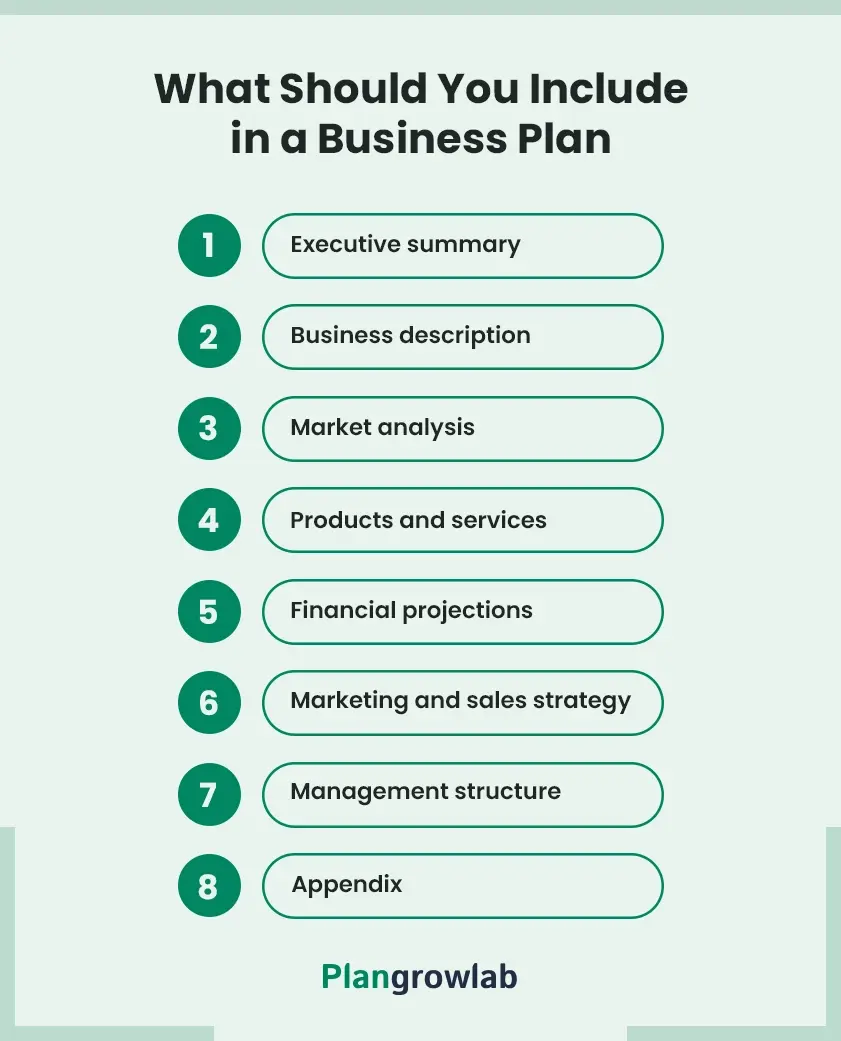
Appendix: Supporting Your Financial Claims
The Appendix is where you include supporting documents and supplemental information that were too detailed for the main body of the plan but are critical for substantiating claims or providing deeper insight. From a “Money” perspective, this might include:
- Resumes of key management team members, showcasing relevant financial or entrepreneurial experience.
- Market research data, surveys, and detailed competitive analysis reports that back up revenue projections.
- Letters of intent from potential customers or suppliers, validating market demand and cost assumptions.
- Legal documents, permits, or licenses pertinent to operations.
- Any relevant intellectual property documentation.
- Detailed financial spreadsheets and models that were summarized in the main financial projections section.
The Appendix serves to enhance the credibility of the entire plan, especially its financial forecasts and operational feasibility, by providing transparent evidence for key assertions.
The Business Plan as a Living Document: Continuous Financial Stewardship
Finally, it’s crucial to understand that a business plan is not a static document created once and then filed away. It is a living, breathing tool for continuous financial stewardship and strategic management. Regularly reviewing and updating the business plan allows entrepreneurs to monitor actual performance against projections, identify deviations, and make necessary adjustments to financial strategies and operational tactics. This iterative process is vital for adapting to market changes, mitigating financial risks, optimizing resource allocation, and ensuring the long-term financial health and growth of the venture. It serves as an ongoing benchmark for financial performance and a guide for strategic pivots, reinforcing its role as a central instrument in effective business finance.
In conclusion, a comprehensive business plan meticulously details every aspect of a venture, with a particular emphasis on its financial implications. From outlining the initial capital requirements and projecting future revenues and expenses to articulating an exit strategy for investors, every section plays a critical role in demonstrating financial viability and growth potential. For anyone venturing into the world of business, or seeking to scale an existing one, crafting a robust business plan is not merely an administrative task; it is an exercise in foresight, financial discipline, and strategic positioning, essential for securing funding and navigating the path to sustained profitability.
aViewFromTheCave is a participant in the Amazon Services LLC Associates Program, an affiliate advertising program designed to provide a means for sites to earn advertising fees by advertising and linking to Amazon.com. Amazon, the Amazon logo, AmazonSupply, and the AmazonSupply logo are trademarks of Amazon.com, Inc. or its affiliates. As an Amazon Associate we earn affiliate commissions from qualifying purchases.