
In the dynamic and often challenging landscape of entrepreneurship, capital is the lifeblood that fuels growth, innovation, and resilience. For small businesses, accessing the right kind of funding at the right time can be the difference between merely surviving and truly thriving. Among the myriad financial instruments available, the small business loan stands out as a foundational tool, offering a structured pathway for entrepreneurs to secure the necessary funds. But beyond the simple definition, understanding what a small business loan truly entails—its purpose, types, benefits, and complexities—is crucial for any business owner looking to leverage external financing effectively. This exploration delves into the intricate world of small business loans, providing a comprehensive guide for navigating this essential aspect of business finance.
Understanding the Essence of Small Business Loans
A small business loan is a sum of money borrowed by a business from a lender, typically a financial institution, which the business commits to repay over a predetermined period, along with interest and other fees. These loans are specifically designed to meet the financial needs of small and medium-sized enterprises (SMEs), addressing gaps that cannot be filled by personal savings or immediate revenue streams. They are distinct from personal loans in their application and implications, focusing squarely on the business entity’s financial health and operational requirements.
Definition and Purpose
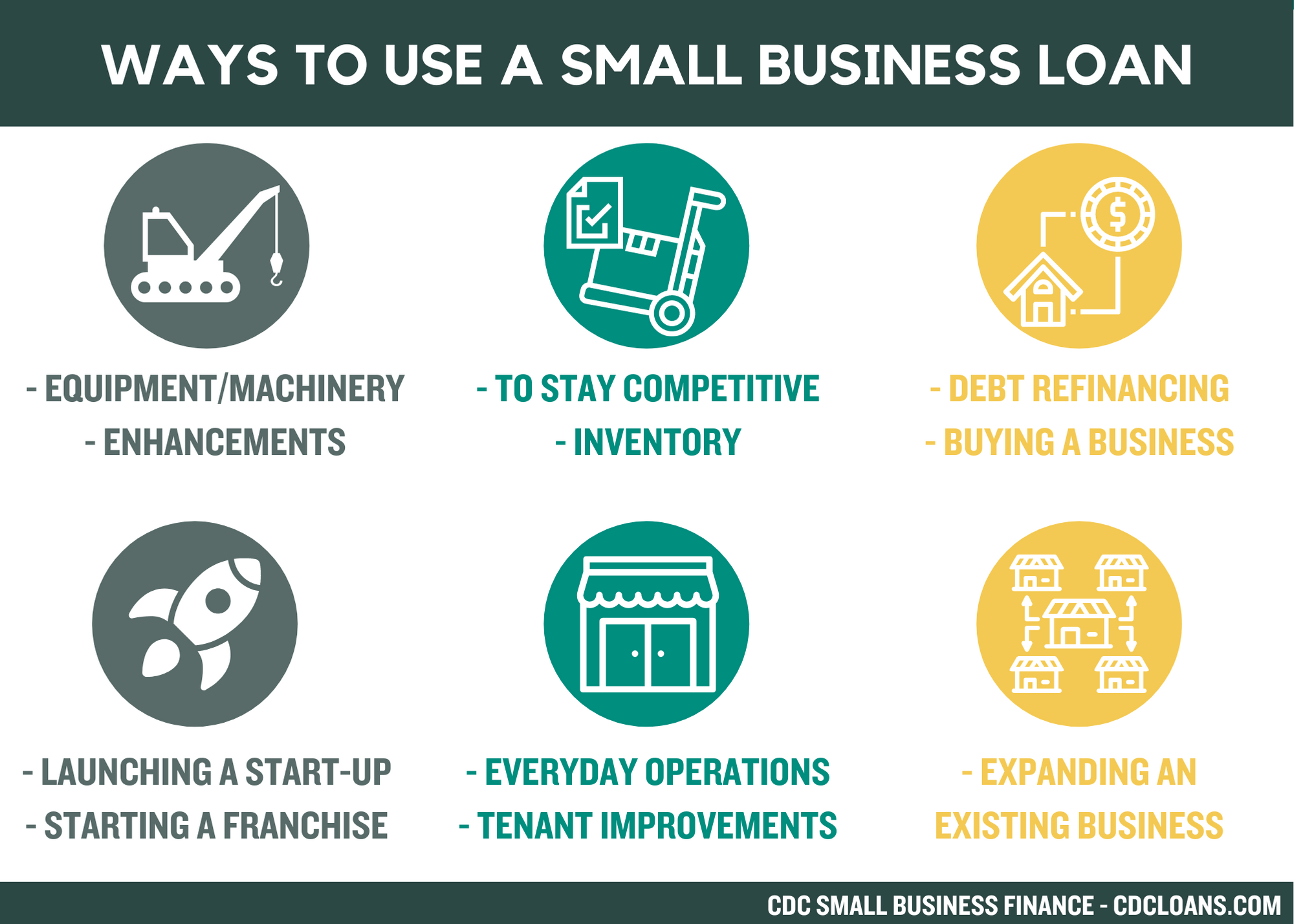
At its core, a small business loan serves as an injection of capital, enabling businesses to achieve various strategic and operational objectives. Its primary purpose can range widely, from providing initial startup capital to funding significant expansion projects. For nascent businesses, a loan might cover the costs of establishing an office, purchasing initial inventory, or hiring key personnel. For established businesses, it could facilitate the acquisition of new equipment to enhance productivity, finance marketing campaigns to enter new markets, or bridge cash flow gaps during seasonal dips. Essentially, these loans empower businesses to invest in their future, manage day-to-day operations, and respond to unexpected opportunities or challenges without depleting their existing working capital. They are a declaration of a lender’s confidence in a business’s viability and its ability to generate sufficient revenue to fulfill its repayment obligations.
Distinguishing from Personal Loans
While both personal and small business loans involve borrowing money, their fundamental differences are critical. A personal loan is secured based on an individual’s personal creditworthiness, assets, and income, and its use is typically for personal expenses like home renovations, medical bills, or debt consolidation. The collateral, if any, is usually personal property, and the repayment responsibility rests solely on the individual.
In contrast, a small business loan is evaluated based on the business’s financial health, including its revenue, profitability, cash flow, and often the business owner’s personal credit as a secondary factor. The funds must be used exclusively for business purposes. While some business loans may require a personal guarantee from the owner, shifting some liability to the individual, the primary obligation and the use of funds remain tied to the business entity. The legal and financial implications, including tax treatment and impact on credit scores, also differ significantly, making it imperative for entrepreneurs to understand which type of financing best suits their needs and legal structure. Using a personal loan for business purposes can blur financial lines, complicate accounting, and potentially expose personal assets unnecessarily.
The Role of Lenders
The ecosystem of small business lending is diverse, comprising various types of financial institutions, each with its own criteria, product offerings, and risk appetite. Traditional banks and credit unions remain prominent players, often offering competitive rates and established relationships, though their approval processes can be rigorous and time-consuming. They typically prefer businesses with a strong financial history and established credit.
Beyond traditional institutions, the rise of online lenders has transformed the landscape, offering faster application processes and quicker funding, often catering to businesses that might not qualify for traditional bank loans due to shorter operating histories or lower credit scores. However, these convenience factors often come with higher interest rates and shorter repayment terms.
Government-backed programs, primarily through the Small Business Administration (SBA) in the United States, play a crucial role by partially guaranteeing loans made by conventional lenders. This reduces the risk for lenders, making them more willing to extend credit to small businesses that might otherwise be deemed too risky. SBA loans are renowned for their favorable terms, including lower interest rates and longer repayment periods, but they involve a more extensive application process. The choice of lender largely depends on a business’s specific needs, financial standing, and urgency for funds.
Diverse Types of Small Business Loans
The term “small business loan” is an umbrella category encompassing a wide array of financial products, each tailored to address specific business needs and circumstances. Understanding these distinct types is essential for business owners to select the most appropriate funding solution for their unique operational and growth objectives.
Term Loans
Term loans are perhaps the most straightforward and common type of business financing. A lump sum of capital is provided to the borrower, which is then repaid over a fixed period (the “term”) with regularly scheduled payments, typically monthly or quarterly, that include both principal and interest. The term can range from short (1-3 years) to medium (3-7 years) to long (7-10+ years), depending on the loan amount and purpose. These loans are often secured by collateral, such as real estate or equipment, which helps reduce the lender’s risk and can lead to lower interest rates. Term loans are ideal for significant, one-time investments like purchasing equipment, expanding facilities, or funding long-term projects with predictable returns. Their predictable payment structure makes budgeting easier for businesses.
SBA Loans
SBA loans are partially guaranteed by the U.S. Small Business Administration, significantly reducing risk for lenders and making capital more accessible to small businesses. While the SBA doesn’t lend money directly (except for disaster relief), it sets guidelines for its participating lenders (banks, credit unions, and other financial institutions). The most popular programs include:
- 7(a) Loan Program: The most versatile, used for a wide range of purposes, including working capital, equipment purchases, real estate, and refinancing debt. Loan amounts can go up to $5 million.
- 504 Loan Program: Designed for major fixed assets like real estate or machinery, offering long-term, fixed-rate financing. It involves a partnership between the SBA, a lender, and a Certified Development Company (CDC).
- Microloan Program: Provides smaller loans, up to $50,000, primarily for startups and underserved communities, often used for working capital, inventory, or equipment.
SBA loans generally offer lower interest rates and longer repayment terms compared to conventional loans, making them highly attractive, though they come with a more extensive application process and strict eligibility requirements.
Lines of Credit
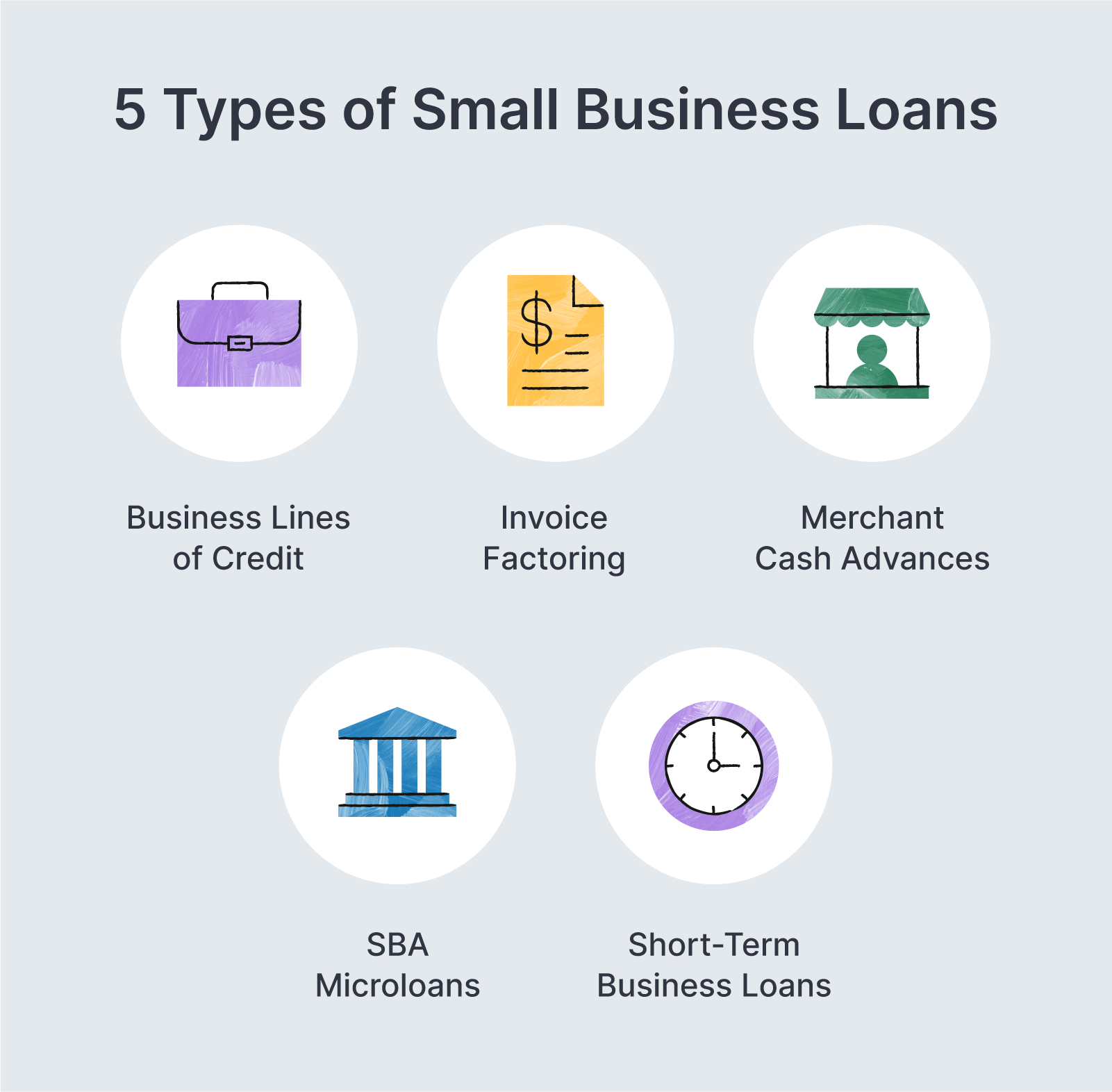
Unlike a term loan that provides a lump sum, a business line of credit offers a flexible borrowing solution akin to a credit card. Businesses are approved for a maximum credit limit and can draw funds as needed, repaying the borrowed amount plus interest. As funds are repaid, the credit becomes available again, making it a revolving form of credit. Lines of credit are particularly useful for managing short-term cash flow fluctuations, bridging gaps between receivables and payables, purchasing inventory, or covering unexpected expenses. They provide a financial safety net and flexibility, allowing businesses to access funds only when required, thus minimizing interest payments.
Equipment Financing
When a business needs to acquire new or used machinery, vehicles, or technology, equipment financing offers a specialized solution. This type of loan is specifically used to purchase business equipment, with the equipment itself often serving as collateral for the loan. This makes it easier for businesses, even those with limited operating history, to secure funding, as the lender has an asset to recover in case of default. Equipment loans typically feature fixed monthly payments over the useful life of the asset. They are an excellent option for businesses that rely heavily on specific machinery and want to preserve their working capital for other operational needs.
Invoice Financing/Factoring
Invoice financing, also known as accounts receivable financing or factoring, allows businesses to get immediate cash by leveraging their unpaid invoices. Instead of waiting 30, 60, or 90 days for customers to pay, a business can sell its invoices to a third-party lender (a factor) at a discount. The factor then collects the payment directly from the customer. This provides immediate working capital and improves cash flow, especially for businesses with long payment terms or slow-paying clients. While it can be more expensive than traditional loans, it’s a valuable tool for managing cash flow without incurring debt or pledging other assets.
Merchant Cash Advances (MCAs)
A Merchant Cash Advance (MCA) is a fast, often collateral-free funding option where a business receives a lump sum in exchange for a percentage of its future credit and debit card sales. Repayments are typically made daily or weekly, automatically deducted from the business’s sales. MCAs are known for their quick approval and funding processes, making them accessible to businesses with less-than-perfect credit or those needing immediate capital. However, they are often one of the most expensive forms of financing, with costs expressed as a “factor rate” rather than an APR, which can translate to very high effective interest rates. They are best suited for businesses with high credit card sales volume needing very short-term capital and who understand the high cost involved.
Microloans
Microloans are small, short-term loans, typically ranging from a few hundred to $50,000, often provided by non-profit organizations or specialized lenders. They are specifically designed to support startups, very small businesses, or entrepreneurs who may struggle to qualify for traditional bank loans due to their size, lack of credit history, or unique circumstances. Microloans often come with business training and technical assistance, aiming to foster economic development and empower underserved entrepreneurs. While the interest rates can vary, they are generally more accessible and forgiving than other forms of financing for those just starting out or needing a smaller boost.
Key Benefits and Potential Drawbacks
Securing a small business loan can be a transformative step for an enterprise, unlocking potential and fostering growth. However, like any financial instrument, it comes with its own set of risks and responsibilities. A balanced understanding of both the advantages and disadvantages is crucial for making informed decisions.
Advantages for Business Growth
The most significant advantage of a small business loan is its ability to provide a substantial injection of capital, which can be strategically deployed to drive growth. This capital can fund expansion into new markets, increase production capacity by purchasing advanced machinery, or develop innovative products and services, thus enhancing competitiveness. Loans enable businesses to seize opportunities that might otherwise be out of reach due to immediate cash constraints. They facilitate economies of scale, improve operational efficiency, and ultimately lead to higher revenue and profitability. Furthermore, successfully managing and repaying a business loan can significantly improve a business’s credit rating, making future financing easier and more affordable. It demonstrates financial responsibility and viability to potential investors, partners, and future lenders.
Mitigating Cash Flow Challenges
Cash flow is the lifeblood of any business, and even profitable companies can face temporary liquidity issues. Small business loans, especially lines of credit or invoice financing, are invaluable tools for mitigating these cash flow challenges. They provide a safety net, allowing businesses to cover operational expenses during slow periods, manage seasonal fluctuations, or bridge the gap between delivering a service/product and receiving payment from clients. This ensures continuity of operations, allows businesses to meet payroll, pay suppliers on time, and maintain a stable financial footing without resorting to desperate measures or sacrificing long-term investments. By providing stability, loans enable businesses to focus on core operations and strategic planning rather than constantly worrying about immediate financial solvency.
Risks and Considerations
While the benefits are significant, small business loans are not without their risks. The primary concern is the debt burden. Taking on debt means a commitment to regular repayments, irrespective of the business’s immediate financial performance. A downturn in sales or unexpected expenses could make meeting these obligations challenging, potentially leading to default.
Interest rates and fees also contribute to the overall cost of borrowing, which can be substantial, particularly for riskier businesses or those opting for faster, less conventional lending options. It’s crucial to understand the Annual Percentage Rate (APR) and all associated fees to accurately gauge the true cost.
Many small business loans, especially from traditional lenders, require collateral, which could be business assets like real estate, equipment, or inventory. In the event of default, these assets could be seized by the lender, posing a significant threat to the business’s operations. Furthermore, many lenders require a personal guarantee from the business owner, meaning their personal assets (home, savings) could be at risk if the business fails to repay the loan. This blurs the line between personal and business finances and increases the personal stakes of the loan.
Finally, defaulting on a business loan can severely damage both the business’s and the owner’s personal credit scores, making future financing extremely difficult and expensive. Therefore, careful financial planning, realistic projections, and a thorough understanding of the terms and conditions are paramount before committing to a loan.
Navigating the Application Process and Eligibility
Securing a small business loan is a multi-step process that requires careful preparation and an understanding of lender expectations. While specific requirements vary between lenders and loan types, there are general eligibility criteria and a common set of documentation that most businesses will need to provide.
General Eligibility Criteria
Lenders evaluate several factors to assess a business’s creditworthiness and its ability to repay the loan. The most common criteria include:
- Credit Score (Personal and Business): Lenders will typically review the business owner’s personal credit score (FICO score) as an indicator of financial responsibility, especially for newer businesses. Established businesses will also have a business credit score, which lenders will scrutinize. A higher score generally translates to better loan terms.
- Time in Business: Most traditional lenders prefer businesses that have been operational for at least 2-3 years, demonstrating stability and a track record. Some alternative lenders might cater to younger businesses, but often at higher costs.
- Annual Revenue: Lenders want to see consistent revenue that indicates the business’s capacity to generate income and, therefore, repay the loan. Minimum annual revenue thresholds vary widely by lender and loan product.
- Cash Flow: A positive and consistent cash flow is critical. Lenders analyze a business’s cash flow to determine if it has sufficient liquid assets to cover loan payments.
- Industry: Some industries are perceived as higher risk than others, which can impact eligibility and loan terms.
- Debt-to-Income Ratio/Debt Service Coverage Ratio (DSCR): Lenders assess how much existing debt the business (and sometimes the owner) already carries relative to its income or cash flow to ensure it’s not overleveraged.
Meeting these criteria doesn’t guarantee approval but significantly improves a business’s chances of securing favorable terms.
Essential Documentation
The application process is heavily reliant on documentation that paints a clear financial picture of the business. While the exact list varies, common requirements include:
- Business Plan: A comprehensive plan outlining the business’s mission, market analysis, operational structure, management team, and detailed financial projections (revenue, expenses, profitability for the next 3-5 years). This demonstrates foresight and viability.
- Financial Statements:
- Profit & Loss (P&L) Statements: Typically for the last 2-3 years, showing revenues, costs, and profits/losses.
- Balance Sheets: For the last 2-3 years, detailing assets, liabilities, and equity at a specific point in time.
- Cash Flow Statements: Showing how cash is generated and used over a period, essential for assessing liquidity.
- Business and Personal Tax Returns: For the past 2-3 years, to verify income and expenses reported in financial statements.
- Bank Statements: Recent business bank statements (typically 3-12 months) to show cash flow patterns, average balances, and transaction history.
- Legal Documents: Business registration documents, articles of incorporation, partnership agreements, and any relevant licenses or permits.
- Collateral Information: If the loan is secured, details and valuation of assets pledged as collateral.
- Personal Financial Statement: For the business owner(s), detailing personal assets, liabilities, and net worth, especially if a personal guarantee is required.
- Accounts Receivable and Payable Aging Reports: To understand the business’s outstanding invoices and obligations.
Organizing these documents thoroughly and accurately before applying can significantly expedite the process and increase the likelihood of approval.
Steps in the Application Journey
The small business loan application journey generally follows a structured path:
- Research and Preparation: Identify the specific funding need, research different loan types, and gather all necessary documentation.
- Lender Selection: Compare various lenders based on eligibility requirements, interest rates, terms, speed of funding, and reputation. Consider whether a traditional bank, credit union, online lender, or SBA-backed program is the best fit.
- Pre-qualification (Optional but Recommended): Many online lenders and some banks offer pre-qualification, which involves a soft credit pull and a preliminary assessment without impacting the credit score. This gives an idea of potential loan amounts and terms.
- Formal Application: Complete the detailed loan application form, providing all requested business and personal information.
- Submission of Documentation: Upload or submit all supporting financial and legal documents.
- Underwriting: The lender’s underwriting team reviews all submitted information, scrutinizes financial health, assesses risk, and verifies data. This can involve credit checks, background checks, and sometimes interviews.
- Approval/Denial: The lender issues a decision. If approved, a loan offer detailing the terms, interest rate, fees, and repayment schedule is provided.
- Acceptance and Closing: If the terms are acceptable, the business owner signs the loan agreement, often after reviewing it with legal counsel.
- Funding: Once the agreement is finalized, the funds are disbursed to the business’s bank account.
This journey, particularly for larger or SBA-backed loans, can take weeks or even months, emphasizing the importance of planning ahead.
Choosing the Right Loan for Your Business
Selecting the appropriate small business loan is not a one-size-fits-all decision. It requires a meticulous evaluation of your business’s specific financial needs, its capacity for repayment, and a thorough understanding of the available options and their associated costs. The wrong loan can burden a business with unsustainable debt, while the right one can propel it towards unprecedented growth.
Assessing Your Business Needs
The first and most critical step is to clearly define why you need the money and how you plan to use it.
- Specific Use of Funds: Is the capital for a short-term need like bridging a seasonal cash flow gap (e.g., a line of credit or invoice financing)? Or is it for a long-term investment like purchasing a new facility or heavy machinery (e.g., a term loan or SBA 504 loan)? The intended use will dictate the most suitable loan type.
- Amount Needed: Do you require a small sum for inventory replenishment, or a significant amount for a major expansion? Different loan products cater to different funding levels, from microloans to multi-million dollar term loans.
- Urgency: How quickly do you need the funds? If immediate access to capital is paramount, online lenders or MCAs might be faster, but often at a higher cost. Traditional bank loans and SBA loans typically have longer approval times but offer more favorable terms.
- Repayment Capacity: Objectively assess your business’s current and projected cash flow to determine how much you can realistically afford to repay each month. Over-borrowing or underestimating repayment obligations can quickly lead to financial distress. Consider various scenarios, including potential downturns, to ensure the repayment schedule is manageable under different conditions.
Comparing Lender Options
With a clear understanding of your needs, the next step is to compare various lender types and their specific offerings.
- Interest Rates and APR: Look beyond the stated interest rate and focus on the Annual Percentage Rate (APR), which includes all fees and charges, giving you the true cost of borrowing. A lower APR usually means a more affordable loan.
- Loan Terms and Repayment Schedule: Consider the length of the repayment period and the frequency of payments (daily, weekly, monthly). Longer terms can mean lower monthly payments but more interest paid over time.
- Fees: Be aware of all associated fees, including origination fees, application fees, closing costs, late payment fees, and prepayment penalties. These can significantly impact the overall cost.
- Collateral Requirements and Personal Guarantees: Understand what assets, if any, are required to secure the loan, and whether a personal guarantee will put your personal assets at risk.
- Speed of Funding: If time is critical, prioritize lenders known for rapid approvals and disbursements.
- Lender Reputation and Customer Service: Research lender reviews and testimonials. A supportive lender with good customer service can be invaluable, especially if issues arise.
- Eligibility Requirements: Ensure your business meets the lender’s criteria for credit score, time in business, and revenue before applying to avoid unnecessary hard credit inquiries.
The Importance of a Solid Business Plan
A well-articulated and thoroughly researched business plan is more than just a formality; it’s a critical tool for securing a loan. It serves as your business’s financial resume, demonstrating to lenders that you have a clear vision, a viable strategy, and a realistic path to profitability and repayment. A strong business plan should include:
- Executive Summary: A concise overview of your business and loan request.
- Company Description: What your business does and its legal structure.
- Market Analysis: Understanding your target market, competitors, and industry trends.
- Organization & Management: Who runs the business and their qualifications.
- Service or Product Line: Details of what you offer.
- Marketing & Sales Strategy: How you will attract and retain customers.
- Financial Projections: Detailed income statements, balance sheets, and cash flow projections for the next 3-5 years, clearly showing how the loan will be used and repaid.
A compelling business plan not only instills confidence in lenders but also provides a roadmap for your business’s future success, increasing your chances of securing favorable loan terms.

Understanding the True Cost of Borrowing
Beyond the principal amount, the true cost of a small business loan encompasses interest, fees, and the opportunity cost of resources dedicated to managing the debt. It’s vital to calculate the total amount you will repay over the life of the loan. Use online loan calculators to compare different scenarios, factoring in varying interest rates, terms, and fees. Consider the impact of the loan on your debt-to-equity ratio and future borrowing capacity. While a loan can provide crucial capital, it’s a financial obligation that requires careful management. By thoroughly understanding all aspects of a loan—from its purpose to its cost and potential risks—business owners can make judicious decisions that truly benefit their enterprise and pave the way for sustainable growth.
aViewFromTheCave is a participant in the Amazon Services LLC Associates Program, an affiliate advertising program designed to provide a means for sites to earn advertising fees by advertising and linking to Amazon.com. Amazon, the Amazon logo, AmazonSupply, and the AmazonSupply logo are trademarks of Amazon.com, Inc. or its affiliates. As an Amazon Associate we earn affiliate commissions from qualifying purchases.