
In the realm of personal and business finance, a plan is far more than a mere list of goals or a static spreadsheet of projected expenses. It is a comprehensive, living roadmap that bridges the gap between your current financial reality and your future aspirations. To understand what a plan truly is within the context of money management, one must view it as an architectural blueprint. Just as a skyscraper requires a detailed schematic before a single brick is laid, a robust financial life requires a structural framework designed to withstand economic volatility, inflation, and the unpredictability of life.
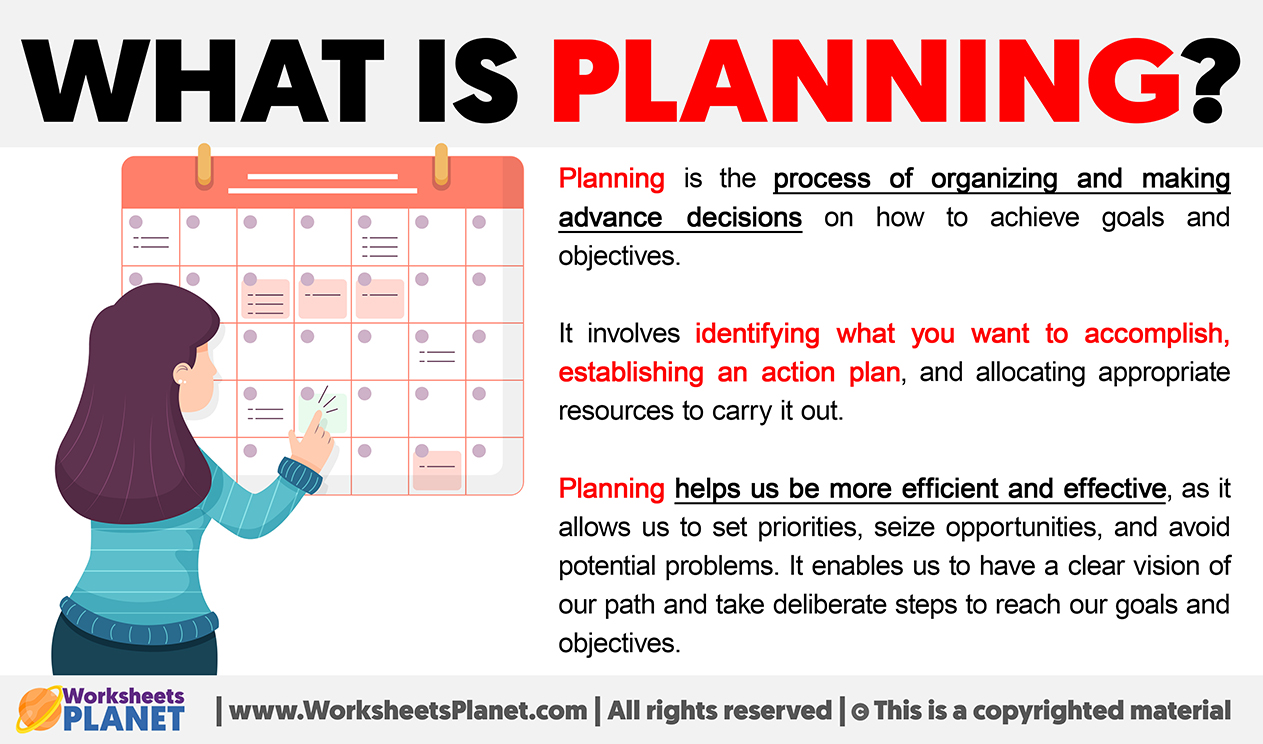
A financial plan is an integrated strategy that encompasses cash flow management, investment allocation, risk mitigation, and tax optimization. It is the definitive answer to the question of how resources will be deployed over time to achieve specific, measurable outcomes. Whether the objective is retiring at fifty, funding a multi-generational legacy, or launching a high-growth startup, the plan serves as the operational manual for every dollar earned, saved, and invested.
Defining the Financial Plan in the Modern Economy
In today’s fast-paced digital economy, the traditional definition of a financial plan has evolved. It is no longer a document that sits in a drawer gathering dust; it is a dynamic system of decision-making. At its core, a plan is a commitment to a specific set of behaviors and a methodology for allocating capital.
The Difference Between Budgeting and Planning
It is a common misconception to use the terms “budgeting” and “planning” interchangeably. While budgeting is a critical component of a financial plan, it is inherently tactical and short-term. Budgeting focuses on the “how much”—tracking the inflow and outflow of cash on a monthly basis to ensure that one does not spend more than they earn.
Planning, by contrast, is strategic and long-term. It asks the “why” and the “when.” A plan looks at the totality of a person’s financial life over decades. It considers how a budget today affects the compounding interest of tomorrow. While a budget manages your current lifestyle, a plan builds your future empire. A plan incorporates macroeconomic trends, life stages, and the shifting landscape of global markets to ensure that your capital is always working toward a defined purpose.
Identifying Core Financial Objectives
The first step in any plan is the identification of core objectives. A plan without a target is merely a collection of data. These objectives must be quantified and time-bound. For instance, rather than stating a desire to “be wealthy,” a professional financial plan defines wealth as “generating $15,000 in monthly passive income by age 55.”
This clarity allows for the reverse-engineering of the necessary steps. By identifying the destination, the plan can calculate the required rate of return, the necessary monthly contribution, and the appropriate level of risk. This transformation of vague desires into mathematical certainties is the hallmark of a high-level financial strategy.
The Structural Components of a Wealth Strategy
A sophisticated plan is composed of several interlocking layers. If one layer is weak, the entire structure is at risk. To build a plan that fosters true financial independence, one must address asset allocation, tax efficiency, and the protection of capital.
Asset Allocation and Diversification
Asset allocation is perhaps the most critical element of a financial plan. It is the process of dividing an investment portfolio among different asset categories, such as stocks, bonds, real estate, and alternative investments like private equity or digital assets. The goal of allocation is not merely to chase the highest returns, but to balance risk and reward according to an individual’s time horizon and risk tolerance.
Diversification is the mechanism used to execute this allocation. A plan ensures that you are not overly exposed to a single company, sector, or geographic region. In the modern era, this also includes diversifying across currencies and platforms. A well-constructed plan recognizes that market cycles are inevitable; by spreading assets across uncorrelated classes, the plan minimizes the impact of a downturn in any single market, ensuring the longevity of the portfolio.
Tax Efficiency and Legal Protection
A plan that ignores taxes is not a plan; it is a leak. One of the most significant erosions of wealth over time is the impact of taxation. A professional financial plan seeks to minimize this impact through the strategic use of tax-advantaged accounts, such as IRAs, 401(k)s, or health savings accounts (HSAs). It also looks at the timing of asset sales to take advantage of long-term capital gains rates versus higher ordinary income tax rates.
Furthermore, a plan must include a layer of legal protection. This involves estate planning—wills, trusts, and powers of attorney—to ensure that wealth is transferred according to the individual’s wishes with minimal legal interference or estate tax burden. It also includes insurance as a hedge against catastrophic loss. Life, disability, and liability insurance are not just expenses; they are the “moat” that protects the financial fortress built by the plan.
Scaling Through Multiple Income Streams

In the modern financial landscape, relying on a single source of income is increasingly seen as a high-risk strategy. A comprehensive financial plan today often includes a roadmap for developing and scaling multiple income streams. This move from a linear income model to a diversified income model is a cornerstone of professional wealth building.
Incorporating Side Hustles and Digital Business
The rise of the digital economy has made it more accessible than ever to build secondary income streams. A plan identifies how to leverage professional skills or hobbies into profitable ventures. This might involve consulting, e-commerce, content creation, or software development.
The plan dictates how the revenue from these “side hustles” is utilized. Rather than using additional income for lifestyle inflation, a disciplined plan directs these funds toward high-yield investments or the repayment of high-interest debt. By treating a side hustle as a business unit within one’s personal financial plan, an individual can accelerate their path to financial independence significantly.
The Role of Passive Income in Long-term Planning
The ultimate goal of many financial plans is the transition from active income (working for money) to passive income (money working for you). Passive income streams, such as dividend-paying stocks, rental properties, or royalties from intellectual property, provide the freedom to detach time from earnings.
A plan outlines the specific milestones for building these streams. It calculates the “critical mass” required—the point at which the yield from investments covers all living expenses. Reaching this point is the definition of financial freedom, and the plan is the sequence of steps that leads there.
Behavioral Finance: The Human Element of the Plan
The greatest threat to a financial plan is often the person who created it. Behavioral finance teaches us that humans are prone to emotional decision-making, particularly during times of market volatility. A plan serves as a psychological anchor, providing a set of pre-determined actions that prevent impulsive mistakes.
Overcoming Emotional Volatility
When the market drops, the natural human instinct is “fight or flight,” often leading to selling assets at the bottom of a cycle. Conversely, when markets are booming, the “fear of missing out” (FOMO) can lead to overextending into risky assets at the top.
A plan mitigates these impulses by establishing clear guidelines for rebalancing. If a plan dictates a 60/40 split between stocks and bonds, and the stock market surges, the plan requires selling some stocks to buy bonds, effectively forcing the investor to “sell high.” If the market crashes, the plan requires buying more stocks, forcing the investor to “buy low.” By following the plan, the investor removes emotion from the equation and relies on logic and mathematics.
The Power of Automation in Financial Discipline
One of the most effective ways to ensure a plan succeeds is through automation. Modern financial tools allow for the automatic transfer of funds into savings and investment accounts the moment a paycheck arrives. This “pay yourself first” mentality ensures that the plan is executed before any discretionary spending occurs.
Automation removes the “decision fatigue” associated with saving. When the process is seamless and invisible, the plan gains a momentum of its own. Over time, these automated contributions, fueled by the power of compounding interest, become the primary driver of wealth accumulation.
The Iterative Nature of Success
Finally, it is essential to recognize that a plan is not a “set it and forget it” document. The world changes—tax laws are rewritten, new technologies emerge, and personal circumstances shift. A truly effective plan is iterative.
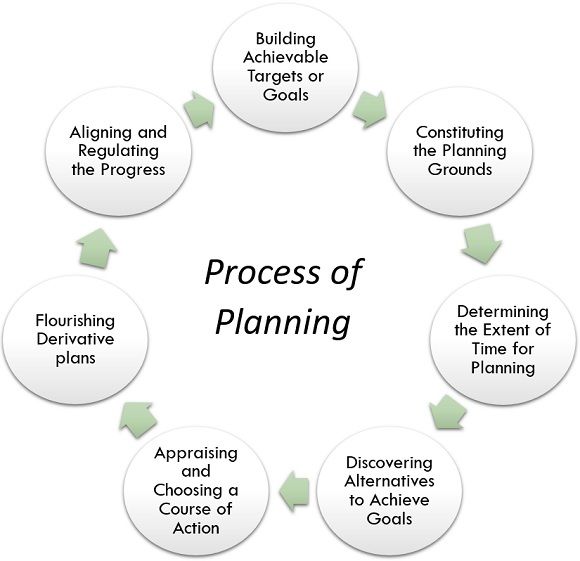
Periodic Reviews and Adjustments
A professional financial plan requires at least an annual review. This is the time to assess progress toward goals, adjust for major life events—such as marriage, the birth of a child, or a career change—and respond to the current economic environment.
The review process allows for the recalibration of the plan. If an investment has outperformed, it may be time to harvest gains. If a new side hustle is showing promise, the plan can be adjusted to allocate more resources toward its growth. This flexibility ensures that the plan remains relevant and effective throughout all the seasons of one’s financial life.
In conclusion, a plan is the indispensable foundation of financial success. It is the synthesis of vision, strategy, and discipline. By defining clear objectives, building a resilient structure of assets, diversifying income streams, and managing the human tendency toward emotional error, a plan transforms the dream of wealth into a tangible, achievable reality. It is the ultimate tool for anyone seeking to master their money rather than being a servant to it.
aViewFromTheCave is a participant in the Amazon Services LLC Associates Program, an affiliate advertising program designed to provide a means for sites to earn advertising fees by advertising and linking to Amazon.com. Amazon, the Amazon logo, AmazonSupply, and the AmazonSupply logo are trademarks of Amazon.com, Inc. or its affiliates. As an Amazon Associate we earn affiliate commissions from qualifying purchases.