
The digital age has democratized entrepreneurship, offering unprecedented opportunities for individuals to build lucrative ventures from the comfort of their homes. Starting an online business is no longer a niche pursuit but a viable and increasingly popular path to financial independence and wealth creation. However, the allure of low overheads and global reach often overshadows the critical financial planning, strategic decision-making, and consistent management required for sustainable success. This comprehensive guide delves into the essential monetary considerations and strategic financial steps involved in launching and scaling a profitable online enterprise, ensuring your journey is built on a solid fiscal foundation.
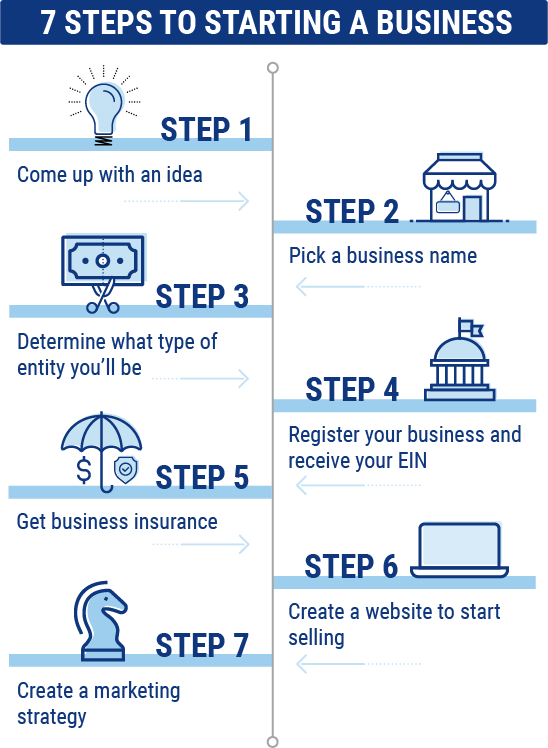
Laying the Financial Foundation: Ideation and Market Validation
Every successful online business begins with a compelling idea, but more importantly, a profitable one. Before investing time, effort, and capital, a thorough financial validation of your concept is paramount. This initial phase is about identifying a viable revenue stream and ensuring there’s a market willing to pay for your solution.
Identifying a Profitable Niche and Solving a Problem
The cornerstone of a financially successful online business is pinpointing a niche that has unmet needs or underserved demand, coupled with a clear path to monetization. Instead of chasing broad, saturated markets, focus on specific segments where you can offer unique value. Ask yourself:
- What pain points can my product or service alleviate?
- Are customers actively searching for solutions to this problem, indicating a willingness to spend?
- What is the estimated market size and potential revenue within this niche?
- Are there existing solutions, and how can mine offer superior value or a more attractive price point?
The goal here isn’t just to find a problem, but to find a problem that a significant enough number of people are financially motivated to solve, and for which you can offer a financially sustainable solution. This involves considering the potential for recurring revenue, high-ticket sales, or a large volume of lower-priced transactions.
Market Research and Competitor Analysis for Financial Viability
Once a niche is identified, rigorous market research and competitor analysis are crucial to confirm its financial viability. This isn’t merely about understanding your audience; it’s about understanding their spending habits and the competitive landscape’s pricing structures.
- Demand Analysis: Utilize tools like Google Keyword Planner to assess search volume for terms related to your niche. High search volume for commercial keywords (e.g., “buy [product],” “[service] cost”) indicates strong buyer intent and potential revenue.
- Competitor Pricing & Offerings: Analyze what competitors are charging, their value propositions, and their perceived financial success. This helps in benchmarking your own pricing strategy and identifying gaps in the market where you can differentiate and potentially capture market share at a profitable price. Look for areas where competitors might be overcharging for poor quality, or undercharging and struggling with profitability.
- Customer Willingness to Pay: Conduct surveys, interviews, or use online forums to gauge potential customers’ willingness to pay for your proposed solution. This direct feedback can prevent costly missteps in pricing and product development.
Defining Your Business Model and Revenue Streams
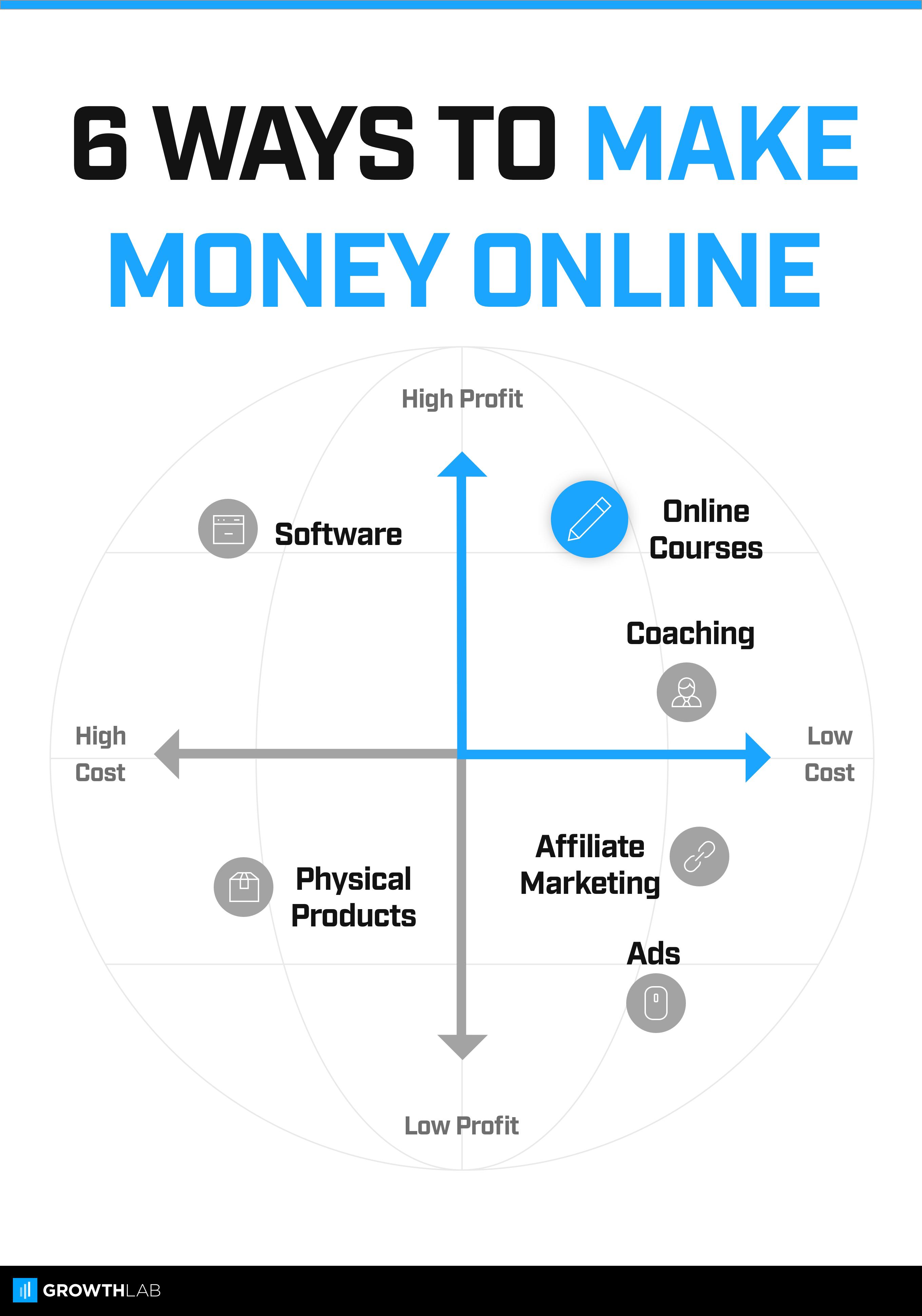
Before a single dollar is spent, clearly articulate how your online business will generate revenue. This financial blueprint dictates every subsequent decision. Common online business models include:
- E-commerce (Selling Physical Products): Requires managing inventory costs, shipping fees, payment processing, and understanding profit margins per product.
- Dropshipping: Reduces inventory costs but demands careful consideration of supplier reliability and profit margins on individual sales.
- Digital Products (eBooks, Courses, Software): High-profit margins once created, but requires significant upfront development investment and strong marketing.
- Services (Consulting, Coaching, Freelancing): Income directly tied to time and skill, emphasizing pricing structure, client acquisition cost, and scalability.
- Affiliate Marketing: Earning commissions on sales generated through referrals, focusing on traffic generation and conversion rates rather than product costs.
- Subscription Services: Offers recurring revenue, requiring consistent value delivery and effective customer retention strategies to ensure long-term financial stability.
Each model has distinct financial implications concerning startup costs, operational expenses, profit margins, and scalability. Choose a model that aligns with your financial goals, risk tolerance, and the identified market opportunity.
Crafting Your Financial Blueprint: Business Planning and Funding
With a validated idea and a defined business model, the next step is to translate your vision into a concrete financial plan. This phase focuses on anticipating costs, securing necessary capital, and outlining the financial journey ahead.
Developing a Comprehensive Business Plan
A business plan isn’t just for investors; it’s a critical roadmap for your financial success. For an online business, the financial section is paramount. It should include:
- Executive Summary: A concise overview of your business, its mission, and its financial potential.
- Financial Projections: Detailed 1-3 year projections for sales, revenue, expenses, and profit margins. Be realistic and consider different scenarios (best case, worst case, most likely).
- Startup Costs: A breakdown of all initial expenses (website development, software subscriptions, initial inventory, legal fees, marketing launch costs).
- Operating Expenses: Recurring monthly costs (hosting, software, marketing, payroll if applicable).
- Break-Even Analysis: Determine when your revenue will cover your total costs, providing a crucial milestone for financial viability.
- Funding Request (if applicable): Clearly state how much capital you need, what it will be used for, and how it will contribute to profitability.
This plan will serve as a constant financial reference, allowing you to track progress against your targets and make informed financial adjustments.
Understanding Startup Costs and Budgeting
Online businesses are often praised for their low startup costs, but “low” doesn’t mean “zero.” Accurately forecasting these initial expenses is vital to avoid undercapitalization. Common startup costs include:
- Technology & Infrastructure: Domain name registration, website hosting, e-commerce platform fees (e.g., Shopify subscription, WooCommerce setup), specific software subscriptions (email marketing, CRM, accounting tools).
- Product Development/Sourcing: Initial inventory purchase, manufacturing costs, licensing fees for digital products, content creation expenses (writers, designers).
- Legal & Administrative: Business registration fees, legal advice for contracts or intellectual property, obtaining necessary licenses or permits.
- Marketing & Branding: Initial branding design (logo, website theme), initial advertising campaigns, content marketing creation.
- Professional Services: Accounting setup, initial consulting if needed.
Create a detailed budget covering these initial outlays and ensure you have sufficient capital to cover them, plus a contingency fund for unexpected expenses. Overestimating costs slightly is always safer than underestimating.

Exploring Funding Options for Online Ventures
While many online businesses can be bootstrapped, some require external funding to scale rapidly or cover significant initial investments.
- Bootstrapping: Using personal savings or reinvesting early profits. This offers maximum control and avoids debt but limits growth speed. It requires meticulous financial management and a lean approach.
- Personal Loans/Credit Cards: Accessible but carry high-interest rates, posing a significant financial risk if the business doesn’t generate revenue quickly.
- Friends and Family: Can be a source of capital, but requires clear financial agreements to protect relationships.
- Angel Investors/Venture Capital: Typically for high-growth potential businesses, requiring significant equity in exchange for capital. They look for strong financial projections and a clear exit strategy.
- Crowdfunding: Platforms like Kickstarter or Indiegogo can raise capital by pre-selling products or offering rewards, also serving as market validation.
- Small Business Loans/Grants: Government-backed loans or grants can offer favorable terms but often have strict eligibility criteria and extensive application processes.
Choose a funding strategy that aligns with your business model’s capital requirements, your personal financial situation, and your comfort with debt or equity dilution. Always understand the financial implications of each option.
Operationalizing for Profit: Setup, Launch, and Management
Once the financial groundwork is laid, the focus shifts to setting up the practical aspects of your online business to ensure efficient operations and optimal financial outcomes. This involves legal, payment, and scaling considerations.
Setting Up Essential Financial and Legal Structures
Proper legal and financial structuring is crucial for compliance, liability protection, and efficient tax management – all directly impacting your bottom line.
- Business Entity Choice: Decide on a legal structure (Sole Proprietorship, LLC, S-Corp, C-Corp). Each has different implications for personal liability, taxation, and administrative burden. Consult with a legal and financial professional to choose the most advantageous structure for your online business, considering tax efficiency and asset protection.
- Business Bank Account: Separate your personal and business finances from day one. This simplifies accounting, tax preparation, and provides a clearer financial picture of your business’s performance.
- Tax IDs and Registrations: Obtain necessary federal and state tax identification numbers (e.g., EIN in the US) and register your business with relevant authorities. Understand your sales tax obligations if you sell physical goods or certain digital services. Mismanagement of taxes can lead to severe financial penalties.
- Financial Record Keeping: Implement a robust system for tracking all income and expenses. This is non-negotiable for understanding profitability, managing cash flow, and ensuring accurate tax filings. Cloud-based accounting software can automate much of this process.
Choosing Payment Gateways and Pricing Strategies
The ability for customers to easily and securely pay is fundamental to online income. Your choice of payment gateways and your pricing strategy directly impact revenue and profitability.
- Payment Gateways: Select reliable payment processors (e.g., Stripe, PayPal, Square, Shopify Payments) that offer secure transactions, competitive processing fees, and support the currencies of your target market. Understand their transaction fees, dispute resolution processes, and payout schedules, as these directly affect your net revenue.
- Pricing Strategy: Your pricing must reflect the value you offer, cover your costs, and generate a healthy profit margin. Consider strategies like:
- Cost-Plus Pricing: Adding a markup to your total costs.
- Value-Based Pricing: Pricing based on the perceived value to the customer.
- Competitive Pricing: Matching or slightly undercutting competitors.
- Tiered Pricing: Offering different packages at various price points.
- Freemium Models: Offering a free basic version and charging for premium features.
Regularly review and adjust your pricing based on market feedback, competitor actions, and your own financial performance.
Scaling for Sustained Financial Growth
Once your online business is operational and generating initial revenue, the focus shifts to scaling efficiently to maximize financial growth without compromising profitability.
- Automate Financial Processes: Invest in software for invoicing, expense tracking, payroll, and inventory management. Automation reduces errors, saves time, and frees up resources for growth initiatives.
- Expand Product/Service Offerings: Diversify your income streams by introducing new products or services that align with your niche and customer base. This can increase average customer value and reduce reliance on a single offering.
- Geographic Expansion: If your business model allows, explore new markets beyond your initial target, always evaluating the financial implications of international shipping, currency conversion, and localized marketing.
- Strategic Partnerships: Collaborate with complementary businesses to cross-promote, share customer bases, or co-create products, leading to new revenue opportunities and reduced customer acquisition costs.
- Optimizing Customer Lifetime Value (CLV): Focus on retaining existing customers through excellent service, loyalty programs, and targeted upsells/cross-sells. It’s often more cost-effective to retain a customer than acquire a new one, directly impacting long-term profitability.
Mastering the Financial Lifecycle: Growth and Optimization
Sustainable online business success hinges on continuous financial monitoring, strategic reinvestment, and diligent risk management. This final stage is about optimizing financial performance and ensuring long-term viability.
Financial Tracking, Reporting, and Analysis
Consistent financial oversight is non-negotiable. It allows you to understand your business’s health, identify trends, and make data-driven financial decisions.
- Key Financial Metrics: Regularly track and analyze metrics such as:
- Gross Profit Margin: Revenue minus Cost of Goods Sold (COGS).
- Net Profit Margin: The percentage of revenue left after all expenses.
- Customer Acquisition Cost (CAC): The total cost of acquiring one new customer.
- Customer Lifetime Value (CLV): The total revenue a customer is expected to generate over their relationship with your business.
- Cash Flow: The movement of money into and out of your business.
- Regular Reporting: Generate monthly or quarterly financial reports (Profit & Loss statements, Balance Sheets, Cash Flow Statements) to get a clear snapshot of your business’s performance.
- Budget vs. Actual Analysis: Compare your actual financial performance against your initial budget and projections. This helps identify areas of overspending or underperforming revenue and allows for timely adjustments.
Reinvesting for Expansion and Long-Term Profitability
As your online business generates profits, strategic reinvestment is key to sustained growth. This isn’t about aimless spending but calculated deployment of capital to yield greater future returns.
- Marketing & Advertising: Allocate funds to proven marketing channels that deliver a strong return on investment (ROI). This could include paid advertising, content marketing, SEO, or social media campaigns.
- Product/Service Development: Reinvest in improving existing offerings or developing new ones to stay competitive and cater to evolving customer needs.
- Technology & Infrastructure Upgrades: Invest in better software, more robust hosting, or advanced e-commerce features to enhance efficiency, customer experience, and scalability.
- Talent Acquisition: As the business grows, hiring skilled employees or contractors (e.g., virtual assistants, specialized marketers, developers) can free up your time and boost productivity, leading to greater overall financial capacity.
- Financial Reserves: Maintain a healthy cash reserve to weather unexpected downturns, fund future opportunities, or cover operational expenses during lean periods.
Mitigating Financial Risks and Ensuring Compliance
Every business faces risks, and online ventures are no exception. Proactive financial risk management and adherence to compliance are crucial for protecting your assets and ensuring longevity.
- Cybersecurity Investments: Protect customer financial data and your own business assets by investing in robust cybersecurity measures, secure payment gateways, and data backup solutions. Data breaches can lead to significant financial penalties and reputational damage.
- Legal & Regulatory Compliance: Stay updated on relevant laws, including data privacy regulations (e.g., GDPR, CCPA), consumer protection laws, and intellectual property rights. Non-compliance can result in hefty fines and legal battles.
- Insurance: Consider business insurance policies such as general liability, product liability (if selling physical goods), or cyber liability insurance to protect against unforeseen financial losses.
- Diversify Income Streams: Avoid putting all your financial eggs in one basket. Diversifying your products, services, or even marketing channels can mitigate the risk of a single revenue stream failing.
- Regular Financial Audits: Periodically review your financial processes and records, either internally or with an external accountant, to identify inefficiencies, errors, or potential fraud.
Starting an online business is a journey that demands consistent attention to its financial health. By methodically planning, budgeting, managing, and optimizing your financial resources at every stage, you can build a resilient, profitable, and enduring online enterprise that achieves your goals of financial freedom and success.
aViewFromTheCave is a participant in the Amazon Services LLC Associates Program, an affiliate advertising program designed to provide a means for sites to earn advertising fees by advertising and linking to Amazon.com. Amazon, the Amazon logo, AmazonSupply, and the AmazonSupply logo are trademarks of Amazon.com, Inc. or its affiliates. As an Amazon Associate we earn affiliate commissions from qualifying purchases.