
Embarking on the journey of entrepreneurship is an exciting prospect, fraught with both immense potential and significant challenges. While passion and innovative ideas are critical, the bedrock of any successful venture is sound financial planning and astute money management. Opening your own business is, at its core, a financial endeavor that demands meticulous preparation, strategic allocation of resources, and a clear understanding of cash flow, profitability, and long-term sustainability.
This guide provides a comprehensive financial blueprint for aspiring business owners, navigating the essential monetary steps from conception to sustainable operation. By focusing on financial strategy, budgeting, funding, and compliance, you can lay a robust foundation for your entrepreneurial dreams, transforming an idea into a fiscally sound reality.

I. Laying the Financial Foundation: Strategic Planning and Capitalization
Before a single product is sold or a service rendered, the financial groundwork must be meticulously laid. This initial phase is about understanding the monetary landscape of your future business, estimating needs, and charting a course for securing the necessary capital. It’s where your vision meets financial reality.
Understanding Your Startup Costs and Operational Expenses
The first step in any financial plan is to quantify your needs. Startup costs are the one-time expenses required to get your business off the ground. These can vary wildly depending on the industry and business model, but commonly include:
- Legal and Administrative Fees: Business registration, licenses, permits, trademarks, legal consultations.
- Equipment and Inventory: Machinery, tools, office furniture, initial stock, computer hardware, software licenses.
- Technology and Infrastructure: Website development, specialized software subscriptions, initial connectivity setup.
- Rent and Utilities: Security deposits, first month’s rent for physical premises, utility hook-up fees.
- Initial Marketing and Branding: Design of essential materials (logo, basic website), initial promotional campaigns.
- Professional Services: Accounting setup, initial consulting fees.
- Contingency Fund: An essential buffer, typically 15-20% of your total estimated costs, to cover unforeseen expenses or delays.
Beyond startup costs, you must project your ongoing operational expenses. These are the recurring costs necessary to keep your business running day-to-day, month-to-month. Key operational expenses include:
- Salaries and Wages: For yourself (if drawing a salary) and any initial employees.
- Rent and Utilities: Ongoing monthly payments.
- Inventory Replenishment: Costs of goods sold (COGS).
- Marketing and Advertising: Ongoing campaigns, digital ads, content creation.
- Insurance: General liability, professional indemnity, property insurance.
- Software Subscriptions: Ongoing fees for CRM, accounting software, project management tools.
- Supplies: Office supplies, maintenance materials.
- Loan Repayments: If applicable.
Thoroughly itemizing these costs provides a realistic picture of the financial commitment required and informs your fundraising strategy.
Crafting a Robust Business Plan with Financial Projections
A comprehensive business plan is not just a document for investors; it’s your financial roadmap. While it covers various aspects of your business, the financial section is paramount. This section should include:
- Startup Cost Analysis: A detailed breakdown of all initial expenses.
- Funding Request: If seeking external financing, clearly state how much capital is needed and how it will be utilized.
- Financial Projections:
- Sales Forecasts: Realistic estimations of revenue over the first 1-3 years, broken down monthly or quarterly. Base these on market research, comparable businesses, and conservative assumptions.
- Profit and Loss (P&L) Statement: Projected revenues minus expenses to show anticipated profit or loss over time.
- Cash Flow Statement: Critical for understanding the movement of money in and out of your business. This shows if you’ll have enough liquid funds to meet obligations, even if profitable on paper.
- Balance Sheet: A snapshot of your business’s assets, liabilities, and equity at a specific point in time.
- Break-Even Analysis: The point at which your revenue equals your total costs, indicating when your business will start generating a profit.
These financial statements are not mere formalities; they are analytical tools that help you identify potential financial bottlenecks, set realistic goals, and demonstrate the viability of your venture to yourself and potential funders.
Identifying and Securing Funding Sources
Once you know how much money you need, the next step is to figure out where it will come from. There are several common avenues for funding a new business, each with its own implications:
- Self-Funding (Bootstrapping): Using personal savings, credit cards (with caution), or income from other sources. This maintains full ownership and control but may limit growth potential.
- Family and Friends: Often a flexible option, but requires clear, written agreements to avoid personal strain.
- Bank Loans: Traditional small business loans (e.g., SBA loans in the U.S.). Requires a solid business plan, good personal credit, and often collateral.
- Venture Capital (VC) or Angel Investors: Equity financing for high-growth potential businesses. Investors provide capital in exchange for ownership shares and often strategic guidance. This is typically for scalable businesses with high returns.
- Crowdfunding: Raising small amounts of capital from a large number of people, often through platforms like Kickstarter or Indiegogo. Can be reward-based or equity-based.
- Grants: Non-repayable funds often available from government agencies or non-profit organizations, typically for specific industries, research, or underrepresented groups.
- Lines of Credit: Provides access to funds up to a certain limit, which can be drawn upon as needed and repaid, offering flexibility for managing cash flow.
Carefully evaluate the pros and cons of each option, considering the amount of capital needed, your comfort with debt versus equity, and the timeline for repayment or return on investment.
II. Budgeting for Success: Managing Cash Flow and Financial Health
Once capital is secured, effective budgeting and diligent financial management become paramount. This phase is about putting your financial plan into action, monitoring your spending, and ensuring the ongoing liquidity and health of your business.
Developing an Initial Budget and Forecasting Revenue
An initial budget is a detailed plan for how you intend to spend your capital and how you expect to generate income within a specific timeframe (e.g., the first 6-12 months). It should categorize all projected income and expenses. Key components include:
- Income Streams: Clearly define where your revenue will come from (e.g., product sales, service fees, subscriptions).
- Fixed Costs: Expenses that remain constant regardless of sales volume (e.g., rent, insurance premiums, software subscriptions).
- Variable Costs: Expenses that fluctuate with the level of business activity (e.g., raw materials, direct labor, shipping costs).
- Discretionary Spending: Items that are not essential for operations but contribute to growth or employee welfare (e.g., marketing events, team building).
Revenue forecasting involves projecting future sales based on market analysis, past performance (if applicable), and strategic initiatives. This isn’t just a hopeful guess; it’s an educated estimate that guides your spending limits and helps you anticipate periods of surplus or shortfall. Regularly compare your actual results against your budget and forecasts to identify discrepancies and adjust your strategies proactively.
Essential Financial Tools and Software for Small Businesses
Leveraging technology can significantly streamline financial management, reduce errors, and provide crucial insights. For small businesses, several types of financial tools are indispensable:
- Accounting Software: Platforms like QuickBooks, Xero, or FreshBooks automate bookkeeping tasks, track income and expenses, generate financial reports (P&L, balance sheet, cash flow), and simplify tax preparation. Choosing cloud-based software offers accessibility and real-time data.
- Payment Processors: Services like Stripe, PayPal, or Square enable secure acceptance of online and in-person payments, which is crucial for modern businesses. Understand their fees and integration capabilities.
- Budgeting and Forecasting Tools: Spreadsheets (Excel, Google Sheets) are powerful for custom models, but dedicated financial planning software can offer more sophisticated scenario planning and automation.
- Expense Tracking Apps: Tools that allow you to photograph receipts, categorize expenses, and monitor spending on the go, making reconciliation easier.
- Payroll Services: For businesses with employees, services like Gusto or ADP handle salary payments, tax withholdings, and compliance.
Investing in the right financial tools from the outset will save time, minimize administrative burden, and provide clearer visibility into your financial performance, allowing you to make data-driven decisions.
Strategies for Cost Control and Expense Management
Effective cost control is not about pinching pennies; it’s about optimizing spending to maximize profitability and ensure long-term financial stability.
- Negotiate with Suppliers: Don’t be afraid to negotiate prices with vendors, especially as your order volumes increase. Explore multiple suppliers to ensure competitive rates.
- Automate Where Possible: Automate repetitive tasks (e.g., invoicing, payment reminders) to reduce labor costs and improve efficiency.
- Monitor Subscriptions and Services: Regularly review all recurring subscriptions and services. Cancel those that are underutilized or no longer necessary.
- Energy Efficiency: Implement practices to reduce utility costs, especially for physical premises.
- Outsource Non-Core Functions: Consider outsourcing tasks like payroll, IT support, or specific marketing efforts to specialists, which can be more cost-effective than hiring full-time staff.
- Track Every Expense: Implement a rigorous system for tracking all business expenses. This not only aids budgeting but also ensures you capture all eligible deductions at tax time.
- Cash Flow Forecasting: Regularly forecast your cash flow to anticipate potential shortages or surpluses. This allows you to plan for lean periods or strategically invest excess cash.
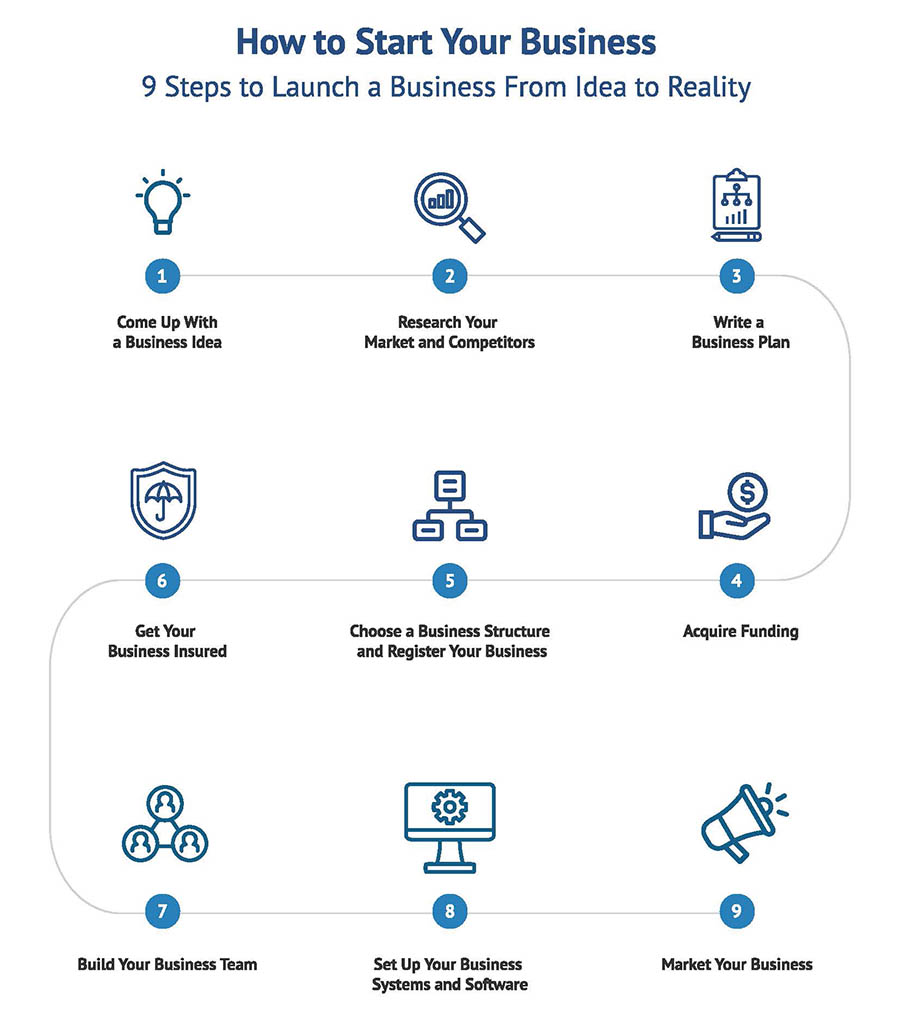
A proactive approach to managing expenses ensures that every dollar spent contributes directly to your business goals and isn’t wasted on inefficiencies.
III. Pricing, Profitability, and Sustainable Growth
The ultimate goal of any business is to generate profit and ensure sustainable growth. This section delves into the financial strategies for setting prices, understanding profit drivers, and planning for the long-term financial health of your enterprise.
Developing a Smart Pricing Strategy for Your Products/Services
Pricing is a delicate balance. Price too low, and you undervalue your offerings and erode profit margins. Price too high, and you risk alienating customers. A smart pricing strategy considers multiple factors:
- Cost-Plus Pricing: Calculate all costs associated with producing your product or delivering your service, then add a desired profit margin. This ensures you cover costs, but might not reflect market value.
- Value-Based Pricing: Set prices based on the perceived value your product or service delivers to the customer. This often allows for higher margins, especially for unique or premium offerings.
- Competitor-Based Pricing: Analyze what your competitors are charging for similar offerings and position your prices accordingly. You might price slightly lower to attract customers, or higher to signal superior quality.
- Dynamic Pricing: Adjust prices in real-time based on demand, supply, and other market conditions. Common in e-commerce and hospitality.
- Psychological Pricing: Use pricing tactics like ending prices in .99 or offering bundle deals to influence consumer perception.
It’s crucial to understand your target market’s willingness to pay and to regularly review and adjust your pricing strategy as market conditions, costs, and competitor offerings evolve. Pricing is not a one-time decision but an ongoing financial lever.
Understanding Breakeven Analysis and Profit Margins
Knowing your break-even point is fundamental. This is the sales volume (in units or revenue) at which your total revenues equal your total costs (fixed + variable), resulting in zero profit. Understanding this helps you set sales targets and evaluate the viability of your business model.
- Break-Even Point (Units) = Fixed Costs / (Per-Unit Revenue – Per-Unit Variable Costs)
- Break-Even Point (Revenue) = Fixed Costs / ((Total Revenue – Total Variable Costs) / Total Revenue)
Profit margins indicate how much profit your business makes from its sales.
- Gross Profit Margin: (Revenue – Cost of Goods Sold) / Revenue. This shows the profitability of your core products/services before operating expenses.
- Operating Profit Margin: (Gross Profit – Operating Expenses) / Revenue. This reflects the efficiency of your operations.
- Net Profit Margin: (Net Income / Revenue). This is your bottom-line profit after all expenses, taxes, and interest.
Monitoring these margins provides crucial insights into the financial health and efficiency of your business. Low margins might signal a need to raise prices, reduce costs, or increase sales volume. High margins indicate strong performance and pricing power.
Reinvesting Profits and Planning for Future Financial Growth
Once your business becomes profitable, a critical financial decision is how to utilize those earnings. While some owners may take distributions, strategically reinvesting profits is often key to sustained growth.
- Expand Operations: Funding new product development, market expansion, or opening additional locations.
- Improve Infrastructure: Upgrading equipment, technology, or facilities to enhance efficiency and capacity.
- Increase Marketing and Sales Efforts: Investing in campaigns that can reach new customers and drive further revenue.
- Build Cash Reserves: Creating a larger financial buffer for future downturns or opportunities.
- Reduce Debt: Paying down loans faster can reduce interest expenses and improve your balance sheet.
- Invest in Employee Development: Training and benefits can boost productivity and retention, indirectly leading to financial gains.
Long-term financial planning should also involve setting financial goals (e.g., revenue targets, profit margins, market share) and developing strategies to achieve them. This might include exploring new funding rounds for significant expansion or planning for eventual exit strategies like selling the business.
IV. Navigating Legal and Tax Obligations: Financial Compliance
Operating a business involves a multitude of legal and tax responsibilities that have direct financial implications. Understanding and adhering to these regulations is crucial to avoid penalties, ensure compliance, and protect your personal and business assets.
Choosing the Right Business Structure and Its Financial Implications
The legal structure you choose for your business directly impacts your financial liability, tax obligations, and administrative burden. Common structures include:
- Sole Proprietorship: Simple to set up, but no legal distinction between you and your business. Your personal assets are at risk for business debts and liabilities. Profits are taxed on your personal income tax return.
- Partnership: Similar to a sole proprietorship for two or more owners, with shared profits, losses, and liabilities. Also, passes through profits/losses to personal income.
- Limited Liability Company (LLC): Offers personal asset protection (limited liability) for owners while often providing pass-through taxation (profits/losses reported on personal returns). More complex to set up than a sole proprietorship but offers significant financial protection.
- Corporation (C-Corp or S-Corp):
- C-Corp: Provides the strongest liability protection for owners and can easily raise capital through stock sales. However, subject to “double taxation” (corporate profits taxed, then dividends paid to shareholders taxed again on personal income).
- S-Corp: Avoids double taxation by passing profits/losses directly to owners’ personal income, similar to an LLC or partnership, but with stricter operational requirements.
Consulting with a legal and financial advisor is highly recommended to select the structure that best aligns with your financial goals, risk tolerance, and business growth trajectory.
Understanding Tax Requirements and Deductions for Small Businesses
Taxation is a significant financial aspect of running a business. Failing to comply can result in severe penalties.
- Federal, State, and Local Taxes: Be aware of all applicable income taxes, sales taxes, payroll taxes, and property taxes at various government levels.
- Employer Identification Number (EIN): If you have employees or operate as a corporation or partnership, you’ll need an EIN from the IRS.
- Estimated Taxes: As a business owner, you typically pay estimated taxes quarterly rather than through paycheck withholdings. Failure to do so can result in penalties.
- Record-Keeping: Meticulous record-keeping of all income and expenses is essential for accurate tax filing and to support any deductions.
- Eligible Deductions: Many business expenses are tax-deductible, reducing your taxable income. These can include office supplies, rent, utilities, advertising, business travel, and professional development. Keeping good records allows you to claim all eligible deductions.
Consider hiring a qualified tax professional or accountant who specializes in small businesses to ensure compliance and optimize your tax strategy. Their expertise can save you significant money and stress.
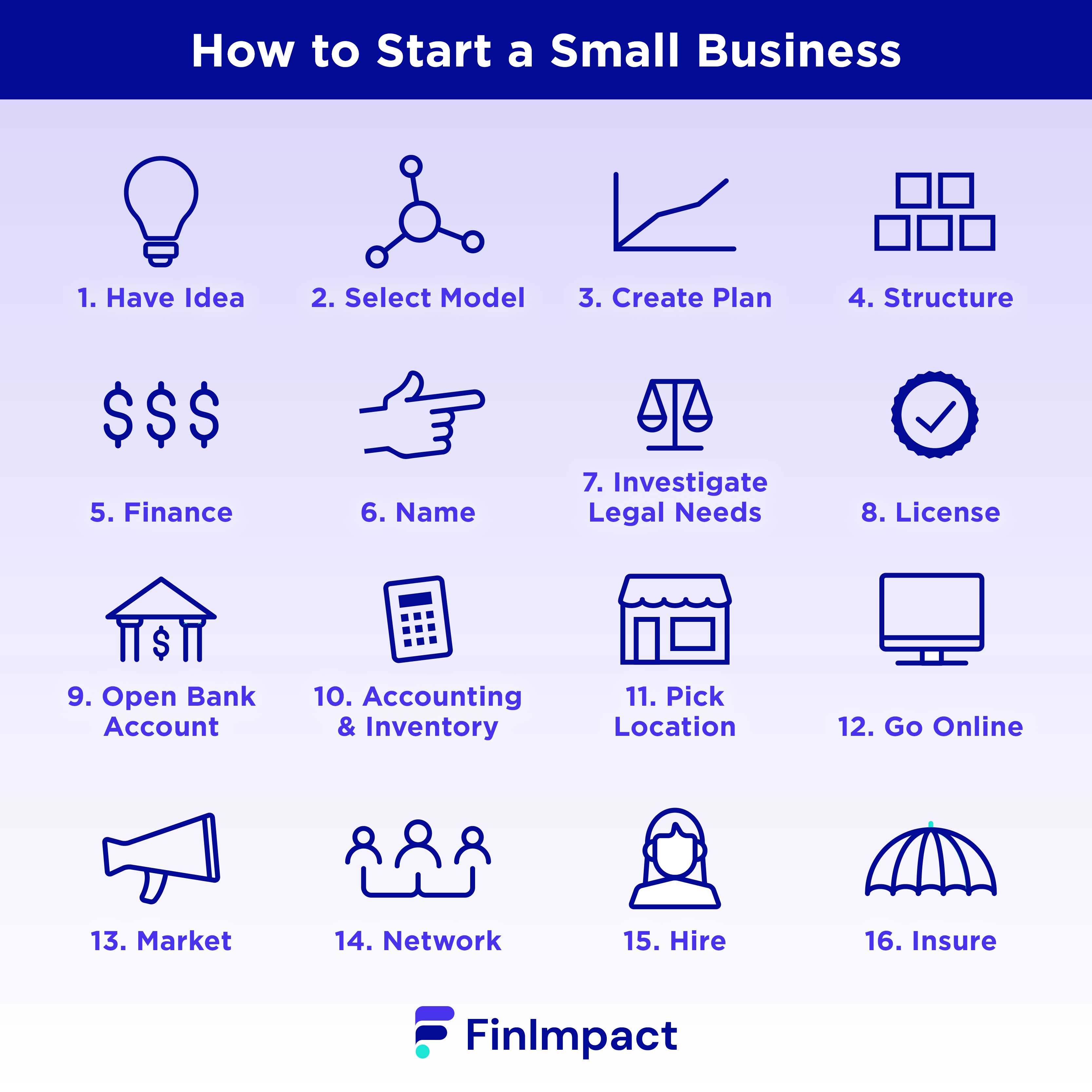
The Importance of Separate Business Finances and Record-Keeping
One of the most fundamental financial practices for any new business is to separate personal and business finances immediately.
- Open a Dedicated Business Bank Account: This is non-negotiable. It simplifies accounting, makes tax preparation easier, and provides a clear audit trail. Co-mingling funds can also undermine the liability protection offered by structures like LLCs and corporations.
- Obtain a Business Credit Card: This helps track business expenses separately and can help build business credit.
- Maintain Detailed Records: Keep all receipts, invoices, bank statements, and payroll records. Financial records should be organized, easily accessible, and regularly updated.
- Regular Reconciliation: Periodically reconcile your bank statements with your accounting software records to ensure accuracy and identify any discrepancies.
By establishing clear boundaries between personal and business finances, you create a transparent financial system that protects your personal assets, simplifies financial management, and provides a solid foundation for financial reporting and strategic decision-making.
Opening your own business is a profound step, and while the passion for your idea fuels the journey, it is financial acumen that paves the path to enduring success. By diligently planning, managing, and understanding the monetary aspects detailed above, you empower your venture to thrive, grow, and realize its full financial potential.
aViewFromTheCave is a participant in the Amazon Services LLC Associates Program, an affiliate advertising program designed to provide a means for sites to earn advertising fees by advertising and linking to Amazon.com. Amazon, the Amazon logo, AmazonSupply, and the AmazonSupply logo are trademarks of Amazon.com, Inc. or its affiliates. As an Amazon Associate we earn affiliate commissions from qualifying purchases.