
Embarking on the entrepreneurial journey is an exciting prospect, fraught with both immense potential and significant challenges. While passion and innovative ideas often ignite the spark, the true engine of any successful business is its financial health. Understanding the intricate dance of capital, costs, revenue, and profitability is paramount from conception to scale. This guide delves into the essential financial strategies and considerations for launching and nurturing a resilient business, ensuring you build not just a venture, but a sustainable financial future.
Laying the Financial Foundation: Essential Pre-Launch Planning
Before a single product is sold or service rendered, the financial architecture of your business must be meticulously designed. This initial phase is critical for setting realistic expectations, securing necessary resources, and avoiding common pitfalls that can derail even the most promising ideas.

Developing a Robust Business Plan with Financial Projections
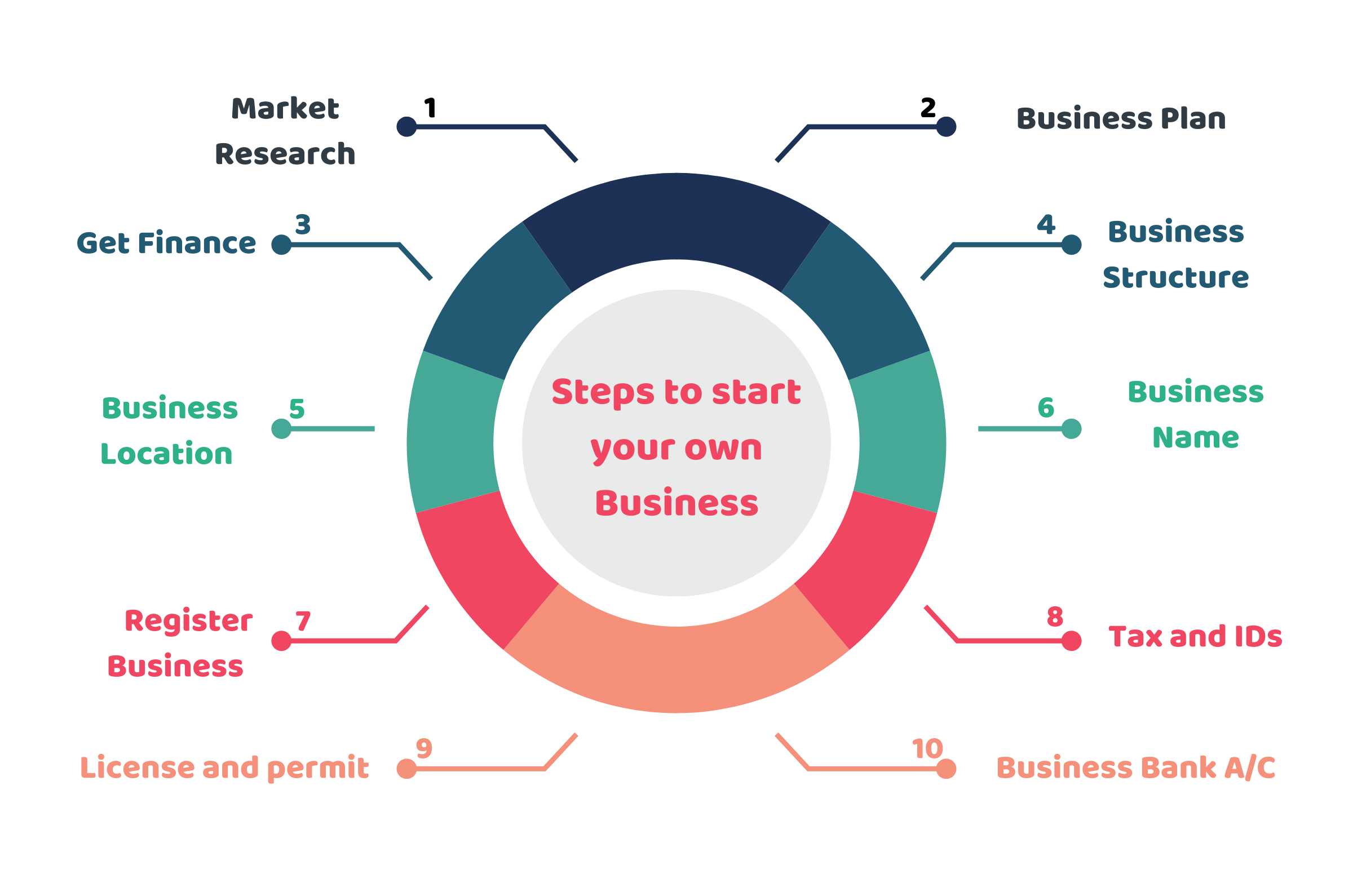
A comprehensive business plan serves as your financial roadmap. Beyond outlining your vision and market strategy, its financial section is the bedrock. This segment must detail anticipated startup costs, operational expenses, projected sales, and a clear break-even analysis. Financial projections should include pro forma income statements, balance sheets, and cash flow statements for at least the first three to five years. These aren’t just arbitrary numbers; they are data-driven forecasts that demonstrate the viability of your business model and provide crucial benchmarks for future performance. Investors, lenders, and even you will rely on these projections to assess risk and potential return. A well-crafted financial plan clarifies revenue streams, identifies key cost drivers, and helps you understand when your business can realistically become profitable.
Understanding Startup Costs and Capital Requirements
Many aspiring entrepreneurs underestimate the true cost of launching a business. Startup costs encompass everything from legal fees for registration, permits, and licenses, to equipment purchases, initial inventory, marketing collateral, technology infrastructure, and even pre-opening salaries. Create a detailed itemized list, distinguishing between one-time expenditures and recurring operational costs. Beyond these direct outlays, it’s vital to account for a working capital reserve – often equivalent to three to six months of operating expenses – to bridge the gap between initial expenditures and consistent revenue generation. This reserve acts as a financial buffer, preventing cash flow crises during the unpredictable early stages. Accurately assessing your total capital requirements is the first step towards securing adequate funding without running dry prematurely.
Choosing the Right Legal Structure for Financial & Tax Efficiency
The legal structure you select for your business has profound implications for liability, taxation, and administrative burden. Options typically include Sole Proprietorship, Partnership, Limited Liability Company (LLC), and Corporation (S-Corp or C-Corp). Each comes with distinct financial advantages and disadvantages. A Sole Proprietorship, while simple and inexpensive to set up, offers no personal liability protection, meaning your personal assets could be at risk. An LLC provides liability protection and pass-through taxation (profits/losses reported on personal tax returns) without the complexity of a corporation. Corporations offer robust liability protection but can be more complex to manage and have different tax implications (e.g., C-Corps face double taxation). Consult with a financial advisor and a legal professional to determine the structure that best aligns with your financial goals, risk tolerance, and long-term growth strategy, optimizing for tax efficiency and asset protection from the outset.
Securing Capital: Funding Your Business Venture
Once you’ve mapped out your financial needs, the next critical step is to acquire the necessary capital. Funding a new business can be approached through various avenues, each with its own set of requirements, benefits, and drawbacks. The optimal strategy often involves a combination of these methods, tailored to your specific situation and the growth trajectory of your venture.
Self-Funding and Bootstrapping Strategies
Self-funding, or “bootstrapping,” is the most common path for many small businesses. It involves using personal savings, credit cards, or borrowing from friends and family. The primary advantage is maintaining full ownership and control, avoiding dilution of equity. Bootstrapping also fosters a disciplined approach to spending, encouraging efficiency and resourcefulness from day one. Strategies include operating from a home office, minimizing overhead, bartering services, delaying non-essential purchases, and focusing intensely on early revenue generation. While it limits the amount of capital available and can be personally risky, successful bootstrapping proves a strong commitment and ability to operate leanly, which can be attractive to future investors if external funding becomes necessary later.
Exploring Debt Financing Options
Debt financing involves borrowing money that must be repaid, typically with interest, over a specified period. This includes traditional bank loans (SBA loans are particularly popular for small businesses due to government guarantees), lines of credit, and microloans. The key benefit of debt financing is that you retain full ownership of your company. Lenders primarily evaluate your creditworthiness, business plan, collateral, and cash flow projections to assess repayment ability. While securing debt can be challenging for startups without a proven track record or significant collateral, a strong business plan and personal guarantees can often help. It’s crucial to thoroughly understand interest rates, repayment schedules, and any collateral requirements before committing to debt, as these obligations directly impact your monthly cash flow.
Attracting Equity Investors and Venture Capital
For businesses with high growth potential and scalability, attracting equity investors can provide substantial capital in exchange for a share of ownership (equity). This can range from angel investors, who are high-net-worth individuals providing seed funding, to venture capitalists (VCs), who manage funds from various sources and invest in startups with significant potential for rapid expansion. Equity financing typically provides not only capital but also valuable mentorship, industry connections, and strategic guidance. However, it also means relinquishing a portion of your company’s ownership and control. The process is often rigorous, requiring detailed pitches, due diligence, and a clear exit strategy for investors to realize a return on their investment. It’s best suited for businesses with clear pathways to significant market disruption and high valuations.
Mastering Business Finance: Day-to-Day Operations and Profitability
Once capital is secured and operations begin, the ongoing management of your finances becomes paramount. This involves more than just tracking money in and out; it’s about strategic decision-making to optimize cash flow, control costs, and maximize profitability.
Effective Budgeting and Cash Flow Management

Budgeting is a continuous process, not a one-time exercise. It involves setting financial goals, allocating resources, and monitoring actual performance against planned expenses and revenues. A well-maintained budget helps you identify areas of overspending, allocate funds efficiently, and ensure you have sufficient capital for ongoing operations. Equally critical is cash flow management – understanding the timing of money entering and leaving your business. Positive cash flow is the lifeblood of any enterprise; even profitable businesses can fail if they run out of cash. Implement robust invoicing and collection processes, manage accounts payable strategically, and maintain a cash flow forecast to anticipate shortfalls and surpluses. Regular analysis of your cash flow statement will reveal opportunities to improve liquidity and ensure financial stability.
Strategic Pricing and Revenue Generation Models
Pricing is a delicate art and science, directly impacting your revenue and perceived value. It must cover your costs, contribute to profit, and be competitive within your market. Consider various pricing strategies such as cost-plus pricing, value-based pricing, competitive pricing, or dynamic pricing. Your revenue generation model defines how your business earns money – whether through direct sales, subscriptions, licensing, advertising, or a combination. Clearly define these models, and continuously evaluate their effectiveness. Can you diversify revenue streams? Are your pricing tiers optimized for different customer segments? A strategic approach to pricing and revenue will ensure that every sale contributes meaningfully to your bottom line and supports sustainable growth.
Essential Financial Tools and Accounting Practices
Even without a background in finance, leveraging the right tools and establishing sound accounting practices is non-negotiable. Accounting software (e.g., QuickBooks, Xero, FreshBooks) automates bookkeeping tasks, generates financial reports, and simplifies tax preparation. Maintaining accurate and up-to-date records of all transactions is crucial for financial reporting, tax compliance, and making informed business decisions. Regularly reconcile bank accounts, track expenses, manage accounts receivable and payable, and classify transactions correctly. Consider hiring a professional bookkeeper or accountant, at least part-time or on a consulting basis, especially as your business grows. Their expertise can save you time, ensure compliance, and provide invaluable insights into your financial performance.
Navigating Legal and Tax Obligations for Financial Health
Beyond the operational aspects of finance, understanding and adhering to the legal and tax framework is critical for avoiding penalties, maintaining compliance, and ultimately safeguarding your business’s financial health. Neglecting these areas can lead to significant monetary fines, legal battles, and reputational damage.
Understanding Business Registrations and Licenses
Before operating, your business must be properly registered with relevant local, state, and federal authorities. This typically includes registering your business name, obtaining an Employer Identification Number (EIN) from the IRS (if you plan to hire employees or operate as a corporation/LLC), and securing necessary business licenses and permits. The specific requirements vary greatly depending on your industry, location, and business structure. For instance, a restaurant will require different permits than a consulting firm. Failing to obtain the correct registrations and licenses can result in fines, operational shutdowns, and even legal action. Researching and understanding these obligations early on is a critical step in establishing a legitimate and compliant operation.
Complying with Tax Laws and Deductions
Taxes are an unavoidable part of doing business, and compliance is paramount. Your business structure dictates how you file and pay taxes (e.g., pass-through taxation for sole proprietors and LLCs, corporate tax for C-Corps). You’ll need to understand federal, state, and possibly local income taxes, self-employment taxes, sales taxes (if you sell taxable goods or services), and payroll taxes (if you have employees). Keeping meticulous financial records is essential for accurate tax reporting. Furthermore, educate yourself on eligible business deductions, which can significantly reduce your taxable income. Common deductions include office expenses, mileage, professional development, and health insurance premiums. Consulting a tax professional is highly recommended to ensure compliance and optimize your tax strategy. Proactive tax planning can save your business substantial sums.
Mitigating Financial Risks Through Insurance and Contingency Planning
Every business faces inherent risks that can lead to significant financial losses. Mitigating these risks through appropriate insurance coverage and robust contingency planning is a vital component of financial resilience. Business insurance policies, such as general liability, professional liability (errors and omissions), property insurance, and workers’ compensation, protect your assets and cash flow from unexpected events like lawsuits, natural disasters, or employee injuries. Assess your specific industry risks and ensure adequate coverage. Beyond insurance, develop a financial contingency plan. This involves creating an emergency fund, identifying alternative revenue streams, and establishing protocols for responding to unforeseen challenges like economic downturns, supply chain disruptions, or loss of key personnel. A well-prepared business is better equipped to weather storms and recover financially.
Scaling for Sustainable Growth and Long-Term Wealth
The ultimate goal for many entrepreneurs is to not only open a business but to grow it into a thriving, self-sustaining enterprise that generates long-term wealth. This requires a continuous focus on financial performance, strategic reinvestment, and forward-thinking planning.
Measuring Financial Performance and Key Metrics
To achieve sustainable growth, you must continuously monitor and understand your business’s financial performance. This involves tracking key financial metrics and indicators (KPIs) beyond just revenue. Important KPIs include gross profit margin, net profit margin, customer acquisition cost (CAC), customer lifetime value (CLTV), burn rate, return on investment (ROI), and inventory turnover. Regularly analyze your financial statements (income statement, balance sheet, cash flow statement) to gain insights into profitability, liquidity, and solvency. Identifying trends, understanding variances from your budget, and using these insights to make data-driven decisions are crucial. A clear understanding of your financial health allows you to identify areas for improvement, capitalize on opportunities, and course-correct when necessary.
Reinvesting Profits for Expansion
As your business generates profits, a key strategic decision is how to allocate those earnings. While some profit may be distributed to owners, a significant portion should often be reinvested back into the business to fuel further growth. Reinvestment can take many forms: developing new products or services, expanding into new markets, upgrading technology and infrastructure, hiring additional talent, or increasing marketing efforts. Strategic reinvestment is about allocating capital to initiatives that promise the highest return and align with your long-term vision. This approach allows your business to scale organically, enhance its competitive advantage, and increase its overall valuation, creating a virtuous cycle of growth and profitability.
Succession Planning and Exit Strategies
While the immediate focus is on opening and growing your business, it’s never too early to consider the long-term future, including your eventual exit strategy. A well-defined exit strategy is a financial plan for how you will eventually divest your ownership in the business, maximizing your return on investment and securing your personal financial future. Common exit strategies include selling the business, passing it on to family members, selling to employees (e.g., an Employee Stock Ownership Plan – ESOP), or even liquidating assets. Each option has different financial implications and requires careful planning. For example, preparing for a sale might involve optimizing your financial statements, documenting processes, and strengthening management to make the business more attractive to potential buyers. Thinking about succession planning ensures a smooth transition of leadership and ownership, preserving the value you’ve worked so hard to build.
Opening a business is a monumental undertaking, but by prioritizing financial planning, disciplined management, and continuous strategic oversight, you can transform a promising idea into a financially robust and enduring enterprise. The journey is challenging, but with a solid grasp of these core financial principles, you’ll be well-equipped to navigate the complexities and achieve your entrepreneurial aspirations.
aViewFromTheCave is a participant in the Amazon Services LLC Associates Program, an affiliate advertising program designed to provide a means for sites to earn advertising fees by advertising and linking to Amazon.com. Amazon, the Amazon logo, AmazonSupply, and the AmazonSupply logo are trademarks of Amazon.com, Inc. or its affiliates. As an Amazon Associate we earn affiliate commissions from qualifying purchases.