
Starting a new business is an exciting, yet often daunting, endeavor. While passion and a brilliant idea are foundational, robust financing is the engine that transforms vision into reality. For many aspiring entrepreneurs, securing a business loan is a critical step, providing the necessary capital for everything from initial operational costs to inventory, marketing, and staffing. However, obtaining a business loan for a startup, particularly one without a proven track record, revenue, or substantial assets, presents unique challenges. This comprehensive guide will navigate the intricacies of securing startup funding, offering insights and actionable strategies to position your new venture for financial success.
Understanding the Startup Funding Landscape
Before diving into the specifics of loan applications, it’s crucial to understand the environment in which startups seek funding. Lenders typically view new businesses as inherently riskier propositions compared to established enterprises. This perception directly influences the availability and terms of financing.
The Unique Challenges of Startup Loans
Startups often lack the fundamental elements that traditional lenders typically require: a history of revenue, demonstrable cash flow, and a significant asset base for collateral. Without these, quantifying the risk associated with lending to a new business becomes significantly more complex. Lenders are primarily concerned with repayment capacity, and a business that hasn’t yet generated sales or profits offers little concrete evidence of its ability to service debt. This necessitates a different approach from both the entrepreneur and potential lenders.
Why Lenders Hesitate with New Businesses
The reluctance of many traditional lenders stems from several factors:
- Lack of Financial History: No track record of consistent income or expenses makes it difficult to assess risk.
- Unproven Business Model: The market viability of a new product or service may not yet be established.
- Limited Collateral: Startups often don’t possess significant assets that can be used to secure a loan.
- High Failure Rate: Statistically, a significant percentage of new businesses fail within their first few years, increasing the perceived risk for lenders.
- Entrepreneurial Inexperience: Lenders may scrutinize the founder’s or management team’s experience and industry knowledge.
Differentiating Debt vs. Equity Financing
It’s important to recognize that a “business loan” falls under debt financing, where you borrow money and agree to repay it, usually with interest, over a set period. In contrast, equity financing involves selling a portion of your company ownership to investors in exchange for capital. While equity can be an attractive option for high-growth startups, this guide focuses exclusively on debt financing – business loans – and how to secure them for your new venture. Understanding the distinction helps in tailoring your approach and managing expectations.
Essential Preparations Before Applying
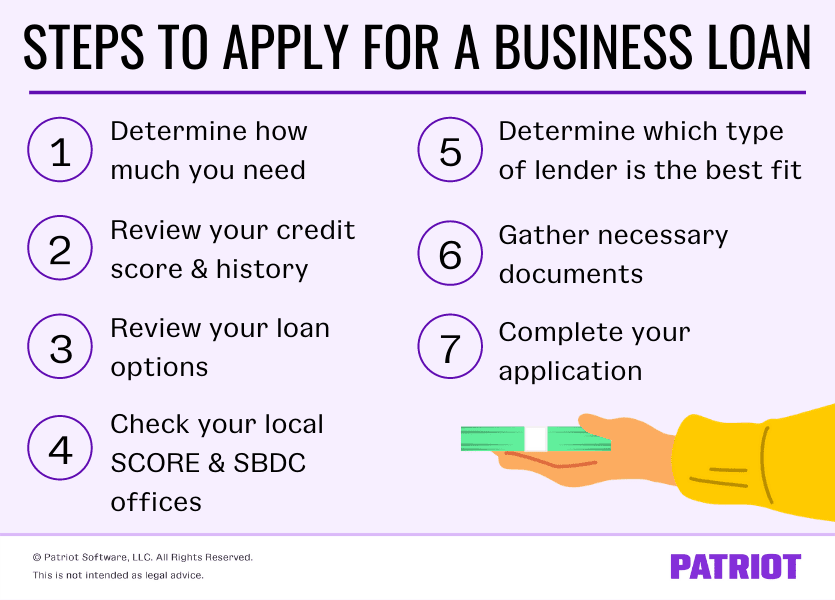
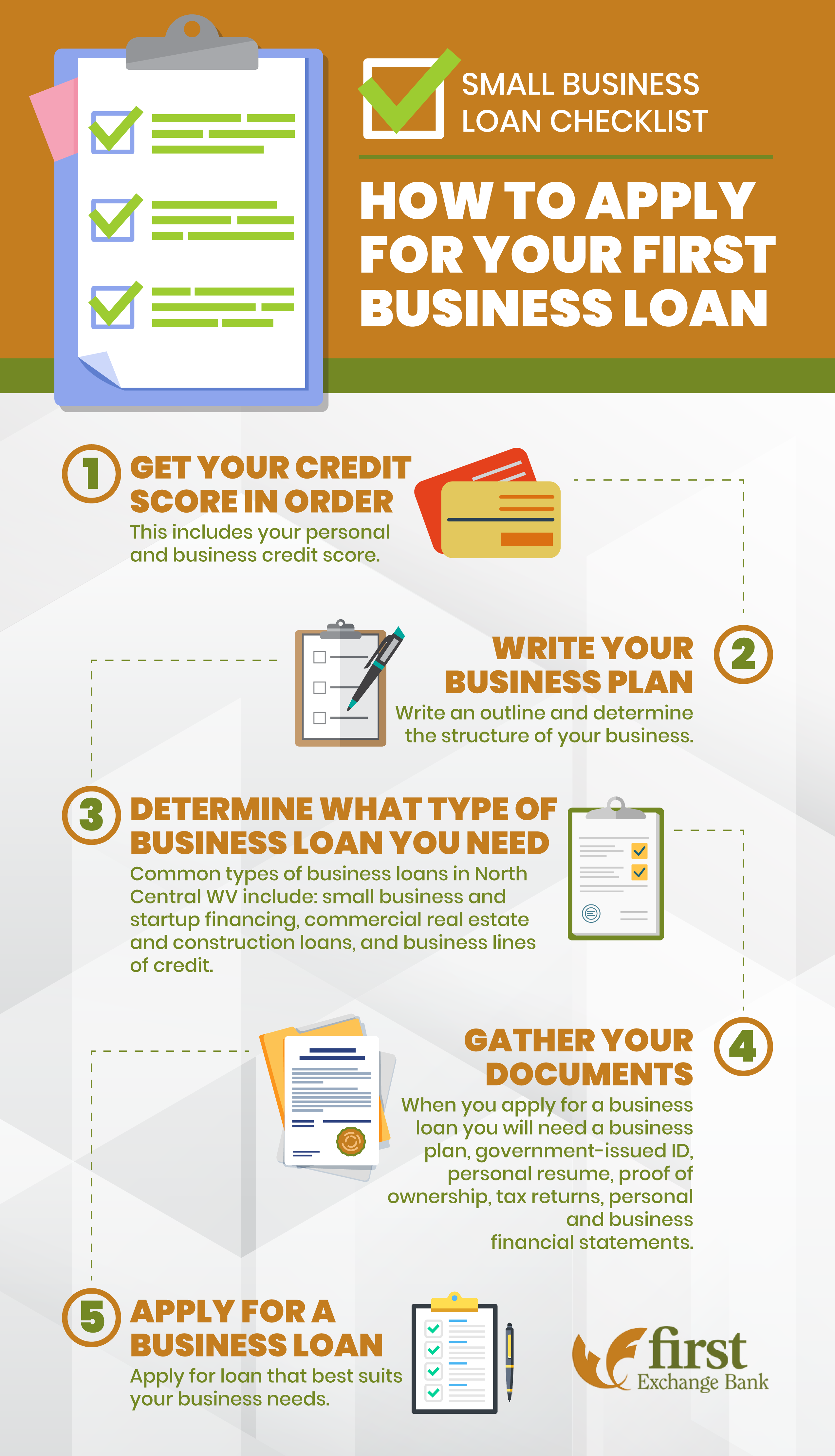
Success in obtaining a business loan for a startup hinges significantly on meticulous preparation. Before you even approach a lender, you must build a compelling case that mitigates their perceived risks and demonstrates your business’s potential for success and, crucially, its ability to repay the loan.
Develop a Robust Business Plan
A well-crafted business plan is not just a formality; it’s your venture’s blueprint and your primary sales tool for lenders. It should comprehensively outline:
- Executive Summary: A concise overview of your business, its mission, and funding needs.
- Company Description: What your business does, its legal structure, and its unique value proposition.
- Market Analysis: In-depth research on your target market, industry trends, competition, and how you’ll differentiate yourself.
- Organization and Management: Details about your management team, their experience, and their roles.
- Service or Product Line: A detailed description of what you’re selling.
- Marketing and Sales Strategy: How you plan to reach customers and generate revenue.
- Financial Projections: The cornerstone for lenders, including startup costs, projected profit and loss statements, cash flow analyses, and balance sheets for at least the next three to five years. Be conservative yet optimistic, and provide clear assumptions.
- Funding Request: Exactly how much money you need and precisely how you intend to use it.
A thorough business plan demonstrates foresight, strategic thinking, and a clear path to profitability, addressing many of a lender’s initial concerns.
Know Your Personal and Business Credit Scores
Your creditworthiness, both personal and, if applicable, business, is a critical factor. For startups, personal credit scores often play a predominant role, as the business itself typically lacks a credit history.
- Personal Credit Score: A strong personal credit score (typically FICO score of 680 or higher) indicates responsible financial management and can significantly improve your chances of approval. Lenders often look at this as an indicator of your reliability.
- Business Credit Score: While your new business won’t have an established score, understanding how it will be built (through trade lines, timely payments to vendors, etc.) and starting to build it immediately is beneficial for future financing.
Obtain copies of your credit reports from all three major bureaus (Equifax, Experian, and TransUnion) and dispute any inaccuracies. Work to improve your score if it’s not optimal before applying.
Gather Financial Projections and Documentation
Beyond the business plan’s financial section, you’ll need to present concrete documentation. This includes:
- Personal Financial Statements: Details of your personal assets, liabilities, and net worth.
- Bank Statements: Personal and any existing business bank statements.
- Tax Returns: Personal and, if applicable, business tax returns for the past 2-3 years.
- Legal Documents: Business registration, licenses, permits, articles of incorporation, etc.
- Resumes: For all key management team members.
- Letters of Intent/Contracts: Any pre-sales, supplier agreements, or client contracts that demonstrate early traction.
The more thoroughly organized and complete your documentation, the more professional and credible you appear to lenders.
Define Your Funding Needs Accurately
A common pitfall for startups is underestimating or overestimating their funding requirements.
- Underestimation: Can lead to running out of cash prematurely, disrupting operations, and requiring another, often more desperate, round of funding.
- Overestimation: Means you borrow more than necessary, incurring higher interest payments and potentially appearing unrealistic to lenders.
Create a detailed budget that itemizes all startup costs, operating expenses for at least the first 6-12 months, and a reserve for unexpected contingencies. Be precise about how every dollar of the loan will be used. Lenders want to see that you’ve done your homework and have a clear, justifiable use for the funds.
Exploring Common Business Loan Options for Startups
Given the inherent risks associated with lending to startups, traditional bank loans can be challenging to secure. However, a range of alternative options caters specifically to new businesses, offering more accessible paths to funding.
SBA Loans (7(a), Microloans)
The U.S. Small Business Administration (SBA) does not directly lend money but guarantees a portion of loans made by participating lenders (banks, credit unions, and non-profit organizations). This guarantee reduces the risk for lenders, making them more willing to approve loans for startups.
- SBA 7(a) Loan Program: The most common and flexible SBA loan, offering up to $5 million for various purposes including working capital, equipment purchases, real estate, and more. While typically requiring some operating history, certain lenders may approve 7(a) loans for well-prepared startups, especially if the borrower brings significant equity or collateral.
- SBA Microloan Program: Provides smaller loans, up to $50,000, primarily for working capital, inventory, or equipment. These loans are often administered by non-profit community-based organizations with a focus on helping underserved entrepreneurs. They often have more flexible eligibility requirements and offer business counseling.
SBA loans generally feature competitive interest rates and longer repayment terms, making them highly desirable for startups.
Traditional Bank Loans
While often difficult for true startups, it’s worth understanding the landscape. Traditional bank loans (term loans, lines of credit) are generally reserved for businesses with established revenue, strong credit histories, and collateral. Banks assess risk rigorously, and a lack of a proven track record is a significant hurdle. However, if you have substantial personal assets to pledge as collateral, a strong personal credit score, or significant equity contribution, some banks might consider a secured loan.
Alternative Lenders and Online Platforms
The rise of financial technology (fintech) has led to a proliferation of online lenders that offer more streamlined application processes and often more flexible eligibility criteria than traditional banks.
- Online Term Loans: Many online lenders offer business term loans with quicker approval times. While often more accessible for startups, these loans may come with higher interest rates and shorter repayment periods compared to SBA loans.
- Revenue-Based Financing: Some online platforms offer financing tied to future revenue, taking a percentage of daily or weekly sales until the loan is repaid. This can be suitable for businesses with predictable cash flows but might be challenging for very early-stage startups without any revenue yet.
- Crowdfunding (Debt-based): While equity crowdfunding is more common, some platforms allow businesses to seek small loans from a large number of individual investors.
These options can be a viable path for startups that can’t meet traditional bank requirements, but careful review of terms, rates, and fees is essential.
Microloans and Community Development Financial Institutions (CDFIs)
Beyond SBA Microloans, many non-profit CDFIs operate at a local or regional level to support economic development in underserved communities. These institutions specialize in providing small loans (often $500 to $50,000) and technical assistance to entrepreneurs who might not qualify for traditional financing. They prioritize community impact alongside financial viability and can be an excellent resource for minority, women, and low-income entrepreneurs, or those in economically disadvantaged areas.
Personal Loans for Business Use
As a last resort or for very small funding needs, entrepreneurs might consider a personal loan. The loan is issued based on your personal creditworthiness and income, not the business’s.
- Pros: Easier to obtain for individuals with excellent personal credit; quicker funding.
- Cons: Loan limits are often lower; the interest rate might be higher than some business loans; puts your personal assets at risk; doesn’t help build business credit.
It’s crucial to understand that using a personal loan for business blurs the line between personal and business finances, which can have implications for liability and tax purposes.
Business Credit Cards (Use with Caution)
Business credit cards can be useful for managing day-to-day expenses, building business credit, and bridging small cash flow gaps.
- Pros: Quick access to funds; can offer rewards; helps build business credit history if managed responsibly.
- Cons: High interest rates if balances are carried; can quickly accumulate debt; primarily suited for short-term working capital, not major startup costs.
They should be used judiciously and not as the primary source of startup capital, especially for large expenditures.
The Application Process: What Lenders Look For
When you submit your loan application, lenders employ a rigorous evaluation process to assess the risk and potential for repayment. Understanding their criteria can help you tailor your presentation and strengthen your application.
Collateral and Personal Guarantees
For startups, collateral is often a major concern for lenders.
- Collateral: Assets pledged by the borrower to secure the loan. If the borrower defaults, the lender can seize these assets. For startups, this might include inventory, equipment, accounts receivable, or even personal assets (such as real estate or vehicles).
- Personal Guarantees: For most startup loans, lenders will require a personal guarantee from the business owner(s). This means you are personally liable for the loan if your business defaults, even if the business is structured as an LLC or corporation. This demonstrates your commitment and reduces the lender’s risk.
Be prepared to offer both if necessary, and understand the implications of each.
Debt-to-Income Ratio and Repayment Capacity
Lenders meticulously analyze your ability to repay the loan.
- Debt-to-Income (DTI) Ratio: For personal credit, this ratio compares your total monthly debt payments to your gross monthly income. A lower DTI indicates more disposable income and a higher capacity for additional debt.
- Repayment Capacity (Business): Your financial projections in the business plan will be scrutinized to assess the business’s projected cash flow and its ability to generate sufficient income to cover loan payments comfortably. Lenders will look for a healthy debt service coverage ratio (DSCR), which compares the business’s cash flow available for debt service to its annual debt obligations.
Present realistic and well-supported financial projections that clearly demonstrate your business’s capacity to generate revenue and profits to service the debt.
Industry Experience and Management Team Strength
Lenders invest in people as much as ideas. A strong management team with relevant industry experience, a proven track record of success, and complementary skills can significantly bolster your loan application. Highlight the expertise of yourself and your key team members in your business plan and during any direct interactions with lenders. Demonstrating a deep understanding of your market and operational challenges instills confidence.
Equity Contribution and Skin in the Game
Lenders prefer to see that entrepreneurs have a personal financial stake in their business. This “skin in the game” signals commitment, confidence, and a shared risk.
- Equity Contribution: The amount of your own money you’ve invested into the business. This can include personal savings, investments from friends and family, or assets you’ve contributed.
- Ratio: Lenders often look for a certain percentage of owner equity relative to the total capital needed (e.g., 10-25%).
The more personal capital you’ve invested, the more seriously lenders will view your application, as it indicates your belief in the venture and your willingness to share in the financial risk.
Tips for Increasing Your Chances of Approval
Navigating the application process can be made smoother by proactively addressing potential concerns and presenting your business in the best possible light.
Build Strong Relationships with Lenders
Don’t wait until you need a loan to introduce yourself to bankers. Start building relationships with local bank managers or loan officers early on. Discuss your business idea, seek advice, and establish yourself as a serious and credible entrepreneur. A personal connection can make a significant difference, especially when presenting a startup with limited history.
Present a Clear Use of Funds
Be meticulously clear and justifiable about how you plan to use the loan proceeds. Lenders want to see a detailed breakdown that aligns with your business plan and demonstrates a strategic approach to growth and operational stability. Vague requests for “working capital” are less compelling than specific allocations for inventory, equipment, marketing campaigns, or initial payroll.
Address Weaknesses Proactively
Every startup has weaknesses or areas of risk. Instead of trying to hide them, acknowledge them and articulate your strategies for mitigating those risks. For example, if you lack direct industry experience, highlight an experienced mentor or a strong advisory board. If your initial cash flow projections are tight, explain your contingency plans. Transparency and a thoughtful approach to challenges build trust.
Consider Co-Signers or Guarantors
If your personal credit or equity contribution isn’t strong enough on its own, a co-signer or additional guarantor with excellent credit and assets can significantly strengthen your application. This individual shares the responsibility for repayment, providing an additional layer of security for the lender. Ensure both parties fully understand the legal and financial implications before proceeding.
Beyond the Loan: Managing Your Startup Finances
Securing a business loan is a significant milestone, but it’s only the beginning of your financial journey. Effective management of these funds is paramount to your startup’s long-term success and your ability to meet repayment obligations.
Responsible Loan Repayment Strategies
- Prioritize Payments: Always ensure loan payments are made on time to maintain a good relationship with your lender and build your business credit.
- Automate Payments: Set up automatic transfers to avoid missing deadlines.
- Understand Terms: Be fully aware of your loan’s interest rate, repayment schedule, and any penalties for late payments or early repayment.
- Budget Accordingly: Incorporate loan payments into your regular financial forecasts and cash flow projections.
Cash Flow Management
Maintaining healthy cash flow is critical for any business, especially startups.
- Monitor Constantly: Regularly review your incoming and outgoing cash.
- Forecast Accurately: Update your cash flow forecasts frequently to anticipate shortages or surpluses.
- Manage Receivables and Payables: Implement strategies to collect payments promptly and manage your own payment obligations efficiently.
- Build Reserves: Always aim to have a cash reserve to cover several months of operating expenses.

Future Funding Considerations
Even with initial loan funding, your business may require additional capital as it grows.
- Build Business Credit: Consistent, timely repayment of your startup loan will establish a positive business credit history, making it easier to secure larger or more favorable financing in the future.
- Explore Growth Funding: As your business matures and generates revenue, you’ll have access to a wider array of financing options, including larger term loans, lines of credit, and potentially equity investors if that aligns with your growth strategy.
Getting a business loan to start a business is a challenging but achievable goal. By meticulously preparing your business plan, understanding your financial position, exploring the right funding options, and presenting a compelling case to lenders, you can secure the capital needed to launch your entrepreneurial dream and set it on a path to sustained financial health.
aViewFromTheCave is a participant in the Amazon Services LLC Associates Program, an affiliate advertising program designed to provide a means for sites to earn advertising fees by advertising and linking to Amazon.com. Amazon, the Amazon logo, AmazonSupply, and the AmazonSupply logo are trademarks of Amazon.com, Inc. or its affiliates. As an Amazon Associate we earn affiliate commissions from qualifying purchases.