
The digital age has democratized entrepreneurship, offering unprecedented opportunities for individuals to launch and scale businesses from anywhere in the world. Starting an online business is no longer a niche pursuit but a viable and increasingly popular path to financial independence and professional fulfillment. Whether you dream of selling physical products, offering digital services, or generating income through content, the internet provides a vast ecosystem ripe for innovation and growth. This guide will walk you through the essential steps to transform your entrepreneurial vision into a thriving online venture, focusing on the financial foresight and strategic planning critical for long-term success.
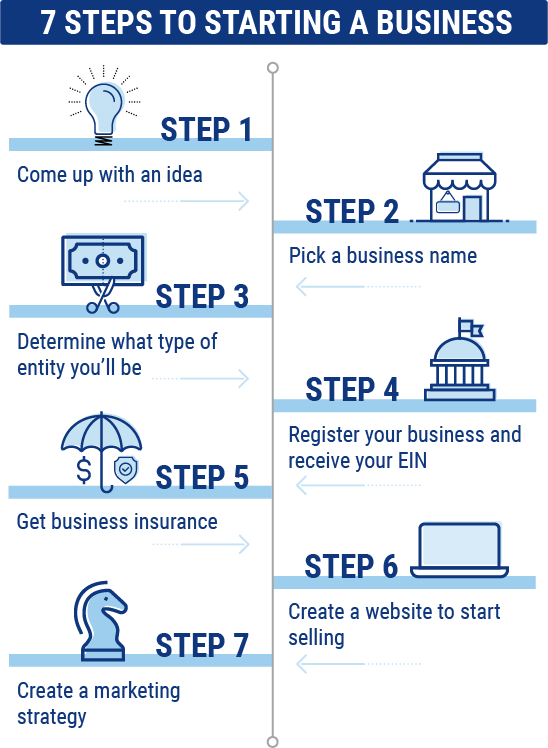
I. Laying the Foundation: Strategic Planning for Profitability
Every successful online business begins with a robust foundation built on careful planning and market understanding. Before investing time and capital, it’s crucial to define your niche, understand your audience, and validate your business idea. This initial phase is about identifying a viable path to revenue and ensuring your proposed venture addresses a genuine market need.
Identifying Your Passion, Expertise, and Potential for Income Generation
The most sustainable online businesses often stem from a founder’s genuine passion or deep expertise. What are you exceptionally good at? What problems do you enjoy solving? What topics could you discuss for hours? Aligning your business with your interests not only makes the entrepreneurial journey more enjoyable but also lends authenticity and credibility to your brand. From a financial perspective, leveraging existing skills or passions can reduce initial costs associated with acquiring new knowledge or outsourcing specialized tasks, directly impacting your startup budget and time-to-market. Consider your unique selling proposition – what makes you or your product/service different and valuable in a crowded marketplace? This differentiation is key to attracting paying customers and justifying your pricing.
Market Research and Niche Validation
Once you have a general idea, rigorous market research is indispensable. This isn’t just about identifying potential customers; it’s about understanding their pain points, preferences, and willingness to pay. Tools like Google Trends, keyword research platforms (e.g., Ahrefs, SEMrush), social media analytics, and competitor analysis can provide invaluable insights. Look for underserved niches or areas where you can offer a superior solution. Validate your idea by engaging with potential customers through surveys, interviews, or by launching a minimum viable product (MVP). Financial validation is paramount here: Are there enough people willing to pay for your product or service at a price point that allows for profitability? Understanding the market size and potential revenue streams will inform your business model and financial projections.
Defining Your Target Audience and Value Proposition
A precise understanding of your target audience is critical for effective marketing and product development. Who are you trying to serve? What are their demographics, psychographics, and online behaviors? The clearer your audience definition, the more effectively you can tailor your product, messaging, and marketing efforts, maximizing your return on investment (ROI). Simultaneously, craft a compelling value proposition that articulates exactly why your online business is the best solution for your target customer. This isn’t just about features; it’s about the benefits and transformations you offer. A strong value proposition directly translates into customer acquisition and retention, which are vital for sustained revenue growth.
II. Choosing Your Online Business Model and Platform for Revenue Generation
With a solid foundation in place, the next step involves selecting the most appropriate online business model and the technological platforms to support it. This decision will dictate your revenue streams, operational complexities, and initial financial outlay.
Exploring Popular Online Business Models
The online world offers a diverse array of business models, each with its own advantages and financial implications:
- E-commerce (Product-Based): Selling physical goods directly to consumers. This can involve dropshipping (minimal inventory risk), print-on-demand, or managing your own inventory. Requires investment in product sourcing, marketing, and often warehousing.
- Digital Products: Creating and selling e-books, online courses, templates, software, or stock photos. High-profit margins once created, with minimal ongoing costs beyond marketing and updates.
- Freelancing/Services: Offering your skills (e.g., writing, design, consulting, virtual assistance) to clients online. Relatively low startup costs, leveraging your existing expertise for direct income.
- Affiliate Marketing: Promoting other companies’ products and earning a commission on sales generated through your unique link. Low risk and startup costs, but relies heavily on content creation and audience trust.
- Subscription Boxes/Services: Delivering curated products or providing recurring access to digital content/software for a regular fee. Excellent for predictable recurring revenue (MRR).
- Content Creation/Ad Revenue: Building an audience through blogging, YouTube, or podcasts and monetizing via advertising, sponsorships, or direct fan support. Requires significant time investment to build an audience before substantial revenue is generated.
Carefully evaluate each model based on your resources, expertise, risk tolerance, and projected profitability.
Selecting the Right E-commerce Platform or Website Builder
Your online platform is the digital storefront or hub of your business. The choice significantly impacts ease of use, scalability, and ongoing costs.
- Shopify, WooCommerce (WordPress), BigCommerce: Excellent for e-commerce, offering robust features for product management, payment processing, and shipping. They come with varying monthly fees, transaction fees, and plugin costs, which must be factored into your budget.
- Squarespace, Wix: User-friendly website builders suitable for service-based businesses, portfolios, or simpler e-commerce stores. Generally more affordable monthly subscriptions, but potentially less customizable than dedicated e-commerce platforms.
- Teachable, Kajabi, Thinkific: Specialized platforms for selling online courses and digital products, often including marketing and community features.
- Upwork, Fiverr, Toptal: Platforms for freelancers, acting as marketplaces to connect service providers with clients. They typically take a commission from your earnings.
When choosing, consider transaction fees, hosting costs, security features, scalability for future growth, and integration capabilities with other essential business tools (e.g., email marketing, accounting software).
Understanding the Costs and Investments
Starting an online business, while often less expensive than a traditional brick-and-mortar operation, still requires financial investment. Key cost categories include:
- Platform Fees: Monthly subscriptions for e-commerce platforms, website builders, or software.
- Domain Name and Hosting: Annual fees for your website address and server space.
- Product Sourcing/Inventory: For e-commerce, the cost of goods sold.
- Marketing and Advertising: Crucial for visibility, can range from free organic efforts to paid campaigns.
- Tools and Software: Email marketing platforms, accounting software, graphic design tools, project management apps.
- Legal and Compliance: Business registration, licenses, intellectual property protection, terms and conditions.
- Payment Processing Fees: Transaction fees charged by services like PayPal, Stripe, or Square.
Create a detailed startup budget and project your initial operating expenses. Understanding these upfront and ongoing costs is vital for setting realistic financial goals and ensuring you have sufficient capital to launch and sustain your business through its early stages.
III. Building Your Online Presence and Operational Setup for Efficiency
Once your foundational decisions are made, the practical steps of building your online presence and setting up operations begin. This phase focuses on creating a professional, functional, and legally compliant online entity designed to attract and serve customers efficiently.
Crafting a Strong Brand Identity with Financial Impact
While “Brand” is a separate category, its financial implications are paramount here. A strong brand identity — encompassing your business name, logo, visual aesthetics, and brand voice — builds trust and recognition, which are invaluable assets. A professional, consistent brand can command higher prices, reduce customer acquisition costs, and foster loyalty, directly impacting your bottom line. Investing in professional branding from the outset, even if modest, can pay significant dividends by differentiating you from competitors and resonating deeply with your target audience. Consider how your brand identity communicates value and reliability, encouraging customers to choose your offering over others.
Website Development and Optimization for Conversion
Your website is your primary sales tool. It must be user-friendly, aesthetically pleasing, mobile-responsive, and optimized for converting visitors into customers. Focus on clear calls-to-action (CTAs), intuitive navigation, compelling product descriptions or service explanations, and high-quality visuals. Speed and security are also critical for user experience and search engine rankings. From a financial perspective, a well-optimized website reduces bounce rates, increases conversion rates, and ultimately drives more sales. Regularly test and analyze user behavior on your site to identify areas for improvement that can lead to increased revenue.

Setting Up Payment Gateways and Legal Structures
Secure and convenient payment processing is non-negotiable for any online business. Integrate trusted payment gateways like Stripe, PayPal, or Square, ensuring they support the currencies and payment methods preferred by your target audience. Understand their transaction fees, as these directly affect your profit margins.
Equally important is establishing the correct legal structure for your business (e.g., sole proprietorship, LLC, corporation). This decision impacts liability, taxation, and administrative requirements. Register your business with relevant authorities, obtain necessary licenses or permits, and understand your tax obligations. Consulting with a legal and financial professional at this stage is highly recommended to ensure compliance and protect your personal assets, safeguarding your financial future.
Sourcing Products/Services and Inventory Management (If Applicable)
For product-based online businesses, efficient sourcing and inventory management are crucial for profitability.
- Sourcing: Research reliable suppliers, negotiate favorable terms, and ensure product quality. Consider dropshipping to minimize upfront inventory costs, but be aware of lower profit margins and reliance on third-party suppliers.
- Inventory Management: Implement systems to track inventory levels, manage orders, and prevent stockouts or overstocking. Overstocking ties up capital, while stockouts lead to lost sales. Tools and software can automate much of this process.
For service-based businesses, this translates to developing clear service offerings, defining delivery processes, and managing your time and resources effectively to fulfill client commitments efficiently.
IV. Marketing Your Online Business for Growth and Profitability
Even the best online business wonence will fail without effective marketing. This phase focuses on strategic outreach to attract customers, drive sales, and build a loyal customer base. Every marketing dollar spent should be considered an investment towards increasing revenue.
Developing a Digital Marketing Strategy with ROI Focus
A comprehensive digital marketing strategy is essential. This includes:
- Search Engine Optimization (SEO): Optimizing your website and content to rank higher in search engine results, driving free organic traffic. Long-term investment with high ROI.
- Content Marketing: Creating valuable blog posts, videos, podcasts, or infographics to attract, engage, and educate your audience. Builds authority and trust, leading to conversions.
- Social Media Marketing: Engaging with your audience on platforms where they spend their time. Can drive traffic, build community, and increase brand awareness.
- Paid Advertising (PPC): Running targeted ads on platforms like Google Ads, Facebook, Instagram, or TikTok. Offers immediate visibility and allows for precise targeting, but requires careful budget management and continuous optimization to ensure a positive ROI.
- Email Marketing: Building an email list to nurture leads, announce new products, and drive repeat purchases. High ROI channel when executed effectively.
Your strategy should be measurable, allowing you to track key performance indicators (KPIs) like customer acquisition cost (CAC), conversion rates, and lifetime value (LTV) to ensure your marketing spend is generating a profitable return.
Building an Email List and Nurturing Leads
An email list is one of your most valuable assets, offering a direct, controlled communication channel with your audience. Implement lead magnets (e.g., free e-books, exclusive discounts, webinars) to encourage sign-ups. Use email marketing to nurture leads, provide value, announce promotions, and drive sales. Segment your list to send targeted messages, increasing engagement and conversion rates. This direct marketing channel often yields higher conversion rates and ROI compared to social media, which is subject to algorithm changes.
Analyzing Performance and Adapting Your Strategy
Data analytics is your best friend in the online business world. Regularly monitor your website traffic, sales data, marketing campaign performance, and customer feedback. Tools like Google Analytics, your e-commerce platform’s reports, and social media insights provide a wealth of information.
- Sales Funnel Analysis: Identify where customers drop off in their purchasing journey.
- A/B Testing: Experiment with different headlines, images, or calls-to-action to see what performs best.
- Customer Feedback: Actively seek and respond to reviews and comments.
Use these insights to refine your products, optimize your marketing efforts, and improve the overall customer experience, directly contributing to increased sales and profitability. The online business landscape is dynamic; continuous adaptation based on performance data is key to sustained success and financial growth.
V. Financial Management and Long-Term Sustainability
The journey of starting an online business doesn’t end with launch and initial sales; it requires diligent financial management and strategic planning for sustainable growth. This final section emphasizes the ongoing monetary discipline vital for long-term viability.
Budgeting, Pricing Strategies, and Profit Margins
Effective budgeting is paramount. Create a detailed operating budget that accounts for all ongoing expenses (platform fees, marketing, tools, outsourcing, etc.). Regularly compare actual expenses against your budget and adjust as needed.
Your pricing strategy is directly linked to your profitability. Don’t just price based on competitors; understand your costs (fixed and variable), your desired profit margins, and the perceived value of your product or service. Consider different pricing models – one-time purchases, subscriptions, tiered pricing – to maximize revenue. Aim for healthy profit margins that allow for reinvestment and future growth. Periodically review and adjust your pricing based on market conditions, competitor actions, and your business costs.
Managing Cash Flow and Tracking Expenses
Positive cash flow is the lifeblood of any business. Monitor your incoming and outgoing funds closely. Implement efficient invoicing and payment collection processes. Set aside funds for taxes and unexpected expenses.
Meticulous expense tracking is crucial for financial health and tax purposes. Use accounting software (e.g., QuickBooks, Xero, FreshBooks) to categorize all income and expenses accurately. This provides a clear picture of where your money is going, helps identify areas for cost reduction, and simplifies tax preparation, preventing costly errors.

Scaling Your Business and Reinvesting Profits
Once your online business is generating consistent income, consider strategies for scaling. This might involve expanding your product line, entering new markets, automating processes, or hiring additional help. Scaling should always be strategic, focusing on growth that enhances profitability rather than simply increasing revenue at the expense of margins.
Reinvesting a portion of your profits back into the business is a common strategy for sustainable growth. This could be used for advanced marketing campaigns, developing new features, improving infrastructure, or hiring key talent. However, balance reinvestment with personal financial goals and ensuring the business remains financially stable. Prudent financial management ensures that your online venture not only thrives but also provides the financial freedom and impact you initially sought.
Starting an online business is a challenging yet incredibly rewarding endeavor. By meticulously planning, strategically implementing, and diligently managing the financial aspects, you can build a resilient and profitable enterprise that stands the test of time in the dynamic digital landscape.
aViewFromTheCave is a participant in the Amazon Services LLC Associates Program, an affiliate advertising program designed to provide a means for sites to earn advertising fees by advertising and linking to Amazon.com. Amazon, the Amazon logo, AmazonSupply, and the AmazonSupply logo are trademarks of Amazon.com, Inc. or its affiliates. As an Amazon Associate we earn affiliate commissions from qualifying purchases.