
A Deep Dive into the Financial Foundations of Entrepreneurship
Embarking on the entrepreneurial journey is exhilarating, a leap of faith often fueled by passion and innovative ideas. Yet, beneath the veneer of groundbreaking concepts and visionary leadership lies a crucial, often daunting, reality: the financial bedrock upon which every successful company is built. “What do I need to start a company?” is a question that, when answered comprehensively from a financial perspective, can determine the difference between a fleeting dream and a thriving enterprise. This guide will meticulously unpack the monetary essentials, from initial capital acquisition to sustainable financial management, ensuring your venture is not just born, but poised for enduring success.
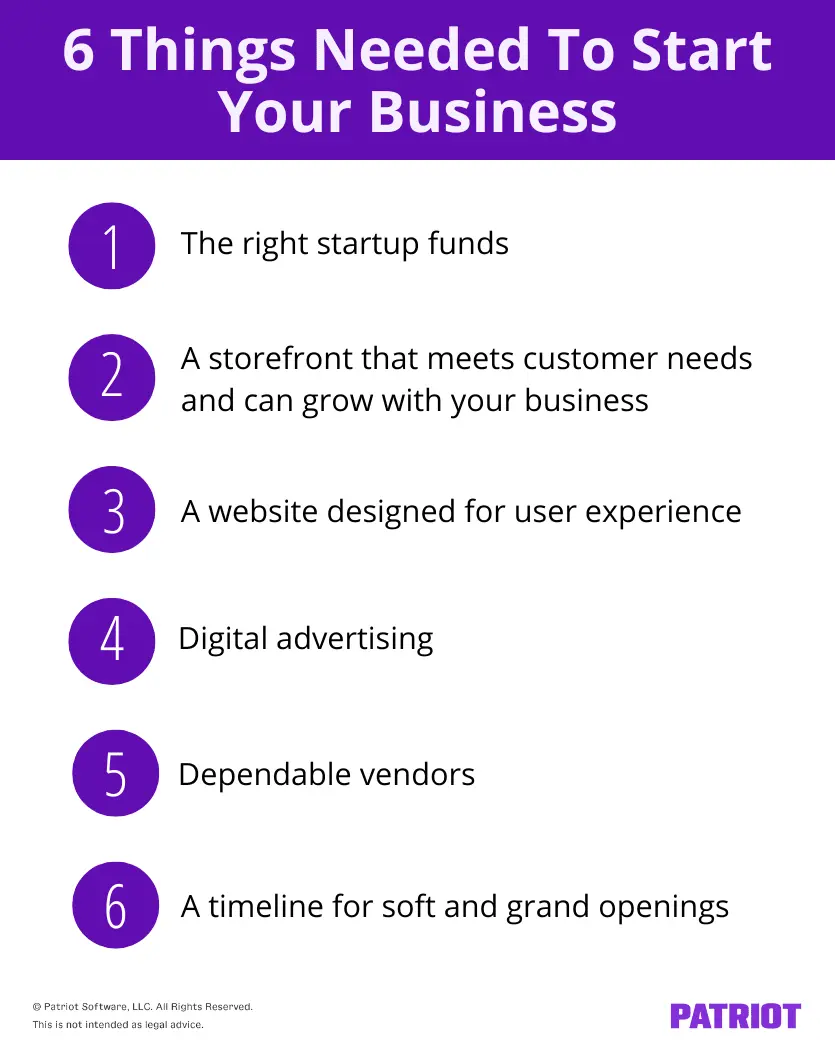
Starting a company isn’t merely about having a great idea; it’s about having a robust financial strategy to bring that idea to fruition, sustain it through its nascent stages, and scale it into a formidable entity. Without a clear understanding of the financial landscape, even the most brilliant concepts can falter. Our focus here is exclusively on the fiscal components – the capital, the cash flow, the costs, and the critical financial intelligence required to navigate the complex world of business.
The Foundational Financial Blueprint: Planning Your Startup’s Monetary Journey
Before any product is built or service launched, a comprehensive financial blueprint must be meticulously drafted. This initial planning phase is not just an exercise in numbers; it’s a strategic roadmap that defines your startup’s financial viability and future trajectory.
Comprehensive Financial Planning & Projections
The cornerstone of any startup’s financial journey is a detailed financial plan. This isn’t a one-time document but a living entity that evolves with your business. It encompasses sales forecasts, profit and loss projections, cash flow statements, and balance sheet estimates for at least the first three to five years. Realistic projections are paramount, informed by thorough market research, competitive analysis, and an honest assessment of your operational capabilities. Entrepreneurs often err on the side of optimism; tempering enthusiasm with conservative estimates provides a more resilient financial outlook. This plan will serve as your compass, guiding decisions and providing a benchmark against which actual performance can be measured.
Estimating Startup Costs and Operational Expenses
Understanding exactly how much money you need to get off the ground and keep going is critical. Startup costs are typically one-time expenses incurred before the business even opens its doors – think legal fees for incorporation, initial product development, patent registrations, equipment purchases, website development, or initial inventory. Beyond these, operational expenses are the recurring costs necessary to run the business day-to-day, such as rent, salaries, utilities, marketing, software subscriptions, and raw materials. Categorizing these expenses allows for better budgeting and provides clarity on your capital requirements. Underestimating these costs is a common pitfall that can quickly lead to cash flow crises.
Crafting a Realistic Business Plan with Financial Sections
While a business plan encompasses all aspects of your venture, its financial section is arguably the most scrutinised, especially by potential investors or lenders. This section consolidates your financial projections, startup costs, operational expenses, and funding requests into a cohesive narrative. It must demonstrate not only the potential for profitability but also a clear path to achieving it. Include assumptions underpinning your forecasts, sensitivity analyses (what if sales are lower? what if costs are higher?), and break-even analysis to show when your business is expected to become profitable. A well-articulated financial section in your business plan instills confidence and proves that your vision is financially sound.
Securing Capital: Funding Your Vision
Once you have a clear understanding of your financial needs, the next critical step is to secure the necessary capital. This process often involves a strategic mix of different funding sources, each with its own advantages and implications.
Exploring Self-Funding and Bootstrapping Strategies
Many entrepreneurs begin by self-funding their ventures, utilizing personal savings, credit cards, or loans from friends and family. This “bootstrapping” approach offers maximum control and avoids immediate equity dilution. It forces founders to be lean, resource-efficient, and intensely focused on generating revenue quickly. While it may limit initial scale, bootstrapping cultivates financial discipline and often results in more sustainable business models in the long run.
Navigating Debt Financing: Loans and Lines of Credit
Debt financing involves borrowing money that must be repaid, typically with interest, without giving up ownership stakes. Common sources include traditional bank loans, small business administration (SBA) loans, or lines of credit. Banks often require a solid business plan, collateral, and a good personal credit score. Debt can be a powerful tool for growth, especially for businesses with predictable cash flows, but it also carries the risk of fixed repayments, regardless of business performance.
Attracting Equity Investors: Angels, VCs, and Crowdfunding
Equity financing involves selling a percentage of your company to investors in exchange for capital. Angel investors are high-net-worth individuals who provide early-stage funding, often accompanied by mentorship. Venture capitalists (VCs) are firms that invest larger sums in high-growth potential startups, expecting significant returns. Crowdfunding platforms allow businesses to raise capital from a large number of individuals, often in exchange for equity, rewards, or donations. While equity financing can provide substantial capital and strategic guidance, it means relinquishing a portion of ownership and control, and subsequent dilution with future funding rounds.
Understanding Grants and Government Programs
For certain types of businesses, particularly those involved in research and development, social impact, or specific industries, government grants or specialized programs can provide non-dilutive funding. These grants do not require repayment or equity in exchange. However, they are often highly competitive, have stringent application processes, and may come with specific conditions or reporting requirements. Researching relevant grants for your industry or mission can uncover a valuable funding avenue.
Managing Your Startup’s Finances: From Day One to Profitability
Securing capital is just the beginning. Effective financial management is an ongoing imperative, ensuring every dollar is wisely spent and accurately tracked, moving your startup towards profitability and stability.
Essential Accounting Practices and Bookkeeping Tools
Implementing robust accounting practices from day one is non-negotiable. This involves systematically recording all financial transactions – income, expenses, assets, liabilities. Good bookkeeping provides clarity on your financial health, aids in tax preparation, and informs critical business decisions. Utilizing modern accounting software (e.g., QuickBooks, Xero, FreshBooks) can automate many processes, reduce errors, and provide real-time financial insights, even for non-accountants. Establishing a clear chart of accounts is also crucial for categorizing financial data effectively.
Budgeting for Growth and Cost Control Mechanisms
A budget is more than just a spending limit; it’s a strategic tool for allocating resources and controlling costs. Startups need flexible budgets that can adapt to changing market conditions and growth phases. Regularly comparing actual spending against your budget allows for timely adjustments and prevents financial derailments. Implementing cost-control mechanisms, such as negotiating with suppliers, optimizing operational processes, and monitoring discretionary spending, is vital for preserving capital and extending your runway. Every dollar saved on expenses is a dollar that contributes directly to the bottom line.
Understanding Key Financial Statements: P&L, Balance Sheet, Cash Flow
Every entrepreneur must understand the three primary financial statements:
- Profit and Loss (P&L) Statement (Income Statement): Shows your revenues, costs, and profits over a specific period (e.g., a month, quarter, year). It indicates your company’s profitability.
- Balance Sheet: Provides a snapshot of your company’s financial position at a specific point in time, detailing assets (what you own), liabilities (what you owe), and owner’s equity (the residual value).
- Cash Flow Statement: Tracks the movement of cash in and out of your business over a period, categorized into operating, investing, and financing activities. It’s crucial for understanding liquidity and solvency.
Regularly reviewing these statements provides invaluable insights into your company’s financial performance, health, and ability to generate and manage cash.
Setting Up Payment Processing and Merchant Accounts
For any business selling products or services, establishing efficient and secure payment processing is fundamental. This typically involves setting up a merchant account with a bank or using third-party payment gateways (e.g., Stripe, PayPal, Square). Consider factors like transaction fees, security features, ease of integration with your sales channels, and the types of payments accepted (credit cards, mobile payments, bank transfers). Streamlined payment processing not only enhances customer experience but also ensures timely revenue collection, which is vital for cash flow.
Legal & Tax Considerations: Protecting Your Financial Future
The financial landscape of a startup is inextricably linked with its legal and tax obligations. Overlooking these aspects can lead to costly penalties, legal disputes, and significant financial setbacks.
Choosing the Right Business Structure for Tax Efficiency
One of the first financial-legal decisions is choosing your business structure: sole proprietorship, partnership, LLC (Limited Liability Company), or corporation (S-Corp or C-Corp). Each structure has different implications for personal liability, administrative burden, and, critically, tax treatment. An LLC, for instance, offers liability protection similar to a corporation while often providing pass-through taxation benefits. A C-Corp, while subject to “double taxation,” might be more attractive to venture capital investors. Consulting with a legal and tax professional is essential to select the structure that best aligns with your business goals, risk tolerance, and long-term financial strategy.
Navigating Tax Obligations and Deductions for Startups
Understanding your startup’s tax obligations is paramount. This includes federal, state, and local income taxes, sales taxes, payroll taxes (if you have employees), and potentially excise taxes. Ignorance is not an excuse for non-compliance, and penalties can be severe. Proactively identifying eligible tax deductions (e.g., business expenses, home office deductions, startup costs) can significantly reduce your taxable income. Keeping meticulous records of all financial transactions makes tax preparation easier and ensures you claim all legitimate deductions, preserving capital that can be reinvested into the business.
Understanding Insurance Needs for Financial Protection
Insurance isn’t an option; it’s a financial safeguard. General liability insurance protects against claims of bodily injury or property damage. Professional liability (E&O) insurance covers errors or omissions in your services. Property insurance protects your physical assets. Cyber liability insurance is increasingly crucial for businesses handling customer data. Workers’ compensation is mandatory if you have employees. While an expense, adequate insurance coverage protects your company’s assets and future against unforeseen events, preventing potentially catastrophic financial losses. The cost of a claim often far outweighs the premiums.
Compliance and Regulatory Costs
Depending on your industry and location, your startup may be subject to various regulatory requirements, licenses, and permits. Each of these often comes with associated fees and ongoing compliance costs. For example, a restaurant needs health permits, a financial firm needs specific licenses, and an e-commerce business needs to comply with data privacy regulations like GDPR or CCPA. Budget for these fees and ongoing compliance expenses to avoid legal issues and ensure your operations remain uninterrupted.
Sustaining Growth: Financial Strategies for Long-Term Success
The ultimate goal for any startup is not just to launch but to thrive and grow sustainably. This requires continuous financial vigilance and strategic planning.
Developing Effective Pricing Strategies and Revenue Models
Your pricing strategy directly impacts your revenue and profitability. It must reflect your value proposition, cover your costs, and be competitive within your market. Common pricing models include cost-plus, value-based, competitive pricing, or freemium models. Beyond pricing, understanding and optimizing your revenue model – how your business generates money (e.g., subscriptions, one-time sales, advertising, licensing) – is vital for long-term sustainability. Experimentation and data-driven analysis are key to finding the optimal balance between customer acquisition and profitability.
Managing Cash Flow and Working Capital Effectively
“Cash is king” is a timeless business adage, especially for startups. Poor cash flow management is a leading cause of business failure. This involves ensuring you have enough liquid assets to meet short-term obligations. Strategies include optimizing accounts receivable (getting paid faster), managing accounts payable (paying strategically), maintaining a healthy cash reserve, and utilizing credit lines responsibly. Working capital (current assets minus current liabilities) indicates your short-term financial health; effective management ensures smooth operations and the ability to seize growth opportunities.
Reinvestment Strategies and Scaling Capital Needs
As your company grows, so too will its capital requirements. Strategic reinvestment of profits back into the business – whether for expansion, R&D, marketing, or infrastructure – is crucial for sustained growth. However, this must be balanced with maintaining adequate cash reserves. Scaling often requires additional funding rounds or debt financing, making a clear understanding of your burn rate (how quickly you’re spending cash) and future capital needs essential for planning fundraising efforts.

Building Financial Resilience and Exit Strategies
A financially resilient company can weather economic downturns, market shifts, and unforeseen challenges. This involves maintaining healthy profit margins, diversifying revenue streams, controlling debt, and building a robust emergency fund. While building, it’s also prudent to consider potential exit strategies, such as selling the business, going public, or passing it on. Having a financial strategy for an exit, even if it’s years away, can influence current financial decisions and optimize the eventual return for founders and investors.
In conclusion, starting a company is a multifaceted endeavor, but its financial dimension is undeniably its spine. By meticulously planning, shrewdly securing capital, diligently managing finances, ensuring legal and tax compliance, and strategically planning for growth, entrepreneurs can lay a robust financial foundation for their ventures. The question “what do I need to start a company?” ultimately finds its most profound answer in a deep, actionable understanding of money – its acquisition, management, and strategic deployment.
aViewFromTheCave is a participant in the Amazon Services LLC Associates Program, an affiliate advertising program designed to provide a means for sites to earn advertising fees by advertising and linking to Amazon.com. Amazon, the Amazon logo, AmazonSupply, and the AmazonSupply logo are trademarks of Amazon.com, Inc. or its affiliates. As an Amazon Associate we earn affiliate commissions from qualifying purchases.