
Embarking on the journey of entrepreneurship in the digital age offers unprecedented opportunities for financial independence and wealth creation. The allure of flexible hours, global reach, and the potential for significant income makes starting an online business an increasingly popular and viable path. However, transforming a brilliant idea into a thriving digital enterprise requires more than just passion; it demands a robust understanding of financial principles, strategic planning, and diligent execution. This guide will navigate you through the essential monetary considerations and practical steps to launch and scale your own online venture, ensuring a solid financial foundation for long-term success.
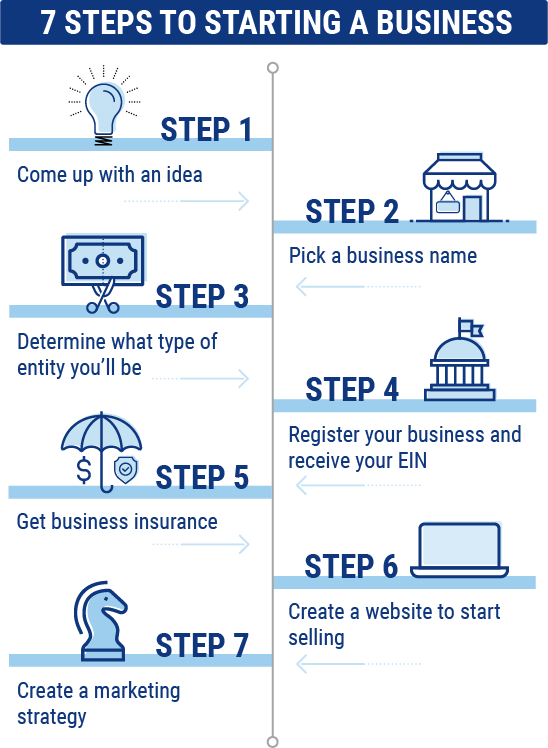
Laying the Financial Foundation: Ideation and Market Viability
The genesis of any successful online business lies in a well-researched and financially sound idea. Before investing time, effort, and capital, it’s crucial to ascertain the market’s demand for your proposed product or service and understand its potential profitability.
Identifying Profitable Niches and Business Models
The first step is to pinpoint a niche that aligns with your skills and interests but, more importantly, possesses significant monetary potential. A profitable niche is one where there’s an identifiable problem that people are willing to pay to solve, or a clear demand for a specific product or service. Consider various online business models, each with distinct financial implications:
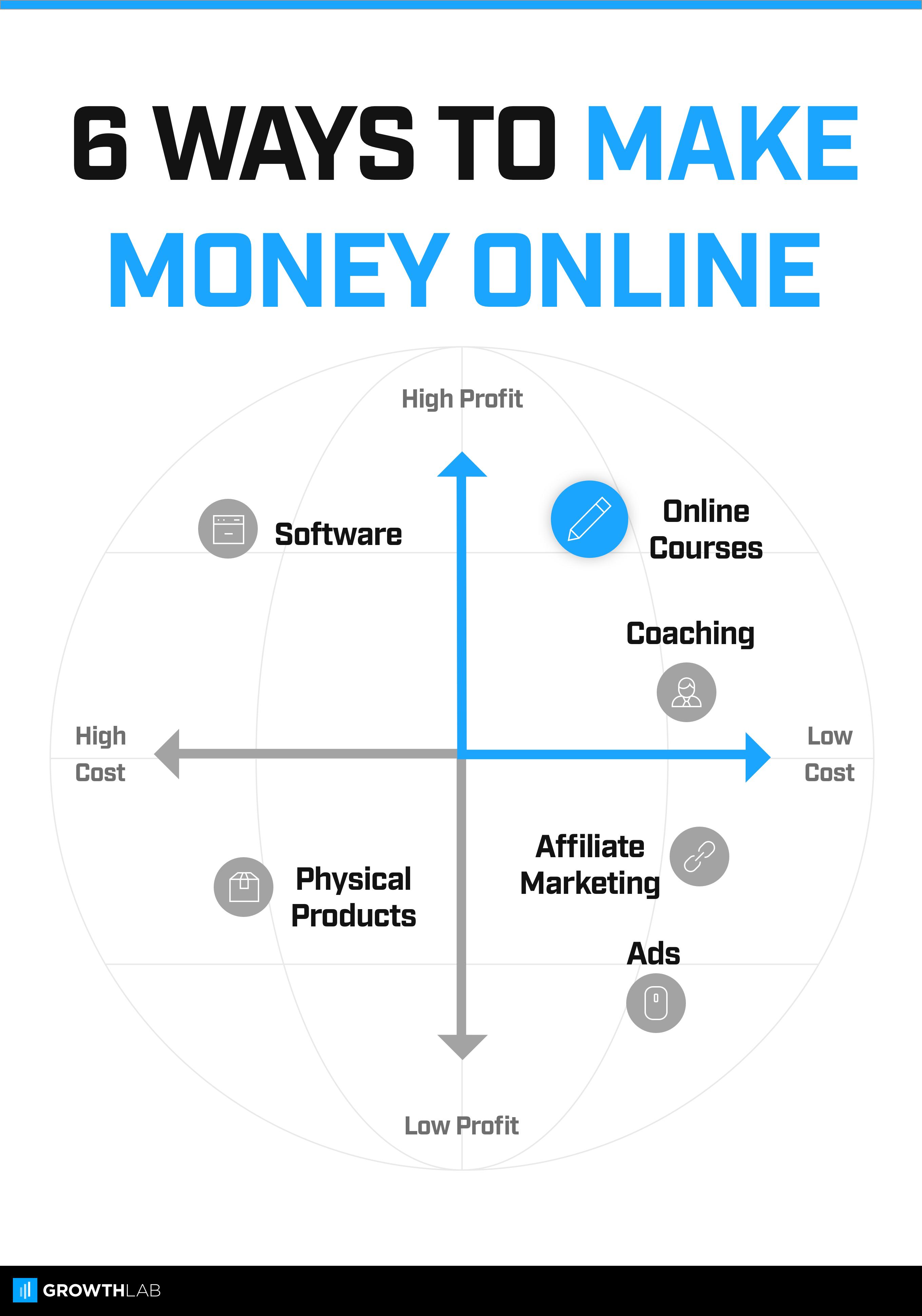
- E-commerce (Dropshipping, Print-on-Demand, or Own Inventory): Involves selling physical products online. Financially, dropshipping minimizes upfront inventory costs, but margins can be lower. Managing your own inventory requires capital investment but offers better control over margins and branding. Print-on-demand is a hybrid, reducing inventory risk while allowing for custom designs.
- Service-Based Businesses: Offering professional services online (e.g., consulting, coaching, freelance writing, graphic design, virtual assistance). This model often has low startup costs, leveraging existing skills, and scales by increasing rates or hiring additional talent. The financial challenge lies in consistent client acquisition and time management.
- Digital Products: Creating and selling e-books, online courses, templates, software, or stock photography. Once created, digital products have high-profit margins due to minimal ongoing production costs. The initial investment is in content creation and marketing.
- Affiliate Marketing: Promoting other companies’ products and earning a commission on sales. This model has virtually no startup costs for product creation or inventory, focusing purely on content generation and audience building. Financial success hinges on traffic volume and conversion rates.
- Subscription Models: Offering ongoing access to content, software, or exclusive services for a recurring fee. This provides predictable recurring revenue (MRR/ARR), which is highly valued for business stability and valuation.
When selecting a model, evaluate not just the market demand, but also the startup costs, operational expenses, potential revenue streams, and long-term scalability from a financial perspective.
Conducting Financial Market Research and Competitor Analysis
Once you have a niche and business model in mind, thorough market research is indispensable to validate your financial assumptions. This involves understanding:
- Market Size and Demand: How large is the potential customer base? Are people actively searching for solutions your business offers? Use tools like Google Trends, keyword research, and audience demographics to gauge interest. A larger, active market signals greater revenue potential.
- Pricing Strategies: Analyze what competitors are charging for similar products or services. Are there price gaps you can exploit? Can you justify a premium price based on superior value? Understand common pricing models in your niche (e.g., hourly rates, project-based fees, subscription tiers, per-unit pricing).
- Revenue Models: How do existing businesses in your niche generate income? Are there opportunities for cross-selling, upselling, or creating bundled offers to maximize customer lifetime value (CLTV)?
- Competitor Strengths and Weaknesses (Financial Perspective): Beyond features, look at their operational efficiency, customer acquisition costs (CAC), and profitability. This gives you insights into realistic cost structures and potential profit margins.
Initial Cost Estimation and Budgeting
Before spending a single dollar, create a detailed financial plan. This budget should account for both one-time startup costs and recurring operational expenses.
- Startup Costs:
- Legal & Administrative: Business registration fees, legal advice, permits, licenses.
- Technology & Tools: Website development (domain, hosting, platform fees), software subscriptions (email marketing, CRM, design tools), payment gateway setup fees.
- Initial Inventory/Product Development: Costs for manufacturing, sourcing, or creating your digital product/content.
- Marketing & Branding: Logo design, initial advertising campaigns.
- Professional Services: Accountants, legal counsel.
- Operational Expenses:
- Ongoing Platform Fees: E-commerce platform subscriptions (Shopify, Etsy fees), software licenses.
- Marketing & Advertising: Monthly ad spend, content creation costs.
- Payment Processing Fees: Transaction fees from credit card processors or PayPal.
- Utilities & Internet: If working from a dedicated office space.
- Salaries/Freelancer Payments: If you hire staff or contractors.
- Miscellaneous: Contingency fund for unforeseen expenses.
A realistic budget helps you understand the capital required to launch and sustain your business until it becomes profitable. Develop a break-even analysis to determine how many sales you need to cover your costs.
Structuring Your Business for Financial Success
Beyond the idea, the way you structure and manage the financial aspects of your online business will profoundly impact its stability, growth, and legal standing. This involves making informed decisions about legal structure, funding, and the systems you put in place to manage money.
Choosing the Right Legal Structure and Understanding Tax Implications
The legal structure of your online business has significant financial and tax ramifications. The most common options include:
- Sole Proprietorship: Simple to set up, minimal costs. Your personal and business assets/liabilities are not separate, meaning personal exposure to business debts. Taxes are filed with your personal income (pass-through taxation).
- Partnership: Similar to sole proprietorship but for two or more owners. Shared liability and profits.
- Limited Liability Company (LLC): Offers personal liability protection (separates personal and business assets). More complex and costly to set up than a sole proprietorship. Offers flexibility in taxation (can be taxed as a sole prop, partnership, or corporation). This is often a popular choice for online businesses due to its balance of protection and simplicity.
- Corporation (S-Corp, C-Corp): Provides the strongest liability protection. More complex and expensive to set up and maintain, with more stringent reporting requirements. C-Corps are subject to “double taxation” (corporate profits taxed, then dividends to shareholders taxed). S-Corps avoid double taxation by passing profits/losses directly to owners’ personal income.
Consult with an accountant or legal professional to understand which structure offers the best financial and legal advantages for your specific online business model, considering liability, taxation, and future growth plans.
Securing Initial Funding and Investment
Unless you’re bootstrapping with minimal costs (highly recommended for many online ventures), you may need initial capital.
- Bootstrapping: Funding your business with personal savings, credit cards, or early sales revenue. This minimizes debt and ownership dilution, fostering financial discipline.
- Small Business Loans: Traditional banks or online lenders offer various loan products. Requires a solid business plan and often personal collateral or a good credit score.
- Grants: Government or private organizations may offer grants for specific types of businesses (e.g., women-owned, minority-owned, innovative tech). These don’t require repayment but are highly competitive.
- Friends and Family: A common source of initial capital, but ensure clear terms to avoid personal strain.
- Angel Investors/Venture Capital (VC): Typically for high-growth, scalable businesses with significant market potential. Involves giving up equity in exchange for capital and often mentorship. Less common for early-stage lifestyle online businesses.
When seeking funding, present a clear financial projection, demonstrating how the investment will be used and how it will generate a return.
Setting Up Essential Financial Systems
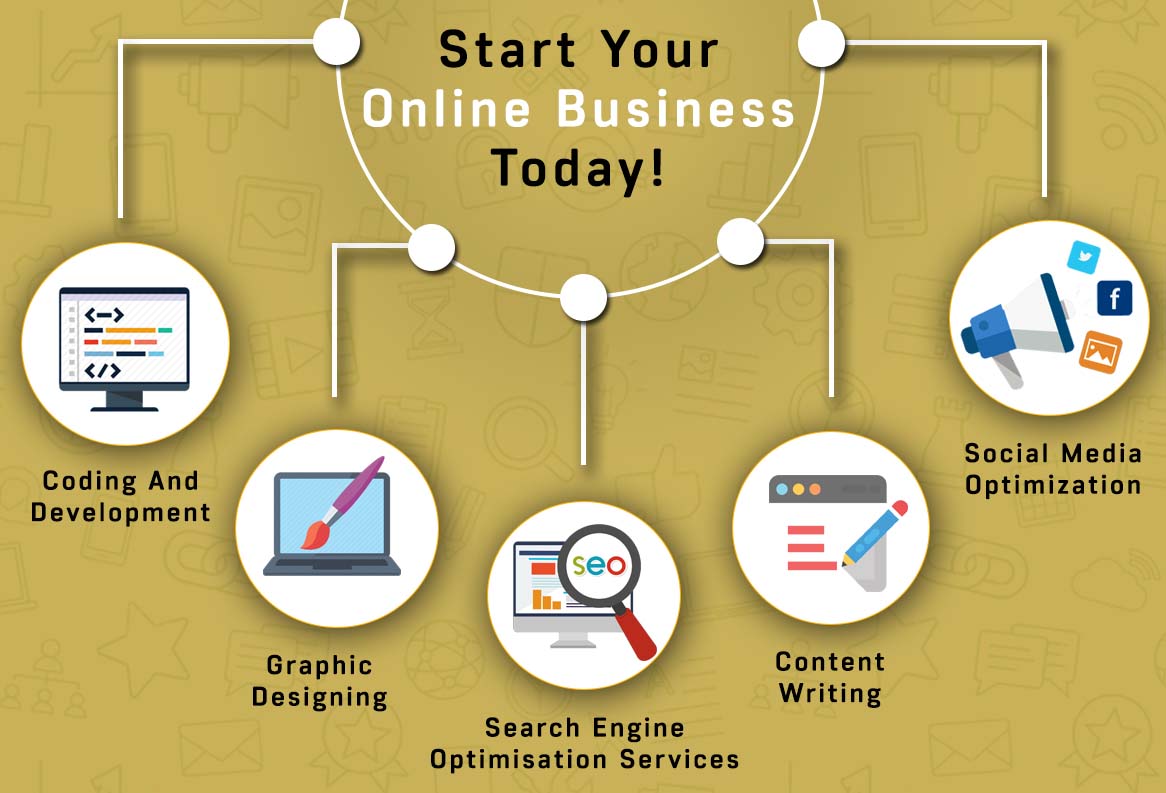
Efficient financial management is crucial from day one. Establish robust systems for managing money:
- Separate Business Bank Account: Absolutely essential. Keeps personal and business finances distinct, simplifying accounting, tax preparation, and presenting a professional image.
- Payment Gateways: Choose reliable and secure payment processors (e.g., Stripe, PayPal, Square, Shopify Payments) that integrate seamlessly with your website or platform. Understand their transaction fees, which directly impact your profit margins.
- Accounting Software: Implement accounting software (e.g., QuickBooks Online, Xero, FreshBooks) to track income, expenses, generate financial reports, and manage invoices. This provides real-time financial insights and simplifies tax preparation.
- Budgeting and Forecasting Tools: Use spreadsheets or specialized software to monitor your budget, forecast cash flow, and track financial performance against your goals.
Monetization Strategies and Revenue Generation
The core of any online business is its ability to generate consistent revenue and, ultimately, profit. Strategic monetization is about more than just selling; it’s about optimizing your pricing, diversifying your income, and planning for sustainable growth.
Developing a Robust Pricing Strategy
Pricing your products or services correctly is one of the most critical financial decisions you’ll make. Too high, and you deter customers; too low, and you devalue your offering and struggle with profitability. Consider:
- Cost-Plus Pricing: Calculate all costs associated with a product/service and add a desired profit margin. Simple but doesn’t account for market demand or perceived value.
- Value-Based Pricing: Price based on the perceived value your product or service delivers to the customer, rather than just its cost. Often results in higher margins if you can effectively communicate value.
- Competitive Pricing: Setting prices comparable to competitors. Useful for highly saturated markets but can lead to price wars that erode profits.
- Penetration Pricing: Starting with a low price to quickly gain market share, then gradually increasing it.
- Premium Pricing: Setting a high price to create a perception of luxury or exclusivity.
- Tiered Pricing: Offering different packages or versions of your product/service at various price points to cater to different customer segments and needs, maximizing revenue potential.
Regularly review and adjust your pricing strategy based on market feedback, competitor actions, and your business’s financial performance. A/B testing different price points can provide valuable data.
Diversifying Income Streams for Stability and Growth
Relying on a single income stream can be risky. Diversifying your revenue sources can cushion your business against market fluctuations and open new avenues for growth. Examples include:
- Product Extensions: Offering complementary products or services (e.g., if you sell an online course, offer a related coaching service or an advanced e-book).
- Upsells and Cross-sells: Encouraging customers to purchase a higher-value item or related products after their initial purchase.
- Subscription Add-ons: For service or digital product businesses, offering premium features or exclusive content for an additional recurring fee.
- Affiliate Partnerships: Promoting complementary products or services from other businesses for a commission, without creating your own.
- Advertising/Sponsorships: If you build a significant audience (e.g., through a blog, podcast, or YouTube channel), selling ad space or seeking sponsorships.
Each additional income stream should be carefully evaluated for its financial viability, potential revenue, and the resources required to maintain it.
Scaling for Increased Profitability and Sustainability
Scaling an online business means growing revenue without a proportional increase in costs, leading to improved profit margins.
- Automate Processes: Invest in tools and software that automate repetitive tasks (e.g., email marketing, customer service chatbots, inventory management). This reduces labor costs and increases efficiency.
- Optimize Customer Acquisition Cost (CAC): Continuously refine your marketing efforts to acquire customers more efficiently. A lower CAC means more profit per customer.
- Increase Customer Lifetime Value (CLTV): Focus on customer retention, repeat purchases, and encouraging higher-value purchases. A higher CLTV maximizes the return on your initial acquisition investment.
- Outsource Non-Core Functions: Delegate tasks like accounting, web development, or specialized marketing to freelancers or agencies. This can be more cost-effective than hiring full-time employees and allows you to focus on core revenue-generating activities.
- Expand Market Reach: Explore new geographical markets or customer segments if your product/service is scalable and demand exists.
- Reinvest Profits Strategically: Instead of taking all profits, reinvest a portion back into the business for growth initiatives, product development, or marketing campaigns that promise a strong ROI.
Managing Finances and Mitigating Risks
Effective financial management is an ongoing process that extends far beyond launch. It involves continuous monitoring, analysis, and proactive planning to ensure the health and longevity of your online business.
Essential Financial Management Practices
- Cash Flow Management: Monitor the money coming in and going out of your business closely. Positive cash flow is vital for survival. Forecast your cash flow to anticipate potential shortages and surpluses.
- Expense Tracking: Diligently track every business expense. This is crucial for tax purposes, budgeting, and identifying areas where you can cut costs. Categorize expenses meticulously.
- Budgeting and Forecasting: Regularly update your budget and create financial forecasts (e.g., monthly, quarterly, annually). Compare actual performance against your budget to identify deviations and adjust strategies.
- Regular Financial Review: Set aside time to review your profit and loss statements, balance sheets, and cash flow statements. Understand what the numbers are telling you about your business’s health.
- Tax Planning: Understand your tax obligations (income tax, sales tax, self-employment tax) and set aside funds regularly. Work with a tax professional to ensure compliance and identify potential deductions.
Understanding Profit Margins and Key Performance Indicators (KPIs)
To truly understand your financial performance, you must go beyond gross revenue.
- Gross Profit Margin: (Revenue – Cost of Goods Sold) / Revenue. Indicates the profitability of your products/services before operating expenses.
- Net Profit Margin: (Net Income / Revenue). Shows the percentage of revenue left after all expenses, including taxes.
- Customer Acquisition Cost (CAC): Total marketing and sales expenses / Number of new customers acquired. Helps you evaluate the efficiency of your marketing efforts.
- Customer Lifetime Value (CLTV): Average revenue per customer x Average customer lifespan. A high CLTV indicates strong customer loyalty and repeat business.
- Conversion Rate: Percentage of website visitors who complete a desired action (e.g., make a purchase, sign up for a newsletter). Directly impacts sales revenue.
- Return on Investment (ROI): (Net Profit from Investment / Cost of Investment) x 100. Measures the efficiency of an investment.
Regularly tracking these KPIs allows you to make data-driven decisions to optimize your financial performance.
Planning for Financial Growth and Contingencies
A forward-thinking approach to finances is crucial for sustained growth and resilience.
- Emergency Fund: Create a business emergency fund, ideally covering 3-6 months of operating expenses. This acts as a buffer against unexpected downturns, equipment failures, or personal emergencies.
- Reinvestment Strategy: Systematically reinvest a portion of your profits back into the business for product development, marketing, technology upgrades, or hiring. This fuels future growth.
- Debt Management: If you take on debt, have a clear repayment strategy. Avoid accumulating high-interest debt that can quickly cripple your cash flow.
- Succession Planning (if applicable): For larger or highly specialized online businesses, consider what would happen if you were unable to work. This might involve insurance, documented processes, or a plan for transitioning ownership.
- Exit Strategy (long-term): Even if you’re just starting, thinking about a potential exit (selling the business, passing it on) can influence financial decisions, such as building transferable assets and clear financial records that make the business attractive to buyers.
In conclusion, launching and operating a successful online business is a challenging yet profoundly rewarding endeavor that hinges significantly on sound financial management. From the initial ideation and meticulous budgeting to strategic pricing, diversified income generation, and continuous financial oversight, every decision has monetary implications. By prioritizing financial planning, understanding your numbers, and consistently optimizing for profitability and sustainability, you can build a resilient online enterprise that not only thrives in the digital economy but also secures your financial future.
aViewFromTheCave is a participant in the Amazon Services LLC Associates Program, an affiliate advertising program designed to provide a means for sites to earn advertising fees by advertising and linking to Amazon.com. Amazon, the Amazon logo, AmazonSupply, and the AmazonSupply logo are trademarks of Amazon.com, Inc. or its affiliates. As an Amazon Associate we earn affiliate commissions from qualifying purchases.